
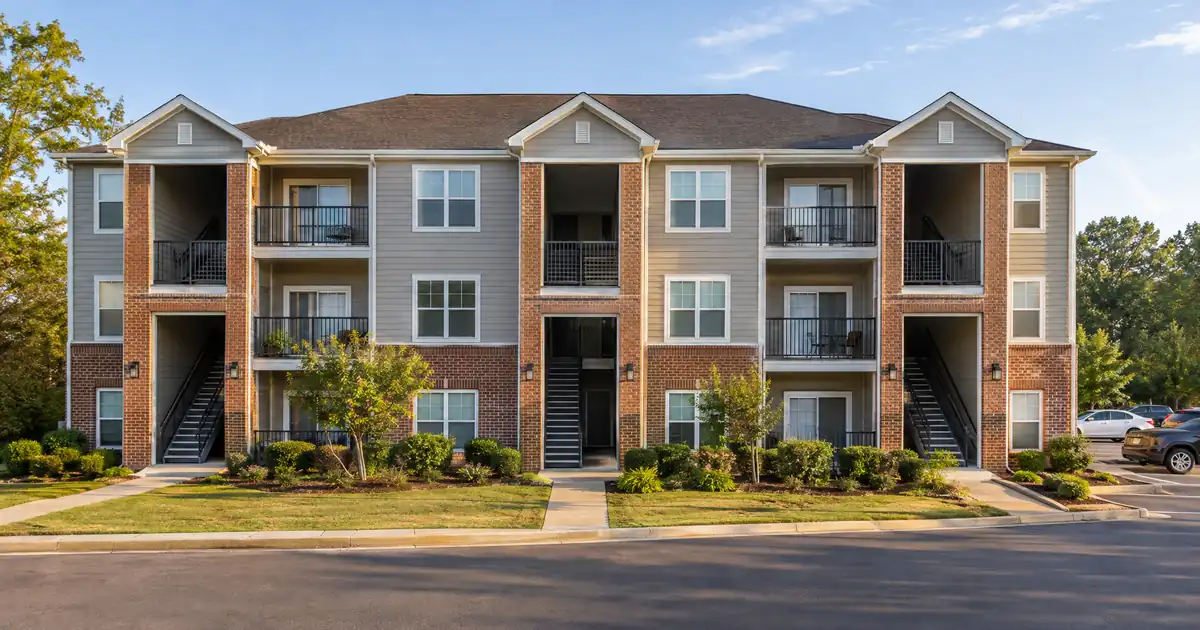
The Quick Read: A lawsuit against the HOA does not automatically end a DSCR cash-out refinance, but it adds a second review: the building is underwritten alongside the borrower’s file, and the type and size of the claim decide how the file is treated. Across the wholesale network, the property’s rent coverage is judged one way and the project’s legal exposure another.
- Cash-out on an investment property tops out around 75% LTV across most of the network, with about 6 months of seasoning.
- Structural, safety, and habitability claims are the usual hard stops. Routine or insured claims are more workable.
- Expect an HOA questionnaire, an attorney letter, and master insurance documents before the file gets far.
- Some lenders trim leverage or decline cash-out on a litigated building while still allowing other transactions.
- A strong borrower does not offset project risk. The two are reviewed separately. The exact numbers vary by lender and program and follow a full review of property, leverage, and credit.
Picture an investor who owns a condo unit, has rented it for over a year, and wants to pull equity for the next purchase. Then the HOA is named in a suit. That single fact moves the file from routine to document-heavy. This piece walks through how it is treated, step by step, and where the general rule breaks. For the full program picture, see the complete DSCR loans guide.
DSCR Cash-Out Calculator
Run the cash-out numbers in your market
Rate source: Freddie Mac 30-yr average via FRED® — Federal Reserve Bank of St. Louis · effective Oct 8, 2026
Prefilled with starting assumptions — enter your property’s value, balance, taxes, and insurance for a more accurate picture.
Program parameters update from Lendmire’s centralized guideline source. Taxes and insurance are editable estimates.
As of Oct 8, 2026 · General Freddie Mac market benchmark, not a Lendmire loan offer. Property value, balance, taxes, and insurance are editable estimates. Maximum loan-to-value varies by lender, program, property type, and seasoning. Not a Loan Estimate, approval, or commitment to lend. Program availability and eligibility are subject to lender guidelines, credit approval, property review, and underwriting.
Key Terms Defined
DSCR: Debt service coverage ratio, which compares the property’s rent used for lender review to its monthly obligation (principal, interest, taxes, insurance, and HOA dues).
PITIA: The full monthly housing obligation: principal, interest, taxes, insurance, and association dues.
Non-warrantable condo: A building that fails the project checklist used for agency loans. It is a financing label, not a finding that the building is defective.
Condo questionnaire: A form completed by the HOA or its management company covering litigation, finances, insurance, and rental mix.
Pre-litigation activity: A dispute that has not become a filed suit, such as a demand letter or arbitration notice, which some reviewers treat like a pending case.
Seasoning: The ownership period required before cash-out is available, measured from title recording. About 6 months is the common expectation.
Why Does Litigation Flag a Condo Building?
Litigation is a project-level risk, so the lender reviews the building as well as the borrower. A judgment or a special assessment could strain HOA finances, which feeds directly into dues, unit values, and the collateral behind a new first lien.
The “non-warrantable” label comes from the agency rulebook. Fannie Mae’s Selling Guide lists litigation or pre-litigation activity as an ineligible-project category when the HOA is a named party, or when a sponsor or developer is party to a suit tied to safety, structural soundness, or habitability. A separate version of that guide section also allows lender exceptions in limited cases for projects with merit. That agency list does not govern DSCR files. It explains where the label began.
DSCR loans are not agency products. They are business-purpose loans for non-owner-occupied investment property, reviewed differently from a standard owner-occupied mortgage. Lenders in the network write their own project checklists instead of using a pass/fail agency list. That is how a flagged building can still be financed. It is also why two lenders can look at the same suit and reach different answers.
Which Lawsuits Actually Matter?
The type of claim matters more than the fact of a claim. Underwriters sort a suit by who is suing whom, what is alleged, whether the exposure is insured, and whether a loss could threaten the association’s solvency.
| Litigation type | Typical lender view | What raises concern |
|---|---|---|
| Structural or construction defect | Usually a hard stop | Active repairs, large claimed damages |
| Safety or habitability | Usually a hard stop | Evacuation orders, code violations |
| Insured slip-and-fall or injury | Often workable | Claim exceeds policy limits |
| HOA collecting unpaid dues | Often workable | High delinquency across the building |
| Neighbor or limited dispute | Case by case | Unclear exposure, no attorney letter |
| Pre-litigation or arbitration | Case by case | Treated like a filed suit by some lenders |
Three questions sort most files:
1. Is the claim about the building’s physical condition or safety? If yes, expect a decline from most programs.
2. Is the exposure insured, and does the insurer defend it? Insured exposure shrinks the risk.
3. Could a judgment or special assessment exceed HOA reserves? If so, the lender treats it as a financial viability issue.
Here’s the catch on the borderline cases. They are decided by documents, not by anyone’s description of the suit. An HOA manager saying it’s minor carries no weight. An attorney letter stating the claim, the insurance position, and the likely exposure does.
What Will the Lender Ask For?
Expect a document package built around the building, not just the unit. One law-firm summary of Fannie Mae condo guidance notes that when a questionnaire does not answer the eligibility question, the lender has to collect more documentation. The same logic applies on DSCR files with lender overlays.
| Item | Who supplies it | Why it matters |
|---|---|---|
| Condo questionnaire | HOA or management company | States litigation status up front |
| Attorney status letter | HOA counsel | Describes claim, parties, exposure |
| Master insurance declarations | HOA or its agent | Shows coverage and defense of the claim |
| HOA budget and financials | HOA | Tests reserves against exposure |
| Reserve study | HOA | Shows funding for repairs |
| Special-assessment notices | HOA | Feeds the monthly obligation |
| Meeting minutes | HOA | Reveals disputes and pending actions |
HOA documents are the slow part of these files. Management companies take their time, and the questionnaire is rarely the only request. Order it early, and ask for the attorney letter in the same email.
Accuracy matters here. Litigation also surfaces through title and legal searches, so a questionnaire answer that understates a suit becomes a misrepresentation problem. Skip the temptation to soften the language.
How Does Litigation Touch the DSCR Math?
Litigation reaches the coverage number through the payment side. The ratio is monthly rent used for lender review divided by monthly PITIA, and HOA dues sit inside PITIA. If the suit pushes dues up or brings a special assessment, the denominator grows and coverage falls.
Run the numbers on a modeled assumption: a rented condo unit that clears 1.15x coverage before any assessment. If the association raises dues enough to lift the monthly obligation by roughly 10%, coverage drops to about 1.05x. The file still clears 1.00, which is where select programs start, but there is less room. A second increase puts it under. Where coverage dips below 1.00, a separate select-lender path exists in the network, with leverage and terms adjusted.
One caution that applies to every DSCR file. Clearing 1.00 is not the same as positive cash flow. The calculation compares rent to PITIA only. Repairs, vacancy, management, utilities, and capex sit outside it. On a building in litigation, assessment risk makes that gap more important, not less.
Appraisal is the other pressure point. The unit is valued with a rent schedule, and the appraiser may comment on the litigation. Comparable sales in a building with an overhang can come in light. That matters because cash-out proceeds depend on value, and the ceiling is a percentage of it.
What Are the Cash-Out Terms Once the Building Is Accepted?
If a lender accepts the building, the borrower’s side of the file looks like any other DSCR cash-out. Across most of the network, cash-out tops out around 75% LTV on an investment property, with about 6 months of seasoning from title recording. Credit floors begin at 620 in parts of the network, most programs want around 660, and 700 or higher opens the strongest leverage tiers. Reserves commonly run around 6 months of PITIA, stepping up to about 9 months on loans above $1,500,000. Standard loan sizes run up to $3,000,000. All of this is subject to lender guidelines, and every file is underwritten individually.
Equity available depends on rent used for program review, PITIA, reserves, and that 75% ceiling. It is not a guaranteed cash figure. On a litigated building, expect lenders to land below the ceiling. Some trim leverage. Some add reserves. Some decline cash-out while allowing a rate-and-term refinance, which on an investment property can reach 85% LTV with no cash back at closing. Those adjustments are lender-specific, so the network’s breadth is the useful part: one lender’s overlay is another’s acceptable risk. Final terms depend on the lender’s guidelines, the property type, and the borrower’s complete credit picture.
Cash-out is generally scoped tighter than purchase because the lender is taking a new first lien and handing over equity at the same time.
For related background on condo cash-out files, see Lendmire’s piece DSCR Cash-Out Refinance Requirements for a Condo Building. Where the unit is held in an entity, vesting is a separate review item, subject to lender program eligibility.
Where the General Rule Breaks
Litigation plus another flag. Some lenders cap how many non-warrantable features a building can carry. A suit alone might pass. A suit plus heavy investor concentration or commercial space might not.
Pre-litigation and arbitration. The agency guide treats pre-litigation activity as its own item, and non-QM reviewers can do the same. A demand letter is not always safe to ignore.
Short-term rental strategy. Some reviewers will not touch a litigated condo for nightly rental use even when they would accept it as a long-term rental. Where a lender does allow short-term rental collateral, cash-out is limited to 70% LTV, with a 640+ score and about 12 months of hosting history expected. Short-term rental rules can vary by city, county, HOA, and property type, so investors should confirm local rules before relying on projected rental income. Each figure is subject to lender guidelines and a complete review of property type, leverage, and credit.
Settlement or dismissal mid-file. A settled or dismissed suit lets lenders re-review eligibility. That is the basis for waiting and refinancing later. It also works in reverse: a suit filed or escalated after the file starts can reopen a review that looked finished.
Property types outside the program. Manufactured homes, log homes, and barndominiums are not offered in the network, litigation or not.
DSCR vs. conventional financing
There are two common ways to finance an investment property, and they qualify you differently — here’s how investors weigh them.
Why investors choose it
- Qualifies on the property’s rental income — no personal tax returns, W-2s, or pay stubs needed to document income.
- No personal debt-to-income ceiling to clear, so existing mortgages and obligations don’t cap your borrowing the same way.
- Can be closed in an LLC, keeping the property inside a business entity.
- Built for scaling — not held to the limit on number of financed properties that conventional financing applies.
- Underwriting centers on the deal: generally qualifies when the rent covers the payment, a 1.00x coverage ratio being a common baseline (confirmed in underwriting).
- Designed specifically for investment property, including long-term and, where the program allows, short-term rentals.
Where it’s strong
- Often the lowest ongoing financing cost for a buyer who fully qualifies on personal income — a fit for a first property or a cost-first purchase.
Trade-offs for investors
- Requires full personal income documentation and must fit within a debt-to-income limit — salary, existing debts, and other mortgages all count.
- Typically held in your personal name rather than a business entity.
- Caps how many financed properties you can carry, which can become a ceiling as a portfolio grows.
- Evaluates you as a borrower as much as the property, which usually means more paperwork.
How investors usually choose: a first or single property often optimizes for the lowest financing cost; portfolio builders often optimize for leverage, vesting in an LLC, and scaling past conventional caps. The right answer depends on your goals, the property, and current guidelines — both paths run through select lenders in Lendmire’s wholesale network, with eligibility and terms confirmed in underwriting.
When This Won’t Work, and What Investors Do Instead
Some buildings will not clear, and the honest answer is no. A structural-defect class action, an evacuation order, or exposure that dwarfs the HOA’s reserves will stop most programs. A strong borrower does not change that. Project risk is separate from borrower strength.
Investors in that spot have a few moves:
1. Wait for settlement or dismissal, then reapply. The seasoning clock keeps running in the meantime. 2. Ask whether a rate-and-term refinance fits better than cash-out, since it can carry different leverage. 3. Pull equity from a different property that is not tied to the building. 4. Consider an investment-property HELOC line, which caps at $500,000 total, on a unit outside the litigated building.
Which one fits depends on the investor’s goal. Someone who wants to hold the condo and wait out the case will lean toward the first. Someone who needs capital now will lean toward the third or fourth, since those do not depend on the litigated building at all.
An experience note from the file side. Litigation files tend to stall on paperwork, not on the borrower. The loan officer waits on an HOA manager, the attorney letter arrives with unclear language, and the master insurance page is stale. Clean documents, requested early, are the only habit that reliably helps. Tax treatment can depend on how the funds are used and how the property is held; investors should keep clear records and speak with a qualified tax professional before relying on any deduction.
A Pre-Application Checklist
1. Ask the HOA or management company whether any suit, arbitration, or demand letter is pending, in writing.
2. Request the questionnaire, budget, reserve study, and master insurance declarations together.
3. Get an attorney status letter that names the parties, the claim, and the insurance position.
4. Check for special-assessment notices and recent dues increases, then rerun coverage with them included.
5. Confirm seasoning from the recording date on the deed.
6. Share the full package with the broker before choosing a lender, so the file goes where the building will be accepted.
If you are buying or refinancing a rental property and want to see how the numbers work, Lendmire can help you compare DSCR loan options based on the property income, credit profile, leverage, and investor goals. Reach the team at 828-256-2183 or request a quote. Qualification is subject to lender guidelines, and none of this is a commitment to lend.
Frequently Asked Questions
Does any lawsuit make a condo ineligible?
No. The lender looks at the nature of the dispute, the amount at risk, available insurance, and the effect on the project. Structural, safety, and habitability claims are the usual disqualifiers. Routine collection actions or insured claims are treated differently, though each lender sets its own line.
Does it matter if the HOA is the plaintiff or the defendant?
Yes, in most reviews. An HOA defending a claim carries exposure, while an HOA suing to collect dues usually carries less. The agency guide cited above turns on whether the HOA is a named party to pending litigation, and lenders in the network apply their own versions of that test.
Can I cash out while the suit is pending?
Sometimes. A lender may accept the building with lower leverage or extra reserves, or may decline cash-out and allow other transactions. Cash-out on an investment property tops out around 75% LTV in most of the network, and a litigated building often lands below that.
Does arbitration count the same as a filed suit?
Often it is reviewed the same way. The agency guide lists pre-litigation activity as its own category, and non-QM reviewers can treat arbitration and demand letters like pending litigation. Disclose it and get it addressed in the attorney letter.
Can the building become eligible again?
Yes. Once a suit settles or is dismissed, lenders can re-review the project. Dues, assessments, and reserves after the settlement then drive the decision.
Does insurance coverage change the answer?
Yes, it can. An insurer that is defending the claim, with limits that cover the exposure, reduces the financial risk. The master insurance declarations and the carrier’s position are part of the standard document package.
Investors weighing their equity options can start with Lendmire’s guide to cash-out refinance on an investment property.
About Lendmire
Lendmire is a non-QM mortgage brokerage (NMLS# 2371349) arranging DSCR investor loans in 41 markets, including Washington, D.C., through wholesale and investor-lending channels. DSCR loans are evaluated by the lender on rental income rather than personal income, subject to lender guidelines — a fit for LLC-owned portfolios, self-employed investors, and operators scaling beyond conventional loan caps. Recognized as a Scotsman Guide Top Mortgage Workplace in 2025 and 2026.
Get Started
Ready to find the right loan for you?
In about 30 seconds you can review financing options available for your investment property. No commitment required.
Informational only. Not a Loan Estimate, approval, or commitment to lend. Program availability and eligibility are subject to lender guidelines, credit approval, property review, and underwriting.
References
1. Fannie Mae Selling Guide B4-2.1-03, Ineligible Projects
2. Fannie Mae Selling Guide B4-2.1-03, lender exceptions (earlier version)
3. KSN Law, Fannie Mae updated condominium project guidance
4. Governingdocs.dev, non-warrantable condo explainer
This article is part of Lendmire’s investment property cash-out refinance program — full qualification details, guidelines, and scenarios live on the program page.
Related reading: Can You Get a DSCR Cash-Out on a Condo in Litigation? · Rental HELOC Condo Questionnaire for a Building in Litigation · Can A Condo HOA With Pending Litigation Still Close A Jumbo DSCR Loan?
Brandon Miller
Founder & CEO, Mortgage Loan Originator, Lendmire LLC
- Mortgage Loan Originator · NMLS# 1129696 · Verify on NMLS Consumer Access
- North Carolina Real Estate Broker · License# 343312 · Verify on NCREC
- North Carolina Insurance Producer · License# 19053198 · Property, Casualty, Life, Health · Verify on NAIC SBS
- Lendmire LLC · Firm NMLS# 2371349 · Verify firm licensure
Compliance and disclosures. Lendmire (NMLS# 2371349) is a licensed mortgage broker and is not a direct lender, depository institution, financial advisor, or tax professional. Content in this article is general market analysis and educational information — not financial, legal, or tax advice for any specific situation. Lendmire does not guarantee loan approval; every transaction is subject to underwriting by the funding lender. Mortgage pricing and loan program guidelines are subject to change at any time without notice and vary by borrower characteristics, property type, and state regulations. Lendmire complies with Equal Housing Opportunity. Licensure verification: NMLS Consumer Access.