
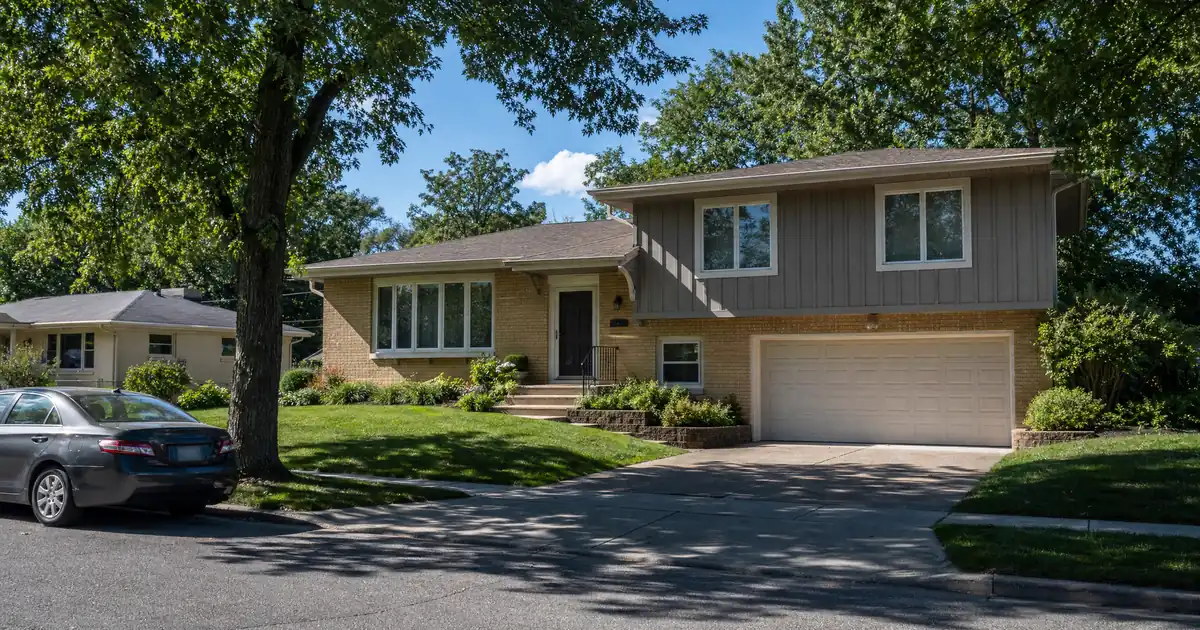
Residential Fix And Flip Loans — The Quick Read: A residential fix-and-flip loan is short-term, asset-based financing. It funds both the purchase and the renovation of a distressed property an investor plans to resell. It closes in two parts. Money for the purchase comes up front. Money for the rehab comes later, in stages, as the work gets done. Underwriting looks at the deal’s numbers, not the borrower’s pay stubs. Leverage tops out well short of “100% financing,” no matter how a program advertises itself. A first-time investor is rarely disqualified outright. The deal’s spread usually matters more than the résumé.
What Is a Residential Fix and Flip Loan?
It’s short-term, business-purpose financing. The loan amount is based on the property’s current value, its rehab cost, and its projected value once the work is done. It is not based on a borrower’s household income. Bridge and fix-and-flip terms on the current program run 6 to 18 months, interest-only, with no prepayment penalty. The loan is meant to be paid off at resale or replaced with permanent financing. It’s not meant to be carried for years.
What this loan actually costs to carry in your market.
Hard money is sized against the project and priced by time. Enter the deal and see how much the program will lend, the cash required at closing, the carry while you hold it, and what is left at the exit.
Leverage tiers on the current program: up to 85% of project cost with fewer than two completed projects, 90% with two or more, 93% with five or more — every tier capped at 75% of after-repair value. Loan amounts up to $5,000,000, larger by exception; terms of 6 to 18 months, interest-only, no prepayment penalty. The rehab portion funds in draws against completed work, not at closing.
Program parameters shown update from Lendmire’s centralized guideline source. Rate, points, and months are editable assumptions, not quoted terms.
Cost cap sets the loan · positive spread
Illustrative estimate only — not a quote, Loan Estimate, approval, or commitment to lend. Rate, points, and months are editable assumptions. Hard money is business-purpose financing for real estate investors, not a consumer mortgage. Leverage on the current program tops out at 93% of project cost for investors with a documented track record, capped at 75% of after-repair value, with rehab funding up to 100% of the documented budget released in draws; actual terms vary by lender, borrower experience, property, and exit. Lendmire is a mortgage broker, not a lender.
A few things define the category before anything else:
- The loan funds two things at once — acquisition and renovation — through separate tranches, not one lump sum.
- Underwriting is asset-based. The property and the deal’s math drive the decision far more than a personal debt-to-income ratio.
- Almost every one of these loans closes to an LLC or other business entity buying a non-owner-occupied property, which is part of why they sit outside consumer mortgage rules. Entity-titled financing is available across most of the network, subject to program terms.
- Experience shifts pricing and leverage. It rarely shifts eligibility on its own.
- Repayment is usually interest-only during the hold, with the balance retired at sale or refinance — not amortized like a 30-year mortgage.
These are business-purpose loans, not consumer credit. So borrowers should expect a different review process than they’d get with an owner-occupied mortgage. The line between the two usually comes down to a few things: how involved the borrower is in managing the property, and how big the purchase is compared to the borrower’s overall income. A rehab-and-resale deal bought through an LLC almost always lands on the business-purpose side of that line. That’s why the consumer disclosure timelines that apply to a homebuyer’s mortgage generally don’t apply here.
Key Terms Defined
After-Repair Value (ARV): the appraiser’s opinion of what the property will be worth once the renovation is complete. It’s one input a lender uses to size the loan. It’s not a promise of resale price.
Loan-to-Cost (LTC): the loan amount measured against total project cost — purchase price plus rehab budget. It shows how much of the combined spend the lender is financing.
Draw / Holdback: the portion of rehab money held back at closing. It’s released in stages, only after a completed phase of work is inspected. It pays the investor back for work already done. It does not advance cash for work still ahead.
Business-purpose loan: financing made for an investment or commercial reason, not for personal, family, or household use. This classification is what removes these loans from most consumer mortgage disclosure rules.
Seasoning: the minimum ownership period a lender requires before allowing a refinance to use an updated, higher property value.
How Underwriting Actually Treats a Fix-and-Flip File
Sizing runs off the deal, not the borrower’s traditional personal-income documents. Most files in Lendmire’s wholesale network get judged on one thing: how much cushion sits between total project cost and the property’s projected value once repairs are done. That cushion decides whether a deal is fundable more than credit score does.
Step one is the initial advance. This piece funds the purchase. It wires to the title company at closing. It’s sized against the property’s current, as-is value.
Step two is the rehab holdback. This money doesn’t show up at closing at all. It sits reserved and gets released in stages, as renovation phases are completed and verified — usually through an inspection or a draw request. That structure protects the lender’s exposure at each point in the project. But it also means an investor needs enough working capital to pay contractors first and get reimbursed after. Treating the holdback like an open line of credit is one of the more common and expensive mistakes a first-time flipper makes.
Step three is the appraisal. A licensed appraiser usually produces two numbers: a current, as-is value and a projected after-repair value. The lender checks the loan request against both. This is a different appraisal than the rental-income forms used later on the DSCR side of the business. Those only come into play if an investor later refinances a finished rehab into a rental hold instead of selling it.
Across the wholesale network Lendmire places files through, fix-and-flip leverage on the current program runs up to 93% of project cost for investors with five or more completed projects and up to 90% with two or more, with every tier capped at 75% of after-repair value; bridge purchases without rehab run up to 80% of purchase price, and cash-out or refinance files top out at 65% of value. The top of that range is generally reserved for well-qualified, more experienced borrowers, and this varies by lender, property, and file. Rehab dollars are financed separately. Select programs will finance up to 100% of the renovation budget on top of the purchase-side advance. That’s worth sitting with for a second: 100% of the rehab budget is a real, common structure. A 100% purchase loan is not — no matter how a headline reads.
The Leverage Ceiling — And Why “100% Financing” Rarely Means What It Sounds Like
Here’s the catch most first-time flippers miss. An “ARV loan” advertised at 75% or 80% almost never means the lender will finance up to that share of the after-repair value with nothing else attached. In practice, that number usually gets compared against the loan-to-cost figure too. The lender uses whichever result is lower. A program marketed as “85% financing” is describing the purchase-side LTV ceiling. It is not a promise that 85% of the total project, rehab included, walks out the door with zero investor cash down.
Run the numbers on a modeled scenario to see how this plays out. Assume a purchase price of $250,000 and a renovation budget of $60,000. Total project cost comes to $310,000. These are illustrative inputs, not a specific deal. If the purchase-side advance reaches the top of an 85% LTV range, that’s up to $212,500 financed against the purchase (250,000 × 0.85 = 212,500). The investor covers the remaining roughly 15% plus closing costs. If the rehab holdback finances up to 100% of the $60,000 budget, the combined financed total in this scenario reaches roughly $272,500 against $310,000 in all-in cost. None of that is locked in, though, until the appraiser’s after-repair value opinion confirms the spread holds up. If the ARV estimate comes back lower than modeled, the financed amount shrinks to match. It never grows to make the deal work. Every figure here varies by lender and program — guidelines, property type, leverage, and credit profile all apply.
That’s the mechanism behind every “80/100” or “85/100” fix-and-flip pitch. Purchase-side leverage sits on one line. Rehab-budget financing sits on another. The lender’s read of the finished value sits underneath both, as the final check. For a broader breakdown of how these structures compare across lenders, Lendmire’s guide on what fix-and-flip loans are walks through the variations in more depth.
Term Structures, Payment Timing, and Loan Sizes
Terms are short by design — 6 to 18 months on the current program, interest-only, with no prepayment penalty — and investors who need longer runway refinance into a DSCR loan once the property qualifies. Loan sizes on the current program run up to $5,000,000, with larger amounts considered by exception. Terms vary meaningfully by lender, property type, and borrower file. Nothing here is a fixed menu, and every file gets underwritten on its own.
Payment structure during the hold is typically interest-only. That keeps carrying costs lower while the property isn’t producing income — a real difference from the amortizing structure of a standard mortgage. Some programs in Lendmire’s network go further and defer payments for a set stretch of the project. That’s worth understanding fully before assuming it’s universal — see Lendmire’s breakdown of no-payment structures for how that variation is typically built.
Eligible collateral on the current program is non-owner-occupied residential property of one to four units, with ground-up construction up to ten units. The current program carries a 620 minimum credit score, with additional conditions under 660; credit is one input among several in an asset-based review that centers on the property, the plan, and the exit. But that never means a blanket promise of approval. Every file still goes through underwriting on the deal, the property, and the borrower’s overall file.
Fix-and-Flip, HELOC, or DSCR Refinance — Which Fits the Exit?
Active flippers run into three financing lanes most often, and these aren’t interchangeable. Mixing them up is a common planning mistake.
| Financing Type | Underwriting Basis | Leverage Ceiling | Best Fit |
|---|---|---|---|
| Fix-and-flip / hard money | Asset-based, project spread | Up to 93% of project cost for investors with 5+ completed projects (90% at 2+), capped at 75% of after-repair value; rehab funded up to 100% in draws | Purchase, renovate, resell |
| Investment-property HELOC | Equity in a stabilized rental | Caps around $500,000 total across lines | Tapping existing equity without a full refinance |
| DSCR cash-out refinance | Property’s rental income after stabilization | Commonly up to around 75% LTV | Exiting a flip into a long-term rental hold |
None of these figures are guaranteed for any specific borrower. They move with credit, property type, reserves, and lender guidelines. But the shape of the decision stays the same. Fix-and-flip money is built to be temporary. HELOC lines are capped and work best for smaller equity pulls. A DSCR refinance is the tool that actually turns a finished rehab into a long-term hold — it qualifies mainly on the property’s rental income covering the payment, subject to lender guidelines. Lendmire (NMLS# 2371349) brokers both sides of that transition — fix-and-flip acquisition financing and the DSCR refinance that can follow it — through a wholesale network spanning 40 markets, including Washington, D.C.
Where the General Rule Breaks
The rule “asset-based underwriting, experience affects pricing not eligibility” holds most of the time. But not always. Knowing where it bends matters more than knowing the rule itself.
First deal, real deal. Most lenders in the market genuinely don’t require prior flips to consider a file. They treat experience as a leverage and pricing lever, not a hard gate. That said, this isn’t universal. Some programs do require at least one completed exit within a set window. A first-time investor should confirm this specific point with whichever lender or broker they’re working with, rather than assume it across the board.
Bridge loans without a rehab component aren’t the same risk as fix-and-flip. A bridge loan on an already-stabilized property, with no renovation attached, forces the lender to ask a harder question: how does this actually get paid off? A fix-and-flip loan has a defined arc — buy, renovate, sell or refinance. A plain bridge loan on a finished property doesn’t automatically have that arc. Treating the two as interchangeable when comparing quotes is a mistake worth avoiding.
Mid-stream and multi-lender projects draw more scrutiny. A property that stalled mid-renovation, or that already passed through a prior lender, tends to get a harder look than a clean, ground-up purchase-and-rehab file. It’s not disqualifying. But expect more paperwork and a more conservative read on the numbers.
Cross-collateralized, or blanket, structures depart from single-asset underwriting entirely. Investors scaling past one deal at a time sometimes use a blanket lien across a portfolio of properties, instead of financing each one separately. That structure generally pairs with a buy-and-hold or fix-to-rent strategy, not a pure quick-turn flip. A single-property fix-and-flip loan is built to be paid off and closed out at sale, not layered permanently into a multi-asset lien.
The business-purpose classification behind all of this comes from a specific regulatory distinction. Borrowers who want the underlying framework can review how that line is drawn under the Consumer Financial Protection Bureau’s Regulation Z.
What the Numbers Actually Mean for the Decision
Margins have thinned enough that underwriting discipline now protects more of an investor’s actual profit than it did in fatter years. Nationally, ATTOM’s Q1 2026 U.S. Home Flipping Report put typical gross ROI at 25.4% on flipped single-family homes and condos. Gross profit on the median transaction came in at $66,000. Both numbers sit below the 29.6% margin and $74,172 profit recorded a year earlier. ATTOM’s own CEO was blunt about what that number actually represents: as HousingWire reported, “the headline here is a gross margin, not a profit. It’s the spread between what an investor paid and what they sold for, before rehab, financing, carrying costs, and the cost to sell.”
That distinction is exactly why the loan structure matters so much. How much of the purchase and rehab actually gets financed, and how much cash the investor has to carry through the project — that does more work than a single headline profit number ever will. A deal with a thinner spread but disciplined rehab budgeting and realistic ARV expectations can outperform a wider-margin deal that runs over on time or cost. This is the pattern seen across comparable files in Lendmire’s own network. The ones that stall or lose money almost never fail because the spread was thin on paper. They fail because the rehab budget or the timeline drifted after the loan was already sized, and nobody revisited the exit math along the way.
Seasoning is the other lever that matters once the exit shifts from “sell” to “hold.” A rate-and-term refinance often has no seasoning requirement at all. But a cash-out refinance into a permanent loan commonly expects around six months of ownership before a lender will use the property’s full appraised, post-rehab value. That’s a meaningfully faster path than the twelve-month seasoning norm on agency conventional refinancing. For an investor whose plan pivots mid-project from selling to renting, that timeline difference is often the deciding factor in whether a BRRRR-style hold actually pencils. Lendmire’s comparison of DSCR loans against fix-and-flip financing and its complete DSCR loans guide both go deeper into how that refinance step gets structured once a rehab is finished.
Tax treatment can depend on how the loan proceeds are used and how the property is titled and held. Investors should keep clean records and talk to a qualified tax professional before relying on any specific deduction.
Nothing described here is a commitment to lend, and no scenario here represents a guaranteed approval. Every fix-and-flip file is reviewed on its own and stays subject to lender approval, credit and property underwriting, and the specific guidelines of the program a borrower is placed with. Program terms, leverage tiers, and eligibility standards change over time and vary by lender. Investors should confirm current parameters directly before relying on any figure in planning a deal. Reach Lendmire’s team at 828-256-2183 or through a quote request to review how a specific property and file would be evaluated.
For current guidelines and terms, see Lendmire’s DSCR loan programs page.
Frequently Asked Questions
Do I need prior flipping experience to qualify for a fix-and-flip loan?
Not usually. Most programs in the market treat experience as a factor that affects leverage and pricing, not a hard qualifying gate. Underwriting centers on whether the deal’s spread supports repayment. A handful of lenders do set a minimum — such as one completed exit within a recent window. A first-time investor should ask directly rather than assume every program treats this the same way.
What happens if my renovation runs over budget or behind schedule?
The draw process is the mechanism that catches this early. Rehab money gets released in stages, tied to completed, inspected work rather than handed over up front. So a lender typically sees scope creep or slippage before it compounds into a larger problem. A stalled or over-budget project generally draws more scrutiny on any future draw request or refinance.
Can I use a fix-and-flip loan on a duplex, triplex, or fourplex, not just a single-family home?
Small multifamily properties are generally eligible collateral across the network, alongside single-family homes and, on the larger end, commercial and ground-up construction assets. Exact property-type eligibility still varies by lender and file. Confirming a specific address type before underwriting begins avoids surprises later.
Is a fix-and-flip loan the same thing as a bridge loan?
Not exactly. A fix-and-flip loan has a defined path — purchase, renovate, then sell or refinance. A bridge loan on an already-stabilized property with no rehab attached carries a different risk profile, since the lender has to evaluate a different kind of exit. The two get compared often, but they aren’t interchangeable products.
Can I get 100% financing on a fix-and-flip deal?
Generally, no — not on the purchase side. What’s often marketed as high-leverage or “ARV” financing usually refers to financing up to 100% of the rehab budget, layered on top of a separate purchase-side advance. The lender checks both figures against the property’s projected after-repair value. A true 100% purchase-price loan with no investor equity is not a structure available across this market.
How do you qualify for a fix-and-flip loan?
Qualification runs on the deal itself — the purchase price, the rehab budget, and the property’s projected after-repair value — rather than on personal income documents. Files go through an asset-based review: entity-titled ownership, a staged rehab holdback, and an appraisal that checks both current and after-repair value. Lendmire’s wholesale network spans 40 markets, and the same underwriting approach applies across all of them.
How do you qualify for a DSCR loan?
Once a rehab is finished and rented, qualifying for the refinance shifts. The property’s rental income covering the payment matters, not the borrower’s personal debt-to-income ratio. Lendmire brokers that DSCR refinance step across its 40-market network, subject to lender guidelines, seasoning requirements, and full underwriting.
The exit plan matters as much as the purchase price on short-term financing – see refinancing out of a hard money loan with a DSCR loan.
Many investors treat hard money as the acquisition tool and plan the exit up front – see refinancing out of a hard money loan with a DSCR loan.
Short-term financing tends to work best when the long-term plan is decided early – see how DSCR loans work as the long-term exit.
About Lendmire
Lendmire is a non-QM DSCR mortgage broker (NMLS# 2371349) operating through a wholesale network spanning 40 markets, including Washington, D.C. Rather than promoting a single in-house product, the team places each file with the lender and program that fits its numbers. That means matching fix-and-flip acquisition financing with the DSCR refinance that can follow a completed rehab, once a property shifts from a resale plan to a long-term rental hold. Borrowers can reach Lendmire’s team at 828-256-2183 or through a quote request to discuss how a specific property and file would be evaluated. Scotsman Guide named Lendmire a Top Mortgage Workplace in both 2025 and 2026.
Get Started
Ready to find the right loan for you?
In about 30 seconds you can review financing options available for your home or investment property. No commitment required.
Informational only. Not a Loan Estimate, approval, or commitment to lend. Program availability and eligibility are subject to lender guidelines, credit approval, property review, and underwriting.
References
1. Consumer Financial Protection Bureau — Regulation Z, Exempt Transactions
2. ATTOM — Q1 2026 U.S. Home Flipping Report
3. HousingWire — ATTOM Q1 2026 Home Flipping Coverage
Brandon Miller
Founder & CEO, Mortgage Loan Originator, Lendmire LLC
- Mortgage Loan Originator · NMLS# 1129696 · Verify on NMLS Consumer Access
- North Carolina Real Estate Broker · License# 343312 · Verify on NCREC
- North Carolina Insurance Producer · License# 19053198 · Property, Casualty, Life, Health · Verify on NAIC SBS
- Lendmire LLC · Firm NMLS# 2371349 · Verify firm licensure
Disclosures. The information presented in this article is general market commentary, not financial, legal, or tax advice. Lendmire is a mortgage brokerage (NMLS# 2371349) — not a direct lender or depository institution — and loan placement is subject to lender underwriting. Nothing in this content represents a commitment to lend. Loan terms, pricing, and program availability vary based on borrower qualifications, property characteristics, and state of subject property, and are subject to change at any time. Lendmire complies with Equal Housing Opportunity requirements. Consumer access: nmlsconsumeraccess.org.


