
The Quick Read: Start by finding out which number missed, the value or the market rent, because each one fails a different test. Value sets loan size through LTV, and market rent sets the coverage ratio. Then audit the report for documented errors, file a reconsideration request through the lender or broker, and run the break-even math before you choose a fix.
- Value misses shrink the loan. Rent misses shrink coverage. They need different evidence.
- A reconsideration request goes through the lender, never straight to the appraiser.
- Documented errors and missed rehab work can move a report. Opinion disputes usually don’t.
- The bridge payoff keeps growing while you wait, so know your break-even before you fight.
- If the value holds, the fallbacks are cash to close, a smaller loan, payoff-only, an extension, or a sale.
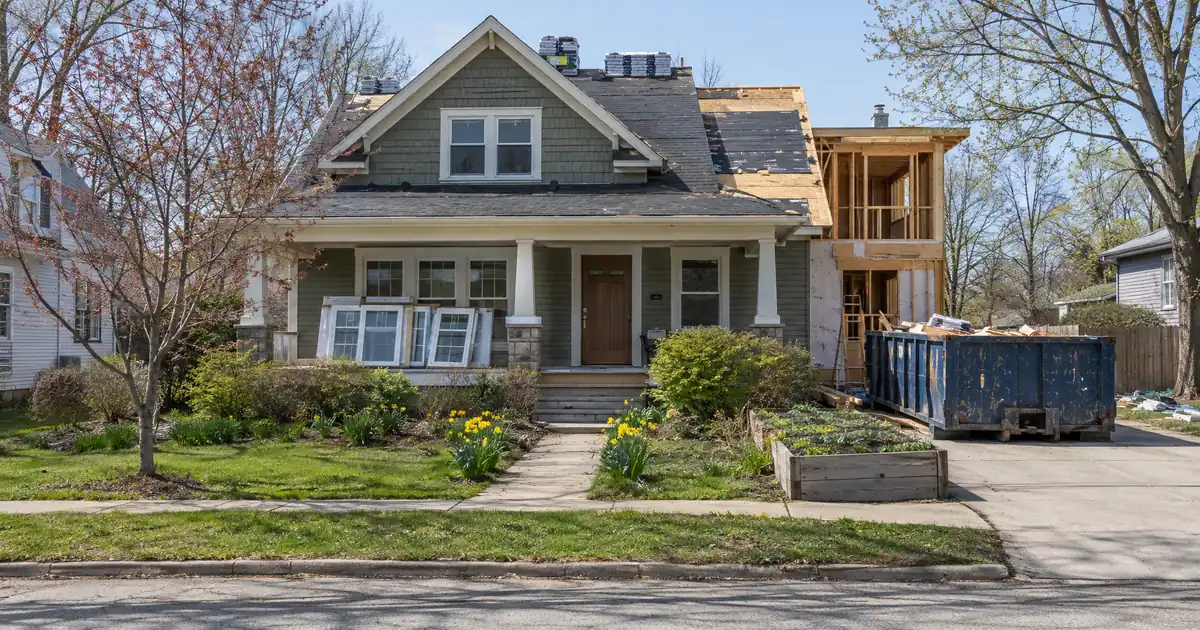
A rehab exit puts the appraisal under more pressure than almost any other DSCR file. The bridge or hard-money payoff is fixed. The value is not. When the appraisal lands under the plan, the gap lands on the investor, and the clock on the short-term loan keeps running. This piece walks through how the file is actually read and what to do in what order. It is written from the broker side, across the wholesale network of DSCR lenders Lendmire works with. Program details change, and every file is reviewed individually, subject to lender guidelines.
DSCR Calculator
Run the numbers in your market
Rate source: Freddie Mac 30-yr average via FRED® — Federal Reserve Bank of St. Louis · effective Oct 22, 2026
Prefilled with starting assumptions — enter your own rent or nightly figures, taxes, insurance, and HOA for a more accurate picture.
Program parameters update from Lendmire’s centralized guideline source. Taxes and insurance are editable estimates.
As of Oct 22, 2026 · General Freddie Mac market benchmark, not a Lendmire loan offer. Rent, nightly rate, occupancy, taxes, and insurance are editable estimates. Short-term rental figures are estimates only and vary significantly by season, property type, management approach, and local short-term-rental rules — confirm local regulations before relying on them. Qualifying income for short-term rentals varies by program — some use appraisal market rent, others use documented STR history or projections — and is confirmed in underwriting. Not a Loan Estimate, approval, or commitment to lend. Program availability and eligibility are subject to lender guidelines, credit approval, property review, and underwriting.
Which Number Missed?
A DSCR appraisal produces two outputs, and they fail in different ways. Diagnose first, because the wrong packet wastes the one real chance you get to push back.
| What missed | What it changes | Typical symptom on a rehab exit |
|---|---|---|
| Value | Loan size through LTV | Loan comes in under the bridge payoff plus costs |
| Market rent | Coverage ratio | Value clears, but coverage falls short of the program floor |
| Both | Loan size and coverage | Smaller loan and thinner coverage at once |
Value drives the leverage test. On a cash-out refinance, most of the network tops out around 75% LTV. If the appraised value comes in light, the maximum loan shrinks while the bridge payoff does not. Every figure here varies by lender and program — guidelines, property type, leverage, and credit profile all apply.
Rent drives the coverage test. For a one-unit property the rent opinion comes on Form 1007, the single-family comparable rent schedule. For two to four units it comes on Form 1025, sometimes paired with Form 216. The coverage ratio compares rent to the full monthly obligation: principal, interest, taxes, insurance, and any HOA dues. Many select programs start at 1.00. A separate select-lender path takes coverage below 1.00, with leverage and terms adjusted.
One trap here. A lower purchase price or extra cash down does not fix a rent miss unless it actually lowers the monthly obligation. And clearing 1.00 is not positive cash flow. Repairs, vacancy, management, utilities, and capex sit outside the calculation.
Which Rent Counts on the File?
The rent that counts is usually the lower of the signed lease or the appraiser’s market rent. That is a program convention, not a regulation, and it varies by program. An above-market lease earns nothing extra.
When there is no lease, the appraiser’s rent opinion is the only number. That is common on a freshly rehabbed property that just finished renovation and sits vacant. Month-to-month tenants work the same way, since market rent often carries those files.
Short-term rentals are their own case. Form 1007 documents monthly market rent. Multiplying a nightly rate by 30 is not valid support. Treatment differs by program, and short-term rental rules can vary by city, county, HOA, and property type, so investors should confirm local rules before relying on projected rental income.
Is It an Error or Just a Lower Opinion?
An error can be fixed. An opinion usually can’t. This triage decides whether a reconsideration request is worth filing.
| Issue in the report | Strength of challenge |
|---|---|
| Wrong square footage, bed/bath count, or lot size | Strongest |
| Completed rehab not seen or recorded | Strong, if documented |
| Weak comps or unsupported adjustments | Moderate |
| Wrong condition rating | Moderate, needs photos |
| “The property is unique” | Weak |
Start with the basics: square footage, bed and bath count, lot size. Then look at the condition rating and ask whether the appraiser saw the finished work. An appraisal ordered before the rehab wrapped, or one that never saw the scope of work, is the classic rehab-exit failure.
Next, check each comp. Does it actually compare? Are the adjustments explained?
How to Build the Reconsideration Packet
A reconsideration of value, or ROV, asks the appraiser to reassess the report. It does not ask for a higher number. Federal guidance on the process exists for regulated lenders, and it is a useful model for good practice even though it does not bind a DSCR lender. Five federal agencies finalized interagency guidance on ROVs, covering policies that let consumers give institutions information not considered during an appraisal. The Federal Reserve‘s SR 24-03 letter defines an ROV as a request from the financial institution to the appraiser, and says it is permissible to ask the appraiser to consider additional, appropriate property information, including comparable properties, or to correct errors.
That shapes the channel. You ask the lender or broker. The lender decides whether to pass the request along and whether to accept a revised value.
Build the packet in this order:
1. Get the full report. Read every page, not just the value conclusion.
2. List the documented errors. Square footage, room counts, lot size, missed improvements. Attach proof for each.
3. Itemize the rehab scope. Include invoices, permits where they exist, and dated photos. Detail on completed work does more than extra comps.
4. Add closed comps. Make them better, not just higher. Similar or lower gross adjustments beat a cherry-picked set of big sales. Renovated comps help point the appraiser at updated sales.
5. Add rent comps if rent is the problem. Lease evidence and nearby rent data go here, not value comps.
6. Submit once, through the lender or broker. You typically get one real shot, so research before filing.
Be honest about outcomes. A reconsideration can raise the value, or it can leave the number unchanged. Nothing about the process guarantees a higher number, and success rates are not something this brokerage can quote.
Run the Break-Even Math Before Choosing a Fix
Know the break-even before you fight, because it tells you how much the fight is worth. The formula is simple:
Break-even appraised value = (bridge payoff + exit costs) ÷ cash-out LTV cap
If the appraisal lands below that figure, the borrower brings cash to closing. The payoff keeps growing while you wait, from interest, extension fees, and other charges. That is why a slow reconsideration is not free.
Use index numbers to see how it moves. Say the break-even works out to 100. An appraisal at 100 or above releases the loan you planned. At 95, the file is five points short and the borrower covers the gap. At 90, the gap doubles. At 105, there is room for some cash back. These are illustrative index points, not market data. Real parameters come from the program in play.
Two cautions. First, if proceeds would exceed the payoff and costs, the file becomes a cash-out and the stricter cash-out rules apply. Second, the figure that sizes the loan may not be the appraised value at all. Early in the hold, many programs size cash-out on cost basis, meaning purchase price plus documented rehab. Seasoning of about 6 months is the common expectation. A strong appraisal then cannot lift the loan above that basis. On those files the fight is over documented rehab spend, not comps.
If the Value Holds, What Are the Exits?
If the value holds, you are choosing which cost to eat. Each option below moves cost, equity, and risk differently.
| Option | Cost | Equity effect | Main risk |
|---|---|---|---|
| Bring cash to close | Cash at closing | Equity stays in the deal | Less capital for the next project |
| Take a smaller loan | Less cash back | Lower leverage | Cash back shrinks, so less capital is freed |
| Payoff-only refinance | No cash back | Stops the bridge clock | Capital stays trapped |
| Extend the bridge, reappraise | Extension fee, more carry | Possible value recovery | Carry keeps growing, no guarantee |
| Sell | Selling costs | Equity realized | Gives up the rental |
Payoff-only is the central fallback. It stops the bridge clock and cleans up the short-term debt, but gives nothing back. Extending the bridge buys time for a second look, at the price of an extension fee and more interest. Selling is a legitimate exit, and sometimes the right one when the numbers no longer support holding.
A fresh start with another lender is also an option. Cost, timing, and whether the new lender sees the prior report are unknowns, so treat it as a backup, not a plan.
Plan for multiple exits before the bridge is taken. Contest the appraisal, be ready to leave some money in the deal, and keep a second path open.
DSCR vs. conventional financing
There are two common ways to finance an investment property, and they qualify you differently — here’s how investors weigh them.
Why investors choose it
- Qualifies on the property’s rental income — no personal tax returns, W-2s, or pay stubs needed to document income.
- No personal debt-to-income ceiling to clear, so existing mortgages and obligations don’t cap your borrowing the same way.
- Can be closed in an LLC, keeping the property inside a business entity.
- Built for scaling — not held to the limit on number of financed properties that conventional financing applies.
- Underwriting centers on the deal: generally qualifies when the rent covers the payment, a 1.00x coverage ratio being a common baseline (confirmed in underwriting).
- Designed specifically for investment property, including long-term and, where the program allows, short-term rentals.
Where it’s strong
- Often the lowest ongoing financing cost for a buyer who fully qualifies on personal income — a fit for a first property or a cost-first purchase.
Trade-offs for investors
- Requires full personal income documentation and must fit within a debt-to-income limit — salary, existing debts, and other mortgages all count.
- Typically held in your personal name rather than a business entity.
- Caps how many financed properties you can carry, which can become a ceiling as a portfolio grows.
- Evaluates you as a borrower as much as the property, which usually means more paperwork.
How investors usually choose: a first or single property often optimizes for the lowest financing cost; portfolio builders often optimize for leverage, vesting in an LLC, and scaling past conventional caps. The right answer depends on your goals, the property, and current guidelines — both paths run through select lenders in Lendmire’s wholesale network, with eligibility and terms confirmed in underwriting.
If Rent Is the Problem
A file can clear leverage and still fail coverage. On those files, rent can cap the loan below the LTV maximum. The fix is rent comps and lease evidence, not value comps.
The levers are narrow. Document the signed lease against market rent and see which one the program uses. Check whether a smaller loan lowers the monthly obligation enough to lift coverage. Ask about structures that adjust the payment, such as an interest-only period, which is available through select lenders in the network. Coverage below 1.00 is also a real path through select lenders, with leverage and terms adjusted. It is a different program, not a lower floor on the same one.
One more edge case. Winning the value fight can lose the coverage fight. A higher appraised value can raise the loan size and push the coverage ratio down. Run both numbers before you push.
Bridge-Maturity Triage
When the bridge maturity date is close, order matters more than polish. Work this sequence:
1. Get an updated payoff statement with a good-through date and per-diem.
2. Ask for an extension while the bridge is still performing. It is easier to request before the loan is stressed.
3. Line up a backup path. A payoff-only refinance or a second lender, in case the value holds.
4. Coordinate title and lien release logistics so a revised file does not stall on paperwork.
5. Check prepayment terms on the bridge so you know what exit actually costs.
Common Mistakes
- Contacting the appraiser directly. The request runs through the lender.
- Ordering the appraisal before the rehab is finished.
- Arguing opinion instead of documenting errors.
- Testing the plan only at the projected after-repair value, not at a haircut.
- Missing the bridge maturity date while waiting on a review.
- Assuming a DSCR loan means no appraisal. Qualification runs on the property’s income, and the property is still valued and its rent documented.
Prevention: Stress-Test Before the Bridge
Before taking the short-term loan, run the exit at a value haircut and at a rent haircut. Set the bridge term with room to spare. Document the rehab as it happens, with dated photos, invoices, and permits. Keep purchase plus rehab comfortably under the projected value, since a thin margin turns a modest miss into cash due at closing.
For the wider picture on programs, leverage, and reserves, see Lendmire’s complete DSCR loans guide. For the refinance side of a low value, Lendmire’s piece How to Respond When a Rental Cash-Out Refinance Appraisal Comes In Low covers the same mechanics outside the rehab context.
Key Terms Defined
- Reconsideration of value (ROV): A written request, routed through the lender, asking the appraiser to reassess the report based on errors or new information.
- Market rent: The appraiser’s opinion of what the property would rent for, documented on Form 1007 or Form 1025.
- Payoff-only refinance: A loan sized to retire the bridge debt and costs, with no cash back to the borrower.
- Seasoning: The ownership period a lender expects before sizing a loan on appraised value instead of cost basis.
- Break-even appraisal: The lowest appraised value at which the new loan covers the bridge payoff and exit costs.
- Coverage ratio: Monthly rent divided by the full monthly obligation of principal, interest, taxes, insurance, and any HOA dues.
Frequently Asked Questions
Can I talk to the appraiser directly?
No. The request goes through the lender or broker, and the lender decides whether to pass it along.
Will a reconsideration raise the value?
Not necessarily. It asks for a reassessment, and the value may hold or move. Documented factual errors and missed completed work give it the best chance. Opinion disputes usually lose.
Does a coverage ratio of 1.00 mean the property cash flows?
No. The ratio compares rent to principal, interest, taxes, insurance, and HOA dues only. Repairs, vacancy, management, utilities, and capex are not in it.
What if my bridge loan matures before the review finishes?
Ask for an extension while the loan is still performing, and line up a payoff-only refinance as a backup. Extension fees and added interest are the price of waiting, which is why the break-even math comes first.
Which rent does the lender use, the lease or the appraisal?
On most programs, the lower of the signed lease or the appraiser’s market rent. When there is no lease, market rent is the only number. Exact treatment varies by program.
If you are buying or refinancing a rental property and want to see how the numbers work, Lendmire can help you compare DSCR loan options based on the property income, credit profile, leverage, and investor goals. Tax treatment varies; consult a qualified professional.
About Lendmire
Lendmire (NMLS# 2371349) is a mortgage brokerage focused on DSCR investor financing, helping arrange programs through wholesale and investor-lending channels in 41 markets, including Washington, D.C. DSCR loans are evaluated by the lender on property cash flow rather than personal income, subject to lender guidelines, supporting LLC closings and accommodating investors with four or more financed properties. Scotsman Guide Top Mortgage Workplace in both 2025 and 2026.
Get Started
Ready to find the right loan for you?
In about 30 seconds you can review financing options available for your investment property. No commitment required.
Informational only. Not a Loan Estimate, approval, or commitment to lend. Program availability and eligibility are subject to lender guidelines, credit approval, property review, and underwriting.
References
1. OCC joint release on ROV guidance
This article is part of Lendmire’s DSCR loan program — full qualification details, guidelines, and scenarios live on the program page.
Related reading: 40-Year DSCR vs Fix-and-Flip Loan for an LLC: Exit Plan · Interest-Only Hard Money vs DSCR Loan for a BRRRR Rehab: Exit Timing · Is a DSCR Loan the Usual Exit for a Kept Single-Family Flip?
Brandon Miller
Founder & CEO, Mortgage Loan Originator, Lendmire LLC
- Mortgage Loan Originator · NMLS# 1129696 · Verify on NMLS Consumer Access
- North Carolina Real Estate Broker · License# 343312 · Verify on NCREC
- North Carolina Insurance Producer · License# 19053198 · Property, Casualty, Life, Health · Verify on NAIC SBS
- Lendmire LLC · Firm NMLS# 2371349 · Verify firm licensure
Required disclosures. Lendmire (NMLS# 2371349) operates as a licensed mortgage broker, not a direct lender or depository. The discussion in this article is general in nature and should not be relied upon as financial, legal, or tax advice — every investment scenario is unique and should be reviewed by a qualified professional. Any loan inquiry is subject to lender underwriting, and this article is not a commitment to lend or a guarantee of approval. Mortgage rates, loan terms, and program guidelines vary by borrower, property, and state, and may change without notice. Equal Housing Opportunity. Verify licensure at NMLS Consumer Access.