
The Quick Read: Sometimes, yes: the ten-property count does not govern DSCR loans, but pending litigation in the building is a separate project-level review that a DSCR lender decides, and it can stop the deal on its own. Those are two independent questions. Passing one tells you nothing about the other.
- The ten-financed-property limit is a conventional agency rule, not a DSCR rule.
- Litigation is judged at the building level, not at your unit or your portfolio level.
- The kind of lawsuit matters more than the fact of a lawsuit.
- Strong rent does not cure association litigation.
- Even with no hard count, a lender still reviews your credit, reserves, and total exposure.
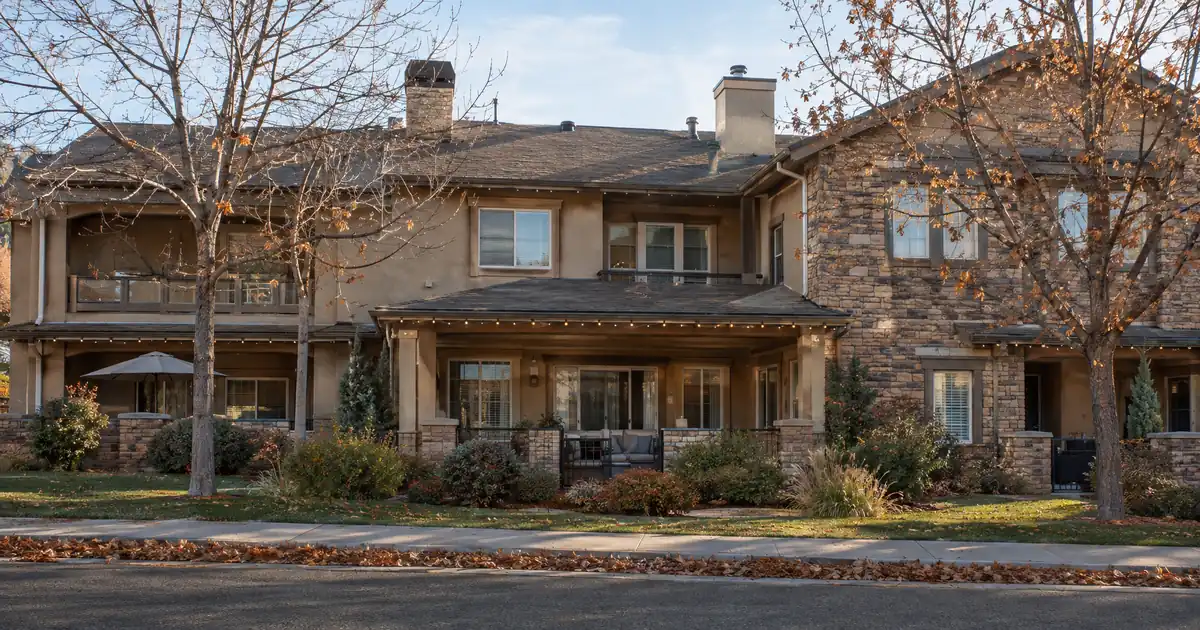
Picture an investor with ten rentals who finds a condo priced well below its neighbors. The discount exists because the association is in a lawsuit. The investor assumes DSCR will smooth it over. Sometimes it does. Often it does not. Here is how to tell the difference before you spend money on an appraisal.
DSCR Calculator
Run the numbers in your market
Rate source: Freddie Mac 30-yr average via FRED® — Federal Reserve Bank of St. Louis · effective Oct 15, 2026
Prefilled with starting assumptions — enter your own rent or nightly figures, taxes, insurance, and HOA for a more accurate picture.
Program parameters update from Lendmire’s centralized guideline source. Taxes and insurance are editable estimates.
As of Oct 15, 2026 · General Freddie Mac market benchmark, not a Lendmire loan offer. Rent, nightly rate, occupancy, taxes, and insurance are editable estimates. Short-term rental figures are estimates only and vary significantly by season, property type, management approach, and local short-term-rental rules — confirm local regulations before relying on them. Qualifying income for short-term rentals varies by program — some use appraisal market rent, others use documented STR history or projections — and is confirmed in underwriting. Not a Loan Estimate, approval, or commitment to lend. Program availability and eligibility are subject to lender guidelines, credit approval, property review, and underwriting.
Why Ten Isn’t the Real Limit
The number ten comes from conventional lending. Fannie Mae’s Selling Guide caps the number of financed properties a borrower can carry on loans that run through its automated underwriting. That is an agency purchase rule. It is not a law, and it does not travel to loans built on a different footing.
DSCR loans are one of those. DSCR stands for debt service coverage ratio. It compares a property’s monthly rent to its monthly payment of principal, interest, taxes, insurance, and any association dues (PITIA). A DSCR file qualifies primarily on property-level rental income covering the payment, subject to lender guidelines. So the eleventh door is judged like the third: one property, its rent, its payment.
Lendmire’s complete DSCR loans guide covers the mechanics. The short version for this article is that the count stops mattering once you leave conventional loans. Other things start mattering.
What the Real Limits Are at Door Eleven and Beyond
No agency count does not mean no limits. Across the wholesale network Lendmire works through, lenders still review your credit, your cash reserves, and the property. Most programs want a score around 660. A 620 floor exists in parts of the network, and 700 or higher opens the strongest leverage tiers. Reserves commonly run about 6 months of PITIA, stepping up to roughly 9 months on loans above $1,500,000, and they vary by lender, leverage, and transaction type.
Then there is exposure. A lender may limit how many loans it holds with one borrower, or how much total balance. Forming a new LLC does not reset that picture, since the lender looks through the entity to the guarantor behind it. Exposure policies differ by lender, and a building in litigation can sharpen the review. Lendmire’s piece Can an LLC Portfolio Scale Past Ten Financed Properties on a DSCR Loan? goes deeper on entity structure.
Leverage and coverage still apply per property. On a purchase, most files land at 75%–80% LTV (loan-to-value, the loan as a percentage of the price). Select programs reach 85% on a purchase with roughly a 700 score. A cash-out refinance tops out around 75% LTV. One select-program starting point for coverage is 1.00, and stronger ratios open better pricing and leverage. A separate select-lender path takes coverage below 1.00, with leverage and terms adjusted.
How Litigation Changes a Condo File
Litigation turns a condo from a property question into a building question. The lender is no longer asking only whether your unit rents well. It is asking whether the association can stand behind the building.
The terms come from conventional lending, so define them first. A warrantable condo project meets agency rules. A non-warrantable one does not, and pending litigation is one common reason. Fannie Mae’s rules on ineligible projects treat a project as ineligible when the association or developer is a party to litigation tied to safety, structural soundness, habitability, or functional use. They also treat expected litigation, such as mediation or arbitration likely to become a lawsuit, the same way.
Here is the part that matters for you. That is an agency rule. DSCR lenders in the network run their own project review, so a non-warrantable building is not automatically ineligible. The trade-off is a smaller pool of lenders and, often, lower maximum leverage.
| Issue | Blocks agency loans | Blocks DSCR loans |
|---|---|---|
| Safety or structural lawsuit | Yes | Often, lender by lender |
| Minor or unrelated claim | Case by case | Usually reviewable |
| Rental ban in the building | Not the core issue | Yes, no lender fixes it |
| Mandatory rental pool or condo-hotel | Yes | Typically a hard block |
Not All Lawsuits Look Alike
Think of severity in four questions:
1. What is the claim about? Structural defects or life-safety problems are the hardest. A contractor payment dispute is a different animal.
2. Is there a defined dollar figure? A lawsuit with no stated repair cost leaves the lender guessing at the exposure.
3. Who is the defendant? A suit against the developer lands differently than one against the association itself.
4. Is it active or settled? Resolved cases, especially with repairs completed, change the picture. A project can stay ineligible under agency rules until critical repairs are done, as KSN Law’s summary of Fannie Mae’s condo guidance explains.
Structural suits with no defined repair number are the hardest to place. Minor claims are the easiest. Most buildings sit somewhere between.
What the Lender Will Ask For
The lender orders a condo questionnaire, which the association must complete. It asks the association to disclose pending litigation. Accuracy matters here: a questionnaire answered carelessly can change the loan, and a false answer is a serious problem for everyone who relies on it. Treat it as a real document, not a formality.
Expect requests for more than the form. Lenders may look at HOA meeting minutes, financial statements, and engineer’s reports when the questionnaire leaves gaps. DSCR lenders commonly ask for similar items. Think of that as a typical pattern, not a fixed Lendmire checklist.
Sequence your requests this way:
1. Ask the listing side for the questionnaire early, and for the association’s litigation disclosure.
2. Request the budget, reserve study, and recent meeting minutes.
3. Ask whether any special assessment has been proposed or levied.
4. Ask for the engineer’s report if the suit involves construction.
5. Only then pay for an appraisal.
Special assessments deserve their own warning. They hit cash and reserves directly, and they can scare off a buyer. One BiggerPockets thread, as Lendmire’s high-rise condo page describes, involved an investor backing out after a $40,000-per-unit assessment surfaced. It is an anecdote, not a statistic, but it shows how fast a bad building changes the math.
The Ratio Is a Separate Test
Clearing the project review does not fix a weak ratio. Failing it does not mean the unit lacks cash flow. These are different tests, and a strong file clears both: enough equity and enough rental coverage.
Association dues sit inside PITIA, so they pull the ratio down directly. A larger down payment lowers the payment and can lift the ratio. It never erases leverage caps, credit floors, reserve rules, or property eligibility.
One more caution. Clearing 1.00 is not the same as positive cash flow. DSCR counts rent against PITIA only. Repairs, vacancy, management, utilities, and capital expenses sit outside the calculation. A litigated building raises the odds of a special assessment, which is exactly the kind of cost the ratio never sees.
A Worked Scenario
Say you own ten financed rentals and you are eyeing an eleventh, a condo in a mid-rise whose association is in a lawsuit over a defective roof system. Run it this way, using modeled assumptions rather than market facts.
Assume the unit rents well and coverage on the purchase lands around 1.25x before you account for dues. Dues pull that toward 1.10x. On paper, the ratio works.
Now the project review. The lawsuit is structural, and the repair cost has no defined figure. Many lenders in the network will decline that building. A few may review it, probably at lower leverage than the usual 75%–80% on a purchase, with adjusted terms and added reserves. The ratio did not change. The building did.
Your decision path has three branches:
- Proceed only if a lender actually reviews the building and the adjusted leverage still makes sense for your cash.
- Restructure by choosing a larger down payment, or pairing the purchase with a cleaner asset first.
- Walk if the questionnaire reveals a defined structural claim and no lender will touch it.
One working-broker observation: files like this usually fail on the building, not the borrower. Investors with ten clean doors and strong reserves still get stopped by a single association document. Getting the questionnaire before you commit saves the most grief.
DSCR vs. conventional financing
There are two common ways to finance an investment property, and they qualify you differently — here’s how investors weigh them.
Why investors choose it
- Qualifies on the property’s rental income — no personal tax returns, W-2s, or pay stubs needed to document income.
- No personal debt-to-income ceiling to clear, so existing mortgages and obligations don’t cap your borrowing the same way.
- Can be closed in an LLC, keeping the property inside a business entity.
- Built for scaling — not held to the limit on number of financed properties that conventional financing applies.
- Underwriting centers on the deal: generally qualifies when the rent covers the payment, a 1.00x coverage ratio being a common baseline (confirmed in underwriting).
- Designed specifically for investment property, including long-term and, where the program allows, short-term rentals.
Where it’s strong
- Often the lowest ongoing financing cost for a buyer who fully qualifies on personal income — a fit for a first property or a cost-first purchase.
Trade-offs for investors
- Requires full personal income documentation and must fit within a debt-to-income limit — salary, existing debts, and other mortgages all count.
- Typically held in your personal name rather than a business entity.
- Caps how many financed properties you can carry, which can become a ceiling as a portfolio grows.
- Evaluates you as a borrower as much as the property, which usually means more paperwork.
How investors usually choose: a first or single property often optimizes for the lowest financing cost; portfolio builders often optimize for leverage, vesting in an LLC, and scaling past conventional caps. The right answer depends on your goals, the property, and current guidelines — both paths run through select lenders in Lendmire’s wholesale network, with eligibility and terms confirmed in underwriting.
Portfolio-Level Effects
Litigation does not stay inside the unit. It reaches your portfolio in three ways.
Exit and refinance. A non-warrantable unit has fewer future buyers, because buyers face the same financing limits. At door eleven and beyond, a litigated condo may also be harder to refinance out of. That matters because cash-out on seasoned doors, with about 6 months of seasoning as the common expectation, is how many investors fund the next purchase. A unit you cannot refinance is capital you cannot recycle.
Concentration. Owning several units in one troubled building stacks the same risk. Several triggers can also stack in one building: thin reserves, heavy investor ownership, and litigation together. Litigation is only one cause of non-warrantable status, and a non-warrantable condo is not the same thing as a condo-hotel.
Structure. Whether to hold a litigated unit alongside cleaner assets is a structuring question to settle with a broker before you apply. It is not a rule with one right answer.
Hard blocks sit outside all of this. DSCR cannot override a rental ban, and condo-hotel or mandatory-rental-pool structures are harder blocks than litigation. Also remember that DSCR is for investment properties only. It is not available for a primary residence.
If the File Doesn’t Work
You have three honest exits:
- Buy a different unit in a clean building. The ratio math may be nearly identical.
- Substitute another asset type. A small multifamily or single-family rental avoids the project review entirely.
- Adjust the structure. More down payment, a different lender in the network, or a different term structure may fit. Extended terms and interest-only periods are available through select lenders.
Not every property qualifies. Manufactured homes, log homes, and barndominiums are not offered in the network, so swapping to one of those is not a fix.
Common Misconceptions
DSCR has no limits at all. It has no agency-wide count rule. Each program still sets limits and overlays.
Non-warrantable means ineligible. Not for DSCR. Each lender decides case by case.
Strong rent overrides project risk. Rent does not cure association litigation or common-area problems.
All litigation is the same. A minor claim and a structural suit are reviewed very differently.
The questionnaire is a formality. It can change the loan.
DSCR means no personal review. Credit and reserves are still reviewed.
Key Terms Defined
Non-warrantable condo: a condo project that falls outside agency rules, often because of litigation, thin reserves, or heavy investor ownership.
Condo questionnaire: the form the association completes to disclose litigation, finances, and ownership mix.
Exposure limit: the total number of loans or dollar balance a lender will hold with one borrower.
Seasoning: the waiting period a lender wants between buying a property and refinancing it.
PITIA: principal, interest, taxes, insurance, and association dues, the full monthly payment used in the ratio.
Frequently Asked Questions
Is there a limit on how many DSCR loans I can have?
No agency count applies, but each lender sets its own limits. Lenders review credit, reserves, and total exposure to one borrower. Programs and overlays vary, so confirm with the lenders reviewing your file.
Does a lawsuit automatically disqualify a condo?
No. Conventional agency rules often rule out buildings with safety or structural litigation, but DSCR lenders run their own review. Structural suits with no defined repair cost are the hardest to place. Minor claims are easier.
Do LLCs reset the count?
Not in any way that matters to a lender. The lender looks through the entity to the guarantor, subject to program terms. Exposure is typically viewed at the borrower level.
Can I buy while litigation is pending?
Sometimes, if a lender in the network reviews the building and accepts it. Expect a smaller lender pool and often lower leverage. Get the questionnaire before you commit.
Does strong rent fix a litigated building?
No. Rent affects the coverage ratio, not the project review. A building can fail the review even when the unit’s ratio looks healthy.
If you are buying or refinancing a rental property and want to see how the numbers work, Lendmire can help you compare DSCR loan options based on the property income, credit profile, leverage, and investor goals. Program details are subject to lender guidelines and are not a commitment to lend.
About Lendmire
Lendmire (NMLS# 2371349) is a DSCR-focused mortgage broker that helps arrange investor financing across 41 markets, including Washington, D.C., through wholesale and investor-lending channels. DSCR eligibility is generally reviewed by the lender around the property’s rental income rather than personal income documentation, subject to lender guidelines — which works for self-employed investors, LLC operators, and portfolios above four financed properties. Scotsman Guide named Lendmire a Top Mortgage Workplace in both 2025 and 2026.
Get Started
Ready to find the right loan for you?
In about 30 seconds you can review financing options available for your investment property. No commitment required.
Informational only. Not a Loan Estimate, approval, or commitment to lend. Program availability and eligibility are subject to lender guidelines, credit approval, property review, and underwriting.
References
1. Fannie Mae Selling Guide: Multiple Financed Properties
2. Fannie Mae Selling Guide: Ineligible Projects
3. KSN Law on Fannie Mae condo guidance
This article is part of Lendmire’s DSCR loan program — full qualification details, guidelines, and scenarios live on the program page.
Related reading: Can a Condo Be Refinanced on DSCR Before Any Rent Is Collected? · Can You Get a DSCR Loan With an Unrecorded Lease Option? · How an Insurance Increase on an Older Roof Moves DSCR
Brandon Miller
Founder & CEO, Mortgage Loan Originator, Lendmire LLC
- Mortgage Loan Originator · NMLS# 1129696 · Verify on NMLS Consumer Access
- North Carolina Real Estate Broker · License# 343312 · Verify on NCREC
- North Carolina Insurance Producer · License# 19053198 · Property, Casualty, Life, Health · Verify on NAIC SBS
- Lendmire LLC · Firm NMLS# 2371349 · Verify firm licensure
Important disclosures. Lendmire (NMLS# 2371349) is a licensed mortgage brokerage. Lendmire is not a direct lender, depository institution, or financial advisor. All loan inquiries are subject to lender underwriting; this article does not constitute a commitment to lend. Rates, terms, and program guidelines are subject to change without notice and vary by borrower profile, property type, and state. Information in this article is general in nature and is not financial, legal, or tax advice. Equal Housing Opportunity. NMLS Consumer Access: nmlsconsumeraccess.org.