
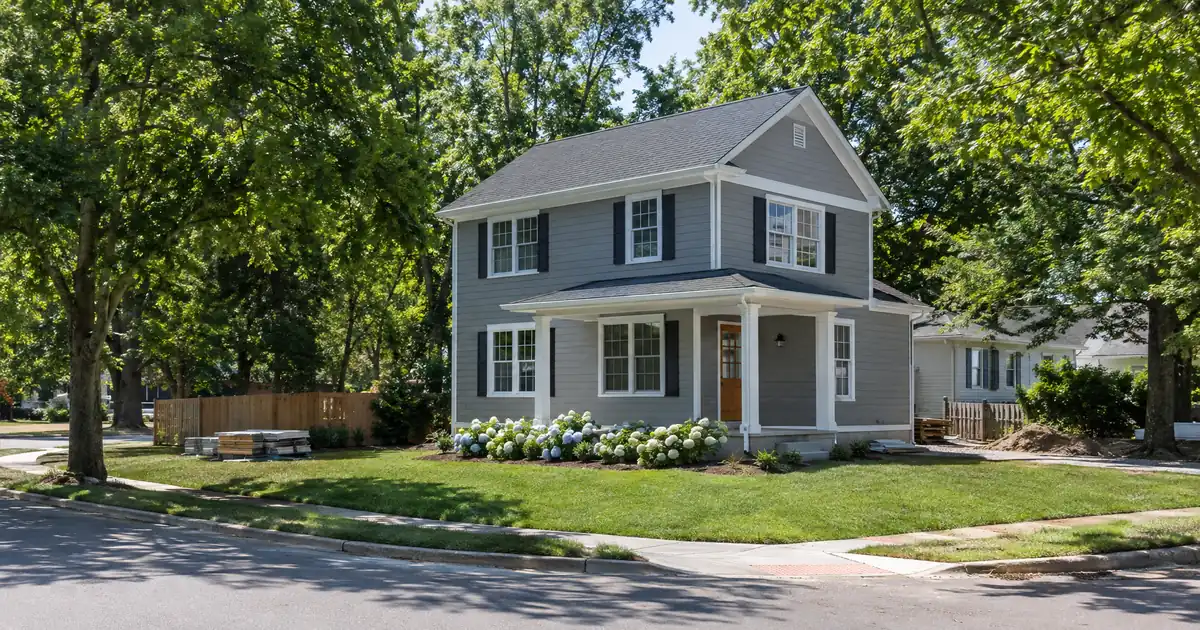
The Quick Read: A value appeal is the right first move when the appraisal contains a documented error, and a second appraisal is a lender-discretion tool for when the evidence is strong but the first report will not move. On a DSCR cash-out after rehab, the appraised value sets the loan size, so a modest miss shrinks your proceeds by a multiple of the miss.
- A value appeal (a reconsideration of value) sends your evidence back to the original appraiser. It costs little and works best on factual errors.
- A second appraisal is a new report from a different appraiser. It is not a right, it costs a new fee, and it can confirm the low number.
- Cash-out on a standard rental tops out around 75% LTV, so every dollar of lost value cuts proceeds at that ratio.
- Seasoning of about 6 months can matter more than either tool, because it decides which value sizes the loan.
- A value appeal does not fix a low rent opinion. Rent needs its own evidence. Terms vary by lender guidelines, property type, leverage, credit profile, and full file review.
The honest answer on who each option is for: the appeal is for the investor holding specific, verifiable errors, such as wrong square footage, finished work the appraiser never saw, or missed comparable sales. The second appraisal is for the investor with strong evidence, a meaningful gap, and room in the bridge timeline to absorb a new fee and a delay. Plenty of files should do neither and restructure instead.
DSCR Cash-Out Calculator
Run the cash-out numbers in your market
Rate source: Freddie Mac 30-yr average via FRED® — Federal Reserve Bank of St. Louis · effective Oct 29, 2026
Prefilled with starting assumptions — enter your property’s value, balance, taxes, and insurance for a more accurate picture.
Program parameters update from Lendmire’s centralized guideline source. Taxes and insurance are editable estimates.
As of Oct 29, 2026 · General Freddie Mac market benchmark, not a Lendmire loan offer. Property value, balance, taxes, and insurance are editable estimates. Maximum loan-to-value varies by lender, program, property type, and seasoning. Not a Loan Estimate, approval, or commitment to lend. Program availability and eligibility are subject to lender guidelines, credit approval, property review, and underwriting.
Side-by-Side
Lendmire’s wholesale network places both paths, and the other column reflects published industry norms. Policies on re-ordering vary by lender and program.
| Factor | Value Appeal (ROV) | Second Appraisal |
|---|---|---|
| Who initiates | Borrower asks, lender submits | Lender decides |
| What it is | Same appraiser re-reviews | New report, new appraiser |
| Evidence needed | Errors, omissions, missed comps | Strong case the first report is flawed |
| Cost to you | Usually low | New appraisal fee |
| Can value change | Up, down, or hold | Up, down, or confirm |
| Lender’s treatment of two values | Not applicable | Set by lender policy |
| Fixes a rent miss | Only with separate rent evidence | Produces a new rent opinion |
| Entity vesting | No difference | No difference |
| Reserve impact | None directly | None directly |
| Right to one | None under DSCR | None under DSCR |
Why the Rehab Changes the Math
On a rehab refinance, two outputs come out of the appraisal. One is value, which sets maximum loan size through the LTV cap. The other is market rent, which sets coverage. Think of them as separate dials. Your own after-repair value estimate is never an underwriting input. Exact terms depend on the lender’s guidelines, property type, leverage, and a full review of the borrower’s file.
Value flows into proceeds in a straight line: appraised value times the LTV cap, less the bridge payoff and costs. Cash-out on standard rental collateral tops out around 75% LTV across most of the network. A short appraisal therefore hits the cash-out line first. Every figure here varies by lender and program — guidelines, property type, leverage, and credit profile all apply.
Then there is the break-even appraisal. Add the bridge or hard-money payoff and closing costs, divide by the LTV cap, and you have the value below which cash-out vanishes. Run that number before you decide anything. If the low appraisal still clears it, the fight is about how much cash you take out. If it falls below, the file becomes payoff-only or needs cash in.
Seasoning complicates this. About 6 months of ownership, measured from title recording, is the common expectation for cash-out. Inside that window, some lenders size the loan on purchase price plus documented rehab cost instead of appraised value. Neither an appeal nor a second appraisal lifts a loan that is not sized on the appraisal. Check this before you spend anything. Lendmire’s piece DSCR Cash-Out on a Second Appraisal vs Seasoning for Higher Value covers that tradeoff in depth.
When a Value Appeal Is the Better Fit
Choose the appeal when you can point to a specific, provable problem. The CFPB’s own description of a reconsideration of value lists factual errors or omissions, inadequate comparable properties, and evidence of prohibited bias as the grounds. Those are the right tests for a rehab file too.
Strong rehab-file evidence looks like this:
- An itemized scope of work with permits, invoices, and before-and-after photos, showing finished work the report did not credit.
- Closed sales in the immediate area that the appraiser missed, dated before the report.
- A square-footage, bedroom-count, or unit-configuration error with proof.
- A rent comparison, if rent is the problem, built from signed leases and nearby listings.
Weak evidence is just as clear. Rehab spend alone does not prove value, because cost is not value. Wanting a higher number to make the deal work is not a valid ground. And if the appraiser simply chose different comps, the appeal generally goes nowhere.
The mechanics matter. The request goes through your lender or broker, never straight to the appraiser. The interagency guidance on reconsiderations of value describes the process as an institution’s request that the appraiser reassess the report based on deficiencies or new information. Outcomes are a revised value or an unchanged value with an explanation. Whether a non-agency DSCR lender runs one is lender policy, not a borrower right. Lenders should have a clear method for handling these requests, and you should ask for theirs up front.
Ask for the report itself, too. A copy of the appraisal is customarily provided, and Regulation B’s appraisal-copy rule is the general reference point. Do not assume the rule applies to your business-purpose file one way or the other. Just request the report and read it line by line against your rehab file.
When a Second Appraisal Is the Better Fit
Choose a second appraisal when the evidence is strong, the gap is large enough to pay for, and the appeal path is closed or has already failed. The same federal guidance treats a second appraisal as a separate remedy from an appeal, not a synonym. It is a fresh valuation by a different appraiser, and it is generally the lender’s call.
It also carries real risk:
- Two values, one decision. The lender decides how to treat them. It might use the lower, use the more reliable, or reconcile them. Anecdotally, some may average. Ask before you order.
- It can come in low again. You may pay a second fee for the same answer, or a worse one.
- Carry keeps running. Your bridge note accrues interest while you wait, so the delay has a cost beyond the fee.
- Fee refundability is lender policy. Do not assume you get anything back.
Here is a worked comparison using ratios only. Say the first report lands well short of the value you expected, and you have clean evidence of missed comps. If the appeal succeeds, value rises and so does the cash-out line at the 75% cap. If the appeal fails and a second appraisal confirms the low number, you have paid twice and lost time. If the second report lands higher but the lender counts the lower value, nothing changes. A second appraisal pays for itself only when the value gap, multiplied by the LTV cap, clearly exceeds the new fee plus the carry during the delay.
This is a genuine toss-up on mid-sized gaps. A small miss rarely justifies the fee. A large miss with documented errors usually deserves an appeal first and a second appraisal only if the lender allows one.
Rent Is a Separate Problem
An appeal about value does nothing for a low rent opinion. On a one-unit property, the rent opinion comes from the rent schedule; on 2-4 units, from the rent schedule inside the small-income-property report. Those forms are standard appraisal forms, and DSCR practice borrows them because the rent opinion drives coverage. Agency rules themselves do not govern DSCR files.
Coverage is monthly rent divided by the full monthly obligation, meaning principal, interest, taxes, insurance, and any HOA dues. Select programs start at 1.00, and stronger ratios open better terms and leverage. A separate path through select lenders in the network takes coverage below 1.00, with leverage and terms adjusted. Clearing 1.00 is not the same as positive cash flow, because repairs, vacancy, management, and utilities sit outside the calculation.
If rent is the miss, document it separately: a signed lease at the new rent, deposit proof, and nearby rent comps. Lease in place before the refinance appraisal is the cleanest fix. A smaller loan can also lower the payment and help coverage, though it reduces cash-out.
Decision Rule
Use this order:
1. Pull the report and compare it to your rehab file line by line.
2. Calculate the break-even appraisal from your bridge payoff, costs, and the 75% cash-out cap.
3. If you hold a provable error, file the appeal through the lender with the full evidence packet.
4. If the appeal fails and the gap is large, ask the lender whether a second appraisal is allowed and how two values are treated, before you pay.
5. If the gap is small, or the file is inside the seasoning window, skip both and restructure. Final terms depend on lender guidelines, property type, leverage, and the borrower’s complete credit picture.
DSCR vs. conventional financing
There are two common ways to finance an investment property, and they qualify you differently — here’s how investors weigh them.
Why investors choose it
- Qualifies on the property’s rental income — no personal tax returns, W-2s, or pay stubs needed to document income.
- No personal debt-to-income ceiling to clear, so existing mortgages and obligations don’t cap your borrowing the same way.
- Can be closed in an LLC, keeping the property inside a business entity.
- Built for scaling — not held to the limit on number of financed properties that conventional financing applies.
- Underwriting centers on the deal: generally qualifies when the rent covers the payment, a 1.00x coverage ratio being a common baseline (confirmed in underwriting).
- Designed specifically for investment property, including long-term and, where the program allows, short-term rentals.
Where it’s strong
- Often the lowest ongoing financing cost for a buyer who fully qualifies on personal income — a fit for a first property or a cost-first purchase.
Trade-offs for investors
- Requires full personal income documentation and must fit within a debt-to-income limit — salary, existing debts, and other mortgages all count.
- Typically held in your personal name rather than a business entity.
- Caps how many financed properties you can carry, which can become a ceiling as a portfolio grows.
- Evaluates you as a borrower as much as the property, which usually means more paperwork.
How investors usually choose: a first or single property often optimizes for the lowest financing cost; portfolio builders often optimize for leverage, vesting in an LLC, and scaling past conventional caps. The right answer depends on your goals, the property, and current guidelines — both paths run through select lenders in Lendmire’s wholesale network, with eligibility and terms confirmed in underwriting.
If Both Fail
Plan for this before you start. A reduced value can leave the new loan smaller than the bridge payoff, which removes cash-out entirely. Options include a bridge extension, a cash-in refinance, a smaller draw, or a payoff-only structure. Switching lenders means a new appraisal and new fees, so treat it as a last resort. Lendmire’s broker network can compare structures across lenders, which is the practical advantage over working one lender’s rules.
Plan bridge terms to cover seasoning plus an appeal cycle. Files that assume the first appraisal lands on target are the ones that stall.
Key Terms Defined
- Reconsideration of value (value appeal): A request that the original appraiser reassess the report based on errors or new information.
- Second appraisal: A new report from a different appraiser, ordered at the lender’s discretion.
- Break-even appraisal: The value at which payoff plus costs equals the maximum loan, leaving zero cash-out.
- Seasoning: The ownership period, about 6 months on most cash-out files, measured from title recording.
- Market rent: The appraiser’s rent opinion, which drives the coverage ratio.
Balanced Verdict
Appeal first when you hold documented errors. It is cheaper, less disruptive, and fits the evidence-first logic lenders expect. Order a second appraisal only when the gap is large, the lender permits it, and you understand how two values will be reconciled. Skip both when the gap is small or seasoning is the real constraint. Whatever you choose, treat the process as a test of your paper, not an entitlement. For the broader program picture, see the complete DSCR loans guide.
If you are refinancing a rental property after a rehab and want to see how the numbers work, Lendmire can help you compare DSCR loan options based on the property income, credit profile, leverage, and investor goals. Qualification is subject to lender guidelines and is not a commitment to lend.
Frequently Asked Questions
Is a value appeal the same as a second appraisal?
No. A value appeal sends your evidence back to the original appraiser for reassessment. A second appraisal is a new report by a different appraiser, ordered at the lender’s discretion.
Can a second appraisal come in lower?
Yes. A different appraiser may choose different comps and land lower. Depending on lender policy, the lower value may govern, so you can pay a new fee and end up worse off.
Does the lender have to use the higher value?
No. How two values are treated is lender policy. Options include using the lower, using the more reliable report, or reconciling them. Ask before ordering.
Does my rehab spend count as value?
Not directly. Improvements may support a higher appraised value, depending on comps and underwriter review. Permits, invoices, and photos help the appraiser see the work, but cost is not value.
Will an appeal help if the issue is rent?
Not by itself. Rent is a separate output of the appraisal. Document it with a signed lease, deposit proof, and rent comps, and raise it as its own issue.
A deeper walk-through of investment-property equity extraction lives in Lendmire’s guide to cash-out refinance on an investment property.
About Lendmire
Lendmire (NMLS# 2371349) is a mortgage brokerage built around DSCR investor lending, with programs available in 41 markets, including Washington, D.C. DSCR lenders commonly evaluate rental-income coverage instead of personal income paperwork — a practical fit for LLC-owned and multi-property investors. Terms vary by lender, property, leverage, and program. Scotsman Guide named Lendmire a Top Mortgage Workplace in both 2025 and 2026.
Get Started
Ready to find the right loan for you?
See your offer in seconds. No credit pull, no obligation.
Informational only. Not a Loan Estimate, approval, or commitment to lend. Program availability and eligibility are subject to lender guidelines, credit approval, property review, and underwriting.
References
2. Interagency Guidance on Reconsiderations of Value
This article is part of Lendmire’s investment property cash-out refinance program — full qualification details, guidelines, and scenarios live on the program page.
Related reading: Can a DSCR Lender Do a High-LTV Cash-Out on a Rental? · Should a Paid-Off Rental Use DSCR Cash-Out or a Second Lien? · Can You Get a DSCR Cash-Out on a Fourplex Without Written Leases?
Brandon Miller
Founder & CEO, Mortgage Loan Originator, Lendmire LLC
- Mortgage Loan Originator · NMLS# 1129696 · Verify on NMLS Consumer Access
- North Carolina Real Estate Broker · License# 343312 · Verify on NCREC
- North Carolina Insurance Producer · License# 19053198 · Property, Casualty, Life, Health · Verify on NAIC SBS
- Lendmire LLC · Firm NMLS# 2371349 · Verify firm licensure
Required disclosures. Lendmire (NMLS# 2371349) operates as a licensed mortgage broker, not a direct lender or depository. The discussion in this article is general in nature and should not be relied upon as financial, legal, or tax advice — every investment scenario is unique and should be reviewed by a qualified professional. Any loan inquiry is subject to lender underwriting, and this article is not a commitment to lend or a guarantee of approval. Mortgage rates, loan terms, and program guidelines vary by borrower, property, and state, and may change without notice. Equal Housing Opportunity. Verify licensure at NMLS Consumer Access.