
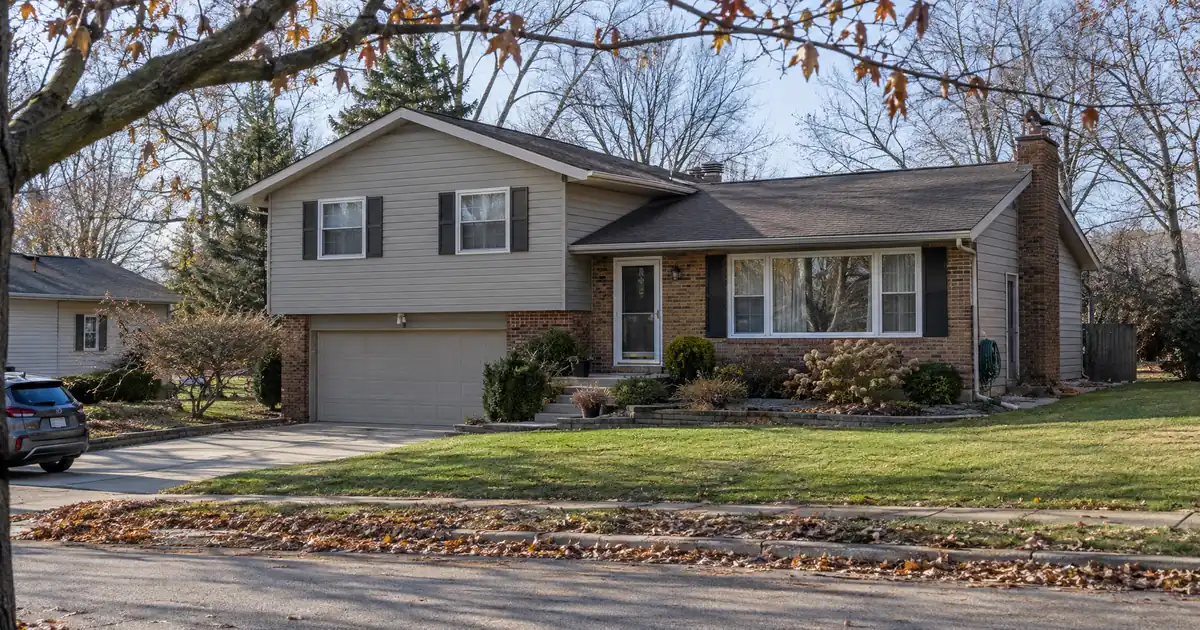
The Quick Read: It depends on what the buyer is buying: a bank statement loan is usually the right tool for a home the buyer will live in, while a pure rental purchase usually points to a DSCR loan first. Bank statement files qualify on documented income under the applicable program, subject to lender guidelines. Deposits, not the property’s rent, carry the file.
- Best fit: a primary residence where traditional personal-income documentation understates real income.
- Documentation: 12 months of business or personal bank statements.
- Leverage on a primary residence: up to 90% LTV on a purchase or rate-term refinance through select lenders, with stronger files earning the top of that range.
- Loan sizes run roughly $125,000 to $3,500,000, with reserves commonly around 6 months of the housing payment.
- For a rental, the coverage ratio on the property usually deserves the first look.
Self-employed buyers hit the same wall. The tax return shows a lot of write-offs, and the deposits show a business that earns well. A conventional lender reads the return. A bank statement lender reads the deposits. That difference is the whole product.
What your deposits qualify you for.
Alt-doc programs read 12 months of business or personal bank deposits instead of tax returns. Enter your average monthly deposits and see the income a lender would credit you.
The expense factor is set by the lender from your business type and profit-and-loss statement; it is not a number you choose. This widget quotes no rate and no payment.
Program parameters shown update from Lendmire’s centralized guideline source.
Estimate
Illustrative estimate only — not a quote, Loan Estimate, approval, or commitment to lend. Deposit average, expense factor, and housing ratio are editable assumptions; the expense factor a lender applies is set from your business type and documentation. No interest rate or monthly payment is quoted here. Purchase capacity is a simplified illustration and does not account for taxes, insurance, HOA dues, or other debts. Alt-doc income documentation is available on consumer mortgages in the states where Lendmire is licensed for consumer lending; actual terms vary by lender, borrower, and property.
What Is a Bank Statement Loan?
A bank statement loan is a non-QM mortgage that uses 12 months of bank statements, personal or business, to calculate qualifying income. It is not a no-doc loan. The lender still verifies the income it relies on, just through different paperwork.
That matters because ability-to-repay rules apply to both standard and non-standard loans. Experian describes these loans as non-qualified mortgages that fall outside standard agency boxes. Across the wholesale network, the pattern is consistent: the underwriter wants proof of repayment ability, and the statements are the proof.
The product also goes by “alt-doc” and “self-employed mortgage.” Same idea, different label.
Why Do Tax Returns and Real Income Diverge?
Traditional personal-income documentation shows income after deductions that are designed to shrink it. Depreciation, vehicle costs, home office, and owner-paid expenses all lower taxable profit. A buyer who earns well can show a modest number on a return.
Picture a contractor whose business account takes in steady deposits all year but whose return shows heavy deductions. A conventional file reads the low number. A bank statement file starts from the deposits. The CFPB’s own ability-to-repay assessment report found that self-employed borrowers who miss agency-eligible loans faced real difficulty with income documentation and calculation. The report is older, so read it as background, not current practice.
How Do Lenders Turn Deposits Into Income?
Lenders total eligible deposits, remove non-income items, apply an expense factor on business accounts, and divide by the months in the lookback. The result is monthly qualifying income, which is then tested against the new housing payment and other debts.
The steps run like this:
1. Pick the account type. Business statements get an expense factor. Personal statements generally count net eligible deposits.
2. Strip non-income. Transfers between the borrower’s own accounts, loan proceeds, gifts, refunds, and one-time windfalls come out.
3. Apply the expense factor. This is lender-set, not borrower-chosen. Some programs allow a fixed ratio. Some accept a ratio prepared by an accountant, which can help when the real expense load is light.
4. Apply ownership percentage. A 60% owner counts 60%.
5. Divide by the months in the lookback to get monthly income.
6. Run DTI. This is what separates the product from DSCR. The borrower’s debts all count.
Expense factors vary by lender. Nobody should promise a universal formula. Across the network, the strictest programs scrub deposits hardest.
| Item | Usually counts | Usually does not count |
|---|---|---|
| Customer payments | Yes | |
| Transfers between own accounts | Removed | |
| Loan proceeds | Removed | |
| Gifts and refunds | Removed | |
| One-time windfalls | Removed or needs explanation |
Bank Statement, Conventional, or DSCR?
Occupancy usually settles the choice. A home to live in points to bank statement or conventional. A pure rental points to DSCR. A rental with thin coverage but strong deposits can fall back on bank statements.
| Factor | Bank statement | Conventional | DSCR |
|---|---|---|---|
| Income basis | Deposit averages | Traditional personal-income documentation | Property rent |
| Best for | Owner-occupied | Clean W-2 or return income | Rentals |
| Personal DTI | Counts | Counts | Generally not the driver |
| Documentation load | Statement scrubbing | Returns and forms | Lease and rent evidence |
The complete DSCR loans guide covers how property-rent-based lender review works.
Which Rules Apply to Which Property?
Occupancy decides the disclosure regime. An owner-occupied bank statement loan, meaning a primary residence or second home, is a consumer mortgage, and TRID applies. A bank statement loan on a non-owner-occupied rental, including a short-term rental, is business-purpose and exempt from TRID. Keep the two separate on any given file.
The federal rule text explains why the owner-occupied side is documented so carefully. Regulation Z § 1026.43 requires a reasonable, good-faith determination that the consumer can repay. Business-purpose credit is treated differently under Regulation Z § 1026.3. Any specific file belongs with counsel or compliance, not an article.
Is It Right for You?
Choose it when the property is your home, your deposits are steady, and your return understates what the business earns. Think twice when deposits are falling, income is lumpy, or the purchase is a pure rental.
| Choose it if | Think twice if |
|---|---|
| The property is your primary residence | The property is a pure rental |
| Deposits are steady or rising | Deposits are declining |
| Write-offs cut your taxable income | Your return already shows strong income |
| You can document 12 months cleanly | Statements are commingled and messy |
Three mini profiles show how it plays out.
High write-offs. An owner with steady deposits and a return that understates income. Strong fit. The expense factor is the swing item, so an accountant-prepared ratio is worth asking about.
Seasonal income. Averaging across 12 months smooths the peaks and troughs. It works when the annual total holds up. A weak off-season can drag the average.
Recent switch from employee to owner. The deposit history is short. Programs differ on required time in business. This is a lender-by-lender question, so a broker comparing several programs earns its keep here.
Declining deposits deserve special mention. Investors in a BiggerPockets forum discussion flagged falling deposits as a red flag to underwriting, and that matches what shows up on files. An underwriter who sees the trend turning down will question the average.
What Are the Trade-Offs?
Bank statement loans cost more than a clean conventional file and ask for more cash and reserves. Reserves commonly run around 6 months of the housing payment. Pricing and down payment vary by lender, credit, and leverage. Tax strategy matters too: heavy deductions help the tax bill and shrink conventional qualifying income, so the same decision affects borrowing power later.
Most buyers treat this as a bridge. They plan to refinance into a conventional loan once returns support the income. Check for prepayment penalties first. If a refinance-out is the plan, ask about it before choosing the program.
Tax treatment varies; consult a qualified professional.
Other caveats:
- Large one-time deposits. A business sale or liquidity event does not read as income and needs an explanation letter.
- Commingled accounts. Mixed personal and business activity forces more scrubbing.
- Mixed W-2 and 1099 income. Possible, but the file needs clear separation.
- DTI ceiling. Every bank statement loan adds to personal DTI, so portfolio growth stalls. This is where DSCR helps an investor who keeps buying.
What Does the Investor Version Look Like?
For an investor, the question is whose cash flow the lender underwrites. Bank statements underwrite the borrower. DSCR lenders review the property’s rental income.
Strong deposits with thin rent coverage favor bank statements. Strong rent with messy or declining income favors DSCR, which keeps the file on the property. Investment-property cash-out on bank statement documentation tops out around 75% LTV. Investment purchase leverage varies by lender, so treat it as a case-by-case answer. Leverage guidance for rentals belongs on the DSCR side. Select DSCR programs below 1.00 coverage exist, with LTV and terms adjusted.
If the buyer already owns a home and wants equity, Lendmire’s article Should a Self-Employed Homeowner Choose a Bank Statement Cash-Out? covers the cash-out ceilings, which are lower than the purchase ceiling.
How Should You Prepare?
Clean statements make the file easier to review. Start 6 to 12 months out when possible.
1. Separate accounts. Run business income through a business account.
2. Stop moving money around. Transfers between your own accounts get stripped out.
3. Keep deposits traceable. Invoices and contracts should match what lands.
4. Line up an accountant. An accountant-prepared expense ratio may help on a business-account file.
5. Document big deposits before the lender asks.
6. Check your debts. DTI tests every obligation.
How Do You Compare Lenders?
Ask how each program counts deposits, which expense factor it uses, whether an accountant-prepared ratio is accepted, how it treats declining months, what reserves it wants, and whether a prepayment penalty applies. Programs differ on all of these. A broker with several sets of guidelines can line them up side by side. Lendmire’s piece Should a Self-Employed Buyer Use FHA or a Bank Statement Loan? covers the agency-loan alternative.
Consumer mortgage licensing for this lane covers 16 states, and availability depends on the state and the property.
Frequently Asked Questions
Is a bank statement loan the same as a no-doc loan?
No. The lender still verifies the income and assets it relies on, as 12 CFR 1026.43 requires for covered loans. The paperwork changes. The verification does not.
Can I choose my expense factor?
No. The lender sets it. Some programs accept an accountant-prepared ratio, which can change the outcome. Ask each lender how it handles this.
Can I use bank statements to buy a rental?
Sometimes. Rentals can use either product. A DSCR loan usually gets the first look because the property’s rent carries the file and the loan does not stack on personal DTI.
What if my deposits dropped recently?
Expect questions. Underwriters average the full window, and a downward trend can cut qualifying income or draw an explanation request. Document the cause.
Can I refinance out later?
Many borrowers plan to. Once returns support the income, a conventional refinance may fit. Check prepayment terms before committing.
If you are self-employed and want to see how the numbers work, Lendmire can help you compare bank statement loan options based on your deposits, the property, credit profile, leverage, and your goals. Lendmire is a mortgage broker that arranges financing through select lenders in its wholesale network; this is not a commitment to lend, and all qualification is subject to lender guidelines.
About Lendmire
Lendmire is a mortgage brokerage (NMLS# 2371349) licensed for consumer mortgage lending in 16 states, arranging bank statement and other alternative-documentation mortgages — P&L-only, 1099-only and asset-based paths — through a wholesale lending network. Eligibility is determined by the lender on each file. Scotsman Guide named Lendmire a Top Mortgage Workplace in both 2025 and 2026.
Get Started
Ready to find the right loan for you?
In about 30 seconds you can review financing options available for your home or investment property. No commitment required.
Informational only. Not a Loan Estimate, approval, or commitment to lend. Program availability and eligibility are subject to lender guidelines, credit approval, property review, and underwriting.
References
1. Experian: What Is a Bank Statement Loan?
2. CFPB: CFPB Ability to Repay Qualified Mortgage Assessment Report
3. CFPB Regulation Z § 1026.43
4. BiggerPockets: DSCR vs Bank Statement Loan for Self-Employed
This article is part of Lendmire’s bank statement loan program — full qualification details, guidelines, and scenarios live on the program page.
Related reading: Can a Self-Employed Buyer Live in a 2-4 Unit on a Bank Statement Loan? · FHA vs Bank Statement Loan for a Buyer Whose Returns Show a Loss · Bank Statement Loan Documentation for a K-1 Partner With Distributions
Brandon Miller
Founder & CEO, Mortgage Loan Originator, Lendmire LLC
- Mortgage Loan Originator · NMLS# 1129696 · Verify on NMLS Consumer Access
- North Carolina Real Estate Broker · License# 343312 · Verify on NCREC
- North Carolina Insurance Producer · License# 19053198 · Property, Casualty, Life, Health · Verify on NAIC SBS
- Lendmire LLC · Firm NMLS# 2371349 · Verify firm licensure
Disclosures. The information presented in this article is general market commentary, not financial, legal, or tax advice. Lendmire is a mortgage brokerage (NMLS# 2371349) — not a direct lender or depository institution — and loan placement is subject to lender underwriting. Nothing in this content represents a commitment to lend. Loan terms, pricing, and program availability vary based on borrower qualifications, property characteristics, and state of subject property, and are subject to change at any time. Lendmire complies with Equal Housing Opportunity requirements. Consumer access: nmlsconsumeraccess.org.