
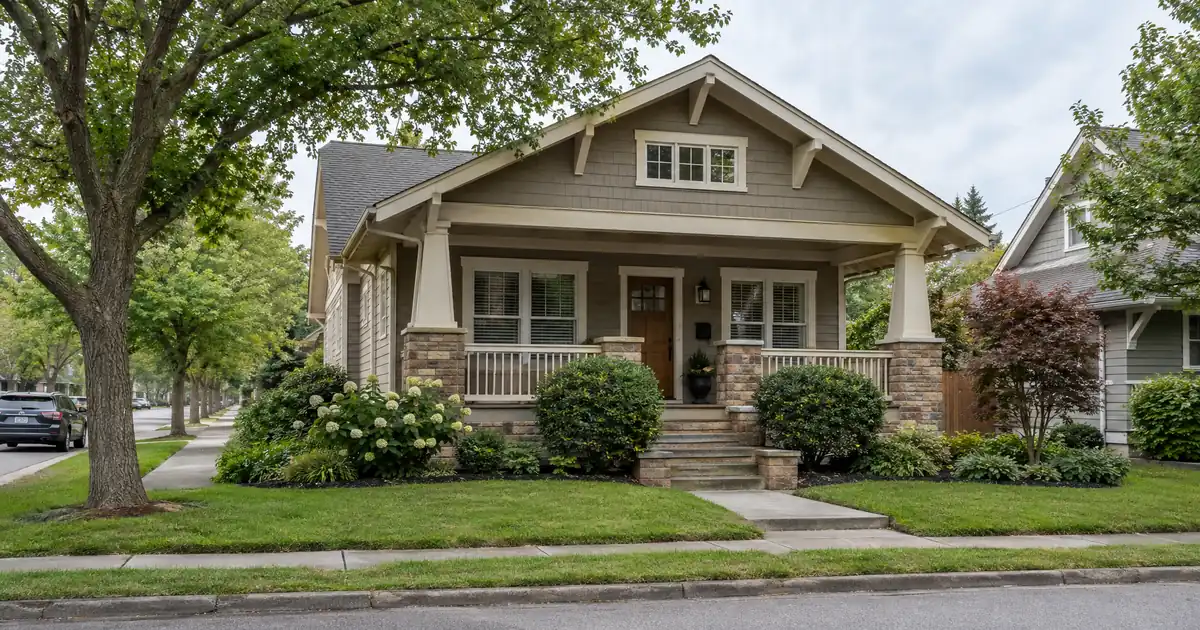
The Quick Read: A sale ends your ownership and triggers a tax bill. A cash-out refinance keeps the property and puts new debt on a building that has none. The deciding question is whether you still want this asset and whether its rent can carry a bigger loan.
- Selling is the only route that reaches all of your equity, minus costs and tax.
- A DSCR cash-out on a standard rental tops out around 75% LTV, so it never releases everything.
- Coverage is tested on the new, larger loan, not the old zero balance.
- A refinance defers nothing. The same gain waits for you at a later sale.
- Tax treatment varies; consult a qualified professional before relying on any outcome. The exact numbers vary by lender and program and follow a full review of property, leverage, and credit.
Here is the honest answer. A cash-out refinance fits the investor who likes the property, the tenant, and the rent, and wants cash for the next move without giving any of that up. A sale fits the investor who wants out, wants every dollar of equity, or owns a property that would struggle to carry new debt. Neither is smarter in the abstract. The decision turns on your goal, your coverage, and what the cash would do next.
DSCR Cash-Out Calculator
Run the cash-out numbers in your market
Rate source: Freddie Mac 30-yr average via FRED® — Federal Reserve Bank of St. Louis · effective Oct 8, 2026
Prefilled with starting assumptions — enter your property’s value, balance, taxes, and insurance for a more accurate picture.
Program parameters update from Lendmire’s centralized guideline source. Taxes and insurance are editable estimates.
As of Oct 8, 2026 · General Freddie Mac market benchmark, not a Lendmire loan offer. Property value, balance, taxes, and insurance are editable estimates. Maximum loan-to-value varies by lender, program, property type, and seasoning. Not a Loan Estimate, approval, or commitment to lend. Program availability and eligibility are subject to lender guidelines, credit approval, property review, and underwriting.
Side-by-Side
The table below describes the sale and the cash-out refinance side by side. The refinance column reflects the parameters Lendmire’s wholesale network uses on standard rentals. The sale column reflects general tax and transaction norms, which vary by owner.
| Factor | Sell | DSCR cash-out refi |
|---|---|---|
| Review basis | None needed for the sale | Rent versus full payment, plus value |
| Documentation | Contract, payoff, basis records | Appraisal, lease or rent schedule, entity papers |
| Equity reached | All, less costs and tax | Up to about 75% LTV |
| Tax event | Yes: gain, recapture, possible surtax | No sale, so none now |
| Entity vesting | Any owner | LLC borrower common, subject to lender program eligibility |
| Property kept | No | Yes, with tenant and depreciation history |
| Reserves | Not applicable | Often about 6 months of PITIA |
| Reversibility | Final | A later sale still carries the gain |
PITIA means principal, interest, taxes, insurance, and association dues: the full monthly obligation on the property. DSCR, the debt service coverage ratio, divides monthly rent by that obligation. Coverage of 1.00 means rent equals the payment. It is where many select programs start, and it is a program floor, not a universal standard. A separate select-lender path goes below 1.00, with leverage and terms adjusted. Stronger ratios generally open better leverage and terms.
What Actually Separates the Two Paths
One path is a taxable event. The other is a financing event. That single difference drives most of the decision.
On a sale, your gain is the sale price minus your adjusted basis, per IRS Topic 409. Basis is what you paid, plus improvements, minus depreciation. A paid-off rental often has years of depreciation taken. Depreciation gets pulled back into income when you sell. IRS Publication 544 explains that some or all of the gain on depreciable property can be recaptured as ordinary income, and the depreciation portion of the gain faces a higher maximum rate than ordinary long-term gain. Skipped depreciation does not help you, since the rule counts depreciation “allowed or allowable.”
Then there is the surtax. Sale gain can count toward the income that triggers the 3.8% Net Investment Income Tax. A CPA practitioner write-up notes the gain itself counts toward that income test. It also says mortgage balance has nothing to do with the size of the gain. So refinancing first does not shrink a later sale’s tax.
A cash-out refinance has no sale, so no gain is realized now. Loan proceeds are borrowed money. The depreciation history simply stays with the property. Tax treatment varies; consult a qualified professional.
When Selling Is the Better Fit
Selling wins in a handful of situations. Start with the plainest: you want out. Maybe you are retiring, relocating, or tired of managing tenants. Keeping an asset you no longer want, just to avoid a tax bill, is a choice, but not always a good one.
Selling also wins when you want all the equity. A paid-off rental holds 100% equity on paper. A refinance reaches only part of it, because the ceiling on a standard-rental cash-out sits around 75% LTV. If your next purchase needs the full amount, only a sale gets you there. The sale-plus-exchange route can put the whole amount to work in a replacement property. The IRS Form 8824 instructions set the statutory clocks: 45 days to identify replacement property and 180 days to receive it, or the return due date if earlier. These are tax-code deadlines, not closing times. An exchange defers tax rather than erasing it, because basis and recapture carry into the replacement. Final terms depend on the lender’s guidelines, the property type, and the borrower’s complete credit picture.
A third case is a weak performer. Picture a rental whose rent barely covers its costs today. Put a new loan on it and coverage tightens or fails. Here, selling and redeploying into something stronger can beat borrowing against a property that is not earning its keep. Think of it as asking what your trapped equity is actually earning. If the answer is “not much,” the equity is working harder in a different asset.
Finally, ineligible property types push toward a sale. DSCR programs in the network do not cover manufactured homes (single- and double-wide), log homes, or barndominiums. If your paid-off rental is one of those, the refinance path is not offered, and the choice is really sell or hold.
When a DSCR Cash-Out Refi Is the Better Fit
The refinance wins when you want to keep the asset and the rent can carry a bigger loan. Say you own a duplex with steady tenants and a lease at market rent. You want cash for a down payment on a second property. Borrowing against the first keeps its rent and its future appreciation, and it avoids a sale tax event. Keeping the asset preserves future equity growth, while a sale is final.
Run the coverage test before you get excited. A paid-off property starts with zero leverage. Any cash-out adds a payment, and coverage is tested on that new, larger payment. A building that comfortably covers a small balance may fail on a bigger one. Picture a rental that clears roughly 1.3x on a modest draw but slips toward 1.0x on a maximum draw. The fixes are a smaller draw, or a lease at market rent that the appraisal supports.
Here is how a cash-out file typically moves through a lender:
1. Confirm the property is a non-owner-occupied rental and sort out vesting, whether individual or entity.
2. Order a new appraisal. The loan is sized to appraised value even though you owe nothing, and the appraisal supports a market-rent opinion.
3. Compute coverage: monthly rent divided by the full payment on the new loan.
4. Assemble the file: appraisal, lease or rent schedule, entity papers, guarantor credit, and reserve statements.
5. Close the loan. An LLC borrower signs and a person guarantees, subject to program terms.
On program terms, most files in the network look for about 6 months of ownership, measured from title recording, before a cash-out. Pricing and available terms vary by lender, borrower profile, property type, and full underwriting review. Reserves commonly run about 6 months of PITIA and step up to about 9 months above $1,500,000. Loan sizes reach up to $3,000,000 on standard programs. Short-term rentals run lower, with cash-out capped around 70%. All of this is subject to lender guidelines and individual underwriting.
Because a DSCR loan is a business-purpose investor loan on a non-owner-occupied rental, it is reviewed differently from a standard owner-occupied mortgage. That is why the lender looks at property rent rather than your personal debt-to-income ratio. It qualifies primarily on property-level rental income covering the payment, subject to lender guidelines. The business-purpose test turns on the loan’s real use, as the CFPB’s Regulation Z §1026.3 describes. Credit, liquid reserves, and the appraisal still matter. This is not underwriting-free.
One caution on the word “coverage.” Clearing 1.00 does not mean positive cash flow. The ratio compares rent to PITIA only. Vacancy, repairs, management, utilities, and capital expenses sit outside it. A property can clear the ratio and still leave you short each month.
Edge Cases That Change the Answer
A few situations flip the usual advice.
Refinancing right before a 1031 sale. Cash-out refinancing the property you are about to sell can be treated as a step transaction, with the cash received potentially taxable. Sequencing matters, so have a tax professional review it before you sign anything.
Debt-reduction boot. Taking a replacement property with less debt than the one you sold can create taxable boot in an exchange. Another reason to plan the sequence with an advisor.
Cost segregation. If a study reclassified components of the building, those pieces recapture as ordinary income at sale. That raises the cost of selling.
Inheritance. Property that passes at death generally gets a different basis. That can change the entire math. Talk to a tax advisor before deciding.
Foreign owners. A sale can carry withholding requirements that a refinance does not. Raise it with an advisor early.
Refi that no longer fits. A refinance does not lock you in. If the portfolio changes, you can still sell later. The same gain and recapture apply then, and the larger balance gets repaid from the proceeds.
Five Tests to Run Before You Choose
Walk through these in order. Each one narrows the field.
1. Goal. Do you want to own real estate in five years? If not, lean toward selling. If yes, keep reading.
2. Coverage. Does rent cover the full payment on the new loan, with room to spare? If coverage is thin, shrink the draw or reconsider.
3. Net proceeds. What would a sale actually put in your pocket after costs, recapture, capital gains, and any surtax? Compare that to the refinance draw, not the headline value.
4. Return on equity. What is the property’s net income divided by your equity? If equity earns little, redeployment may beat holding.
5. Use of cash. What will you buy? If you can only buy something similar, refinancing may fit better. If a clearly better performer exists, selling can be the better move.
There is also a hybrid. You can take a smaller draw now and keep the exit open. Or you can hold, borrow later, and sell when the goal changes. Many investors treat this as a sequence, not a single choice.
For a related comparison, see Lendmire’s piece Sell vs Cash-Out Refi on an Appreciated Rental What Decides It. If the draw is large, Lendmire’s article DSCR Cash-Out vs Second Lien on a Paid-Off Rental for a Large Draw covers that route. For the full program picture, the complete DSCR loans guide walks through how these loans work.
Who Leans Which Way
A retiree with a debt-free rental and no appetite for management often leans toward selling. A portfolio builder who wants capital for the next door and likes the current rent often leans toward the refinance. An owner whose property is only modestly profitable should run the return-on-equity test before borrowing against it. Personal goals like relocation, retirement, and proximity matter as much as the math.
The Balanced Verdict
Sell when you want out, want every dollar of equity, or own a property that would not carry new debt. Refinance when you want to keep a performing asset, can show healthy coverage on the larger loan, and have a clear use for the cash. When both seem plausible, compare the after-tax sale proceeds to the refinance draw and ask what the equity earns today.
If you are buying or refinancing a rental property and want to see how the numbers work, Lendmire can help you compare DSCR loan options based on the property income, credit profile, leverage, and investor goals. Lendmire is a mortgage broker arranging DSCR financing through select lenders in its wholesale network, 41 markets including Washington, D.C. Programs change and every file is underwritten individually. This is not a commitment to lend.
Frequently Asked Questions
Can I cash-out refinance a rental I own free and clear?
Yes, subject to lender guidelines. Most programs want about 6 months of ownership from title recording, a new appraisal, and rent that covers the payment on the new loan. Standard rentals tend to cap near 75% LTV on a cash-out.
Does a cash-out refinance defer the tax on a later sale?
No. A refinance is not a sale, so nothing is taxed now, but nothing is erased either. The same gain and depreciation recapture apply when you eventually sell, and the larger loan is repaid from proceeds.
What if the rent does not cover the bigger payment?
Reduce the draw or document a market-rate lease that the appraisal supports. Coverage below 1.00 is available through select lenders in the network, with leverage and terms adjusted. A weak result can also be a signal to sell.
Does a 1031 exchange eliminate the tax?
No, it defers it. Basis and recapture carry into the replacement property, and the IRS sets a 45-day identification window and a 180-day receipt window. A qualified intermediary must hold the proceeds, so decide before closing the sale.
Does clearing 1.00 coverage mean the rental makes money?
Not necessarily. The ratio counts rent against PITIA only. Vacancy, repairs, management, utilities, and capital costs sit outside it, so run your own cash-flow numbers too.
For how equity extraction works on an investment property, see Lendmire’s guide to cash-out refinance on an investment property.
About Lendmire
Lendmire (NMLS# 2371349) is a DSCR-focused mortgage broker that helps arrange investor financing across 41 markets, including Washington, D.C., through wholesale and investor-lending channels. DSCR eligibility is generally reviewed by the lender around the property’s rental income rather than personal income documentation, subject to lender guidelines — which works for self-employed investors, LLC operators, and portfolios above four financed properties. Scotsman Guide named Lendmire a Top Mortgage Workplace in both 2025 and 2026.
Get Started
Ready to find the right loan for you?
In about 30 seconds you can review financing options available for your investment property. No commitment required.
Informational only. Not a Loan Estimate, approval, or commitment to lend. Program availability and eligibility are subject to lender guidelines, credit approval, property review, and underwriting.
References
3. WCG CPA, Rental sale passive losses and NIIT
This article is part of Lendmire’s investment property cash-out refinance program — full qualification details, guidelines, and scenarios live on the program page.
Related reading: Sell vs Cash-Out Refi on an Appreciated Rental What Decides It · Should You Sell a Paid-Off Rental or Pull Equity With a Cash-Out Refi? · Sell vs Pull Equity on Your First Rental What Actually Decides It
Brandon Miller
Founder & CEO, Mortgage Loan Originator, Lendmire LLC
- Mortgage Loan Originator · NMLS# 1129696 · Verify on NMLS Consumer Access
- North Carolina Real Estate Broker · License# 343312 · Verify on NCREC
- North Carolina Insurance Producer · License# 19053198 · Property, Casualty, Life, Health · Verify on NAIC SBS
- Lendmire LLC · Firm NMLS# 2371349 · Verify firm licensure
Disclosure information. Lendmire is a state-licensed mortgage brokerage under NMLS# 2371349. Lendmire is not a depository institution, direct lender, or financial advisor — all loans referenced are placed through wholesale lender partners and are subject to each lender's underwriting standards. This article is provided for general informational purposes and is not a commitment to lend, nor does it constitute financial, legal, or tax advice. Loan programs, terms, rates, and qualification standards change without notice and depend on borrower profile, property type, and the state in which the subject property is located. Equal Housing Opportunity provider. NMLS Consumer Access: nmlsconsumeraccess.org.