
The Quick Read: It depends on what the money is for: a HELOC on a paid-off home is often the smartest tool when you want flexible, interest-only access and have strong personal credit, but a DSCR cash-out refinance can be smarter when the rental itself should carry the loan. Both options turn idle equity into capital. They underwrite different things, so the right pick follows your documentation and time horizon.
- A paid-off home has no first mortgage, so a new HELOC normally sits in first-lien position.
- On an investment property, lines on Lendmire’s network cap at 70% CLTV, need a 700 credit score, and top out at $500,000.
- A HELOC qualifies you as a borrower. A DSCR loan is reviewed for the property’s rent against its payment.
- Pricing on these lines floats and never converts to fixed, so the cost can move after closing.
- Clearing 1.00 on a DSCR file is not the same as positive cash flow.
What Changes When You Borrow Against a Home You Own Outright
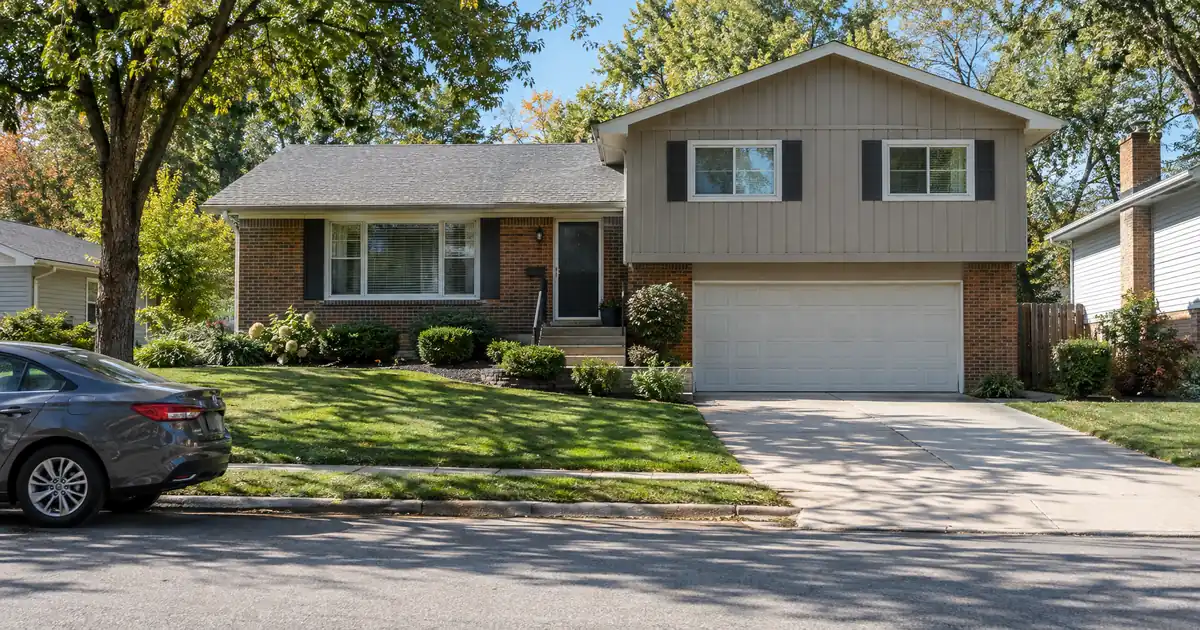
Equity on a paid-off home equals the full value, so nothing gets subtracted for an existing loan. The lender’s combined loan-to-value (CLTV) cap becomes the only ceiling. That is simpler math, but it puts a debt-free asset back on the line.
How large a line the equity supports.
An equity line is sized by combined loan-to-value, occupancy, and credit — not by rental coverage. Switch the occupancy or the credit band and the ceiling moves with it.
Investment-property lines require a 700 minimum credit score; second-home lines start at a 640 minimum and primary-residence lines at 600, and the combined-LTV ceiling steps down as the credit band drops on primary-residence and second-home lines and holds on investment-property lines; the line cap steps down on primary-residence lines and holds at every tier on investment-property and second-home lines.
A debt-to-income ratio above 45% requires 680+ credit. Profiles under 640 are limited to single-family homes. At least 75% of the approved line is drawn at closing. Ceilings, floors, and caps update from Lendmire’s centralized guideline source.
Line estimate
Illustrative estimate only — not a quote, Loan Estimate, approval, or commitment to lend. The rate is an editable assumption; equity-line pricing is variable through both the draw and repayment periods and never converts to fixed. Occupancy and credit drive the ceiling together: an investment property tops out at 70% combined LTV (minimum credit 700, line cap $500,000); a second home tops out at 90% combined LTV (minimum credit 640, line cap $500,000), with the ceiling stepping down as the credit band drops (the cap holds at every tier); a primary residence tops out at 90% combined LTV (minimum credit 600), and its $750,000 maximum line is available only at 75% combined LTV or below with a 700-or-better credit profile (720 on the longer-runway program) and a full appraisal. Lines above $500,000 require a full appraisal. Credit, debt-to-income, property type, and full underwriting review all affect the final line.
Experian notes that a new HELOC on a home with no mortgage normally takes the first-lien position. It also lists the other paths for a paid-off home: a home equity loan, a cash-out refinance, and a reverse mortgage. A HELOC is the revolving choice. You borrow, repay, and borrow again during a set draw period.
Many investors treat the home they live in as the safe asset. A HELOC against it funds a rental purchase with money secured by the one property you can least afford to lose. That tradeoff belongs in the decision before any fee does.
Which Property Is the Collateral?
Occupancy sets the ceiling, so quote the number for the property you actually plan to pledge. On Lendmire’s wholesale network, a HELOC on your primary residence can reach 90% CLTV, but only at a 720 or better credit profile and only on lines up to $500,000. Lines up to $750,000 on a primary residence cap at 75% CLTV with a 700 score. Second homes follow a 640 minimum, with the 90% tier again reserved for 720 and up.
An investment property is tighter. The ceiling is 70% CLTV, the minimum credit score is 700, and the line cannot exceed $500,000. Investment lines use a 5-year interest-only draw followed by a 25-year fully amortizing repayment. Any line above $500,000 is for a primary residence only.
Here is a gap that catches investors. Title must be held by you personally or by a revocable living trust. An LLC cannot hold title on these lines. If your rental already sits in an LLC, a HELOC is off the table without a vesting change, and a DSCR cash-out refinance may be the more practical path, subject to program terms.
Availability is also narrower than the DSCR side. These lines run only through Lendmire’s 16 full-service states (AL, CA, CO, FL, GA, IN, MI, MT, NM, NC, OH, PA, TN, TX, VA, WA), while the DSCR footprint spans 41 markets. Confirm your state before you plan around a HELOC.
Who Qualifies: The Borrower Tests
A HELOC underwrites you. The lender reviews your credit, your debt-to-income ratio, and your income documentation. Debt-to-income on these lines is capped at 50%, with 45% for scores from 600 to 679. The line itself is qualified on the interest-only payment at the maximum draw, not on what you plan to borrow.
That last point matters for investors who intend to draw a small amount. Lenders size the test to the full line. A large approved line can hurt your debt ratio even if you never use it.
Valuation is usually light. Lines at or below $500,000 ordinarily use an automated valuation instead of a full appraisal, although a higher CLTV may call for a secondary valuation. A full appraisal is required above $500,000. Plan for a meaningful draw at closing, since these lines expect most of the line to be drawn up front, and a small first draw is not the usual structure.
Property eligibility is also tighter than most investors expect. Single-family homes, 2-4 units, PUDs, townhomes, and condos (including non-warrantable) can qualify. Manufactured homes, co-ops, condotels, log homes, commercial properties, and mixed-use or agricultural zoning cannot. A borrower with more than 15 financed properties is not eligible.
The Draw-to-Repayment Shift
The draw period feels cheap, and the repayment period is where the cost shows up. Most investors underestimate the jump.
During the draw, you typically pay interest only on what you have drawn. When the draw ends, the line stops revolving and the balance begins to amortize. On an investment line the repayment runs 25 years after the 5-year draw. On a primary residence or second home, the choices are a 3-year draw with a 17-year repayment, or a 5-year draw with a 25-year repayment. Because pricing floats through both phases, the payment can change even if you borrow nothing new.
The federal consumer booklet on HELOCs warns that variable-rate payments can change and that falling behind could cost you the home. Under federal rules, lenders must hand applicants that booklet. For investors it carries a second warning: some lines prohibit renting the home out. Read the line agreement carefully if the collateral is, or will become, a rental.
A HELOC used for a long-hold rental down payment also carries a duration mismatch. The money is permanent, but the line’s pricing is not. That does not rule the strategy out. It means you should stress-test the repayment phase against the rent the new property can support.
HELOC or DSCR Cash-Out: A Side-by-Side
The two tools solve different problems.
| Factor | HELOC on home | HELOC on rental | DSCR cash-out |
|---|---|---|---|
| Underwrites | Borrower | Borrower | Property rent vs PITIA |
| Top leverage | Up to 90% CLTV at 720+ | 70% CLTV | About 75% LTV |
| Line or loan size | Up to $750,000 | Up to $500,000 | Up to $3,000,000 on standard programs |
| Entity title | No (individual or trust) | No (individual or trust) | Often allowed, per program |
| Pricing | Floats, never fixed | Floats, never fixed | Fixed structures common |
The DSCR figures reflect most programs in the network and vary by lender, credit score, and property type. A 1.00 coverage ratio is where select programs start, and stronger ratios open better terms. Sub-1.00 coverage is available through select lenders in the network, with leverage and terms adjusted. Short-term rental collateral follows a lower cash-out ceiling, around 70%, than a standard rental at 75%. Cash-out also expects about 6 months of seasoning on most files.
One more difference matters. A DSCR loan reviews rent against the full payment, meaning principal, interest, taxes, insurance, and any HOA dues. It does not count repairs, vacancy, management, utilities, or capital expenses. A ratio above 1.00 does not equal positive cash flow, so the cash-flow math remains your job.
When the HELOC Is the Smarter Move
A HELOC on a paid-off personal home tends to fit when several of these are true:
- Your credit sits at 720 or better, which opens the highest primary-residence tiers.
- Your personal income is easy to document and your debt-to-income ratio is low.
- You have a defined capital need, such as a rehab budget or a purchase, that justifies drawing most of the line.
- You plan to repay within the draw period instead of holding the balance long term.
- You are comfortable putting your own residence behind the debt.
A HELOC also pairs well with a rental purchase. Say you draw on your home line and then buy a rental with a DSCR loan. Two lenders now review two different files. The HELOC lender approves you, and the DSCR lender approves the property. Neither approval guarantees the other.
Ask the DSCR lender early whether borrowed funds count toward down payment and reserves. Programs treat this differently, and it is the question investors most often skip until the file is in review.
When Another Route Wins
A DSCR cash-out refinance may be smarter when the paid-off property is itself the rental. Loan sizes can also run well above a $500,000 HELOC line. Rent carries the qualification, which helps self-employed investors whose traditional personal-income documentation shows heavy write-offs.
The HELOC loses ground when you hold the property in an LLC, when your credit sits below 700, or when you cannot tolerate a payment that moves. The DSCR route loses ground when the rent is thin against the payment, since coverage becomes the binding test. If the property can only clear coverage by reaching for a sub-1.00 structure, first re-examine whether the property or the submarket is the right fit.
Borrowing nothing is also a real comparator. If the rental you want only works when the leverage is stretched, extra equity may not fix a weak deal.
Lendmire’s HELOC vs home equity loan vs cash-out refi comparison walks through the three paths on a paid-off home, and the complete DSCR loans guide covers the rental side in full.
Cost, Exit, and Tax
Every HELOC carries fees such as appraisal or application charges, so compare the full cost, not just the draw structure. Plan the exit before you open the line. Decide when the balance will be repaid and whether you will close the line afterward. A line left open invites spending that was never part of the plan.
Tax treatment depends on how the funds are used and how the property is held. IRS Publication 936 says home equity interest generally isn’t deductible unless the proceeds buy, build, or substantially improve the home that secures the loan, so investors should keep clear records and speak with a qualified tax professional before relying on any deduction.
Key Terms Defined
CLTV (combined loan-to-value): The total of all loans against a property divided by its value, which on a paid-off home equals the HELOC line divided by value.
First lien: The lender in first position gets repaid first if the property is sold or foreclosed, which is the normal spot for a HELOC on a paid-off home.
Draw period: The stretch when you can borrow, repay, and borrow again, usually paying interest only.
Repayment period: The phase after the draw ends, when you can no longer borrow and the balance amortizes.
DSCR: Debt service coverage ratio, meaning the property’s monthly rent divided by its full monthly payment including taxes and insurance.
PITIA: Principal, interest, taxes, insurance, and association dues, the full payment a DSCR loan measures rent against.
Frequently Asked Questions
Can I get a HELOC on a paid-off rental property?
Yes, though only a small group of lenders offer it. On Lendmire’s network the line is limited to 70% CLTV, needs a 700 minimum score, and caps at $500,000. The property must be titled to you personally or to a revocable living trust, and eligibility remains subject to lender guidelines and full file review.
Does paid-off mean I can borrow 100% of the value?
No. Every lender caps combined loan-to-value below full value. On this network the ceiling is 70% CLTV on an investment property. On a primary residence it reaches 90% only at 720 or better, and up to 75% on lines that go to $750,000.
Does a HELOC approval guarantee my DSCR loan approval?
No. The HELOC lender reviews you as a borrower, and the DSCR lender reviews the rental on its own rent and payment. The DSCR lender also decides whether borrowed money counts as acceptable down-payment funds, so ask before you draw.
Can a HELOC convert to a fixed payment?
Not on this network. Pricing floats through both the draw and the repayment phase and never converts to fixed. Investors who want a locked structure usually compare it against a DSCR cash-out refinance, where fixed terms are standard.
Is the HELOC rental restriction real?
It can be. The federal HELOC booklet notes that a line’s terms may prohibit renting the home out to others. If the collateral is or will become a rental, check the line agreement before you sign.
Where to Go From Here
If you are considering a home equity line and want to see how the numbers work, Lendmire can help you compare HELOC options based on the property, the equity available, credit profile, combined leverage, and your goals. Lendmire is a broker arranging financing through select lenders in its wholesale network, and every figure here is subject to lender guidelines and full file review.
The investors who get the most from a paid-off home tend to price the HELOC and the DSCR cash-out side by side, then pick the structure whose repayment they can still carry when the payment moves.
About Lendmire
Lendmire — NMLS# 2371349 — is a mortgage broker that arranges home equity lines of credit in its 16 full-service states through wholesale lenders, on primary residences, second homes and investment properties. Every line is subject to the lender’s guidelines and full underwriting. Scotsman Guide named Lendmire a Top Mortgage Workplace in both 2025 and 2026.
Investors who want the broader program framework can review how DSCR loans work.
Get Started
Ready to find the right loan for you?
In about 30 seconds you can review financing options available for your home or investment property. No commitment required.
Informational only. Not a Loan Estimate, approval, or commitment to lend. Program availability and eligibility are subject to lender guidelines, credit approval, property review, and underwriting.
References
1. Experian: How to Get Equity Out of a Paid-Off House
This article is part of Lendmire’s home equity line of credit program — full qualification details, guidelines, and scenarios live on the program page.
Related reading: How to Build Equity for a Condo HELOC After Buying · Does Paying Off a HELOC in a Refinance Make It a Cash-Out Refinance? · HELOC Rules for a Paid-Off Primary Home With No First Mortgage
Brandon Miller
Founder & CEO, Mortgage Loan Originator, Lendmire LLC
- Mortgage Loan Originator · NMLS# 1129696 · Verify on NMLS Consumer Access
- North Carolina Real Estate Broker · License# 343312 · Verify on NCREC
- North Carolina Insurance Producer · License# 19053198 · Property, Casualty, Life, Health · Verify on NAIC SBS
- Lendmire LLC · Firm NMLS# 2371349 · Verify firm licensure
Legal disclosures. Lendmire (NMLS# 2371349) is a state-licensed mortgage brokerage that arranges financing through wholesale lender relationships. Lendmire is not a direct lender, depository institution, or registered financial advisor. The discussion above is general informational content about real estate financing — it is not financial, legal, or tax advice, and readers should consult licensed professionals for guidance on their individual circumstances. Loan inquiries are subject to lender underwriting; this article does not represent a commitment to lend. Loan terms, rates, and qualification standards vary by borrower, property, and state, and are subject to change at any time. Equal Housing Opportunity. NMLS Consumer Access: nmlsconsumeraccess.org.