
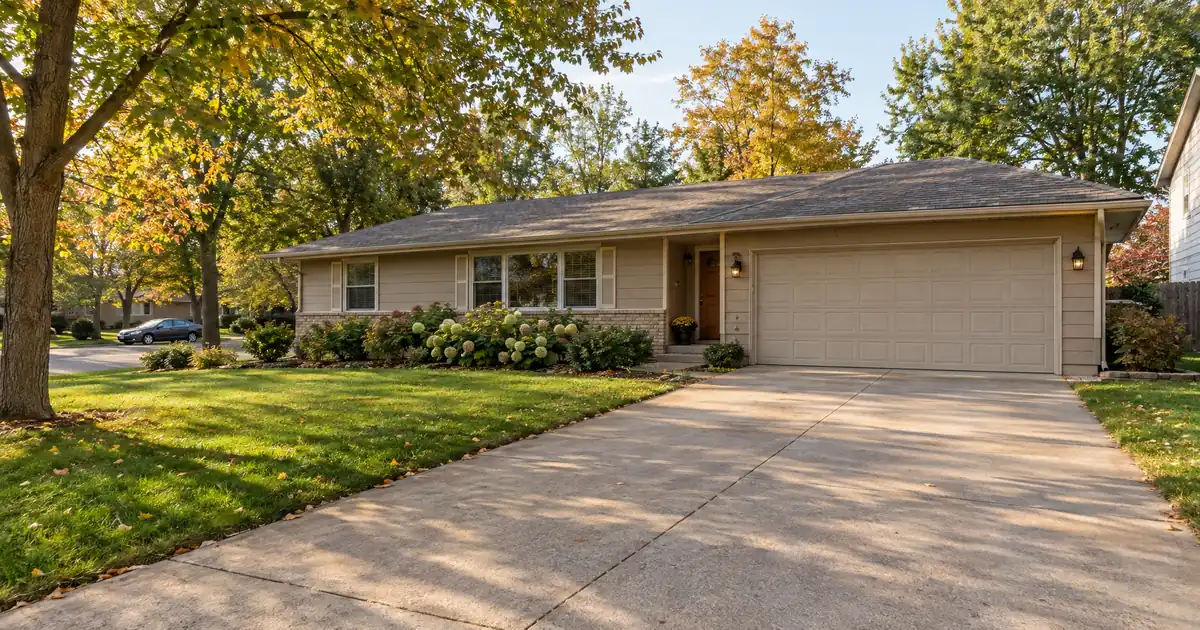
The Quick Read: To split rentals in three markets into smaller DSCR loans, give each property its own note, its own appraisal and its own coverage test, then group the files by market, entity and exit plan. The result is three separate loans, each qualified on that rental’s own income against its own payment, subject to lender guidelines.
- Each rental is tested alone, so a strong property cannot cover for a weak one.
- Each market gets its own appraisal, rent opinion, tax and insurance picture, and valuation.
- One guarantor usually stands behind every file, so credit and reserves are still viewed across the whole set.
- Selling or refinancing one property touches only that note, which is the main reason investors split.
- The trade-off is more closings, more paperwork and no shared coverage across properties.
A pooled loan and a set of separate loans solve different problems. This guide covers the mechanics step by step, the structures that exist, where splitting stops making sense, and how the decision looks in practice. It draws on what the brokerage sees across a wholesale network of DSCR lenders. For the base mechanics of the product itself, Lendmire’s complete DSCR loans guide covers the full picture.
What Does It Mean to Split Rentals Into Separate Loans?
Splitting means financing each rental on its own note and its own lien instead of pooling them under one blanket loan. In a blanket structure, one lien lets several properties secure a single loan. In a split, no property secures any other.
That one difference changes almost everything downstream. A problem on one note stays on that note.
“Three markets” matters because each market brings its own local inputs. Rents differ. Property taxes differ. Insurance differs. Appraisers differ. A pooled loan blends those differences into one number. Separate loans keep them visible.
Key Terms Defined
DSCR (debt service coverage ratio): the property’s monthly rent divided by its full monthly obligation, meaning principal, interest, taxes, insurance and any association dues.
Blanket loan: one loan secured by two or more properties under a shared lien.
Pooled coverage: the combined rent of all properties in a pool measured against the combined debt service of the pool.
Cross-collateralization: a structure where each property in a group backs the whole loan, not just its own share.
Release clause: a loan term that lets one property leave a pool after conditions are met, such as a paydown.
Guarantor: the person who stands behind the loan personally, even when an LLC holds title.
Why Would an Investor Split by Market?
Investors split by market when the properties have little in common. Different exit dates, different partners and different local cost profiles all push toward separate notes. A pool works best when the properties look alike and will be held together.
Here are the usual triggers:
- Different exit timing. One rental may be a long hold while another is a sale candidate in a couple of years. A separate note lets the sale happen without negotiating a partial release.
- Different local cost profiles. A market with heavy tax or insurance costs produces a lower ratio at the same rent. Separate loans let that property stand or fall on its own numbers.
- Different lender fit. Some lenders prefer certain property types or loan sizes. Across a wholesale network, one file may suit a different lender than the next.
- Different ownership. Partners may differ by property, and separate entities keep each partnership clean.
- Pool size limits. The portfolio structures in the network start at a minimum number of properties and a minimum loan size. A small set of rentals may fall below those thresholds.
One Pooled Loan Versus Three Market-Based Loans
The table below compares the two structures side by side. The pooled column describes a blanket-style loan. The split column describes three single-property DSCR loans.
| Factor | One pooled loan | Three separate loans |
|---|---|---|
| Notes and liens | One note, shared lien | Three notes, one lien each |
| Coverage test | Pooled rent vs pooled debt | Each rental alone |
| Selling one property | Release terms apply | Pay off only that note |
| Problem property | Can affect the whole pool | Stays on its own loan |
| Closings and paperwork | One set | Three sets |
| Lender options | Pool-capable lenders only | Any lender fit per file |
Neither column wins outright. The pooled structure rewards a uniform set of rentals you plan to hold. The split rewards a mixed set where flexibility matters more than convenience.
What Do the Pooled Programs Look Like for Comparison?
Two pooled structures exist in the network, and both differ from a single-property loan. The numbers below belong to the pooled structures, not to a loan on one rental.
The first is a 30-year portfolio DSCR loan. It places two to twenty properties under one note, with loan sizes typically from $300,000 to $5,000,000. Leverage runs up to 80% of value on a purchase or rate-and-term refinance on an investment portfolio. The 1.00 coverage floor is measured on the pool, so stronger rents can offset weaker ones. An interest-only period is available, and eligible property types include single-family, two-to-four unit, condo and townhome.
The second is a rental portfolio term loan, built for five or more rental properties or units. Loan sizes typically run from $500,000 to $50,000,000, with leverage up to 75% of value. Terms are fixed at three, five, seven or ten years with a balloon at maturity. This structure allows properties in several markets under one loan through cross-collateralization. Recourse and non-recourse versions exist, and non-recourse looks to the real estate with recourse limited to carve-outs.
A single-property loan, by contrast, typically runs 75% to 80% LTV on a purchase and tops out around 75% on a cash-out refinance, with loan sizes up to $3,000,000 on standard programs. All of these are program ceilings, not quotes, and each file is underwritten individually.
How to Split Rentals Into Smaller Loans, Step by Step
Splitting is a sequence, and the order matters. The steps below follow how a file actually moves.
1. Build a property schedule. List every rental with its market, entity, current lease, expected exit date and ownership split. This single page drives every later decision.
2. Group by market, entity and exit date. Three markets often means three loans, but not always. Two properties in one market with the same partners and the same hold plan may sit together under a small pool. Properties with different plans should not.
3. Run each property’s coverage alone. Take that property’s rent and divide it by its full monthly obligation. Do this for every property before picking lenders. Local taxes and insurance can move the ratio sharply between markets even when rents look similar.
4. Flag the weak property. Under separate loans, nothing rescues a weak ratio. Rent alone must carry the payment. For many select programs, 1.00 is where the coverage test starts, while a separate select-lender path takes coverage below 1.00 with leverage and terms adjusted. Which path fits depends on the rental, the credit profile and the lender.
5. Choose a lender per group. Lenders in the network differ on leverage, property type, loan size and credit tiers. Matching each file to a fit is one of the real advantages of splitting.
6. Sequence the closings. Each loan needs its own appraisal, title work and vesting. Line up the entity documents first so title and note match.
How Does Underwriting Treat Each Separate File?
Each file is reviewed as its own business-purpose loan. DSCR loans are designed for non-owner-occupied investment properties, and they are reviewed differently from a standard owner-occupied mortgage. Qualification rests primarily on property-level rental income covering the payment, subject to lender guidelines.
The appraisal does two jobs. It sets value, which drives leverage. It also sets market rent through a rent schedule. For a single-family rental, that schedule is the Single-Family Comparable Rent Schedule, Form 1007. For a two-to-four unit property, the appraiser typically uses the Small Residential Income Property Appraisal Report, Form 1025. Those form names come from the published agency forms list, and they are used here only to name the documents. DSCR programs set their own rules.
The appraiser picks comparable rentals and adjusts them for size, condition and location. Many lenders then credit the lower of the in-place lease and the appraiser’s market rent. A lease well above market can therefore be capped by the appraisal.
In three markets, that means three local appraisers and three local rent opinions. The credit pull and reserve review, though, run on the guarantor. Most programs want a score around 660. A 620 floor exists in parts of the network, and 700 or higher unlocks the strongest leverage tiers. Reserves vary by lender, leverage, loan size and transaction type. They commonly run around six months of PITIA, with loans above $1,500,000 typically stepping up to about nine months. Conservative rate-and-term files at modest leverage under $1,500,000 can sometimes see reserves waived.
Here is the catch with reserves. A lender reviewing the third loan sees the first two. Splitting does not hide your total exposure.
A Three-Market Example
Run the numbers on a hypothetical investor with one rental in each of three markets. The ratios below are modeled assumptions, not market data, and they assume similar debt service on each property so the comparison stays clean.
| Property | Own coverage ratio | Result on its own file |
|---|---|---|
| Market A rental | About 1.35x | Clears 1.00 comfortably |
| Market B rental | About 1.15x | Clears 1.00 with some cushion |
| Market C rental | About 0.90x | Falls short of 1.00 |
| Pooled across all three | About 1.13x | Looks fine as a blend |
Pooled, the three rentals blend to roughly 1.13x. That looks healthy, and it hides Market C. If the pooled coverage, the leverage and the terms are what underwriting tests, a property below 1.00 can sit in the pool, subject to underwriting. The blend carries it.
Split into three loans, the picture changes. Markets A and B qualify on their own. Market C faces a choice. A sub-1.00 path is available through select lenders in the network, with leverage and terms adjusted. A larger down payment can lower the payment and lift the ratio. Or the investor can recheck the rent opinion, since coverage that falls short on a lease may look different against an appraiser’s market rent.
This is why the split can be either a fix or a warning. It fixes the problem when one weak property was dragging down a pool you would rather not have. It exposes the problem when a strong market had been masking a rental that never carried itself.
One more point on ratios. Clearing 1.00 is not the same as positive cash flow. The ratio compares rent to PITIA only. Repairs, vacancy, management, utilities and capital expenses all sit outside the calculation.
What If You Already Hold a Blanket Loan?
Moving from a pooled structure into separate loans is a refinance, not a switch. Each new loan pays off part of the old one, and the old lender’s release terms decide how that works. A release clause lets a property leave the pool after conditions are met, but it exists only if the note says so. Without one, selling or refinancing a single property gets much harder.
Sequence matters here. Pay-offs and releases need to line up with each new closing, and each property gets re-tested on its own coverage, value and leverage. A property that fit comfortably in the pool may not clear alone. Check the existing note’s prepayment schedule before you start, since any penalty becomes a payoff cost at closing.
If the end goal is pulling equity out of the pool, Lendmire’s piece Can You Split a Portfolio Loan Into Cash-Out Refinances on 5+ Rentals? covers that route. On an investment property, the cash-out ceiling runs around 75% LTV across most of the network, and about six months of seasoning is the common expectation. Final terms depend on lender guidelines, property type, leverage, and the borrower’s complete credit picture.
Where Splitting Stops Making Sense
Splitting is not free. It costs more closings, more appraisals, more title work and more payments to track. These cases tend to argue against it:
- A small, uniform set you plan to hold. If the rentals are similar and no sale is planned, one pooled loan may be simpler.
- A portfolio that needs shared coverage. If one property depends on the others to pass, separate files will expose that.
- Properties below pool minimums. Some portfolio structures require a minimum property count or loan size, which can push a small set toward separate loans by default. That is a reason to split, but not a strategic one.
- Ineligible property types. Manufactured homes, log homes and barndominiums are not offered through the network’s DSCR programs. Splitting does not change that.
Short-term rentals add another layer. Those files have their own leverage tiers and typically expect about 12 months of hosting history and a 640 or higher score. Short-term rental rules can vary by city, county, HOA and property type, so investors should confirm local rules before relying on projected rental income.
Prepayment terms deserve a note as well. Each separate loan carries its own schedule, so a sale in one market triggers only that note’s penalty. On a blanket, release terms are negotiated. Neither is automatically cheaper, but separate notes are easier to predict.
How the Entity Question Fits In
Each property can sit in its own LLC, one LLC can hold all three, or any mix in between. DSCR loans are business-purpose loans, so lenders can write them to an entity, subject to lender program eligibility. Title and note must carry matching vesting, and an LLC formed in one state may need to register in the state where the property sits.
Separate entities separate liability. They do not separate the guarantor. Lenders typically still want a personal guarantee, and the same person’s credit and reserves sit behind every file. Separate LLCs make sense when partners differ by property or when you want a clean wall between markets. They do not make three loans look like three unrelated borrowers.
Tax treatment varies; consult a qualified professional before choosing a holding structure.
A Simple Decision Matrix
| Investor profile | Leans toward |
|---|---|
| Mixed exit dates across markets | Separate loans |
| Uniform rentals, long hold | One pooled loan |
| One weak property in the set | Separate loans |
| Different partners per property | Separate loans, separate LLCs |
| Many properties in several markets | Term loan with cross-collateralization |
The matrix is a starting point. A set of five or more rentals across markets may fit the multi-market term structure, while two or three rentals with different plans usually fit separate notes better.
Common Mistakes
Assuming the blend tells the whole story. A pooled ratio of 1.13x can hide a property at 0.90x. Always run each ratio alone first.
Assuming a release clause is automatic. It exists only if the note says so.
Treating the lease as the rent used for lender review. Many lenders credit the lower of lease and market rent.
Ignoring local carrying costs. Taxes and insurance vary by market and move the ratio. Gather those numbers before picking a structure.
Forgetting that reserves stack. The guarantor’s reserves are viewed across every file.
Where to Start
If you are buying or refinancing rentals across more than one market and want to see how the numbers work, Lendmire can help you compare DSCR loan options based on each property’s income, your credit profile, leverage and your goals. A call to 828-256-2183 or a mortgage quote request is a reasonable first step. Lendmire arranges these loans through select lenders in its wholesale network. Lenders make the final eligibility decisions.
Frequently Asked Questions
Can I pool rentals from different markets in one loan?
Sometimes. The rental portfolio term loan allows properties in several markets under one note through cross-collateralization, typically for five or more rentals or units. The smaller 30-year portfolio structure is aimed at two to twenty properties, with eligibility set by the lender. If your set is small or your markets are scattered, separate loans are often the cleaner route.
Does splitting lower my leverage or cash-out?
Not by itself. Leverage is set by each loan’s program. On a purchase, most files land at 75% to 80% LTV, and a cash-out on an investment property tops out around 75%. A larger down payment can lift coverage, but it does not erase leverage caps, credit floors or reserve rules.
What happens if one market has a vacancy?
Under separate loans, the vacancy affects only that property’s loan. Qualification uses rent from the lease or the appraiser’s market rent at the time of the file. A pooled structure instead blends coverage, so one weak property can pull the pool’s number down.
Can I use different lenders for each loan?
Yes, and that is one of the main advantages of splitting. Lenders in the network differ on leverage, credit tiers, property types and loan sizes. Matching each property to a fitting lender can improve the structure on each file.
Do I need a separate LLC for each market?
No. One entity can hold all three, or you can use one per property, subject to program terms. Separate entities separate liability, but the guarantor’s credit and reserves still sit behind every loan.
About Lendmire
Lendmire (NMLS# 2371349) is a DSCR-focused mortgage broker that helps arrange investor financing across 41 markets, including Washington, D.C., through wholesale and investor-lending channels. DSCR eligibility is generally reviewed by the lender around the property’s rental income rather than personal income documentation, subject to lender guidelines — which works for self-employed investors, LLC operators, and portfolios above four financed properties. Scotsman Guide named Lendmire a Top Mortgage Workplace in both 2025 and 2026.
Get Started
Ready to find the right loan for you?
In about 30 seconds you can review financing options available for your investment property. No commitment required.
Informational only. Not a Loan Estimate, approval, or commitment to lend. Program availability and eligibility are subject to lender guidelines, credit approval, property review, and underwriting.
References
1. Nav – Cross collateralization
2. Fannie Mae Selling & Servicing Guide Forms
3. Fannie Mae Selling Guide B4-1.2-01
This article is part of Lendmire’s DSCR loan program — full qualification details, guidelines, and scenarios live on the program page.
Related reading: How to Refinance Private-Bank ARMs on an LLC Portfolio Into DSCR Loans · Can You Get a DSCR Loan for an Airbnb in Tennessee? · Can Vacant Rentals Be Included in a Portfolio DSCR Loan?
Brandon Miller
Founder & CEO, Mortgage Loan Originator, Lendmire LLC
- Mortgage Loan Originator · NMLS# 1129696 · Verify on NMLS Consumer Access
- North Carolina Real Estate Broker · License# 343312 · Verify on NCREC
- North Carolina Insurance Producer · License# 19053198 · Property, Casualty, Life, Health · Verify on NAIC SBS
- Lendmire LLC · Firm NMLS# 2371349 · Verify firm licensure
Legal disclosures. Lendmire (NMLS# 2371349) is a state-licensed mortgage brokerage that arranges financing through wholesale lender relationships. Lendmire is not a direct lender, depository institution, or registered financial advisor. The discussion above is general informational content about real estate financing — it is not financial, legal, or tax advice, and readers should consult licensed professionals for guidance on their individual circumstances. Loan inquiries are subject to lender underwriting; this article does not represent a commitment to lend. Loan terms, rates, and qualification standards vary by borrower, property, and state, and are subject to change at any time. Equal Housing Opportunity. NMLS Consumer Access: nmlsconsumeraccess.org.