
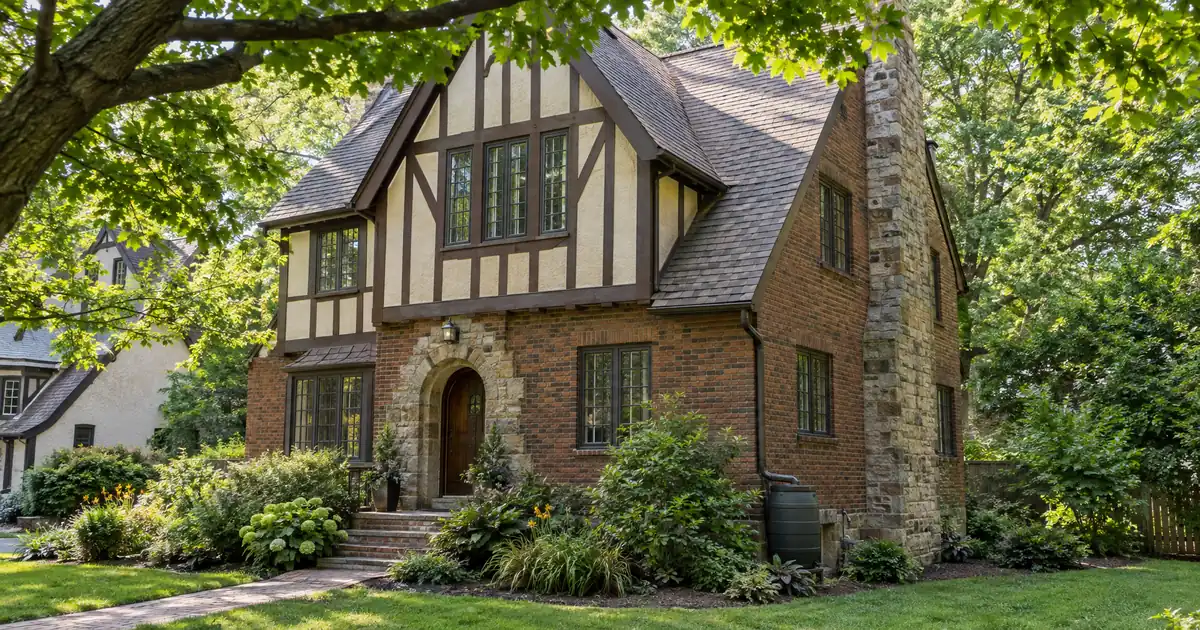
The Quick Read: Usually, yes, but not on the original terms, because a low appraisal rarely kills the loan and almost always changes the numbers it is built on. The appraisal produces two outputs, a value that sets the loan size and a market-rent opinion that sets coverage, and either one can come in short. Whether the deal still works depends on which number missed, the transaction type, and how much cash and contract flexibility you have.
- A value miss shrinks the loan on a purchase, so you fund the gap or renegotiate.
- A rent miss can push coverage under a program’s floor even when value clears.
- On a cash-out refinance, a lower value cuts proceeds directly.
- A documented reconsideration request can help when the report has errors or missed comps. Slight shortfalls rarely move.
A DSCR file lives on two numbers, not one. Most investors treat the appraisal as a single pass/fail event. It is really two separate tests, and the fix for one rarely fixes the other.
DSCR Calculator
Run the numbers in your market
Rate source: Freddie Mac 30-yr average via FRED® — Federal Reserve Bank of St. Louis · effective Oct 15, 2026
Prefilled with starting assumptions — enter your own rent or nightly figures, taxes, insurance, and HOA for a more accurate picture.
Program parameters update from Lendmire’s centralized guideline source. Taxes and insurance are editable estimates.
As of Oct 15, 2026 · General Freddie Mac market benchmark, not a Lendmire loan offer. Rent, nightly rate, occupancy, taxes, and insurance are editable estimates. Short-term rental figures are estimates only and vary significantly by season, property type, management approach, and local short-term-rental rules — confirm local regulations before relying on them. Qualifying income for short-term rentals varies by program — some use appraisal market rent, others use documented STR history or projections — and is confirmed in underwriting. Not a Loan Estimate, approval, or commitment to lend. Program availability and eligibility are subject to lender guidelines, credit approval, property review, and underwriting.
What a Low Appraisal Actually Breaks
A low appraisal breaks one of two things: the loan amount or the coverage ratio. Value drives leverage. Market rent drives the debt service coverage ratio, which compares rent to the full monthly obligation of principal, interest, taxes, insurance, and any HOA dues.
| What missed | What it changes | What it looks like |
|---|---|---|
| Value | Loan amount | Larger cash to close on a purchase, smaller proceeds on a cash-out |
| Rent | Coverage ratio | Ratio falls below the program floor or into a weaker pricing tier |
| Both | Loan size and coverage | Smaller loan, but the ratio may still fall short |
The first column is the one investors forget. Equity does not rescue a file when the rent opinion cannot support the payment. And a strong rent opinion does not rescue a file when the value cuts the loan below what you planned.
DSCR loans are designed for non-owner-occupied investment properties. Because they are business-purpose investor loans, they are reviewed differently from a standard owner-occupied mortgage.
Diagnose First: Which Number Missed?
Start by reading the report, not by calling the lender in a panic. Each miss needs different evidence, so the diagnosis decides the whole plan.
For a one-unit property the rent opinion usually appears on Form 1007, the single-family comparable rent schedule. For two to four units it appears on Form 1025. Both are built from comparable rentals adjusted for size, condition, bedrooms, and location. Here is a quick checklist:
- Check the basics: square footage, bedroom and bath count, lot, and any upgrades the appraiser missed.
- Look at the sales comps: are they recent, close, and similar in condition?
- Look at the rental comps: do they match your unit type and finish level?
- Compare the market rent to any in-place lease.
- Confirm which of the two numbers actually broke the file.
A value miss needs closer, newer, more similar sales. A rent miss needs rent comps or a market-rate lease. Mixing those up wastes the one shot you get at a challenge.
If Value Came In Low on a Purchase
On a purchase, the loan is sized off the lower of the contract price or the appraised value. You fund the difference. A higher appraisal cannot lift the loan above price-based sizing either, so arguing for a bigger number often goes nowhere.
An investor-education thread on BiggerPockets states the sizing rule plainly: the maximum loan is a percentage of the purchase price or of the appraisal, whichever is lower. That matches how most programs across the wholesale network behave.
Consider an investor under contract at $500,000 with a program that allows 75% LTV on a purchase. If the appraisal comes back lower than the contract price, the 75% applies to the lower figure. The loan shrinks, and cash to close rises by the same amount. The lower payment from a smaller loan generally helps the coverage ratio, so a value miss alone often leaves a file that still clears.
Purchase leverage across most programs in the network lands between 75% and 80% LTV, with select high-leverage programs reaching 85% for stronger credit. Those caps apply to the lower value. A larger down payment lowers the payment and can lift the ratio. It never erases leverage caps, credit floors, reserve rules, or property eligibility.
Your contract decides what happens next. With an appraisal contingency, you can generally renegotiate, bring cash, or step away. Without one, your leverage drops sharply, as a BiggerPockets thread on a too-low appraisal notes. The seller is not obligated to cut the price. That is a contract question, not a lending rule.
If Value Came In Low on a Refinance or Cash-Out
On a refinance, the existing payoff stays fixed while the value moves, so the shortfall comes straight out of your proceeds. Cash-out refinances top out around 75% LTV across most of the network, with about six months of seasoning as the common expectation. The exact numbers vary by lender and program and follow a full review of property, leverage, and credit.
Run the logic on a property you hoped to refinance. If the new value is lower than you planned, 75% of that smaller number covers the payoff and leaves less cash back. Sometimes it leaves none. A smaller cash-out request may still work. Pulling equity to fund the next purchase is a different decision than pulling it for general liquidity, so the shortfall matters more if you had a specific acquisition lined up.
The BRRRR strategy is the harshest version. The after-repair value only sized the bridge loan. The refinance is sized off the new appraisal, and a low value can trap cash in the property or turn expected cash-back into cash due. Lendmire’s own coverage of low appraisals on BRRRR refinances goes deeper on that sequence. Delayed financing follows a similar logic, capping the loan at the lower of documented purchase price or appraised value.
If Rent Came In Low
A low rent opinion can sink a file even when value clears. Most programs use the lower of the in-place lease and the appraiser’s market rent. On a vacant or value-add property there is no lease to compare, so the appraiser’s figure becomes the numerator.
Coverage of 1.00 is where many select programs start, and stronger ratios open better pricing and leverage. A separate select-lender path takes coverage below 1.00 with leverage and terms adjusted. No-ratio structures are available only through select lenders, generally for borrowers who already own a primary residence. Qualification for any of these is subject to lender guidelines, credit approval, and property review.
Here is the part that trips people up. Shrinking the loan lowers the payment, which can rescue a mild rent miss. But if the rent opinion is far below the payment, a smaller loan may not get there. Other structural options include extended terms or interest-only periods through select lenders in the network, which can lift the ratio because the payment is built on interest, taxes, and insurance rather than full amortization.
Two cautions on rent. First, clearing 1.00 is not positive cash flow. The ratio compares rent to the monthly obligation only, and repairs, vacancy, management, utilities, and capex all sit outside it. Second, short-term rentals do not translate cleanly. The 1007 estimates monthly market rent, not nightly rates, so multiplying a nightly rate by 30 is not valid market rent. For short-term rental files, purchase leverage tops out at 75% and cash-out at 70%, with about 12 months of hosting history and a 640+ score expected. Short-term rental rules can vary by city, county, HOA, and property type, so investors should confirm local rules before relying on projected rental income. Final terms depend on the lender’s guidelines, the property type, and the borrower’s complete credit picture.
Can You Challenge the Appraisal?
Sometimes. A documented request to review the value works best when the report has an error or missed better comps. Slight shortfalls rarely move.
The formal mechanism is called a reconsideration of value, or ROV. The interagency guidance from the Federal Reserve describes it as a request by the financial institution to the appraiser to reassess the report, triggered by deficiencies or information that may affect the value conclusion. It also says it is permissible to ask the preparer to consider additional comparable-property information or to correct errors. The same guidance is hosted by the CFPB, and the ABA Banking Journal reports the CFPB’s view that lenders need a clear, consistent ROV process.
Here is the catch. That guidance is framed around consumer-oriented residential valuations, and DSCR loans are business-purpose. A formal ROV right is not guaranteed, and each lender’s process governs. The practical move is to ask your broker or lender whether and how they accept reviews before you build the packet.
Two process points matter. A request goes through the lender or broker, never directly to the appraiser. And the appraiser may keep the original number.
| Evidence that tends to help | Evidence that tends not to |
|---|---|
| Wrong square footage, bedroom or bath count | Opinions about what the property is worth |
| Closer, newer, more similar sales the report skipped | Asking prices and listings with no sale |
| Invoices and permits for completed upgrades | Rent estimates from your own research |
| Rental comps matching your unit type | Nightly short-term rates multiplied out |
BiggerPockets’ guide to a low appraisal says to double-check figures and give the appraiser evidence of any error, and it adds that when the appraisal is only slightly low, the odds of a successful appeal are not great. That is a fair read. The honest expectation is that a documented error can move the number and a disagreement alone usually cannot.
Your Options Compared
If the value holds, you are choosing among options with different costs. This table maps them.
| Option | Applies to | Effect | Main cost or risk |
|---|---|---|---|
| Bring cash for the gap | Purchase | Keeps the deal on price | Higher cash to close |
| Smaller loan or cash-out | Both | Lowers the payment, may lift coverage | Less leverage or proceeds |
| Renegotiate price | Purchase | Cuts the gap at the source | Depends on your contract |
| Restructure the loan | Both | Interest-only or extended term may lift coverage | Terms adjust by lender |
| Second appraisal or new lender | Both | May change the report | Another fee, no guarantee |
| Walk away | Purchase | Limits further exposure | Depends on contingency wording |
Switching lenders usually helps less than investors hope. The comps follow the property, so a second lender will see the same sales. Program differences can matter at the margins, and across the wholesale network guidelines on leverage, reserves, and coverage do vary, but do not expect a different lender to produce a different value.
Thinking out loud on a close call: with a small value miss and strong coverage, bringing the cash is often cleaner than fighting a challenge you will probably lose. With a large miss and a contract that gives you room, renegotiation is the stronger play. With a rent miss and no lease to fall back on, no amount of equity fixes the file, and the real question becomes whether the property belongs in the DSCR lane at all.
DSCR vs. conventional financing
There are two common ways to finance an investment property, and they qualify you differently — here’s how investors weigh them.
Why investors choose it
- Qualifies on the property’s rental income — no personal tax returns, W-2s, or pay stubs needed to document income.
- No personal debt-to-income ceiling to clear, so existing mortgages and obligations don’t cap your borrowing the same way.
- Can be closed in an LLC, keeping the property inside a business entity.
- Built for scaling — not held to the limit on number of financed properties that conventional financing applies.
- Underwriting centers on the deal: generally qualifies when the rent covers the payment, a 1.00x coverage ratio being a common baseline (confirmed in underwriting).
- Designed specifically for investment property, including long-term and, where the program allows, short-term rentals.
Where it’s strong
- Often the lowest ongoing financing cost for a buyer who fully qualifies on personal income — a fit for a first property or a cost-first purchase.
Trade-offs for investors
- Requires full personal income documentation and must fit within a debt-to-income limit — salary, existing debts, and other mortgages all count.
- Typically held in your personal name rather than a business entity.
- Caps how many financed properties you can carry, which can become a ceiling as a portfolio grows.
- Evaluates you as a borrower as much as the property, which usually means more paperwork.
How investors usually choose: a first or single property often optimizes for the lowest financing cost; portfolio builders often optimize for leverage, vesting in an LLC, and scaling past conventional caps. The right answer depends on your goals, the property, and current guidelines — both paths run through select lenders in Lendmire’s wholesale network, with eligibility and terms confirmed in underwriting.
Decision Path
- Value missed on a purchase, rent fine: Check for report errors, then choose between cash, price renegotiation, or a smaller loan. Coverage generally improves as the loan shrinks.
- Value missed on a refinance or cash-out: Resize the request to the new value. A smaller cash-out may still work. A rate-and-term refinance may still close if the payoff fits within the cap.
- Rent missed, value fine: Look for a lease or rent comps that support a review. Otherwise consider lower leverage, interest-only structuring, or a select-lender path with adjusted terms.
- Both missed: Fix the value side first, then recheck coverage at the new loan size.
Watch your contract and any lock deadlines alongside all of this. The appraisal contingency wording decides whether you can walk, and extending it is a negotiation, not a right. Reserves still apply on a resized loan, commonly around six months of PITIA, stepping up to about nine months on loans above $1,500,000. Credit floors do not move either.
A Practitioner Note on What Actually Saves Files
Across the file flow in the wholesale network, the files that survive a low appraisal tend to share one trait: the investor underwrote the deal with a cushion below best-case value and rent. When a file only works at the full appraised value and full projected rent, a modest miss breaks it. When the deal still clears at a slightly lower value, the appraisal becomes an inconvenience instead of an ending. Programs differ on leverage and coverage tiers, so a file that is tight at one lender can work at another, but the cushion matters more than the lender.
Key Terms Defined
Appraised value: The appraiser’s opinion of what the property is worth, which sets the maximum loan on most files.
Market rent: The appraiser’s estimate of what the property would rent for, used as the rent figure in the coverage ratio.
DSCR (debt service coverage ratio): Monthly rent divided by the full monthly obligation of principal, interest, taxes, insurance, and HOA dues.
ROV (reconsideration of value): A lender-routed request that the appraiser review the report for errors or missed comparables.
Delayed financing: A refinance soon after an all-cash purchase, capped at the lower of documented price or appraised value.
How to Reduce the Risk Next Time
Document improvements before the appraisal with invoices, permits, and dated photos. Gather rental comps that match your unit type. Give the lender a current lease where one exists. Stress-test the deal at a value and rent a little below your best case. Tax treatment varies by how funds are used and how the property is held, so keep clear records and consult a qualified tax professional.
For a broader look at how these loans are structured, Lendmire’s complete DSCR loans guide covers the mechanics. For a parallel situation in another loan type, Lendmire’s piece How to Save a Jumbo Cash-Out When the Appraisal Comes In Low walks through the same resize-or-restructure logic.
If you are buying or refinancing a rental property and want to see how the numbers work, Lendmire, a broker arranging DSCR financing through select lenders in its wholesale network across 41 markets including Washington, D.C., can help you compare loan options based on the property income, credit profile, leverage, and investor goals. Terms vary by lender and file. This is not a commitment to lend.
Frequently Asked Questions
Can I order my own appraisal to get a higher number?
No. The lender orders the appraisal independently, and one you commission on your own generally will not be used. The route open to you is a documented request, made through your lender or broker, that the original appraiser review specific errors or missed comparables.
Does a low appraisal mean automatic denial?
No. More often the loan is resized. On a purchase the loan follows the lower value and you fund the gap. On a cash-out, proceeds shrink. Denial becomes likely mainly when the rent opinion cannot support the payment at any workable loan size.
Will a higher appraisal give me a bigger loan on a purchase?
Not if the contract price is the lower number. Purchase sizing follows the lower of price or value, so an appraisal above the contract price does not lift the loan above price-based sizing.
Does locking my pricing protect me from a low appraisal?
No. A lock holds pricing only. It does not change the appraised value, the market rent, the loan amount, or the coverage ratio.
Can the seller be forced to lower the price?
No automatic rule exists. Your contract and its appraisal contingency decide whether you can renegotiate, bring cash, or walk. Without a contingency, your leverage is limited.
About Lendmire
Lendmire (NMLS# 2371349), a non-QM mortgage broker serving investors in 41 markets including Washington, D.C., helps structure DSCR scenarios commonly evaluated around a property’s rental income rather than personal income paperwork, subject to lender guidelines. A Scotsman Guide Top Mortgage Workplace in 2025 and 2026, Lendmire places loans through wholesale investor lenders and is not a direct lender.
Get Started
Ready to find the right loan for you?
In about 30 seconds you can review financing options available for your investment property. No commitment required.
Informational only. Not a Loan Estimate, approval, or commitment to lend. Program availability and eligibility are subject to lender guidelines, credit approval, property review, and underwriting.
References
1. BiggerPockets forum, “Unexpected low appraisal”
2. BiggerPockets forum, “Help! Appraisal came in too low”
3. Interagency Guidance on Reconsiderations of Value (Federal Reserve SR 24-03)
4. Interagency ROV Guidance (CFPB-hosted copy)
5. ABA Banking Journal, “Reconsideration of value”
6. BiggerPockets, challenging a low appraisal
This article is part of Lendmire’s DSCR loan program — full qualification details, guidelines, and scenarios live on the program page.
Related reading: No-Ratio DSCR Loan vs Profit and Loss Only Loan · Interest-Only DSCR Loan vs. 1099-Only Loan · How to Prepare a Rental Property for a DSCR Appraisal
Brandon Miller
Founder & CEO, Mortgage Loan Originator, Lendmire LLC
- Mortgage Loan Originator · NMLS# 1129696 · Verify on NMLS Consumer Access
- North Carolina Real Estate Broker · License# 343312 · Verify on NCREC
- North Carolina Insurance Producer · License# 19053198 · Property, Casualty, Life, Health · Verify on NAIC SBS
- Lendmire LLC · Firm NMLS# 2371349 · Verify firm licensure
Disclosure information. Lendmire is a state-licensed mortgage brokerage under NMLS# 2371349. Lendmire is not a depository institution, direct lender, or financial advisor — all loans referenced are placed through wholesale lender partners and are subject to each lender's underwriting standards. This article is provided for general informational purposes and is not a commitment to lend, nor does it constitute financial, legal, or tax advice. Loan programs, terms, rates, and qualification standards change without notice and depend on borrower profile, property type, and the state in which the subject property is located. Equal Housing Opportunity provider. NMLS Consumer Access: nmlsconsumeraccess.org.