
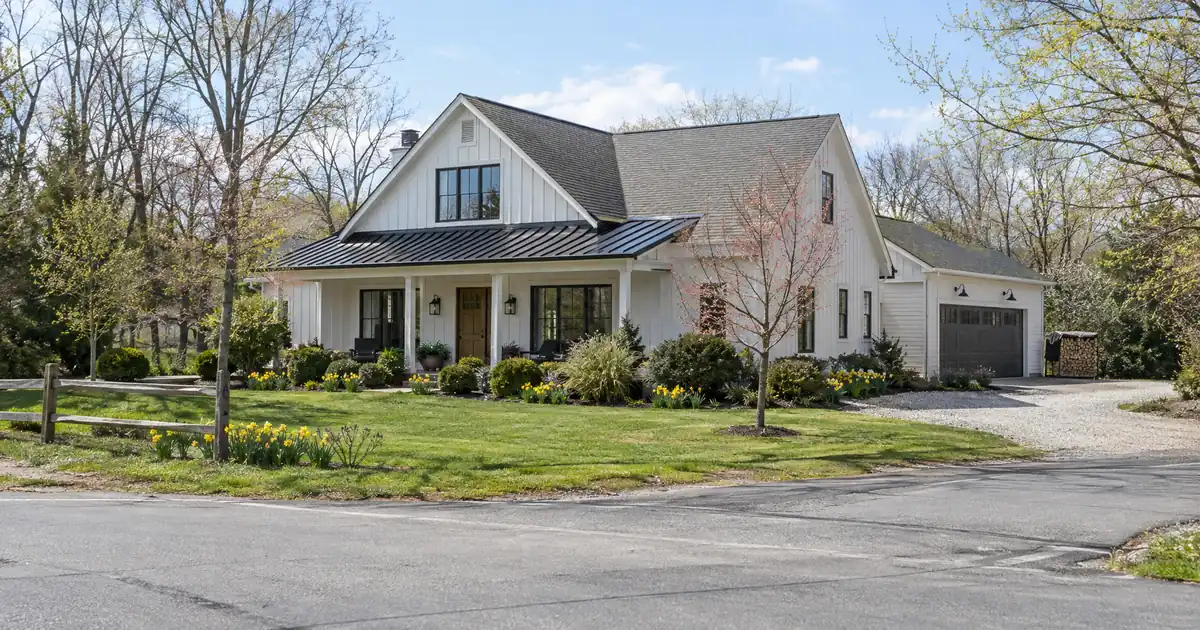
The Quick Read: Usually not harder in kind, but heavier in volume. A tenant-occupied rental package on DSCR still skips your personal income file, because the loan is reviewed primarily on property-level rental income covering the payment, subject to lender guidelines. The paperwork moves to the properties: a lease for each rental, a rent roll for multi-unit buildings, and an appraiser’s market-rent schedule. Each extra door adds another set of documents, and every one has to match.
- Personal income documents are not the center of the file. Lease and rent evidence is.
- Most programs credit the lower of the in-place lease and the appraiser’s market rent.
- Unsigned, incomplete, or mismatched leases are the most common way these files stall.
- The seller holds most of the paper, so your coordination work goes up.
- Blended (pooled) coverage can carry one thin property, but every door still needs its own documentation.
Key Terms Defined
DSCR (debt service coverage ratio) is monthly rent divided by the monthly housing payment. A 1.00 means the rent just covers it.
PITIA is principal, interest, taxes, insurance, and any HOA dues. It is the payment side of the ratio.
Rent roll is a unit-by-unit list of tenants, rents, and lease dates for a multi-unit building.
Rent schedule is the appraiser’s estimate of market rent. Single-family appraisals use Form 1007, and 2-4 unit buildings use Form 1025.
Estoppel certificate is a statement signed by the tenant confirming the rent, deposit, lease term, and any defaults.
Holdover means a tenant who stays after the lease expires, often month to month.
Harder Than What?
Harder than a vacant purchase, yes, a little. Harder than a conventional owner-occupied purchase, no. Conventional underwriting digs into your pay stubs, traditional personal-income documentation, and debt-to-income. A DSCR file swaps that for property evidence.
Here is how the burden stacks up across the common situations.
| Situation | Rent evidence | Main friction |
|---|---|---|
| Vacant single rental | Appraiser’s rent schedule | Fewest documents |
| Occupied single rental | Lease plus rent schedule | Getting a clean, signed lease |
| Occupied 2-4 unit | Leases, rent roll, rent schedule | Per-unit consistency |
| Multi-property package | All of the above, per property | Volume and mismatches |
Vacancy alone does not disqualify a file. It just means the appraiser’s rent schedule stands by itself. An occupied property gives you more evidence that the rent is real, and that is the trade: more paper, more proof.
What a Tenant-Occupied File Adds
Across the wholesale network, the occupied-property file typically adds four things on top of the standard property package:
1. The executed lease and every addendum. Every page, every signature.
2. A rent roll on any multi-unit building.
3. The appraisal’s rent schedule. It is still required even with a tenant in place.
4. Payment history or deposit records when an underwriter asks for them.
The appraisal produces two numbers. Value drives your leverage, and market rent drives your coverage. A tenant in place does not replace the second number.
Lenders do not want to rely on a lease they cannot read cleanly. The usual tripwires are a missing signature, a missing page, unclear rent terms, or a lease that does not match the unit details. Each one can pause a file until the seller fixes it.
Which Rent Does the Lender Count?
Most programs we place files with credit the lower of the in-place lease and the market rent. An above-market lease does not lift your ratio. Tenants who happen to pay more than the appraiser’s number still get counted at the appraiser’s number.
A below-market lease works against you. The unit might rent for more, but only the rent in effect counts. If the tenant agrees, renewing at market before the appraisal can help.
Practices differ by lender. Some programs allow a variance between lease and appraisal rent, and others use the schedule alone. Underwrite your deal at the lower figure, not the seller’s pro forma.
| Lease situation | Typical treatment |
|---|---|
| Lease above market | Market rent controls |
| Lease below market | Lease controls |
| Month-to-month or expired | Market rent, with lease and payment history as support |
| Vacant unit in the package | Appraiser’s rent schedule alone |
| 2-4 unit building | Each unit’s rent, plus a rent roll |
For more on this, see Lendmire’s piece How to Fix a Low Lender Rent Figure on a DSCR Cash-Out Refinance. That article covers the renewal approach in detail, so it is not repeated here.
The Estoppel Question
An estoppel is a useful tool, but it is not a universal DSCR requirement. Whether a program asks for one depends on the lender and the file.
As a buyer’s due-diligence step, it is smart. A law-firm explainer from Rollins Legal notes that estoppels are common in commercial deals but often overlooked in residential purchases. Typical contents include confirmation that the lease exists and is in force, no defaults, the security deposit amount, no tenant claims against rent, and any rent paid in advance. CRE Vertical adds that estoppels are typically requested at sale or refinance, at the buyer’s or lender’s insistence. Re-Leased describes the same document in a commercial-lease setting, which shows where the practice comes from.
Why bother on a DSCR purchase? Because you did not sign the lease. The seller did. An estoppel catches side deals, prepaid rent, and deposit surprises before they become your problem.
When the Paperwork Doesn’t Match
The mismatch is where tenant-occupied packages get slow. The lease says one rent, the rent roll says another, and the seller’s listing says a third. Underwriting cannot guess which one is right.
Work it in this order:
1. Start with the signed lease. It is the legal document.
2. Compare it to the rent roll, line by line.
3. Check payment history or deposits against both.
4. Compare all of it to the appraiser’s rent schedule.
5. Ask the seller to correct or explain every gap before you submit.
A property-management explainer from CFL Property Management warns that taking a seller’s word on rent or deposits without checking with tenants can turn into a disaster. That is a vendor’s opinion, but the risk is real. Watch for unverified side agreements, deposits that transfer to you, and rent prepaid to the seller.
Special Lease Situations
- Month-to-month or holdover. Expect market rent to carry the ratio. The lease and any payment history support it.
- A lease signed just before listing. Underwriters notice. Payment history helps show the rent is real.
- A related-party tenant. Expect more questions. Documented payments matter.
- Mixed occupancy. Some units leased, some vacant, some month-to-month. Each unit follows its own rule from the table above.
Packages and Multi-Unit Buildings
A package is not automatically one loan. It can be a single blanket loan under one note, or separate loans closed together. The two behave differently, so ask which structure the deal uses.
Under the portfolio program, 2 to 20 properties can sit under one 30-year note, with loan sizes from $300,000 to $5,000,000 and leverage up to 80% of value on a purchase, subject to lender guidelines. Coverage is measured on the pool: pooled rent against pooled debt service. Stronger properties can offset weaker ones. A rental below 1.00 can sit in the pool, but the pooled coverage, the leverage, and the terms are what underwriting tests.
For larger holdings, the rental portfolio term loan covers five or more properties or units under one loan, with leverage up to 75% of value. Terms run on fixed schedules with a balloon at maturity. Recourse and non-recourse versions exist. Non-recourse looks to the real estate, with carve-outs such as fraud and bankruptcy. Final terms depend on lender guidelines, property type, leverage, and the borrower’s complete credit picture.
Pooling does not shrink the paper. Every property still needs a lease or an appraiser-supported market rent. A blanket also carries cross-collateral exposure, so one default can reach every property in the note. Credit floors typically start around 640, with some structures wanting more, and some require a special-purpose entity, typically an LLC, subject to program terms. Owner-occupied property, mobile homes, co-ops, mixed-use, and commercial property are not eligible in the pool.
A single-property DSCR loan is different. Purchases typically run 75%-80% LTV on an investment property, and a 1.00 coverage floor is where select programs start. Reserves are commonly about 6 months of PITIA, stepping up to about 9 months above $1,500,000. Lendmire’s complete DSCR loans guide walks through those single-property basics.
The Practitioner Take
On package deals, the files that move cleanly share one trait: the seller’s documents were organized before the offer. A mismatched or unsigned lease on door seven can hold up all ten. Ask for every lease, amendment, and the rent roll up front, and build the request into your due-diligence window.
Clearing 1.00 is also not the same as positive cash flow. DSCR compares rent to PITIA only. Repairs, vacancy, management, utilities, and capex sit outside the calculation. A package can pass the ratio and still run thin.
Pre-Offer Seller Request List
- Every lease with all addenda, fully signed
- A current rent roll for any multi-unit building
- Payment history or deposit records
- Security deposit amounts and where they are held
- Any concessions or prepaid rent
- Management agreements, if a manager is in place
- Estoppels, if you plan to request them
If a tenant renovation is part of your plan, Lendmire’s article Can You Renovate a Tenant-Occupied Rental With Cash-Out Proceeds? covers that separate question.
Frequently Asked Questions
Is a lease always required on an occupied purchase?
On most programs, yes, plus a rent roll for 2-4 units. The appraiser’s rent schedule is still ordered, and it can carry the ratio when the lease is expired, missing, or above market.
What if the tenant is month-to-month?
Market rent usually carries the ratio, often alone. The expired lease and payment history serve as support. Renewing at market can help if the tenant agrees.
Can I use the seller’s stated rents?
Not on their own. Lenders rely on signed leases and the appraiser’s schedule. Treat seller pro formas as a starting claim to verify.
Do I need to show tenant income?
No. The file tests the property’s rent, not the tenant’s earnings or your personal income, subject to lender guidelines.
Does a package change what I document?
It multiplies it. Each property needs its own lease or rent support, and underwriting reviews each property before blending the numbers.
If you are buying or refinancing a rental property and want to see how the numbers work, Lendmire can help you compare DSCR loan options based on the property income, credit profile, leverage, and investor goals. Programs change and every file is underwritten individually, so nothing here is a commitment to lend.
Tax treatment varies; consult a qualified professional.
Buyers who collect the lease, rent roll, and deposit records before the offer tend to find the occupied package is a paperwork exercise, not a qualification obstacle.
About Lendmire
Lendmire (NMLS# 2371349) is a mortgage brokerage built around DSCR investor lending, with programs available in 41 markets, including Washington, D.C. DSCR lenders commonly evaluate rental-income coverage instead of personal income paperwork — a practical fit for LLC-owned and multi-property investors. Terms vary by lender, property, leverage, and program. Scotsman Guide named Lendmire a Top Mortgage Workplace in both 2025 and 2026.
Get Started
Ready to find the right loan for you?
In about 30 seconds you can review financing options available for your investment property. No commitment required.
Informational only. Not a Loan Estimate, approval, or commitment to lend. Program availability and eligibility are subject to lender guidelines, credit approval, property review, and underwriting.
References
1. Rollins Legal – Estoppel certificates
2. CRE Vertical – Tenant estoppel
3. Re-Leased – Estoppel certificate
4. CFL Property Management – Tenant estoppel
This article is part of Lendmire’s DSCR loan program — full qualification details, guidelines, and scenarios live on the program page.
Related reading: How Much a Weak Rental Drags Pooled DSCR and What Offsets It · How to Finance a Beachfront Rental With a DSCR Loan · How to Use a 10-Year IO DSCR Period to Qualify a Luxury Rental
Brandon Miller
Founder & CEO, Mortgage Loan Originator, Lendmire LLC
- Mortgage Loan Originator · NMLS# 1129696 · Verify on NMLS Consumer Access
- North Carolina Real Estate Broker · License# 343312 · Verify on NCREC
- North Carolina Insurance Producer · License# 19053198 · Property, Casualty, Life, Health · Verify on NAIC SBS
- Lendmire LLC · Firm NMLS# 2371349 · Verify firm licensure
Disclosure information. Lendmire is a state-licensed mortgage brokerage under NMLS# 2371349. Lendmire is not a depository institution, direct lender, or financial advisor — all loans referenced are placed through wholesale lender partners and are subject to each lender's underwriting standards. This article is provided for general informational purposes and is not a commitment to lend, nor does it constitute financial, legal, or tax advice. Loan programs, terms, rates, and qualification standards change without notice and depend on borrower profile, property type, and the state in which the subject property is located. Equal Housing Opportunity provider. NMLS Consumer Access: nmlsconsumeraccess.org.