
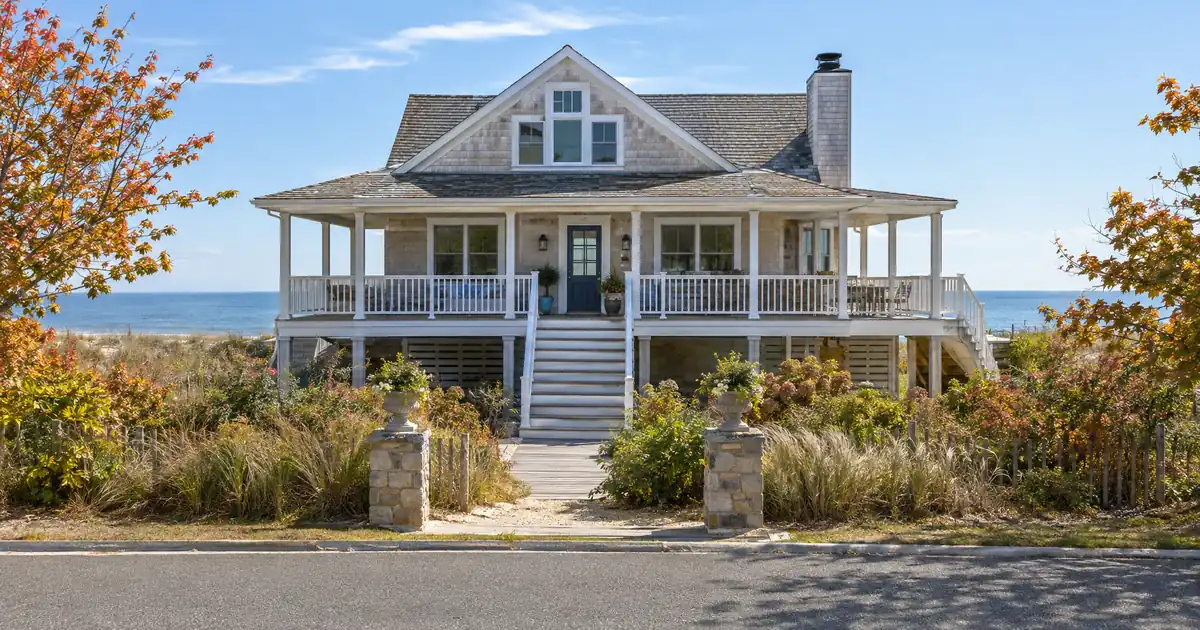
The Quick Read: A DSCR cash-out refinance can pay for storm repairs only when the property is close enough to rentable that a lender can appraise it, insure it and show rent covering the payment. It is a refinance of a rent-producing asset, not a rehab loan. Insurance and flood status shape the file as much as equity does.
- Cash-out on standard rentals tops out around 75% LTV, with about 6 months of ownership measured from title recording.
- A habitable, leased property with minor damage is the best fit. An uninhabitable one usually needs cash, claim money or a bridge loan first.
- Post-storm insurance resets raise the monthly obligation and can pull coverage under a lender’s minimum.
- Passing the coverage test does not mean the rental cash flows. Repairs, vacancy and management sit outside the ratio.
- Flood zone status and the FEMA 50% rule can change what repairs are even legal.
This guide covers the mechanics from the broker side. Lendmire arranges these loans through select lenders in its wholesale network across 41 markets, including Washington, D.C. For the full program picture, see the complete DSCR loans guide.
DSCR Cash-Out Calculator
Run the cash-out numbers in your market
Rate source: Freddie Mac 30-yr average via FRED® — Federal Reserve Bank of St. Louis · effective Oct 15, 2026
Prefilled with starting assumptions — enter your property’s value, balance, taxes, and insurance for a more accurate picture.
Program parameters update from Lendmire’s centralized guideline source. Taxes and insurance are editable estimates.
As of Oct 15, 2026 · General Freddie Mac market benchmark, not a Lendmire loan offer. Property value, balance, taxes, and insurance are editable estimates. Maximum loan-to-value varies by lender, program, property type, and seasoning. Not a Loan Estimate, approval, or commitment to lend. Program availability and eligibility are subject to lender guidelines, credit approval, property review, and underwriting.
Can a DSCR Cash-Out Actually Pay for Storm Repairs?
Yes, with conditions. The loan pays off the old mortgage and returns the leftover equity as cash. What you spend that cash on is up to you, and repairs to a rental are a normal business use. The catch is that the lender must first agree the property is a sound piece of collateral today.
Across the wholesale network, DSCR programs are built for rent-ready or nearly rent-ready properties. They are not designed to fund the rehab phase of a distressed house. An appraiser reports condition as of the inspection date. Open storm damage can lower the value, lower the supportable rent, or stop the appraisal altogether.
That leaves two realistic scenarios.
Minor or cosmetic damage, home habitable and leased. A cash-out can work. Roof patching, siding, drywall, fencing, flooring and similar fixes are funded from proceeds. The appraiser still needs to see a safe, insurable, rentable unit.
Uninhabitable or unleased. Cash-out is the wrong first tool. Investors in this spot usually fund phase one with insurance proceeds, cash or a short-term bridge loan. A DSCR refinance then takes that out once the work is done and the unit is re-leased. The property is reappraised at its repaired condition, and rent is re-established.
How Underwriting Treats the File, Step by Step
On a storm file the order of operations matters more than on a clean refinance. Here is how it runs.
1. Stabilize and document the loss. File with the right carrier. Wind and flood are usually separate policies, and each has its own adjuster and deductible. Photos, mitigation invoices and the claim number belong in the file from day one.
2. Settle who controls the claim money. Dwelling checks are often payable to both owner and mortgage holder, and larger claims can be released in stages against repair progress. If a claim is open when you refinance, the old lender’s rights over proceeds and the new lender’s loss-payee clause must be reconciled at payoff. Insurance money and cash-out equity are different pots. Do not count the same repair dollar twice.
3. Classify the transaction. A refinance that returns cash beyond the payoff and costs is a cash-out. That sets the leverage ceiling at about 75% LTV on a standard rental, starts the seasoning clock and affects pricing. A refinance with no cash back is a rate-and-term and carries a higher ceiling. Lender policy draws that line. Leverage, reserves, and pricing vary by lender and program; the final terms follow the full file review.
4. Order the appraisal and rent schedule. The appraiser supports value, condition and rent. The standard rent forms are the 1007 for one unit and the 1025 for two to four units. The lender sizes the loan from its own appraisal and rent figure. Your after-repair estimate and asking rent do not set the loan. Damage can lower both value and supportable rent, and an appraisal may need to be completed subject to repairs.
5. Run the coverage test. DSCR is monthly rent divided by the full monthly obligation: principal, interest, taxes, insurance and any HOA dues. Coastal insurance sits inside that obligation. Wind, hail and flood premiums can move a deal under a program’s minimum and force a leverage cut. 1.00 is where many select programs start, and stronger ratios open better pricing and leverage. A separate select-lender path takes coverage below 1.00, with leverage and terms adjusted.
6. Meet insurance conditions. A coastal or wind-exposed property may need a separate windstorm policy on top of the landlord policy. Flood is its own item.
7. Close and keep the paper trail. Old liens are paid, the new mortgage is recorded, and net proceeds equal the new loan minus payoffs, costs and escrows. Afterward, keep the contractor agreement, invoices and payment records. DSCR loans are designed for non-owner-occupied investment properties, and because they are business-purpose investor loans, they are reviewed differently from a standard owner-occupied mortgage. A signed business-purpose declaration plus a use-of-funds trail keeps that clean.
Where the Coastal Rules Bend: Flood, the 50% Rule and Insurance
Most storm-repair surprises on coastal files come from three places: flood requirements, the substantial-damage rule and the insurance reset.
Flood coverage: expect the requirement
The federal mandatory-purchase rule applies to federally regulated lenders and government-backed purchasers. A Congressional Research Service overview says the requirement is enforced by the lender rather than FEMA and notes that NFIP policy limits are relatively low. DSCR loans are privately funded investor products, so the federal mandate may not literally bind every file. Do not plan around that. Investor lenders and their capital partners generally require flood coverage on a property in a mapped flood zone as a guideline matter.
The trigger is the map, not flood history. The National Association of Realtors describes the Special Flood Hazard Area as the zone with a 1% annual chance of flooding, where flood insurance is required on a federally related mortgage. A standard landlord policy does not cover flood. NFIP also does not pay lost rent, so rent-loss protection has to come from a separate policy.
The FEMA rule: the coastal trap
This one catches investors who assume repairs are just repairs. FEMA’s training material on substantial damage says a building is substantially damaged when the repair cost exceeds 50% of its pre-damage market value. It applies to damage from any cause, and to buildings in a flood hazard area whether or not they carry flood insurance.
If the threshold is crossed, the whole building generally has to meet current floodplain standards, which often means elevation. A cash-out sized for repairs can fall far short of an elevation or rebuild. The lender may also decline collateral that cannot legally be repaired as it stands. Get the local floodplain administrator’s substantial-damage determination in writing before you size the loan.
The insurance reset
Hurricane and wind deductibles on coastal policies are often a percentage of building value rather than a flat amount. A claim can also change what the next renewal looks like. Investors weigh small claims against premium effects before filing, and any decision on a marginal claim is worth running past an insurance agent.
Here is the double squeeze. A new loan raises the debt side. A post-storm renewal raises the insurance side. Both land in the same monthly obligation. A file that cleared comfortably before the storm can sit at the program minimum after it. Pull a fresh insurance quote, not last year’s declaration page, before the file goes to the lender.
Which Route Fits the Damage? A Decision Table
| Property condition | Typical route | What to do first |
|---|---|---|
| Minor damage, leased, habitable | DSCR cash-out | Document repairs, fresh insurance quote |
| Moderate damage, unit vacant but repairable | Claim proceeds or cash, then refinance | Finish repairs, re-lease, then refinance |
| Uninhabitable or unsafe | Bridge loan or cash first | Stabilize, settle claim, then take out |
| Possible 50% rule trigger | Floodplain determination first | Get written substantial-damage ruling |
| Older loan is short-term debt | Cash-out to pay it off | Check payoff terms and seasoning |
Many investors use a bridge or cash for the repair phase, then refinance into long-term DSCR investor loans once the property is stable and rented. That sequence is cleaner than pulling equity mid-damage.
Insurance Proceeds Can Shrink What You Borrow
A claim settlement plus the deductible funded out of pocket may cover most of the repair bill. That can reduce how much cash-out you need, which keeps leverage lower and the coverage ratio healthier. Borrowing less is a legitimate way to protect the file.
Loss-of-rents coverage is separate and is defined by the policy, not the mortgage date. Policies of this type pay during the repair window. If the unit is vacant while work is done, that coverage helps bridge the gap, but it is not the same as the lender recognizing rent.
Tax treatment can depend on how the funds are used and how the property is held; investors should keep clear records and speak with a qualified tax professional before relying on any deduction.
Program Parameters to Expect
These are typical ranges across select lenders in the network, subject to lender guidelines. They are not a commitment to lend.
- Cash-out LTV: up to about 75% on a standard investment rental. Short-term-rental collateral generally sits lower, around 70%.
- Seasoning: about 6 months of ownership, measured from the recorded deed date. Finishing repairs does not reset it.
- Coverage: 1.00 is where many select programs start. A select-lender path takes coverage below 1.00, with leverage and terms adjusted.
- Credit: 620 is a floor in parts of the network, most programs want around 660, and 700 or higher opens the strongest leverage tiers.
- Reserves: commonly about 6 months of the full monthly obligation, and about 9 months on loans above $1,500,000.
- Loan size: up to $3,000,000 on standard programs. Smaller balances route through select lenders.
- Extended structures: 40-year terms and interest-only periods are available through select lenders. An ARM structure is an option for investors who want one.
- Not offered: manufactured homes, log homes and barndominiums fall outside these programs.
Equity available depends on rent used for lender review, the full monthly obligation, reserves and the 75% ceiling. It is not a guaranteed cash figure. A larger equity cushion does not erase credit floors, reserve rules or property eligibility. The strongest files clear both tests: enough equity and enough rental coverage.
Short-term rentals add another layer. Expect a 640+ score and about 12 months of hosting history, with cash-out limited to around 70% LTV. Short-term rental rules can vary by city, county, HOA, and property type, so investors should confirm local rules before relying on projected rental income. Appraisal rent can also understate STR income. Terms vary by lender guidelines, property type, leverage, credit profile, and full file review.
DSCR vs. conventional financing
There are two common ways to finance an investment property, and they qualify you differently — here’s how investors weigh them.
Why investors choose it
- Qualifies on the property’s rental income — no personal tax returns, W-2s, or pay stubs needed to document income.
- No personal debt-to-income ceiling to clear, so existing mortgages and obligations don’t cap your borrowing the same way.
- Can be closed in an LLC, keeping the property inside a business entity.
- Built for scaling — not held to the limit on number of financed properties that conventional financing applies.
- Underwriting centers on the deal: generally qualifies when the rent covers the payment, a 1.00x coverage ratio being a common baseline (confirmed in underwriting).
- Designed specifically for investment property, including long-term and, where the program allows, short-term rentals.
Where it’s strong
- Often the lowest ongoing financing cost for a buyer who fully qualifies on personal income — a fit for a first property or a cost-first purchase.
Trade-offs for investors
- Requires full personal income documentation and must fit within a debt-to-income limit — salary, existing debts, and other mortgages all count.
- Typically held in your personal name rather than a business entity.
- Caps how many financed properties you can carry, which can become a ceiling as a portfolio grows.
- Evaluates you as a borrower as much as the property, which usually means more paperwork.
How investors usually choose: a first or single property often optimizes for the lowest financing cost; portfolio builders often optimize for leverage, vesting in an LLC, and scaling past conventional caps. The right answer depends on your goals, the property, and current guidelines — both paths run through select lenders in Lendmire’s wholesale network, with eligibility and terms confirmed in underwriting.
Key Terms Defined
DSCR (debt service coverage ratio): Monthly rent divided by the full monthly obligation on the property.
PITIA: Principal, interest, taxes, insurance and association dues, the full monthly obligation the ratio is measured against.
Cash-out refinance: A new loan that pays off the old one and returns leftover equity as cash.
Seasoning: The ownership period a lender expects before it allows cash-out, measured from title recording.
Substantial damage: FEMA’s term for repair cost above 50% of a building’s pre-damage market value.
Loss-payee clause: The insurance provision naming a lender to be paid on a covered loss to the property.
Common Mistakes on Storm-Repair Files
- Treating DSCR as a rehab loan. It refinances a rentable asset. It does not fund the distressed phase.
- Assuming a landlord policy covers flood. It generally does not.
- Using stale insurance quotes. The post-storm quote is the one that counts.
- Over-pulling equity. Borrowing to the 75% ceiling on a thin ratio leaves no margin for the next premium reset.
- Reading a pass as positive cash flow. The ratio compares rent to the monthly obligation only. Repairs, vacancy, management, utilities and capex sit outside it.
- Assuming after-repair rent sets the loan. The lender’s appraisal and rent figure do.
- Skipping the use-of-funds trail. Keep the contractor paperwork.
- Expecting a pooled loan to ignore the damage. On a portfolio loan, a damaged house is typically handled by repair-and-keep, partial release or sale out of the pool.
For investors weighing another equity option, Lendmire’s piece How to Use a Jumbo DSCR Cash-Out to Fund Your Next Rental Down Payment covers the larger-balance side of the same product.
Frequently Asked Questions
Can I use DSCR cash-out proceeds for repairs on a rental?
Yes. Repairs to a rental are a normal business use of cash-out proceeds. The loan is underwritten on the property’s condition, value and rent, so the home has to be in shape to appraise and insure first. Keep invoices and payment records as a use-of-funds trail.
Does a storm-damaged property qualify?
It depends on severity. A habitable, leased property with minor damage can work. A unit that cannot be occupied generally needs cash, claim money or a bridge loan first, and a DSCR refinance follows once it is repaired and re-leased. Qualification is subject to lender guidelines and property review.
How do wind and flood coverage affect the coverage ratio?
Both sit inside the monthly obligation. Higher premiums raise the denominator and lower the ratio, sometimes enough to force lower leverage. Flood is separate from a landlord policy, and wind may require its own policy on coastal properties.
What if the ratio comes in short?
Options include a larger down payment, lower leverage, or a select-lender path for coverage below 1.00, which adjusts leverage and terms. Funding repairs with claim proceeds so you borrow less also helps.
Should I use cash-out or a bridge loan?
Use cash-out when the unit is rentable and the ratio holds. Use a bridge or cash first when the property is uninhabitable or the work is large. The long-term refinance then replaces the bridge.
Does an insurance claim check change the refinance?
Yes, it can. Dwelling checks are often payable to both owner and lender, and open claims have to be reconciled at payoff. Settle who controls the money before you apply.
If you are buying or refinancing a rental property and want to see how the numbers work, Lendmire can help you compare DSCR loan options based on the property income, credit profile, leverage, and investor goals. The 50% rule and the flood map should be checked before any repair budget is set, because they decide what the repairs are allowed to be.
A deeper walk-through of investment-property equity extraction lives in Lendmire’s guide to cash-out refinance on an investment property.
About Lendmire
Lendmire (NMLS# 2371349), a non-QM mortgage broker serving investors in 41 markets including Washington, D.C., helps structure DSCR scenarios commonly evaluated around a property’s rental income rather than personal income paperwork, subject to lender guidelines. A Scotsman Guide Top Mortgage Workplace in 2025 and 2026, Lendmire places loans through wholesale investor lenders and is not a direct lender.
Get Started
Ready to find the right loan for you?
In about 30 seconds you can review financing options available for your investment property. No commitment required.
Informational only. Not a Loan Estimate, approval, or commitment to lend. Program availability and eligibility are subject to lender guidelines, credit approval, property review, and underwriting.
References
1. CRS – Introduction to the National Flood Insurance Program (IF10988)
2. National Association of Realtors – Flood zone tips
3. FEMA – NFIP Substantial Damage training unit
This article is part of Lendmire’s investment property cash-out refinance program — full qualification details, guidelines, and scenarios live on the program page.
Related reading: How to Refinance a Newly Leased Rental With a DSCR Loan · How Much a DSCR Cash-Out Pays Toward a Divorce Buyout · How to Choose a DSCR Cash-Out or HELOCs on Paid-Off Rentals
Brandon Miller
Founder & CEO, Mortgage Loan Originator, Lendmire LLC
- Mortgage Loan Originator · NMLS# 1129696 · Verify on NMLS Consumer Access
- North Carolina Real Estate Broker · License# 343312 · Verify on NCREC
- North Carolina Insurance Producer · License# 19053198 · Property, Casualty, Life, Health · Verify on NAIC SBS
- Lendmire LLC · Firm NMLS# 2371349 · Verify firm licensure
Legal disclosures. Lendmire (NMLS# 2371349) is a state-licensed mortgage brokerage that arranges financing through wholesale lender relationships. Lendmire is not a direct lender, depository institution, or registered financial advisor. The discussion above is general informational content about real estate financing — it is not financial, legal, or tax advice, and readers should consult licensed professionals for guidance on their individual circumstances. Loan inquiries are subject to lender underwriting; this article does not represent a commitment to lend. Loan terms, rates, and qualification standards vary by borrower, property, and state, and are subject to change at any time. Equal Housing Opportunity. NMLS Consumer Access: nmlsconsumeraccess.org.