
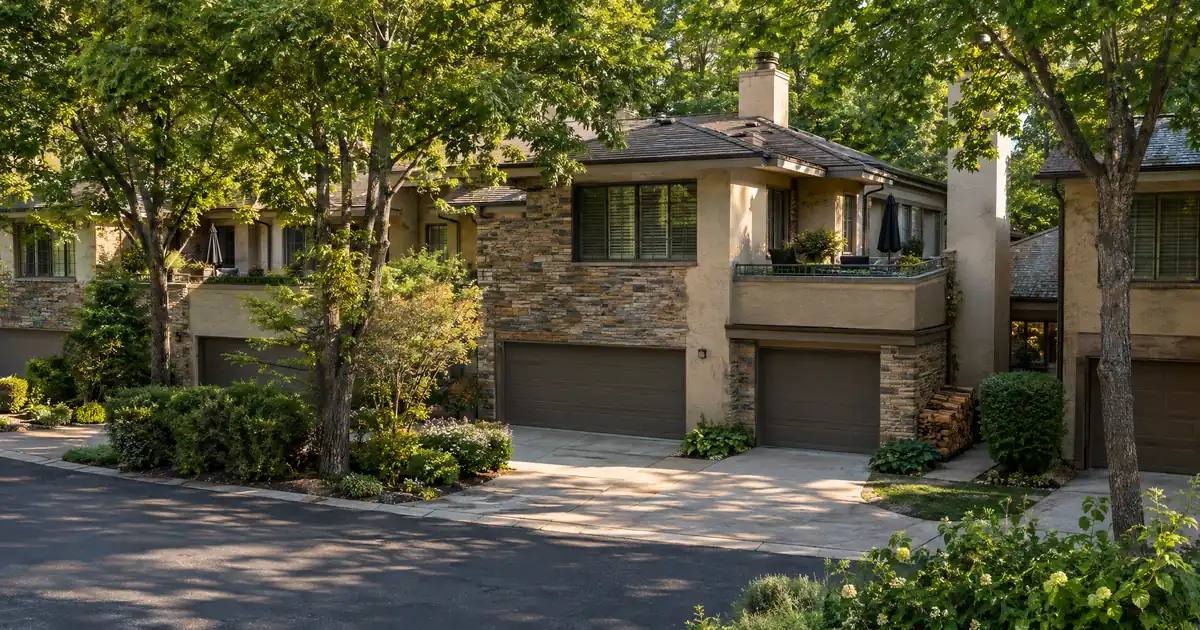
The Quick Read: Yes, in most cases, because many hard money programs treat a condo unit as eligible collateral next to single-family homes and small multifamily, though each building is reviewed and eligibility varies by lender, property, and your experience. The loan is rarely the problem on a condo flip. The building decides how the deal ends, since your future buyer’s lender will judge the HOA, and the HOA’s rules can limit your renovation and your exit.
- Condos are generally eligible when the unit is non-owner-occupied residential collateral, subject to lender guidelines.
- Fix-and-flip leverage is sized to project cost and capped at 75% of after-repair value, the same as for other property types.
- Non-warrantable buildings can often still be financed on the way in, but they shrink your pool of buyers on the way out.
- Pull the HOA documents before you waive contingencies, because rental caps, assessments, and renovation rules can break a flip.
- Choose your exit (sale or long-term refinance) before the bridge closes.
Why a Hard Money Lender Will Look at a Condo
Hard money lending is asset-based. The lender cares about the property, your renovation plan, and how you get repaid, so the loan does not need to meet the standards that make a building eligible for a conventional mortgage. That is why a condo that a bank would reject can still be fundable as a short-term investor loan.
What this loan actually costs to carry.
Hard money is sized against the project and priced by time. Enter the deal and see how much the program will lend, the cash required at closing, the carry while you hold it, and what is left at the exit.
Leverage tiers on the current program: 85% with fewer than 2, 90% with 2 or more, 93% with 5 or more completed projects — every tier capped at 75% of after-repair value. Loan amounts up to $5,000,000, larger by exception; terms of 6 to 18 months, interest-only, no prepayment penalty. The rehab portion funds in draws against completed work, not at closing.
Program parameters shown update from Lendmire’s centralized guideline source. Rate, points, and months are editable assumptions, not quoted terms.
Cost cap sets the loan · positive spread
Illustrative estimate only — not a quote, Loan Estimate, approval, or commitment to lend. Rate, points, and months are editable assumptions. Hard money is business-purpose financing for real estate investors, not a consumer mortgage. Leverage on the current program tops out at 93% of project cost for investors with a documented track record, capped at 75% of after-repair value, with rehab funding up to 100% of the documented budget released in draws; actual terms vary by lender, borrower experience, property, and exit. Lendmire is a mortgage broker, not a lender.
Across the wholesale network where Lendmire places these files, the usual collateral is non-owner-occupied residential property of one to four units. A condo unit fits that description. Commercial space, land, and hospitality properties are not offered, and neither are owner-occupied homes.
The word “yes” comes with a condition. The lender is not only looking at your unit. It also looks at the building, because a troubled project can hurt the value your loan is secured against.
How the Loan Itself Works
Before the condo details, here is the basic structure. A fix-and-flip loan is a short-term, interest-only, business-purpose loan that funds the purchase and the renovation. The short version for a condo looks like this.
- Leverage is based on project cost. Loan-to-cost means the loan as a share of purchase price plus rehab budget. Typical tiers run up to 85% of project cost with fewer than two completed projects, up to 90% with two or more, and up to 93% with five or more. Every tier is capped at 75% of after-repair value, and varies by lender, property, and experience.
- The rehab money comes in draws. Up to 100% of the rehab budget can be funded as work is completed and inspected. That is a share of the renovation budget, not a purchase loan-to-value figure.
- Bridge purchases without rehab. A purchase with no renovation can go up to 80% of the purchase price.
- Terms run six to eighteen months. Payments are interest-only, and there is typically no prepayment penalty.
- Credit and size. A 620 minimum score applies, with added conditions below 660. Loan amounts run up to $5,000,000, with larger loans by exception.
There is no true 100% purchase program. The highest leverage tier is reserved for experienced investors, and first-timers qualify at the lower tiers. Nothing here is a commitment to lend, and every file is underwritten individually.
Where Condos Differ From Houses
A condo changes five things: who controls the exterior, what the lender reviews, what insurance covers, who can buy your finished unit, and how much carry you pay. The comparison below shows where the two property types split.
| Factor | Single-family flip | Condo flip |
|---|---|---|
| What you control | Whole structure | Interior only |
| Lender review | Property and plan | Unit plus building |
| Monthly carry | Taxes, insurance, utilities | Adds HOA dues |
| Renovation limits | Permits and code | Permits, code, and HOA rules |
| Resale buyer pool | Broad | Depends on building status |
The pattern is consistent. A house flip tests your renovation skill and your numbers. A condo flip tests those and also your due diligence on a building you do not control.
Warrantable vs. Non-Warrantable: Why It Matters Twice
A warrantable condo is a building that meets the standards for conventional, agency-eligible mortgages. A non-warrantable condo is a building that fails one or more of them. The label is not a formal, defined category. A building lands there by exclusion, which is why you will hear the term used loosely.
Typical triggers include pending litigation, a high share of investor-owned units, thin reserves, and commercial space. The same trait affects you at two separate points, and the table shows how.
| Building trait | Effect on your hard money loan | Effect on your resale buyer |
|---|---|---|
| Pending litigation | Lender may add review or restrict terms | Conventional lenders may decline |
| High investor concentration | Often manageable, varies by lender | Shrinks the pool of eligible buyers |
| Low reserves | Reviewed case by case | Can block conventional approval |
| Hotel-style operation | Not offered | Hard to finance on either end |
For the entry side, many programs will consider a non-warrantable condo, with leverage and terms that vary by lender. The exit side is where the cost lands. A BiggerPockets investor discussion on flipping condos notes that a non-warrantable association can limit conventional financing for buyers. The unit may then sit longer or need a buyer using alternative financing.
That is the real tradeoff. A non-warrantable building can make the purchase easier and the sale harder. Price your flip as if it may take longer to sell, and make sure your loan term leaves room for that.
The Buyer’s Side: What Your Exit Depends On
Your buyer’s lender will probably review the building, and the rules differ by buyer type. Two examples show the range.
Freddie Mac’s Guide sets project-level tests for conventional condo loans, including limits on how many units one investor can own in a project. In larger projects, the single-investor limit is 25% of units. A building you buy into may already be near those limits, which is a risk to your resale buyer rather than to your own bridge loan.
Buyers using FHA financing face a separate timing rule. HUD’s property flipping page says a property resold shortly after the seller’s acquisition may not be eligible for FHA insurance unless an exemption applies. If your plan is a very short hold, that rule can remove a buyer group from your market. An FHA buyer also needs a building the program accepts, so a complex that is not approved cuts the pool further.
These agency rules do not apply to your hard money loan. They matter because they decide who can buy your finished unit.
HOA Documents to Pull Before You Waive Contingencies
Order the documents before the offer, not after. The HOA documents tell you whether the flip works, and one HOA due-diligence guide calls the budget, reserve study, and master insurance certificate the documents that decide the outcome. Ask for these.
1. The declaration and bylaws. These set rental rules, use restrictions, and renovation approvals.
2. The current budget and reserve study. Thin reserves point toward future assessments and can sink a buyer’s loan.
3. The master insurance certificate. It shows what the building covers, which affects what your unit policy must cover.
4. A condo questionnaire. It covers litigation, delinquencies, investor concentration, and special assessments.
5. Minutes from recent meetings. They reveal planned projects, disputes, and rule changes before they reach a notice.
Read the rental language yourself, even if you plan to sell. A BiggerPockets investor finished a rehab and then found an owner-occupancy-before-renting clause, despite being told rentals were authorized. A flip is not blocked by a rental waiting period, but your fallback plan is.
Renovating Inside HOA Rules
Interior work is usually the easy part. Kitchens, baths, flooring, and paint generally go ahead, though you may still need to submit plans. The friction shows up with windows, exterior doors, plumbing stacks, and anything structural. Those items often belong to the association or require its written approval.
Treat approvals as part of the schedule. Your loan has a fixed term, and every week spent waiting on an HOA board is a week of interest-only carry. Before you scope the draws, confirm three things with the association: which changes need approval, what insurance and contractor documentation they require, and any restrictions on work hours, elevators, and common-area access.
A lender releasing draws against completed work needs the work to be completed. If an approval stalls a phase, the draw stalls with it. Build that delay into your plan instead of assuming a clean run.
Budgeting the Carry (Condo Dues Are Part of It)
Dues run every month whether or not the unit is occupied or under renovation. Redfin’s investor explainer lists the cost stack of a flip as acquisition, rehab, holding costs (including HOA fees), and selling costs. For a condo, holding costs deserve extra weight, since dues are fixed and a special assessment can arrive without warning.
Run your budget three ways. Use your base case, a case where the sale takes longer than planned, and a case that includes a special assessment. If the margin disappears in the second or third case, the deal is thinner than it looks.
Comps need care as well. Compare against units in the same building or a very similar one, because dues and building condition move buyer demand and the appraised value. An improvement may support a higher appraised value, depending on comps and underwriter review. It never guarantees one.
Tax treatment varies; consult a qualified professional.
What an Experienced Broker Sees on These Files
Condo flips that go wrong rarely fail because of the renovation. They fail because the investor learned something about the building after committing, such as a rental cap, a pending assessment, or a reserve problem that made the unit hard to sell. The strongest files tend to have the HOA package reviewed before the offer, a conservative resale assumption, and an exit chosen in advance.
Across the lenders in the wholesale network, the files that move smoothly are the ones where the borrower can explain the building as well as the unit. Lenders see many condo deals, and a clear picture of the project reads as a sign of an experienced operator.
Green, Yellow, and Red Flags
Use this as a screen before you commit.
- Green: an established building, healthy reserves, no litigation, a modest investor share, and renovation rules that allow interior work with simple approval.
- Yellow: a high share of investor-owned units, a recent dues increase, a pending special assessment, or a building that is not accepted by the loan programs your buyers use. These can be worth buying if the price reflects the added exit risk.
- Red: active litigation tied to structural or safety issues, a pattern of delinquent owners, rental or resale restrictions that conflict with your plan, or a hotel-style rental pool. Hospitality-operated projects are not offered under these hard money programs, and they are hard to finance for a buyer too.
Converted buildings and detached “condos” deserve a separate look. A BiggerPockets commenter points out that some single-family-looking HOA communities are legally detached condos or planned communities, which changes how they are classified. Converting a whole building into condos is a different product from flipping one unit, with its own draw schedules and underwriting, so do not mix the two plans.
Exit Strategies: Sell, Refinance, or Hold
You have two main exits. The first is a sale, which depends on the buyer pool covered above. The second is a refinance into long-term rental financing if you decide to keep the unit.
Many investors refinance out of hard money into long-term DSCR financing once the property is stabilized, and Lendmire brokers that path. A DSCR loan compares the property’s rent to its full monthly obligation, so it qualifies primarily on property-level rental income covering the payment, subject to lender guidelines. The ratio does not measure cash flow, because repairs, vacancy, management, and HOA surprises sit outside it. Lendmire’s complete DSCR loans guide explains the mechanics in full.
A condo hold has its own wrinkles. A non-warrantable label usually limits leverage and loan size on the refinance rather than ending eligibility, and an HOA rental ban or rental pooling arrangement can be a real obstacle. The rent figure used is typically based on an appraisal rent schedule for the condo, so the numbers can differ from your own estimate. Lendmire’s piece How to Refinance Hard Money on a Condo Flip You Decided to Keep covers that handoff.
Pick the exit lender before the bridge closes. Hard money has no prepayment penalty, but a longer-term rental loan may carry one, so a quick flip is better served by the bridge and a long hold by the refinance.
Key Terms Defined
After-repair value (ARV): the estimated market value of the unit once the renovation is finished. Hard money leverage is capped against it.
Loan-to-cost: the loan amount as a share of the project’s total cost, meaning purchase price plus rehab budget.
Draw: a release of renovation funds after a phase of work is completed and inspected.
Warrantable condo: a building that meets the standards for conventional, agency-eligible loans.
Non-warrantable condo: a building that fails one or more of those standards, which limits conventional financing for buyers.
CC&Rs: the covenants, conditions, and restrictions that govern what owners can do with their units, including renting and renovating.
Special assessment: a one-time charge to owners to cover a building expense that reserves do not cover.
Frequently Asked Questions
Do lenders finance non-warrantable condos?
Many hard money programs will consider them. Leverage, terms, and the review of the building vary by lender, property, and experience. The harder question is your exit, since non-warrantable status can limit the conventional buyers who can purchase the finished unit.
Can I flip a condo through an LLC?
Many investors hold flips in an entity, subject to lender program eligibility. Be aware that some buyers’ lenders balk at an LLC seller, so a cooperative closing path on the sale side is worth planning for. Keep the entity documents ready when you apply.
Are condos a good choice for a first flip?
They can be, with caveats. First-time investors qualify at the lower leverage tiers, and a condo has a lower renovation scope than a house. The tradeoff is that you cannot control the building, so a first-timer should choose a clean, established project and a simple interior renovation.
What if the HOA announces a special assessment mid-project?
It lands on your budget immediately, because you are the owner. Run your numbers with an assessment scenario before you buy, and ask for meeting minutes that may flag planned work. If the margin cannot absorb it, the deal needs a lower purchase price.
What happens if my buyer cannot get financing?
The sale falls through, and your loan term keeps running. Reduce that risk by checking the building’s status before you buy, pricing for a longer marketing period, and keeping a refinance exit ready as a fallback if the building allows rentals.
Next Steps
A condo flip works when you treat it as two financing decisions: the loan that gets you in, and the buyer’s loan that gets you out. If you are buying, rehabbing or refinancing an investment property on a short timeline and want to see how the numbers work, Lendmire can help you compare hard money options based on the project, the exit plan, leverage, and your goals. Lendmire is a broker that arranges financing through select lenders in its wholesale network across 41 markets, including Washington, D.C.
The best condo flip is usually the one in a building with clean paperwork, because the paperwork is what your buyer’s lender reads.
For current guidelines and terms, see Lendmire’s DSCR loan programs page.
About Lendmire
Lendmire, NMLS# 2371349, is a non-QM mortgage broker serving real estate investors in 41 markets, including Washington, D.C., through DSCR investor loan programs. Qualification is generally reviewed around the subject property’s rental income, not the borrower’s W-2 history — a practical fit for LLC-titled portfolios and self-employed investors. All scenarios remain subject to lender review and program guidelines. Two consecutive Scotsman Guide Top Mortgage Workplace recognitions (2025, 2026).
Get Started
Ready to find the right loan for you?
In about 30 seconds you can review financing options available for your investment property. No commitment required.
Informational only. Not a Loan Estimate, approval, or commitment to lend. Program availability and eligibility are subject to lender guidelines, credit approval, property review, and underwriting.
References
1. BiggerPockets: question for investors who flip condos or townhomes
4. The HOA Guide: condo approval basics
5. BiggerPockets: HOA rental restrictions
6. Redfin: loans for flipping houses
7. BiggerPockets: detached condos and PUDs in HOA communities
This article is part of Lendmire’s hard money loan program — full qualification details, guidelines, and scenarios live on the program page.
Related reading: Seasoning Rules for a Two-Step DSCR Cash-Out After Hard Money · Hard Money Loan Requirements to Buy Out a Land Contract · Hard Money Rehab Draw Inspections for a Full-Gut Rehab
Brandon Miller
Founder & CEO, Mortgage Loan Originator, Lendmire LLC
- Mortgage Loan Originator · NMLS# 1129696 · Verify on NMLS Consumer Access
- North Carolina Real Estate Broker · License# 343312 · Verify on NCREC
- North Carolina Insurance Producer · License# 19053198 · Property, Casualty, Life, Health · Verify on NAIC SBS
- Lendmire LLC · Firm NMLS# 2371349 · Verify firm licensure
Legal disclosures. Lendmire (NMLS# 2371349) is a state-licensed mortgage brokerage that arranges financing through wholesale lender relationships. Lendmire is not a direct lender, depository institution, or registered financial advisor. The discussion above is general informational content about real estate financing — it is not financial, legal, or tax advice, and readers should consult licensed professionals for guidance on their individual circumstances. Loan inquiries are subject to lender underwriting; this article does not represent a commitment to lend. Loan terms, rates, and qualification standards vary by borrower, property, and state, and are subject to change at any time. Equal Housing Opportunity. NMLS Consumer Access: nmlsconsumeraccess.org.