
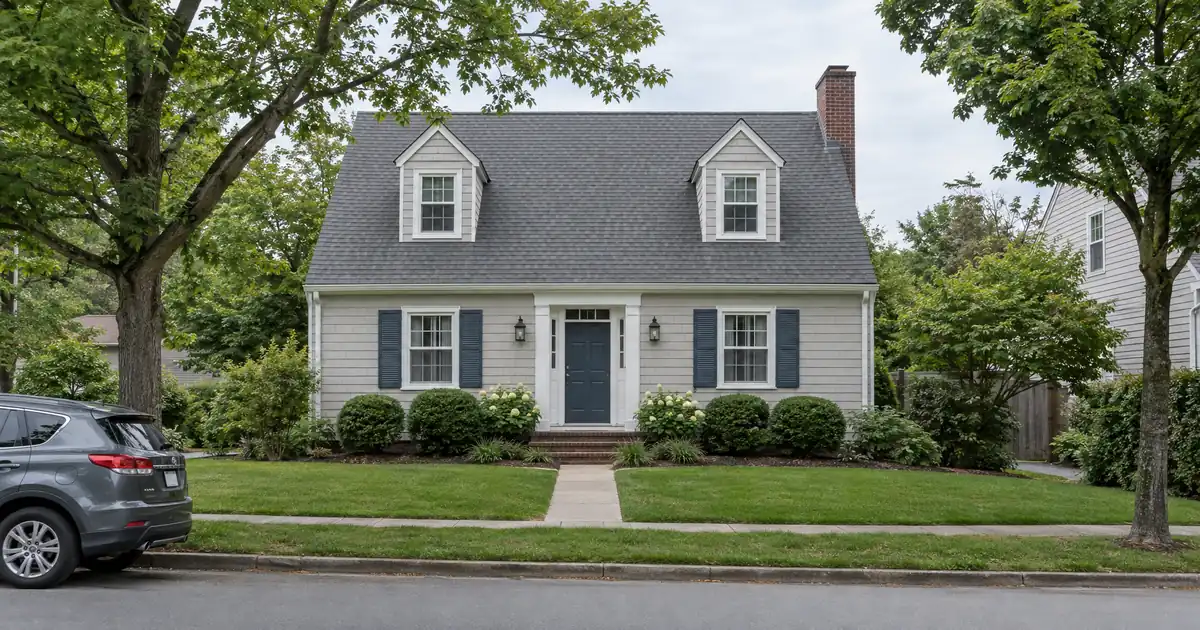
The Quick Read: Yes, in most cases: a home equity line has no restriction on what the money buys, so the proceeds can pay for a rental outright, and the seller sees a buyer with no purchase mortgage on the deal and no financing contingency to wait on. The catch is that the line is secured by another property you own, so that property stays at risk until the line is repaid. Most investors who do this plan a refinance afterward, and a separate lender reviews the rental at that point.
- Yes, the funds are usable for a full purchase. Banks.com notes that HELOC proceeds can cover any purchase, including buying a property with no mortgage.
- The line must already exist. You cannot open a HELOC on a property you have not bought yet.
- Two approvals are involved: the HELOC lender reviews you, and a DSCR lender (if you refinance later) reviews the rental.
- The refinance is the weak link. A cash-out loan returns only a share of the value, so the HELOC may not be fully repaid.
- The HELOC payment sits outside the DSCR math but still comes out of your pocket.
How a HELOC-Funded Cash Purchase Works
The sequence is simple, and each step has a trap. You borrow against equity you already own, move the cash into your own account, buy the property with no purchase mortgage, then either carry the line or refinance to repay it.
How large a line the equity supports.
An equity line is sized by combined loan-to-value, occupancy, and credit — not by rental coverage. Switch the occupancy or the credit band and the ceiling moves with it.
Investment-property lines require a 700 minimum credit score; second-home lines start at a 640 minimum and primary-residence lines at 600, and the combined-LTV ceiling steps down as the credit band drops on primary-residence and second-home lines and holds on investment-property lines; the line cap steps down on primary-residence lines and holds at every tier on investment-property and second-home lines.
A debt-to-income ratio above 45% requires 680+ credit. Profiles under 640 are limited to single-family homes. At least 75% of the approved line is drawn at closing. Ceilings, floors, and caps update from Lendmire’s centralized guideline source.
Line estimate
Illustrative estimate only — not a quote, Loan Estimate, approval, or commitment to lend. The rate is an editable assumption; equity-line pricing is variable through both the draw and repayment periods and never converts to fixed. Occupancy and credit drive the ceiling together: an investment property tops out at 70% combined LTV (minimum credit 700, line cap $500,000); a second home tops out at 90% combined LTV (minimum credit 640, line cap $500,000), with the ceiling stepping down as the credit band drops (the cap holds at every tier); a primary residence tops out at 90% combined LTV (minimum credit 600), and its $750,000 maximum line is available only at 75% combined LTV or below with a 700-or-better credit profile (720 on the longer-runway program) and a full appraisal. Lines above $500,000 require a full appraisal. Credit, debt-to-income, property type, and full underwriting review all affect the final line.
1. Open the line first. The HELOC comes from equity in something you already own, usually your home. It has to be in place before you make an offer.
2. Draw and park the funds. Move the money to your own account and keep the statements. A later lender will want to see where the cash came from and where it landed.
3. Close without a purchase mortgage. The seller sees proof of funds, and you skip the lender-driven contingencies that can slow a contract.
4. Choose the exit. Keep the property and carry the line, or refinance and use the proceeds to repay it.
The strategy has a following. The Physician Philosopher describes using a HELOC to buy in cash and then taking a loan on the property to pay off the line. An investor in a BiggerPockets discussion describes buying outright, rehabbing, seating a tenant, refinancing, paying off the HELOC, and repeating the cycle.
Repeatable on paper. Fragile in practice, as the next sections show.
Two Approvals, Two Different Questions
The HELOC lender underwrites you. A DSCR lender underwrites the rental. Neither approval promises the other.
The HELOC side looks at your equity, credit, existing debt, and the value of the property securing the line. The DSCR side, if you refinance, looks mainly at whether the property’s rent covers its full monthly obligation. DSCR loans are designed for non-owner-occupied investment properties. Because they are business-purpose investor loans, they are reviewed differently from a standard owner-occupied mortgage.
That split creates the central risk. You can win the first approval, spend the money, and then find the second one comes in thinner than you planned. Run both tests before you make an offer, not after.
Which Property Secures the Line?
The line can sit on your primary home or on a rental you already own. The choice changes your risk, your leverage, and who can lend.
| Factor | Line on your primary home | Line on an existing rental |
|---|---|---|
| What is at risk | Your residence | The rental |
| Typical leverage | Highest tiers need 720+ credit | Lower ceiling |
| Lender availability | Wider | Narrower |
| Title | Usually personal | Must be personal or revocable trust |
Across the wholesale network Lendmire places HELOC files with, an investment-property line tops out at 70% combined loan-to-value (CLTV) and $500,000. The minimum credit score is 700, and there is no higher tier. On a primary residence or second home, the ceiling reaches 90% CLTV, but only at a 720-or-better credit profile.
Title matters more than people expect. These lines require title held by you personally or by a revocable living trust. An LLC cannot hold title on the line. If your rental is already deeded to an LLC, you would need a vesting change first, or you would look at a DSCR cash-out refinance instead, subject to lender program eligibility.
What the HELOC Lender Looks For
Investment-property lines are a narrower product than most investors assume. The strongest files show real equity left after the line is set and a credit profile well above the floor. The White Coat Investor walks through market-wide requirements for lines on investment properties, and the list is demanding.
On the network side, here are the parameters that shape a typical file, subject to lender guidelines and full file review:
- Line size. Lines run from $25,000 to $750,000, but a line above $500,000 is for primary residences only, and it needs a 700 or better credit profile (720 on the longer-runway structure) and a full appraisal.
- Structure. Investment lines run a 5-year interest-only draw period followed by a 25-year repayment period. Pricing floats during both and never converts to fixed.
- Draw at closing. At least 75% of the line is drawn at closing. That helps a cash purchase and hurts anyone who wanted a standby cushion.
- Debt-to-income. The ceiling is 50%, calculated on the interest-only payment at the maximum draw.
- Valuation. Because an investment line caps at $500,000, it commonly closes on an automated valuation with no traditional appraisal.
- Exposure. A borrower is limited to three lines, and anyone owning more than 15 financed properties is not eligible.
Availability is also narrower than the DSCR side. Lendmire arranges HELOCs in 16 full-service states, which is fewer than its 41-market DSCR footprint (40 states plus Washington, D.C.) Programs change, so confirm the details for your file.
The Exit: Refinancing Out of the HELOC
A DSCR cash-out refinance is the usual exit, and it is the step that decides whether the whole play works. The lender compares the property’s rent to its full monthly obligation: principal, interest, taxes, insurance, and any association dues (PITIA). It does not look at your traditional employment income to make that call. The loan is reviewed primarily on property-level rental income covering the payment, subject to lender guidelines.
Here are the numbers that matter, from Lendmire’s experience with the network:
- Cash-out leverage. On a standard rental, a cash-out refinance tops out around 75% LTV. On short-term-rental collateral, cash-out sits around 70%, so the standard-rental ceiling is the higher of the two.
- Seasoning. About 6 months of ownership is the common expectation before a cash-out refinance, though lenders set their own rules.
- Coverage. A 1.00 DSCR is where many select programs start, and stronger ratios open better pricing and leverage. A separate select-lender path takes coverage below 1.00, with leverage and terms adjusted.
- Credit. A 620 floor exists in parts of the network, most programs want around 660, and 700 or better unlocks the strongest tiers.
- Reserves. These vary by lender, leverage, loan size, and transaction type. Around 6 months of PITIA is common. Loans above $1,500,000 typically step up to roughly 9 months, and conservative files at modest leverage under that size may see reserves waived.
Now the part many investors miss. Say you buy a standard rental outright with HELOC money, then take a DSCR cash-out refinance on it. Standard-rental cash-out tops out around 75% LTV. If the property appraises right at what you paid, the new loan repays only three-quarters of the purchase price. The other quarter stays on the HELOC unless the appraisal comes in higher or you bring cash. Terms vary by lender guidelines, property type, leverage, credit profile, and full file review.
That is a stress test in percentages, and it is the honest one. Run it with the appraisal at your price, not at your hoped-for value.
Why a DSCR Loan Fits This Exit
A pure rental purchase rarely fits an owner-occupied loan, and the HELOC payment would inflate your personal debt ratios on one. A DSCR loan avoids that by reviewing the rental itself. Lendmire’s complete DSCR loans guide covers the structure in full.
Two cautions apply. Clearing 1.00 on DSCR is not the same as positive cash flow, because repairs, vacancy, management, utilities, and capital expenses sit outside the calculation. And the HELOC payment, which normally falls outside the ratio, still has to be paid from somewhere.
Delayed Financing: The Exception That Rarely Fits
Delayed financing is an agency idea worth knowing, though it does not govern DSCR loans. The Fannie Mae Selling Guide lets a cash buyer refinance without the usual seasoning wait on agency loans. It also adds settlement requirements when the purchase funds came from a loan secured by another asset, such as a HELOC on a different property.
On DSCR files, that exception is lender-set, not automatic. Lenders differ on whether borrowed purchase funds qualify. Some accept documented line proceeds, some cap the borrowed share, and some want a slice of seasoned cash. Ask before you buy, not after.
Also, the payout generally tracks your documented cost, not the new appraised value. And a bridge or hard-money purchase loan usually means the exception does not apply at all.
Cash Purchase vs. HELOC Down Payment Only
Using a HELOC for the entire price and using it only for a down payment are different strategies with different risk.
| Factor | Full cash purchase | HELOC for down payment only |
|---|---|---|
| Seller view | Cash offer | Financed offer |
| Debt on the rental | None at first | Purchase loan from day one |
| HELOC balance | Large | Smaller |
| Main risk | Refinance falls short | Borrowed funds may be restricted |
With a down payment only, the purchase lender sets the rules for borrowed funds. Most DSCR purchases land at 75% to 80% LTV on a purchase, which means 20% to 25% down, and select programs reach 85% LTV with roughly a 700+ score. Borrowed money may count toward the down payment yet be refused as reserves. That is a separate test, and it is easy to trip. Exact terms depend on the lender’s guidelines, property type, leverage, and a full review of the borrower’s file.
Funding Routes Compared
A HELOC is not the only way to fund a cash-style purchase.
| Route | Source of cash | Main tradeoff |
|---|---|---|
| HELOC | Equity in a home you own | Variable payments, home at risk |
| Home equity loan | Equity in a home you own | Lump sum, fixed amount |
| Cash-out refinance on your home | Equity in your residence | Resets your primary mortgage |
| DSCR cash-out on a current rental | Equity in a rental | Needs seasoning and rent coverage |
The thinking here is genuinely mixed. A HELOC keeps your existing mortgage intact, which is a real advantage. A DSCR cash-out on a rental you already hold keeps the risk inside the investment portfolio instead of your home, though it takes seasoning and coverage. Neither wins every time.
What Can Go Wrong
The risks are concrete, and they stack.
- Your home is the collateral. If the line goes unpaid, the property securing it is at risk.
- Payments float. The line’s pricing is variable during both the draw and repayment periods, and the plan relies on rent covering interest-only payments until you refinance.
- The refinance can fall short. If the property does not appraise or the rent does not cover the new loan, you carry the HELOC longer than planned. A BiggerPockets thread raises exactly this question about whether the money comes back only if the refinance succeeds.
- The line can be reduced or frozen. An undrawn line is not committed money, so do not count on unused capacity mid-purchase.
- Dead equity. Cash buried in a rental earns nothing while the line costs interest.
Tax treatment can depend on how the funds are used and how the property is held; investors should keep clear records and speak with a qualified tax professional before relying on any deduction.
Who This Fits (and Who It Doesn’t)
This works best for an investor who has real equity, a credit profile well above the 700 floor, and a deal that will clearly appraise and rent. It works best when the property needs light work and the exit is already modeled.
It fits poorly when:
- the deal only works if the appraisal comes in high,
- the rent barely clears coverage on the new loan,
- the home securing the line carries a thin equity cushion, or
- you have no cash to cover a shortfall at refinance.
Hope is not a plan. If the numbers only close with perfect assumptions, skip it.
Key Terms Defined
- HELOC: a revolving line of credit secured by property you own, with a draw period followed by a repayment period.
- CLTV (combined loan-to-value): all loans secured by a property, added together, divided by its value.
- DSCR: the property’s monthly rent divided by its full monthly obligation (PITIA); a coverage ratio, not a cash-flow measure.
- PITIA: principal, interest, taxes, insurance, and association dues, the full monthly cost of holding the property.
- Seasoning: the waiting period a lender wants between buying a property and refinancing it.
- Draw period: the stretch when you can borrow from the line, usually with interest-only payments.
Frequently Asked Questions
Can I open a HELOC on the property I’m about to buy?
No. The line needs equity in something you already own, and you cannot borrow against a property you haven’t bought. Open the line on your home or an existing rental first, then use the proceeds on the new purchase.
Does the HELOC payment count in DSCR?
Normally it sits outside the ratio, because DSCR compares rent to the new property’s PITIA only. It still hits your cash flow every month. That is why a rental can clear 1.00 on paper and still strain your budget while the line is open.
Can I use a HELOC if my rental is held in an LLC?
Not directly. These lines require title in your personal name or a revocable living trust, so an LLC cannot hold title on the line. You would need to change the vesting or consider a DSCR cash-out refinance, subject to lender program eligibility.
Will I need an appraisal for an investment-property line?
Usually not a traditional one. An investment line caps at $500,000, which keeps it in the automated-valuation lane, though a higher CLTV may call for a secondary valuation. You can also request a full appraisal in any case.
What if the refinance doesn’t cover my HELOC?
You carry the balance until you close the gap. Options include bringing cash to the refinance, waiting for the property to appreciate, or restructuring through select lenders in the network, with leverage and terms adjusted. Model the shortfall before you commit.
If you are considering a home equity line and want to see how the numbers work, Lendmire can help you compare HELOC options based on the property, the equity available, credit profile, combined leverage, and your goals. Call 828-256-2183 or request a quote online.
Whichever route you pick, the deciding number is not how much the line allows but how much the refinance will actually repay.
About Lendmire
Lendmire is a mortgage brokerage (NMLS# 2371349) arranging home equity lines of credit — primary-residence, second-home and investment-property lines — through a wholesale lending network in its 16 full-service states. Eligibility is determined by the lender on each file. Scotsman Guide named Lendmire a Top Mortgage Workplace in both 2025 and 2026.
Investors who want the broader program framework can review how DSCR loans work.
Get Started
Ready to find the right loan for you?
In about 30 seconds you can review financing options available for your home or investment property. No commitment required.
Informational only. Not a Loan Estimate, approval, or commitment to lend. Program availability and eligibility are subject to lender guidelines, credit approval, property review, and underwriting.
References
1. Banks.com — Using a HELOC to buy investment property
2. The Physician Philosopher — Should you use a HELOC to invest in more real estate
3. BiggerPockets — Using a HELOC to buy an investment property
4. The White Coat Investor — HELOC on investment property
5. Fannie Mae Selling Guide B2-1.3-03 — Cash-out refinance transactions
This article is part of Lendmire’s investment property HELOC program — full qualification details, guidelines, and scenarios live on the program page.
Related reading: Investment Property Cash-Out Refinance for Landlords Sizing Equity Limits · Cash-Out Refinance vs HELOC for Investment Property Owners: What Decides · HELOC on Investment Property in NJ for Landlords Tapping Equity
Brandon Miller
Founder & CEO, Mortgage Loan Originator, Lendmire LLC
- Mortgage Loan Originator · NMLS# 1129696 · Verify on NMLS Consumer Access
- North Carolina Real Estate Broker · License# 343312 · Verify on NCREC
- North Carolina Insurance Producer · License# 19053198 · Property, Casualty, Life, Health · Verify on NAIC SBS
- Lendmire LLC · Firm NMLS# 2371349 · Verify firm licensure
Required disclosures. Lendmire (NMLS# 2371349) operates as a licensed mortgage broker, not a direct lender or depository. The discussion in this article is general in nature and should not be relied upon as financial, legal, or tax advice — every investment scenario is unique and should be reviewed by a qualified professional. Any loan inquiry is subject to lender underwriting, and this article is not a commitment to lend or a guarantee of approval. Mortgage rates, loan terms, and program guidelines vary by borrower, property, and state, and may change without notice. Equal Housing Opportunity. Verify licensure at NMLS Consumer Access.