
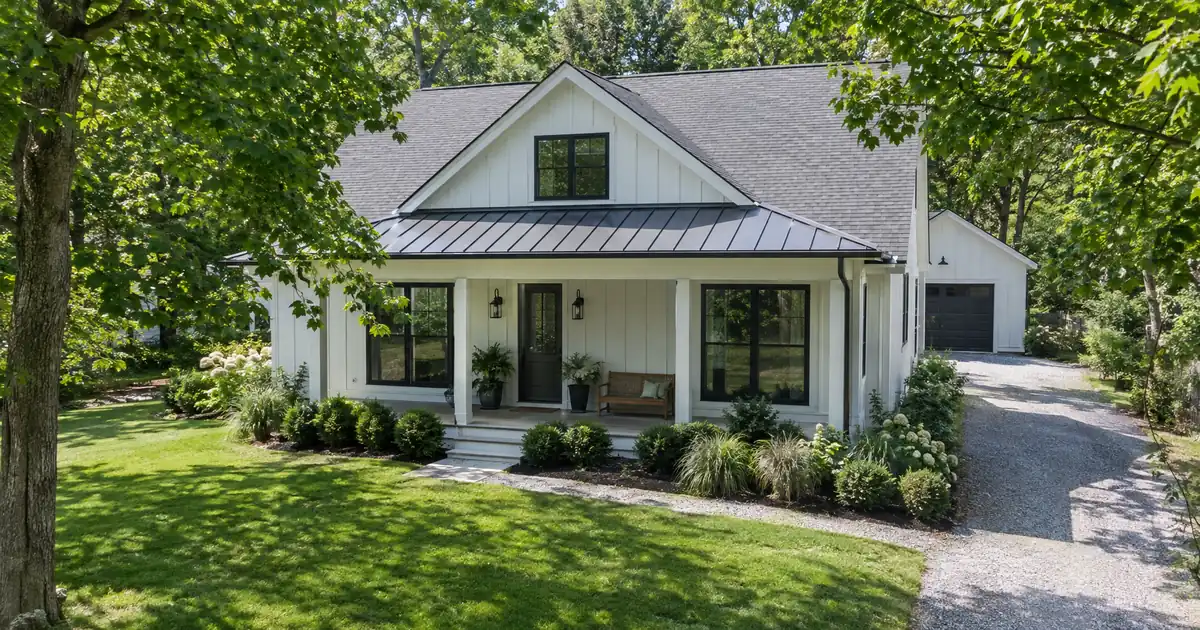
The Quick Read: A DSCR lender treats a package bought from a landlord as a pool of rents that must be backed by documents, not as the seller’s story. It tests documented rent against the combined payment across every property, still reviews each door on its own, and sizes the loan off the lower of price or appraised value.
- The rent that counts is the lower of the signed lease and the appraiser’s market-rent opinion.
- Pooled coverage is total pool rent divided by total pool debt service. Stronger rentals can offset weaker ones, subject to lender guidelines.
- A seller’s discount does not enlarge the loan.
- Clearing the coverage test is not the same as positive cash flow.
- One note secured by several rentals ties every property to the same balance.
Here, “package” means several tenant-occupied rentals bought from one seller. Lenders do not define it by rule. It is a convention, and programs differ. The mechanics below come from how files are placed across Lendmire’s wholesale network of DSCR lenders. Everything is subject to lender guidelines, and none of it is a commitment to lend. For the basics behind the product, see Lendmire’s complete DSCR loans guide.
Key Terms Defined
- Package: several rentals bought from one seller in a single deal.
- Portfolio DSCR loan (blanket loan): one note secured by several rentals. The terms portfolio DSCR loan, blanket loan and cross-collateralized loan all describe this same structure.
- Bank portfolio loan: a different sense of the word, meaning a loan a bank keeps on its own books.
- Cross-collateralization: every property backs the whole balance, not just its own share.
- Pooled coverage: total rent from the pool divided by total PITIA (principal, interest, taxes, insurance and any HOA dues).
- Release clause: the loan term that lets one property leave the pool. The release price runs above that property’s allocated balance.
- Market rent: what an appraiser concludes a unit should rent for, whatever the lease says.
- Rent roll: the seller’s list of units, tenants, rents and lease dates.
- Estoppel: a tenant’s written confirmation of rent, term, deposit and any concessions.
How Does a Lender Look at a Package?
The lender looks at rent first and the seller’s narrative last. The underwriting question is whether documented rent covers the payment on the debt, property by property and as a pool.
A bank blanket loan mostly evaluates the borrower and the borrower’s balance sheet. A DSCR lender mostly evaluates what the rentals produce. Qualification runs primarily on property-level rental income covering the payment, subject to lender guidelines. Credit, reserves, entity structure and property type still matter.
Two structures cover most packages, and each fits a different buyer:
- The 30-year portfolio DSCR loan puts two to twenty properties under one note. Loan sizes run from $300,000 to $5,000,000, with larger balances on review. Leverage goes up to 80% of value on a purchase and on a rate-and-term refinance. The coverage floor of 1.00 is measured on the pool. It carries a 30-year term and fixed or adjustable options, and an interest-only period is available. Eligible types are single-family, 2-4 unit, condo and townhome.
- The rental portfolio term loan fits five or more rental properties or units under one loan. Loan sizes run from $500,000 to $50,000,000, with larger balances on review. Leverage goes up to 75% of value. Fixed terms of 3, 5, 7 or 10 years end in a balloon at maturity. Recourse and non-recourse versions exist, and non-recourse looks to the real estate, with carve-outs such as fraud and bankruptcy. Prepayment runs on yield maintenance. Small multifamily is eligible only here, not on the 30-year structure or on a single-property DSCR loan.
Credit floors for the portfolio programs start at 640, and 680 or 720 applies on some structures. Some structures also require a special-purpose entity, typically an LLC, subject to program terms.
Owner-occupied property, co-ops, mixed-use property and commercial property are not eligible in the pool. Manufactured and mobile homes are not reviewable on any of these programs.
What Does the Seller Have to Provide?
The seller supplies the evidence, and the lender checks it against the appraisal. Treat every seller number as a claim until a lease, a receipt or an appraiser supports it.
| Seller delivers | Lender uses it for |
|---|---|
| Rent roll | Starting point for the rent test |
| Signed leases | Lease rent for each unit |
| Tenant estoppels | Confirming rent, term and deposit |
| Payment history | Supporting month-to-month tenancies |
| Deposit records | Planning the transfer at closing |
| Property access | Appraisal of every occupied unit |
Experienced buyers ask for the rent roll at inquiry. They request leases and estoppels once under contract, and they ask for expense records such as utility bills, as BiggerPockets discusses in its thread on whether to trust a prior landlord’s rent roll.
Compare all three sources: leases, rent roll and estoppels. When they disagree, something is wrong with the seller, the property or the tenants. Find out which before the lender does.
A real estate law firm’s guidance on buying multiple rentals at once says sellers often show market-rate rents instead of what tenants actually pay. It recommends a certified rent roll checked against executed leases. It also says undisclosed delinquencies and free-rent concessions made before listing need to be disclosed.
Which Rent Counts: The Lease or the Appraiser’s Figure?
The lower of the two governs. This is a program convention across most files, not a federal rule.
An above-market lease earns no extra credit, so a high lease does not raise coverage. A below-market lease pulls that property down to the lease figure. If the lease and the rent roll disagree, the lender works from the lease.
The appraiser’s opinion comes on a rent schedule form. Fannie Mae’s appraiser update describes Form 1007 as the way an appraiser documents monthly market rent on single-family investment properties, and it can also be used for condos. DSCR lenders borrow that format. Their guidelines are their own, and agency rules do not govern the loan. For 2-4 unit buildings, rents are reported unit by unit on a different form, and an operating income form may be added when the building is already leased.
Concessions matter here. Rent concessions on the form are adjusted to the market, not to the subject property. A seller who handed out free-rent incentives before listing does not get that income counted as full rent.
Weak spots need paper:
- Month-to-month or expired leases: the expired lease plus rent receipts or deposits usually carries the file.
- Vacant units: the appraiser’s market rent stands alone.
- Short-term rentals: a monthly rent schedule does not capture nightly stays, so short-term rental treatment follows its own program.
How Is Pooled Coverage Tested?
Pooled coverage is total rent divided by total debt service across the whole pool. The test is a weighted ratio, not an average of each property’s number.
Run it with ratios only. Say one door clears about 1.3x, a second clears about 1.15x, and a third sits near 0.95x. The third can sit in the pool, and the pooled coverage lands between the three, weighted by the size of each payment. When pooled coverage still clears the 1.00 floor, the pool works on that test. Underwriting tests the pooled coverage, the leverage and the terms.
A weak property is not ignored. Each property still needs a lease or an appraiser-supported market rent. Leverage, credit and reserves still have to work.
A three-case stress test is worth running before contract:
| Case | Rent used | What it shows |
|---|---|---|
| Lease rent | Signed leases | The seller’s real income |
| Market rent | Appraiser’s figure | The lender’s lower-of floor |
| Worst case | Lower of both, plus your vacancy | Whether the pool survives one bad door |
If the package only works in the first row, the price rests on the seller’s optimism. That is the usual way a cheap-looking package fails.
Coverage is also not cash flow. DSCR compares rent to PITIA only. Repairs, vacancy, management, utilities and capital spending sit outside it, so a pool can clear the test and still run thin.
Does a Discount Change the Loan Size?
No. Loan size comes off the lower of price or appraised value, so a seller’s discount does not enlarge the loan. A package bought below value still needs the down payment that the leverage cap and the appraisal demand.
The cost basis also matters if you plan to pull equity soon after buying. Inside the first six months the loan is also capped at 90% of total cost (purchase price plus documented improvements), and at 100% of total cost from six to twelve months. The leverage ceiling still applies, and the loan is the lower of the two. After twelve months the appraised value alone is the basis. A rate-and-term refinance is not subject to the cost-basis cap. Cash-out on a portfolio loan never goes above 75% of the pooled value.
A larger down payment lowers the payment and can lift coverage. It does not erase leverage caps, credit floors, reserve rules or property eligibility. The strongest files clear both tests: enough equity and enough rental coverage.
What Does Cross-Collateralization Mean for You?
It means one problem can reach the whole pool. Every property backs the whole balance, so a title defect, a late appraisal or a failed unit can hold up or reshape the entire deal.
The exit side matters just as much. Selling one property later follows the loan documents and the lender’s release terms. The release price runs above the property’s allocated balance, and the remaining pool must still cover its debt service. A blanket reduces paperwork and closing events, but it ties your flexibility to that clause.
Experienced operators sometimes prefer separate loans for that reason. A BiggerPockets walk-through of buying property portfolios notes that separate parcels can be financed by different lenders, and that staggered closings are another tactic.
What Can Go Wrong Between Contract and Closing?
Most failures come from paper, not price. The common breakpoints:
- A rent roll that does not match the leases. The lender uses the leases and the appraisal, so the price may have to drop.
- Tenants who will not sign estoppels. The unit may need other proof of rent, or it may leave the package.
- Seller will not split the package. In a BiggerPockets case study of a 41-property purchase, the seller would not sell only the chosen properties. The buyer found bank financing hard because the portfolio was only sort of performing.
- Security deposits. State law varies on how deposits transfer at sale. At least one state makes the new landlord liable to tenants if the old landlord does not transfer prepayments, as state security-deposit guidance explains. Get the deposit ledger and a credit at closing. Do not generalize that rule to your state without checking.
- Seller financing. It can work on packages, and how a lender reads a seller second lien depends on program guidelines.
In practice, a package closes at the pace of its slowest property. Occupied units need appraiser access, and vacant units need market-rent support. Putting seller deliverables into the purchase contract early keeps the weakest door from setting the schedule.
Is a Pool Better Than Separate Loans?
It depends on your portfolio size, your exit plans and how uneven the doors are.
| Factor | One pooled note | Separate notes |
|---|---|---|
| Coverage test | Pooled, so strong offsets weak | Each property alone |
| Closings | One event | Several |
| Exit | Release terms apply | Sell any door freely |
| Risk | One problem reaches all | Contained per property |
| Fit | Uneven doors, bulk buys | Strong, similar doors |
A pooled note fits an investor buying a mixed bag in one transaction, especially when one or two units drag. Separate loans fit a buyer who expects to sell off doors soon, or whose properties each clear coverage comfortably. If every door clears on its own, the pool’s main benefit shrinks and its exit friction remains.
Lenders underwrite packages on twelve months of actual operating history plus a pro forma. They also inspect a sample, including the seller’s worst properties, according to this BiggerPockets article. That habit is worth copying whichever structure you choose.
Common Misunderstandings
- A higher lease raises my coverage. Usually not, because the lower figure governs.
- The seller’s rent roll is the lender’s number. The lender relies on leases, estoppels and the appraisal.
- A portfolio loan means a bank-held loan. A bank’s portfolio loan is a loan the bank keeps. A portfolio DSCR loan is one note over several rentals.
- A weak property sinks the pool. It can be offset in the coverage test, though it is not ignored.
- The seller handles deposit transfer alone. In some places the buyer carries liability too.
Frequently Asked Questions
What if the seller’s leases are above market rent?
The lender uses the lower of the lease and the appraiser’s market rent, so the extra rent adds nothing to coverage. Underwrite the package on market rent. If the deal only works at the seller’s lease figures, the price is too high.
What if the rent roll does not match the leases?
Expect the lender to work from the leases and the appraisal. A mismatch also signals a problem to resolve before closing, such as a concession, a delinquency or a tenant who pays less than listed. Ask for a certified rent roll and tenant estoppels to reconcile the three sources.
Can one property below 1.00 sit inside a pool?
Yes. The pool must still clear its floor, which is 1.00 on the 30-year portfolio DSCR loan, and each property still needs a lease or appraiser-supported market rent.
How do month-to-month tenants affect the package?
They are usually documented with the expired lease plus rent receipts or deposits. The lender still compares that rent to the appraiser’s market figure and takes the lower one. A package full of month-to-month tenancies carries more documentation work and more income risk.
Can I finance each door separately instead?
Yes. In return you keep clean exits and avoid cross-collateralization. The seller must also be willing to close in stages if lenders move at different paces.
Next Steps
If you are buying or refinancing a rental property and want to see how the numbers work, Lendmire, a mortgage broker arranging DSCR financing through select lenders in its wholesale network across 41 markets including Washington, D.C., can help you compare DSCR loan options based on the property income, credit profile, leverage and investor goals. Before any offer, run the three-case rent test on every door and put the seller’s deliverables into the contract.
About Lendmire
Lendmire (NMLS# 2371349) is a DSCR-focused mortgage broker that helps arrange investor financing across 41 markets, including Washington, D.C., through wholesale and investor-lending channels. DSCR eligibility is generally reviewed by the lender around the property’s rental income rather than personal income documentation, subject to lender guidelines — which works for self-employed investors, LLC operators, and portfolios above four financed properties. Scotsman Guide named Lendmire a Top Mortgage Workplace in both 2025 and 2026.
Get Started
Ready to find the right loan for you?
In about 30 seconds you can review financing options available for your investment property. No commitment required.
Informational only. Not a Loan Estimate, approval, or commitment to lend. Program availability and eligibility are subject to lender guidelines, credit approval, property review, and underwriting.
References
1. BiggerPockets, Do You Trust the Rent Rolls From the Previous Landlord
2. Portfolio Acquisitions: Legal Considerations When Buying Multiple Rentals at Once
3. Fannie Mae Appraiser Update
4. BiggerPockets walk-through of buying property portfolios
5. BiggerPockets, Purchased Portfolio of 41 Properties
6. Mass.gov, Security Deposits and Last Month’s Rent
7. BiggerPockets, 26 Properties
This article is part of Lendmire’s DSCR loan program — full qualification details, guidelines, and scenarios live on the program page.
Related reading: How a DSCR Lender Releases a House Sold in an Exchange · How a Portfolio DSCR Lender Counts a Fourplex and a Duplex · DSCR Substitution vs Release and Add on a Tenant-Occupied Package
Brandon Miller
Founder & CEO, Mortgage Loan Originator, Lendmire LLC
- Mortgage Loan Originator · NMLS# 1129696 · Verify on NMLS Consumer Access
- North Carolina Real Estate Broker · License# 343312 · Verify on NCREC
- North Carolina Insurance Producer · License# 19053198 · Property, Casualty, Life, Health · Verify on NAIC SBS
- Lendmire LLC · Firm NMLS# 2371349 · Verify firm licensure
Important disclosures. Lendmire (NMLS# 2371349) is a licensed mortgage brokerage. Lendmire is not a direct lender, depository institution, or financial advisor. All loan inquiries are subject to lender underwriting; this article does not constitute a commitment to lend. Rates, terms, and program guidelines are subject to change without notice and vary by borrower profile, property type, and state. Information in this article is general in nature and is not financial, legal, or tax advice. Equal Housing Opportunity. NMLS Consumer Access: nmlsconsumeraccess.org.