
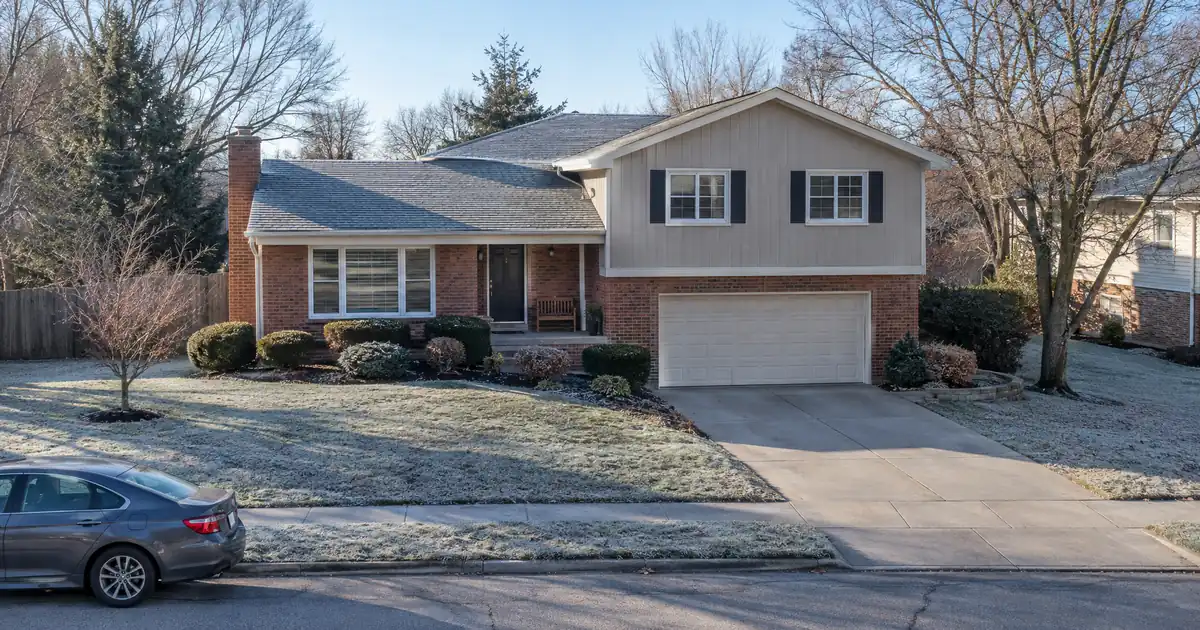
The Quick Read: The pairing works because two lenders ask two different questions: your paycheck, credit and home equity back the credit line, while the rental’s income against its own payment backs the DSCR loan. The cash from the line becomes the down payment, and the DSCR loan finances the rest, subject to lender guidelines.
- The credit line is a personal loan. It leans on your traditional employment income, credit and equity.
- A DSCR loan (debt service coverage ratio loan) qualifies primarily on property-level rental income covering the payment, subject to lender guidelines.
- Order matters. The line must be open and funded before you go under contract.
- Some DSCR programs accept documented line proceeds as the down payment. Others cap the borrowed share or want some unborrowed cash. Ask first.
- The line’s payment sits outside the coverage ratio, but it still comes out of your pocket every month.
Why Two Loans Look at Two Different Things
A salaried investor is in a good spot here. You already have what a credit line wants: steady income, decent credit and equity in a home you own. The rental you want to buy has what a DSCR loan wants: rent that covers its own payment. Neither loan needs the other to pass.
Here is the split at a glance.
| Factor | Credit Line (HELOC) | DSCR Loan |
|---|---|---|
| What gets underwritten | You: income, credit, debts | The rental property’s income |
| Collateral | A property you already own | The rental you are buying |
| Your W-2 matters? | Yes | Qualifies primarily on rental income, subject to lender guidelines |
| Payment style | Often interest-only first, then principal | Fixed schedule, typically 30-year |
| Job in the file | Core | Secondary |
A HELOC is a home equity line of credit. It is a revolving line you can draw on, secured by property you already own. Think of it as a checking account backed by your equity.
That is why the two products pair so naturally. The DSCR lender doesn’t need to see a paycheck. The line lender doesn’t care what the new rental rents for. Each one answers its own question.
One caution. Either loan can fail while the other passes. Strong rent will not fix thin equity. Plenty of equity will not fix weak coverage. You need both tests cleared.
What Does the DSCR Lender Actually Test?
The DSCR lender divides the rent by the new property’s monthly obligation: principal, interest, taxes, insurance and any HOA dues (together, PITIA). That quotient is the coverage ratio. A 1.00 ratio means rent equals the payment.
Across our wholesale network, 1.00 is where many select programs start. It is a floor for those programs, not a universal rule. Stronger ratios tend to open better pricing and more leverage. A separate select-lender path takes coverage below 1.00, with leverage and terms adjusted.
The leverage rules are where your down payment gets tested. On a purchase, most files land at 75% to 80% LTV (loan-to-value, the loan as a share of the property’s value), which means 20% to 25% down. Select high-leverage programs reach 85% LTV on a purchase, generally with a score around 700 or higher. Credit floors begin at 620 in parts of the network, most programs want around 660, and 700-plus unlocks the strongest tiers. Reserves, meaning cash left in the bank after closing, commonly run about six months of PITIA, though they vary by lender, leverage, loan size and transaction type.
Here is the part that trips people up. The credit line payment is not in that ratio. The lender’s math looks only at the new property’s payment. But the payment is real. We’ll come back to that.
The Sequence, Step by Step
Order is the whole game. Here is how a W-2 investor typically runs it.
1. Ask the DSCR lender about borrowed funds first. Treatment is program-specific. Some programs accept documented line proceeds. Some cap the borrowed share. Some want a slice of unborrowed cash. Settle this before you open or draw anything.
2. Size the line. Lenders add up all liens on the home, divide by its value, and cap that combined figure. The line is sized on equity, occupancy and your credit. Rental coverage plays no part.
3. Open the line and draw before contract. The line is secured by a home you already own, not the new rental, so it doesn’t depend on the purchase closing. It should be open and funded before you go under contract.
4. Document the trail. Keep the line statement showing the draw, the deposit into your account, and the wire to title. A clean paper trail answers the lender’s question about where the down payment came from.
5. Run the DSCR purchase. The DSCR lender reviews the rent, the property, your credit, your reserves and the leverage tier. Your down payment still has to fit the program’s leverage cap.
6. Plan the exit. Decide now how the line gets repaid. We cover options below.
On timing, a draw that sits in your account for a while looks cleaner than cash that lands the day before closing. That habit is a good one even though DSCR files are not judged on a paycheck formula.
How the Line Itself Works
The mechanics come from the regulator that owns HELOC disclosure. Per the CFPB’s HELOC explainer, you can generally spend up to your credit limit during the draw period, and that period can last 10 years, for example. Many lines carry minimum monthly payments based on the current balance. A repayment period follows the draw period.
The sizing logic is simple. An older CFPB HELOC booklet takes a percentage of the home’s appraised value and subtracts the mortgage balance owed. Its illustration uses $100,000 of value, 75%, and a $40,000 balance, which leaves a $35,000 line. Your lender’s limits will differ, but the shape holds: value times the allowed percentage, minus what you owe.
The booklet also explains that HELOCs typically float with a public index. That matters for the payment-shock section below.
A Worked Example: Two Ledgers
Run the numbers on a rental purchase in two views. These are modeled assumptions, not market data.
Ledger one: the lender’s view. Assume the rent covers the new loan’s full PITIA at about 1.25x. The DSCR lender sees a comfortable cushion. It does not see the credit line payment.
Ledger two: your view. Now add the line. If you borrowed the whole down payment, the property supports two obligations: the DSCR payment and the line payment. Rent has to cover both before you pocket anything. A rental can show a healthy coverage ratio and still strain your cash flow once both payments are counted.
Now stress it. Say rent softens 15%. Coverage drops to roughly 1.06x. The lender’s math still clears a 1.00 floor on a program that uses one. But repairs, vacancy, management, utilities and capex sit outside the ratio entirely. Clearing 1.00 is not the same as positive cash flow. Not even close, once the line payment and a vacant month land together.
That gap is the reason to model both ledgers before you draw a dollar.
Which Line, Secured Where?
You have a few options, and they carry different risk.
| Option | Collateral | Main tradeoff |
|---|---|---|
| Line on your primary home | Your residence | Higher ceiling, but the home backs the investment |
| Line on an existing rental | That rental | Narrower eligibility, lower ceiling |
| Line on the new rental | Not possible before closing | You don’t own it yet |
| Cash or other savings | None | No new payment, but less liquidity |
A line on your own home usually has the broadest eligibility, and traditional employment income helps a lot there. The price is exposure: if the rental struggles, the house is on the hook.
A line on an existing rental is scarcer and narrower than a primary-home line. Many lenders offer a lower ceiling on investment property. If that rental sits in an LLC, a line generally requires a change in how title is held, subject to lender program eligibility. Check that before you plan around it.
Don’t try to put the line on the property you are buying. It can’t be pledged until you own it, and the DSCR first mortgage may restrict additional liens. Any later line on the rental would have to sit behind the DSCR loan.
Where the Pairing Breaks Down
The general rule is that equity plus rent gets you there. These are the places it doesn’t.
Borrowed down payments aren’t universally accepted. A plan that is 100% borrowed can fail on this point alone. Some programs want part of the down payment from your own unborrowed funds. Ask before you draw.
Equity doesn’t erase program rules. A bigger down payment lowers the DSCR loan’s payment and can lift coverage. It never overrides a leverage cap, a credit floor, a reserve rule or a property restriction. The strongest files clear both tests: enough equity and enough rental coverage.
Reserves still apply. Cash from the line can’t be counted twice. If you draw exactly what you need for the down payment and closing, reserves come from somewhere else.
Payment shock is real. Some lines allow interest-only payments in the draw period, so nothing goes toward principal. The CFPB’s HELOC brochure notes that a repayment period follows, and that with a variable rate your payment can change even when you draw nothing more. A payment that looked easy in year two can look different when principal kicks in.
Your future borrowing changes. A drawn line shows up in your own debt picture. If you later want a primary-residence mortgage or another loan that counts your personal debts, the line’s payment can count against you. DSCR avoids that formula, though a lender may still review overall debt.
The home is the backstop. If the line sits on your residence, a failed rental is no longer only a rental problem.
Experience Signal From the Broker’s Desk
On files that pair a personal line with a DSCR purchase, the snag is rarely the rent. It is the sourcing of the down payment. Files go sideways when the borrower draws first and asks later, only to learn the chosen program caps borrowed funds. The files that run cleanest start with the DSCR lender’s rule, then size the line to match.
Exit Plans: How the Line Gets Repaid
The line is not meant to live forever. Pick your exit before you draw.
| Exit | What it takes | Watch for |
|---|---|---|
| Pay down from cash flow | Rent and income cover both loans | Thin margins if vacancy hits |
| DSCR cash-out refinance | Seasoning and equity in the rental | Cash-out tops out around 75% LTV, with about 6 months of seasoning common |
| Sell the rental or another asset | A buyer and a gain | Timing, market conditions |
The refinance route is the one many investors plan around. A cash-out refinance on a standard rental tops out around 75% LTV across most of the network, and roughly six months of seasoning is the common expectation. Property value, coverage and credit all get checked again at that point. If the rental has appreciated, the refinance can repay the line. If it hasn’t, you need Plan B. Every figure here varies by lender and program — guidelines, property type, leverage, and credit profile all apply.
Who Shouldn’t Do This
Skip the pairing if any of these fit.
- Thin reserves. If the line is your only cushion, a vacancy can become a crisis.
- Unstable income. The line payment lands on your W-2 budget, so a job change hurts twice.
- Marginal rent coverage. A property that barely covers its own payment can’t carry a second loan.
- A leverage mismatch. If the line pushes you toward a tier you don’t meet on credit, the DSCR file stalls.
- No exit plan. “I’ll figure it out” is not a repayment strategy.
The stronger play for many W-2 investors is a smaller line, a larger cushion, and a property with clear coverage. This one is a genuine tradeoff: more borrowed down payment buys speed of growth, but it adds fragility.
Pre-Application Checklist
Before you draw a dollar, confirm:
- The DSCR program’s rule on borrowed down-payment funds.
- Your credit tier against the program’s floor. Floors begin at 620 in parts of the network, with most programs wanting around 660.
- The leverage tier you are targeting and the down payment it requires.
- Reserves, commonly around six months of PITIA, depending on lender, loan size and leverage.
- Whether the line’s size covers the down payment and closing costs without eating your reserves.
- How title will be held on the rental, since an LLC purchase is subject to program terms.
- A stress test of both ledgers, including a vacancy month.
- Your exit plan.
If your question is about sizing a loan when you already hold several mortgages, Lendmire’s piece How a W-2 Investor Sizes a DSCR Loan Past the Conventional Cap covers that angle. For a broader view of how DSCR programs work, see the complete DSCR loans guide.
Key Terms Defined
HELOC: A home equity line of credit, a revolving line secured by a property you already own.
Draw period: The stretch when you can borrow from the line, often with interest-only payments allowed.
Combined LTV (CLTV): All loans secured by a property added together and divided by its value.
DSCR: Debt service coverage ratio, the property’s rent divided by its monthly PITIA.
PITIA: Principal, interest, taxes, insurance and any HOA dues on a property.
Reserves: Cash left in your accounts after closing, counted in months of PITIA.
Seasoning: The waiting period a lender wants between two events, such as buying a property and refinancing it.
Frequently Asked Questions
Can a W-2 employee get a DSCR loan?
Yes. A DSCR loan is reviewed primarily on property-level rental income covering the payment, subject to lender guidelines, so having a W-2 job doesn’t block it. Your credit, reserves and down payment still get reviewed. Most programs want a score around 660, with 700-plus opening the strongest tiers.
Can a HELOC be the down payment on a DSCR purchase?
Often, but not always. Treatment varies by program. Some accept documented line proceeds, some cap the borrowed share, and some want part of the down payment unborrowed. Ask the DSCR lender before you draw, and keep a clear record of the draw, the deposit and the wire to title.
Does the line payment count in the DSCR ratio?
Generally no. The ratio compares rent to the new property’s PITIA only. The line payment is still a real monthly obligation, so model your own cash flow with both loans in it.
Should I open the line before I find the property?
Yes, in most cases. The line must be open and funded before you go under contract, because you can’t borrow against a property you don’t own yet. Opening it first also lets you size your search to the cash you actually have.
Can I buy the rental in an LLC and still use a personal line?
It can work, since the line is secured by property you already own and the DSCR loan is on the rental. Whether the DSCR program accepts an LLC borrower is subject to program terms. A line secured by a rental already titled in an LLC generally needs a change in how title is held. Confirm with your lender and an attorney.
Next Step
If you are buying or refinancing a rental property and want to see how the numbers work, Lendmire can help you compare DSCR loan options based on the property income, credit profile, leverage, and investor goals. As a mortgage broker, it arranges financing through select lenders in its wholesale network, with DSCR programs in 41 markets including Washington, D.C. Not a commitment to lend; every file is reviewed individually.
For the other side of the equation, see Lendmire’s article DSCR vs Conventional for a W-2 Investor Near the Ten-Loan Cap.
About Lendmire
A DSCR-focused mortgage broker, Lendmire (NMLS# 2371349) places investor financing across 41 markets — 40 states plus Washington, D.C. — with DSCR eligibility generally reviewed by the lender on property cash flow instead of tax returns, subject to lender guidelines. Scotsman Guide named Lendmire a Top Mortgage Workplace in 2025 and 2026.
Get Started
Ready to find the right loan for you?
In about 30 seconds you can review financing options available for your investment property. No commitment required.
Informational only. Not a Loan Estimate, approval, or commitment to lend. Program availability and eligibility are subject to lender guidelines, credit approval, property review, and underwriting.
References
1. CFPB – What is a home equity line of credit (HELOC)?
This article is part of Lendmire’s DSCR loan program — full qualification details, guidelines, and scenarios live on the program page.
Related reading: Portfolio DSCR Loan vs Bank Portfolio Loan on What Each Verifies · How to Prepare Guarantor Credit for a Portfolio DSCR Loan · How to Line Up a DSCR Blanket Loan Release and Replacement Purchase
Brandon Miller
Founder & CEO, Mortgage Loan Originator, Lendmire LLC
- Mortgage Loan Originator · NMLS# 1129696 · Verify on NMLS Consumer Access
- North Carolina Real Estate Broker · License# 343312 · Verify on NCREC
- North Carolina Insurance Producer · License# 19053198 · Property, Casualty, Life, Health · Verify on NAIC SBS
- Lendmire LLC · Firm NMLS# 2371349 · Verify firm licensure
Disclosure information. Lendmire is a state-licensed mortgage brokerage under NMLS# 2371349. Lendmire is not a depository institution, direct lender, or financial advisor — all loans referenced are placed through wholesale lender partners and are subject to each lender's underwriting standards. This article is provided for general informational purposes and is not a commitment to lend, nor does it constitute financial, legal, or tax advice. Loan programs, terms, rates, and qualification standards change without notice and depend on borrower profile, property type, and the state in which the subject property is located. Equal Housing Opportunity provider. NMLS Consumer Access: nmlsconsumeraccess.org.