
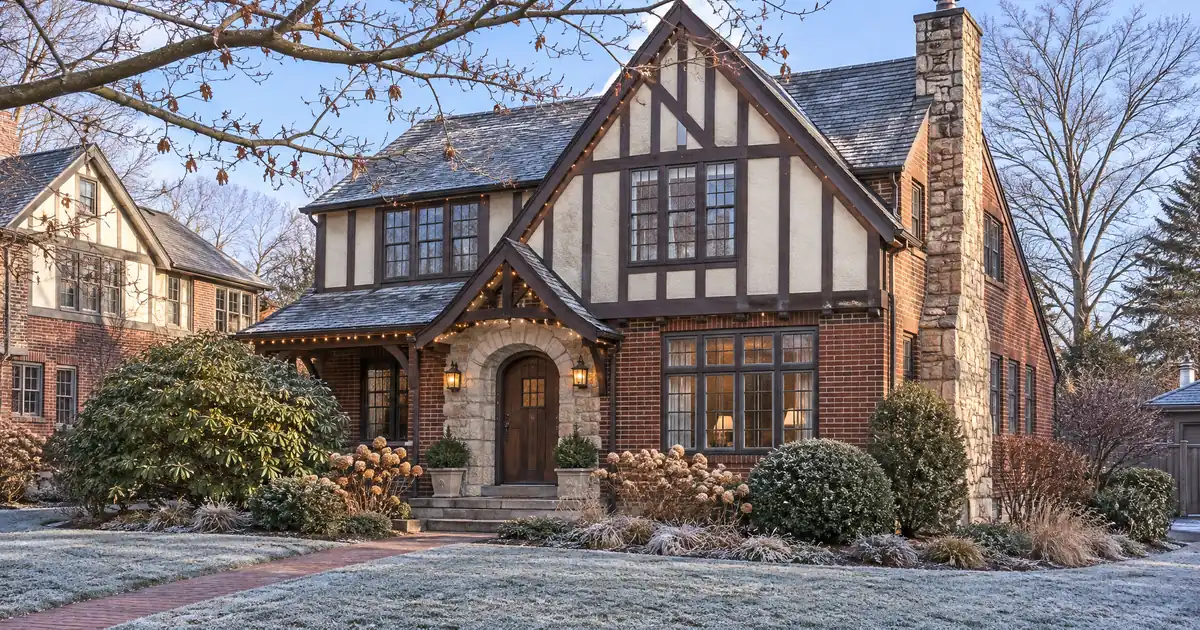
The Quick Read: The cash-out stalls until the holdout signs. A DSCR cash-out qualifies primarily on property-level rental income, subject to lender guidelines, but the lender still needs a valid lien on the entire property. A lien signed by only one co-owner reaches only that owner’s share. The way forward is agreement (a buyout, a retitle, or a deed) or a court order.
- Title decides who signs, not who pays the bills or who manages the property.
- Signing the lien is not the same as signing the note or guaranteeing the loan.
- An LLC changes the question: the unwilling person may be a member rather than a title owner.
- A buyout funded by the cash-out uses up leverage room, because cash-out tops out around 75% LTV on a standard rental.
- If agreement is impossible, the problem is legal, not financial.
Why Does One Missing Signature Stop the Loan?
The lender is lending against the whole property, so every person who holds title generally has to sign the document that pledges it. Reviewing the loan on the property’s rent removes the income-paperwork problem. It does not remove the title problem.
DSCR Cash-Out Calculator
Run the cash-out numbers in your market
Rate source: Freddie Mac 30-yr average via FRED® — Federal Reserve Bank of St. Louis · effective Nov 5, 2026
Prefilled with starting assumptions — enter your property’s value, balance, taxes, and insurance for a more accurate picture.
Program parameters update from Lendmire’s centralized guideline source. Taxes and insurance are editable estimates.
As of Nov 5, 2026 · General Freddie Mac market benchmark, not a Lendmire loan offer. Property value, balance, taxes, and insurance are editable estimates. Maximum loan-to-value varies by lender, program, property type, and seasoning. Not a Loan Estimate, approval, or commitment to lend. Program availability and eligibility are subject to lender guidelines, credit approval, property review, and underwriting.
Three documents matter here, and mixing them up causes most of the confusion.
- The note is the promise to repay. Only borrowers sign it.
- The security instrument (a mortgage or deed of trust) is the lien. It lets the lender take the property if the loan goes unpaid.
- The guaranty is a separate promise by a person, often an LLC member, to stand behind the loan.
A co-owner can sign the lien without signing the note. That distinction is the key to calming a nervous partner. Signing the lien puts their share behind the loan. It does not make them a borrower.
Why not just let one owner pledge one share? Because a lien on a partial interest is poor collateral. Across the wholesale network Lendmire works with, programs are built to lend against the full property, so a partial-interest pledge is not the structure these files use.
Paying the old mortgage does not change any of this. A co-owner who has carried the payments for years still shares title with the other names on the deed. The deed is the first document to pull.
Who Has to Sign? It Depends on How Title Is Held
Start with the vesting deed or title report. The table shows the usual pattern. Exact requirements vary by state, by how title is held, and by program.
| Ownership structure | Who generally signs the lien | Who is on the note or guaranty |
|---|---|---|
| Individuals on a deed | Every titled owner | Borrowers; lien-only signers may stay off |
| Married couple, both on title | Both spouses | Usually both; can vary by program |
| One spouse on title | Titled spouse | Titled spouse; rules limit forcing the other |
| LLC holds title | The LLC, through authorized signers | LLC borrows; members above a threshold guarantee |
| Heirs as co-owners | Every heir on title | Whoever applies; all heirs sign the lien |
| Trust holds title | Trustee, per trust documents | Varies by program |
A few points deserve a closer look.
Percentages do not rescue the file. A 90% owner still cannot pledge the other 10% without that owner’s signature. Passive owners who contributed money but sit on title count the same as active ones.
Entity papers matter too. Where an LLC owns the property, the lender will want the operating agreement and an authorizing resolution. Those papers show who can sign for the company.
Key Terms Defined
Lien: a legal claim on a property that lets a lender take it if the loan is not repaid.
Note: the signed promise to repay the loan.
Guarantor: a person who personally stands behind a loan made to someone else, often an LLC member behind an LLC borrower.
DSCR (debt service coverage ratio): the property’s monthly rent divided by its monthly PITIA.
PITIA: principal, interest, taxes, insurance, and any association dues, which together make up the monthly housing obligation.
LTV (loan-to-value): the loan balance as a percentage of the property’s value.
Seasoning: the waiting period between acquiring a property and refinancing it. For a cash-out, about 6 months of ownership from title recording is the common expectation.
Due-on-sale clause: a loan term that lets the existing lender demand payoff if title changes hands.
Partition: a court process that ends a co-ownership, either by dividing the property or by selling it.
Your Options When an Owner Refuses
Five paths exist, and the table lists each one. Which one fits depends on why the owner is refusing and on what the deed says.
| Option | What it requires | Main risk |
|---|---|---|
| Buy out the holdout | Cash, a seller note, or a funded buyout | Uses up equity and leverage room |
| Retitle to match the willing owners | The holdout’s consent to a deed | Due-on-sale and seasoning questions |
| Use a different property you own alone | A clean title on another asset | Smaller equity than the shared asset |
| Restructure ownership | Written agreement among all owners | Needs everyone’s cooperation |
| Partition or sell | A deed from everyone, or a court order | Slow, costly, and outside your control |
Buy out first. This is the cleanest fix. Investor discussions on BiggerPockets describe buyouts funded by cash, by selling other real estate, or by a seller-carried note. The same thread notes that a buyout-at-refinance clause can be written into an operating agreement from the start, which is the best time to write it.
Retitle. If the unwilling person is willing to leave title but not to sign loan documents, a deed can move ownership to the others. That takes the holdout’s consent. It can also trigger the old lender’s due-on-sale clause and reset the seasoning clock. Run it past the title company and your current lender before anyone signs a deed.
Borrow on a different property. If you own another rental in your name alone, a cash-out there avoids the shared-title problem entirely. The tradeoff is that the second property may carry less equity.
Convince the holdout. Many refusals come from fear, not opposition. A co-owner who thinks signing makes them personally liable for a large loan often relaxes once they see that lien-only signing is different from signing the note. A short written explanation from the loan officer or title company can settle the question.
Can the Cash-Out Fund the Buyout?
Yes, in many structures the cash-out proceeds pay the departing owner. But the buyout counts as cash back at closing, so it generally eats into the same leverage limit as any other cash-out.
Run the numbers on a modeled case. These are assumptions for illustration, not market data. Two owners split a rental 50/50. The existing loan is 40% of the property’s value. The new cash-out loan is 75% LTV, the program ceiling for cash-out on a standard rental. Terms vary by lender guidelines, property type, leverage, credit profile, and full file review.
- The new loan pays off the old one, using 40% of value.
- That leaves 35% of value, before closing costs.
- Total equity is 60% of value, so the departing owner’s half is 30%.
- After the buyout, roughly 5% of value remains, less costs.
The lesson is that the keeper gets little cash back and takes on a much larger loan. Coverage matters too. The new balance is far higher than the old one, so the DSCR falls, and rent has to cover the full new PITIA. Many programs start at 1.00 coverage. A separate select-lender path takes coverage below 1.00, with leverage and terms adjusted. Stronger ratios generally open better pricing and leverage.
Also remember what DSCR does not measure. Clearing 1.00 means rent covers PITIA. It does not mean the property cash flows after repairs, vacancy, management, and utilities.
Other program points to check before you plan the buyout:
- Seasoning. About 6 months of ownership from title recording is the common expectation for a cash-out. A recent retitle may restart that clock under some programs.
- Credit. A 620 floor exists in parts of the network. Most programs want around 660, and 700 or higher unlocks the strongest leverage tiers.
- Reserves. These are commonly around 6 months of PITIA and step up to about 9 months on loans above $1,500,000. They vary by lender, leverage, and loan size.
- Loan size. Standard programs run up to $3,000,000.
All of these are typical ranges from select lenders in the network. Each file is underwritten individually, and nothing here is a commitment to lend.
The Sequencing Trap: Do Not Deed Anyone Out Early
The most expensive mistake is removing a name before the refinance closes. Two problems follow.
First, a deed changes title but not the old note. A partner who signed or guaranteed the existing loan generally cannot leave that obligation without the lender’s consent, as the BiggerPockets discussion points out. Payoff at closing is what releases the old liability.
Second, a transfer of title can trigger due-on-sale on the existing loan. If you deed the holdout off title first and the lender calls the loan, you are refinancing under pressure.
The safer order is simple. Get the buyout agreement signed. Confirm how the title company wants the deed and payoff handled. Let the new loan pay off the old one and fund the buyout in the same transaction, if the lender’s program allows it.
What About LLCs?
When an LLC holds title, the LLC is the borrower, subject to lender program eligibility. Members above the program’s ownership threshold typically sign guaranties. Those thresholds vary by program, so do not assume a number from a blog post.
Three cases come up.
- The holdout is below the guarantor threshold. The file may proceed without their guaranty. They still may need to approve the transaction under the operating agreement.
- The holdout is above the threshold. The file generally stalls until that member signs, is bought out, or has their interest reduced below the line.
- The holdout is a manager or blocks a vote. The operating agreement decides whether a refinance needs unanimous consent, a majority, or only the managing member’s signature.
A well-drafted operating agreement is the best prevention. It can set consent rules for borrowing, name who signs for the company, and include a buy-sell clause. Without one, the default rules of the state apply, and they rarely favor a fast resolution. An LLC does not make the loan non-recourse either. Guaranties behind an LLC borrower are standard, and the signed loan documents control.
DSCR vs. conventional financing
There are two common ways to finance an investment property, and they qualify you differently — here’s how investors weigh them.
Why investors choose it
- Qualifies on the property’s rental income — no personal tax returns, W-2s, or pay stubs needed to document income.
- No personal debt-to-income ceiling to clear, so existing mortgages and obligations don’t cap your borrowing the same way.
- Can be closed in an LLC, keeping the property inside a business entity.
- Built for scaling — not held to the limit on number of financed properties that conventional financing applies.
- Underwriting centers on the deal: generally qualifies when the rent covers the payment, a 1.00x coverage ratio being a common baseline (confirmed in underwriting).
- Designed specifically for investment property, including long-term and, where the program allows, short-term rentals.
Where it’s strong
- Often the lowest ongoing financing cost for a buyer who fully qualifies on personal income — a fit for a first property or a cost-first purchase.
Trade-offs for investors
- Requires full personal income documentation and must fit within a debt-to-income limit — salary, existing debts, and other mortgages all count.
- Typically held in your personal name rather than a business entity.
- Caps how many financed properties you can carry, which can become a ceiling as a portfolio grows.
- Evaluates you as a borrower as much as the property, which usually means more paperwork.
How investors usually choose: a first or single property often optimizes for the lowest financing cost; portfolio builders often optimize for leverage, vesting in an LLC, and scaling past conventional caps. The right answer depends on your goals, the property, and current guidelines — both paths run through select lenders in Lendmire’s wholesale network, with eligibility and terms confirmed in underwriting.
Spouses, Heirs, and Exes
A spouse who is on title signs the lien like any other owner. A spouse who is not on title is a different case.
A federal credit rule known as Regulation B limits what a lender can demand. Under the regulation’s official commentary, a lender may require a spouse to sign the instruments needed to create a valid security interest in jointly owned property. FDIC guidance on the rule draws the same line: a non-applicant joint owner may be asked to sign only the document that reaches the property, which is the lien, not the note. The guidance says the rule applies to both consumer and business credit.
In plain terms, a non-borrowing co-owner generally cannot be forced onto the note or guaranty. But if they hold title, they still sign the lien. Community property states and tenancy-by-the-entirety states have specific carve-outs, and courts have argued over how the rule applies to guarantors. Have an attorney review those facts.
Heirs. Inherited rentals are the most exposed. One heir cannot borrow against the whole property over the others’ objection, and no operating agreement governs the exit. Some states have adopted a model law for heirs property. As the North Carolina Realtors summary explains, when one cotenant petitions for partition by sale, the other cotenants get a chance to buy out the petitioner. It applies only in states that enacted it and only to heirs property.
Exes. A divorce decree may order a transfer, but the lender still looks at what the recorded deed says. Get the deed recorded before applying.
When It Becomes a Legal Problem, Not a Financing One
If the holdout will not negotiate, no loan structure fixes it. The remaining route is partition, where a court divides the property or orders a sale.
Partition has a cost. The timeline is unpredictable, legal fees add up, and a court-ordered sale can bring less than a negotiated one. No reliable figure exists for how long it takes or what it costs, because both depend heavily on the state and the court. Lenders also avoid files with a pending partition case, since other owners still hold record interests.
Partition can still be the better economic answer. If the shared property would need a large buyout and the cash-out leaves little behind, selling and splitting the proceeds may beat holding a thinly covered loan. Talk to a real estate attorney if any of these apply:
- The holdout has stopped responding.
- A deed or operating agreement is unclear or missing.
- Anyone threatens or files a lawsuit.
- The owner is a minor, is incapacitated, or has died.
Pre-Application Checklist
Settle these before you apply, not at the title stage.
1. Pull the vesting deed and a title report. Write down every name on title.
2. For an LLC, gather the operating agreement and entity papers, and note who is a member.
3. Ask each owner directly whether they will sign the lien, and explain that lien-only signing is not signing the note.
4. Agree on the buyout, if any, in writing, including price and who funds it.
5. Confirm with the title company how the payoff, deed, and old-note release will be handled.
6. Check seasoning, credit, and reserves against the program you are targeting.
7. Review the rent-versus-PITIA coverage with the larger post-buyout balance, not the old one.
For the full picture of how these loans work, see the complete DSCR loans guide. If one owner is taking sole title first and you want to see how that changes a large loan, Lendmire’s piece How a Jumbo Cash-Out Works When One Owner Takes Sole Title covers that sequence.
Frequently Asked Questions
Can one co-owner do a DSCR cash-out on their own share?
Generally no. Lenders want a lien on the entire property, and a signature from one owner reaches only that owner’s share. A partial interest is weak collateral, so the file usually waits for every titled owner to sign, for a buyout, or for title to change.
Does signing the lien make me personally liable for the loan?
Not by itself. The note is the promise to repay, and the guaranty is a separate promise. A co-owner can be asked to sign only the lien so the property can be pledged. Confirm exactly which documents you are signing with the title company or an attorney.
Can the lender force my spouse to sign if they are not on title?
Federal credit rules generally limit forcing a non-titled spouse onto the note or a guaranty. A spouse who holds title can be asked to sign the lien. Community property and entireties states have special rules, so have local counsel review the deed.
If my partner won’t sign, can I just remove them from the deed?
Not without their agreement or a court order. A deed requires the owner’s signature, and removing a name before the refinance can trigger the old lender’s due-on-sale clause. It also leaves the partner on the old note until it is paid off.
Does a larger down payment or more equity fix the problem?
No. More equity can lift coverage and improve leverage, but it does not erase the lien requirement, credit floors, reserves, or property eligibility. The strongest files have enough equity and enough rental coverage, along with clean title.
Where to Go From Here
If you are buying or refinancing a rental property and want to see how the numbers work, Lendmire can help you compare DSCR loan options based on the property income, credit profile, leverage, and investor goals. As a broker arranging financing through select lenders across 41 markets, including Washington, D.C., Lendmire can walk through your title situation before you apply. You can reach the team at 828-256-2183 or request a quote.
The best protection against a stalled refinance is a written buyout clause drafted on the day the second owner goes on title.
A deeper walk-through of investment-property equity extraction lives in Lendmire’s guide to cash-out refinance on an investment property.
For current guidelines and terms, see Lendmire’s DSCR loan programs page.
About Lendmire
Lendmire, NMLS# 2371349, is a mortgage brokerage focused on investor financing, arranging DSCR loans in 40 states plus Washington, D.C. — 41 markets total. Qualification is based on the property’s income rather than personal income documentation, subject to lender guidelines, making it a fit for LLC-held rentals and scaling portfolios. Scotsman Guide named Lendmire a Top Mortgage Workplace in both 2025 and 2026.
Get Started
Ready to find the right loan for you?
See your offer in seconds. No credit pull, no obligation.
Informational only. Not a Loan Estimate, approval, or commitment to lend. Program availability and eligibility are subject to lender guidelines, credit approval, property review, and underwriting.
References
1. BiggerPockets, exit strategies for rental property with equity partners
2. Cornell LII, 12 CFR Part 1002, Supplement I (Regulation B official commentary)
3. FDIC guidance on Regulation B spousal signatures
4. North Carolina Realtors, Uniform Partition of Heirs Property Act summary
This article is part of Lendmire’s investment property cash-out refinance program — full qualification details, guidelines, and scenarios live on the program page.
Related reading: Is a DSCR Cash-Out Refinance Okay for Buying Land to Build On? · How to Plan and Use a DSCR Cash-Out Refinance to Go Fixed · Can You Use a DSCR Cash-Out Refinance to Fund a Private Lending Deal?
Brandon Miller
Founder & CEO, Mortgage Loan Originator, Lendmire LLC
- Mortgage Loan Originator · NMLS# 1129696 · Verify on NMLS Consumer Access
- North Carolina Real Estate Broker · License# 343312 · Verify on NCREC
- North Carolina Insurance Producer · License# 19053198 · Property, Casualty, Life, Health · Verify on NAIC SBS
- Lendmire LLC · Firm NMLS# 2371349 · Verify firm licensure
Required disclosures. Lendmire (NMLS# 2371349) operates as a licensed mortgage broker, not a direct lender or depository. The discussion in this article is general in nature and should not be relied upon as financial, legal, or tax advice — every investment scenario is unique and should be reviewed by a qualified professional. Any loan inquiry is subject to lender underwriting, and this article is not a commitment to lend or a guarantee of approval. Mortgage rates, loan terms, and program guidelines vary by borrower, property, and state, and may change without notice. Equal Housing Opportunity. Verify licensure at NMLS Consumer Access.