
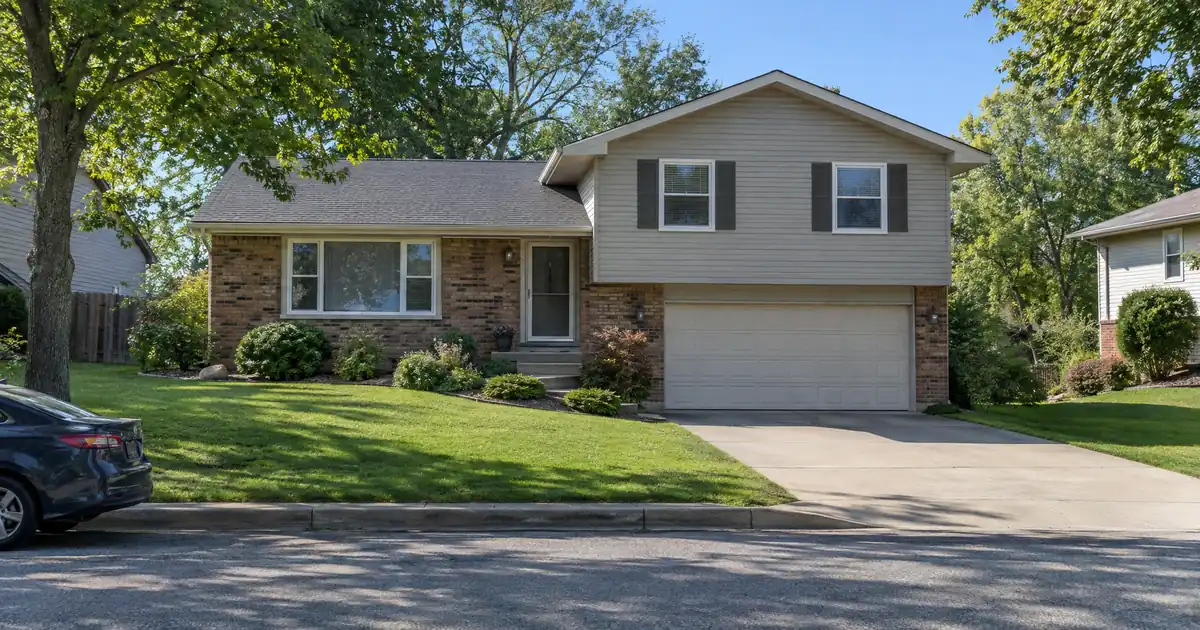
What Is A Home Equity Line Of Credit For Rental Property — The Quick Read: It’s a revolving credit line secured by the equity in a property, and yes, you can open one against a rental you already own. But the terms are stricter than what you’d get on the home you live in. Investment lines cap lower, need stronger credit, and have to stay titled in your own name. Most investors end up tapping equity from their primary home instead, or moving to a rental-income-based loan once the portfolio grows.
Key Terms Defined
A few terms of art come up constantly in this conversation. Get these straight and the rest of the article reads a lot faster.
How large a line the equity supports in your market.
An equity line is sized by combined loan-to-value, occupancy, and credit — not by rental coverage. Switch the occupancy or the credit band and the ceiling moves with it.
Investment-property lines require a 700 minimum credit score. Second-home tiers reach 640; primary-residence tiers reach 600.
A debt-to-income ratio above 45% requires 680+ credit. Profiles under 640 are limited to single-family homes. At least 75% of the approved line is drawn at closing. Ceilings, floors, and caps update from Lendmire’s centralized guideline source.
Line estimate
Illustrative estimate only — not a quote, Loan Estimate, approval, or commitment to lend. The rate is an editable assumption; equity-line pricing is variable through both the draw and repayment periods and never converts to fixed. Occupancy and credit drive the ceiling together: investment property runs to 70% combined LTV with a 700 credit floor and a $500,000 cap; a second home runs to 90% at a 640 floor with a $500,000 cap; a primary residence reaches up to 90% at a 600 floor, and its $750,000 maximum line applies only at 75% combined LTV or below with 720+ credit and a full appraisal. Lines above $500,000 require a full appraisal. Credit, debt-to-income, property type, and full underwriting review all affect the final line.
- Home equity: the part of a property you actually own — the value minus what’s still owed on the mortgage.
- HELOC (home equity line of credit): a revolving credit line secured by that equity, similar to a credit card with a limit tied to the property’s value.
- CLTV (combined loan-to-value): the existing mortgage balance plus the new HELOC amount, divided by the property’s value. This single ratio decides how big a line you can get.
- Draw period: the years you’re allowed to pull money from the line, usually with interest-only payments.
- Repayment period: the stretch after the draw period ends, when the line converts to a fixed schedule that pays down both principal and interest.
- Business-purpose loan: a loan made to fund an investment or business activity rather than personal use. This changes which consumer protections apply.
- DSCR (debt-service coverage ratio): a ratio used on rental-property loans that compares the property’s rent to its own mortgage payment, taxes, and insurance.
Can You Get a HELOC on a Rental You Don’t Live In?
Yes, but the pool of lenders shrinks fast, and the ceiling drops with it. Across the wholesale network Lendmire places files with, an investment-property HELOC tops out at 70% combined loan-to-value — no exceptions, no higher tier for stronger credit. That’s the ceiling, full stop.
Investment files also carry a 700 minimum credit score, and here’s the part that surprises people: a 720 score lands at the same 70% CLTV as a 700 score. Credit above 700 buys eligibility, not more leverage. Lines run from $25,000 up to $500,000 on the investment side. Because they close under that $500,000 threshold, most get valued with an automated model rather than a traditional appraisal — a full appraisal only kicks in above $500,000, and an investment line can’t reach that size.
Eligible collateral includes single-family homes and 2-4 unit rentals, PUDs, townhomes, and condos — including non-warrantable condos. What’s off the table entirely: manufactured homes, co-ops, condotels, log homes, and anything commercial, mixed-use, or zoned agricultural.
One more wrinkle catches a lot of portfolio owners off guard. The property has to stay titled in a personal name, or in a revocable living trust, for the entire life of the line. LLCs, corporations, and irrevocable trusts can’t hold title on these programs. If the rental is already deeded to an entity, the fix is either re-titling it or looking at a different financing route entirely — Lendmire has covered the mechanics of pulling a HELOC on a rental you already own in more detail.
The Primary-Residence Workaround
Most investors who want to tap equity for a rental don’t put the HELOC on the rental at all. They put it on the house they live in.
That’s because occupancy — not what the money is used for — drives the underwriting lane. A HELOC secured by an owner-occupied home reaches meaningfully higher leverage than one secured by a rental. On primary residences and second homes in this network, the ceiling can reach 90% CLTV, but only at a 720-or-better credit profile. Most borrowers land well under that top tier; it’s not a generally available number.
There are two possible structures on the owner-occupied side: a 3-year interest-only draw with a 17-year repayment tail, or a 5-year draw with a 25-year tail (Tennessee runs shorter versions of both). Investment lines only get the 5-year draw, 25-year repayment version. Across the network, most of these lines also require drawing at least 75% of the approved amount at closing — this isn’t a line you open and let sit untouched. Pricing floats through the entire term on both structures and never converts to fixed.
Before assuming this workaround is a free pass, read the fine print on the actual HELOC contract. The CFPB’s own HELOC brochure flags that renting out the home securing the line may be prohibited under the contract’s own terms — a real issue for an investor planning to convert a primary residence into a rental down the road while a HELOC still sits on it.
There’s also a title trap worth planning around before it happens. The Garn-St. Germain Act made due-on-sale clauses federally enforceable, and its narrow exceptions don’t cover a transfer into an LLC. Re-titling a HELOC-collateral property into an entity can also break the line outright, since these programs require it to stay in a personal name or living trust the whole time it’s open, per WealthCounsel’s summary of transfer rules. Investors who want both HELOC access and entity protection usually keep one property titled cleanly for the HELOC and finance anything held inside an LLC a different way.
What Happens After the Draw Period Ends?
Once the draw period closes, the advances stop and the balance starts amortizing on a fixed schedule. On the 5-year draw, 25-year repayment structure that investment lines use, that’s a long runway — but the payment steps up once principal enters the picture, not just interest.
Underwriting looks ahead to that moment, too. Most files are qualified on the interest-only payment calculated at the maximum available draw, not just the balance sitting there today. Total debt-to-income typically caps around 50% for the credit profiles these programs require. In plain terms: a lender wants to know you could handle the whole line fully drawn, not just what you’re using now.
Why Most Rental Purchases Move to DSCR Financing Instead
A HELOC is reviewed on the borrower — credit, income, personal debt-to-income. That’s the entire distinction from a rental-income-based loan, and it explains almost everything else: the leverage ceiling, the title rule, the credit floor, even how many of these lines a single investor can carry. This network caps a borrower at three HELOCs total, and won’t underwrite one at all once someone is carrying more than roughly 15 financed properties. A portfolio grows past that ceiling faster than most first-time investors expect.
DSCR loans are built to remove that exact ceiling. DSCR loans are designed for non-owner-occupied investment properties. Because they’re business-purpose investor loans, they’re reviewed differently from a standard owner-occupied mortgage — qualification runs primarily on whether the property’s own rent covers its payment, subject to lender guidelines, rather than the borrower’s personal income or DTI.
Working DSCR files across a wholesale lender network day to day shows a pattern: investors who lean too hard on rent-roll optimism at the offer stage, then get surprised when the appraiser’s rent schedule comes in lower than the listing agent’s number, run into the tightest coverage math. Pulling a realistic rent comp before making an offer — not after — saves a renegotiation later.
Practical numbers from that same network: purchase leverage on most files runs 75-80% LTV, with a handful of high-leverage programs reaching 70% LTV for borrowers around a 700+ credit score. Cash-out refinances on standard rentals typically top out near 75% LTV (short-term-rental collateral runs lower, closer to 70%), and most lenders want to see about six months of ownership before approving a cash-out. Coverage on select programs starts around 1.00 — meaning rent roughly equals the full monthly payment — and it’s a floor for those specific programs, never a universal standard; stronger coverage ratios tend to unlock better leverage and pricing. Credit floors run lower than the HELOC side, too: a 620 floor exists in parts of the network, most programs prefer something closer to 660, and 700+ opens the strongest leverage tiers. Loan sizes run roughly up to $3,000,000 on standard programs (smaller balances available through select lenders), and above $2,500,000 the network generally holds to 30-year fixed structures.
Coverage below 1.00 isn’t an automatic dead end, either. It’s available through select lenders in the network, with leverage and terms adjusted to match the risk. No-ratio structures exist too, but only through select lenders, and generally for borrowers who already own a primary residence.
One clarification worth sitting with: DSCR only measures rent against principal, interest, taxes, and insurance. Clearing 1.00 means the rent covers that payment — it doesn’t account for repairs, vacancy, management fees, or a surprise capital expense. Read Lendmire’s complete DSCR loans guide for the full mechanics of how that qualification works.
HELOC vs. DSCR at a Glance
| Factor | Investment HELOC | DSCR Loan |
|---|---|---|
| Reviewed on | Borrower credit, income, DTI | Property’s own rental income |
| Typical ceiling | 70% CLTV | 75-80% LTV on purchase |
| Credit floor | 700 | Roughly 620-660 typical |
| Title | Personal name or living trust only | LLC-titled, subject to lender program eligibility |
| Size range | Up to $500,000 | Roughly up to $3,000,000 on standard programs (smaller balances available through select lenders) |
DSCR loans can close to an LLC, subject to lender program eligibility — a real structural advantage for investors who want liability protection without breaking a HELOC’s title rule.
Tax treatment can depend on how the funds are used and how the property is held; investors should keep clear records and speak with a qualified tax professional before relying on any deduction.
Investors weighing both structures side by side can also read Lendmire’s breakdown of pulling a home equity line against a rental already in a portfolio, or call Lendmire directly at 828-256-2183 to walk through how a specific property’s rent and equity position pencil out under each option.
Frequently Asked Questions
Can I use a HELOC on my primary home to buy a rental property?
Generally, yes — this is the more common and more accessible route compared to putting the line directly on the rental itself. The line still is reviewed on personal credit and income, not the rental’s rent roll, and leverage tops out higher because the collateral is owner-occupied.
Does an investment-property HELOC require a full appraisal?
Usually not. Lines at or below $500,000 — which covers every investment HELOC in this network, since $500,000 is the ceiling — typically run through an automated valuation model rather than a traditional appraisal, though a borrower can request a full appraisal in any case.
Can I move a rental property with a HELOC on it into an LLC later?
Not without breaking the line. These programs require the collateral to stay titled in a personal name or a revocable living trust for the life of the HELOC. Re-titling into an LLC generally requires paying off the line first or restructuring the debt through a different loan entirely.
What credit score do I need for an investment-property HELOC?
A 700 minimum, and going higher doesn’t buy more leverage on this program — both a 700 and a 720 land at the same 70% CLTV ceiling. Credit above that floor may help with approval odds and file strength more broadly, but it won’t move the leverage number.
Why would I choose a DSCR loan over a HELOC for a rental purchase?
Because a DSCR loan is reviewed on the property’s rent rather than personal debt-to-income, which matters most for investors buying a second, third, or tenth rental. A HELOC is capped by personal income and a strict three-line, roughly-15-property portfolio limit in this network; DSCR financing doesn’t share that same borrower-side ceiling.
About Lendmire
Lendmire is a DSCR-focused mortgage brokerage, NMLS# 2371349, placing investor loans across 40 markets, including Washington, D.C. DSCR eligibility is generally reviewed by the lender around a property’s rental income rather than personal income documentation, which fits LLC-held rentals, self-employed investors, and portfolios scaling past conventional financed-property limits. Scotsman Guide named Lendmire a Top Mortgage Workplace in both 2025 and 2026.
Get Started
Ready to find the right loan for you?
In about 30 seconds you can review financing options available for your home or investment property. No commitment required.
Informational only. Not a Loan Estimate, approval, or commitment to lend. Program availability and eligibility are subject to lender guidelines, credit approval, property review, and underwriting.
References
1. CFPB HELOC Consumer Brochure
2. Due-on-sale clause — Garn-St. Germain Depository Institutions Act
3. WealthCounsel — Transferring Title of Mortgaged Real Property
Brandon Miller
Founder & CEO, Mortgage Loan Originator, Lendmire LLC
- Mortgage Loan Originator · NMLS# 1129696 · Verify on NMLS Consumer Access
- North Carolina Real Estate Broker · License# 343312 · Verify on NCREC
- North Carolina Insurance Producer · License# 19053198 · Property, Casualty, Life, Health · Verify on NAIC SBS
- Lendmire LLC · Firm NMLS# 2371349 · Verify firm licensure
Legal disclosures. Lendmire (NMLS# 2371349) is a state-licensed mortgage brokerage that arranges financing through wholesale lender relationships. Lendmire is not a direct lender, depository institution, or registered financial advisor. The discussion above is general informational content about real estate financing — it is not financial, legal, or tax advice, and readers should consult licensed professionals for guidance on their individual circumstances. Loan inquiries are subject to lender underwriting; this article does not represent a commitment to lend. Loan terms, rates, and qualification standards vary by borrower, property, and state, and are subject to change at any time. Equal Housing Opportunity. NMLS Consumer Access: nmlsconsumeraccess.org.


