
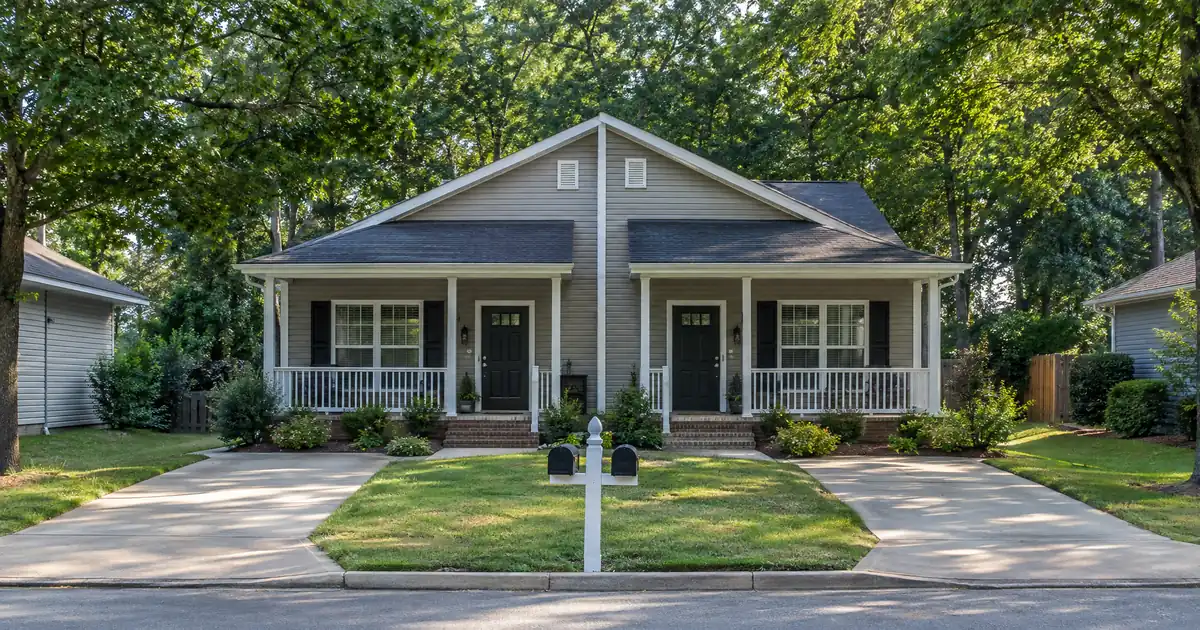
The Quick Read: Yes, on a non-owner-occupied rental the cash is yours to spend on the building, but the loan must first clear the 75% LTV cash-out ceiling on a standard investment property and show rent that still covers the larger payment afterward. The roof or HVAC money arrives after the loan is in place, which matters if the system is already failing. Terms depend on the lender’s guidelines, the property type, the leverage, and a full review of the credit profile.
- Equity and coverage both decide the amount. Most files are limited by one test or the other, and the tighter test sets the proceeds.
- The repair lowers your coverage ratio. A bigger balance means a bigger payment against the same rent.
- Order matters. A roof that must be fixed for the property to appraise or insure is a problem before closing, not after.
- A new roof rarely raises rent. It may support appraised value, depending on comps and underwriter review.
- Owner-occupied 2-4 units are a different lane. DSCR programs are built for non-owner-occupied investment properties.
What Decides How Much You Can Pull?
Two tests decide it, and the file has to pass both. The first is equity. Cash-out refinances on investment properties top out around 75% LTV across most of the wholesale network Lendmire works with, so the new loan cannot exceed that share of the appraised value. The second is rent coverage. The lender compares the property’s rent to the full monthly obligation (principal, interest, taxes, insurance, and any HOA dues) and checks that the ratio clears the program’s minimum. The exact numbers vary by lender and program and follow a full review of property, leverage, and credit.
DSCR Cash-Out Calculator
Run the cash-out numbers in your market
Rate source: Freddie Mac 30-yr average via FRED® — Federal Reserve Bank of St. Louis · effective Oct 15, 2026
Prefilled with starting assumptions — enter your property’s value, balance, taxes, and insurance for a more accurate picture.
Program parameters update from Lendmire’s centralized guideline source. Taxes and insurance are editable estimates.
As of Oct 15, 2026 · General Freddie Mac market benchmark, not a Lendmire loan offer. Property value, balance, taxes, and insurance are editable estimates. Maximum loan-to-value varies by lender, program, property type, and seasoning. Not a Loan Estimate, approval, or commitment to lend. Program availability and eligibility are subject to lender guidelines, credit approval, property review, and underwriting.
A coverage ratio of 1.00 is where many select programs start. A separate select-lender path goes below 1.00, with leverage and terms adjusted. Stronger ratios generally open better pricing and leverage, so a file at 1.25x has more room than one at 1.00x.
Other parameters shape the file, and every figure here is a typical range that depends on lender guidelines:
- Seasoning: about 6 months of ownership, measured from title recording.
- Credit: a 620 floor exists in parts of the network, most programs want around 660, and 700+ unlocks the strongest leverage tiers.
- Loan size: up to $3,000,000 on standard programs.
- Reserves: commonly around 6 months of PITIA, and about 9 months on loans above $1,500,000. Lendmire’s piece How Reserves Are Counted on a 2–4 Unit Rental Cash-Out Refinance covers how that works in practice.
The equity available is not a fixed number. It moves with the appraisal, the payoff on the old loan, closing costs, and the reserves you must hold. DSCR loans of this kind qualify primarily on property-level rental income covering the payment, subject to lender guidelines. Lendmire’s complete DSCR loans guide walks through the full framework.
Does the Roof Money Shrink Your Coverage?
It does, every time. Cash pulled out raises the balance, a higher balance raises the payment, and the rent stays the same. The roof itself adds no rent. That makes coverage the number to stress-test before you commit.
Run it two ways. These are modeled assumptions, not market data.
| Scenario | Coverage before | Coverage after | Reading |
|---|---|---|---|
| Fourplex, modest roof draw | About 1.30x | About 1.20x | Still comfortable |
| Triplex, full-system HVAC draw | About 1.15x | About 1.05x | Thin, little margin for vacancy |
| Duplex, large draw near the 75% ceiling | About 1.10x | Below 1.00x | Needs a select-lender path with adjusted leverage |
The first row is the easy case. A fourplex with healthy coverage can absorb a roof-sized draw and stay well above the 1.00x benchmark. The second row clears on paper, but one vacant unit would erase the cushion.
The third row is the warning case. If a draw pushes coverage under 1.00x, the structure may fit a select lender in the network that goes below 1.00 with leverage and terms adjusted. Whether it should be used is a separate question. If the roof is the reason coverage dropped below 1.00x, the file is telling you the property is already stretched.
One more caution: clearing 1.00x does not mean the property cash-flows. DSCR compares rent to PITIA only. Repairs, vacancy, management, and utilities sit outside the calculation. A file can qualify and still lose money in a bad year.
What If the Roof Is Already Leaking?
The order of operations is the biggest practical trap in this strategy. A DSCR cash-out refinance is not a renovation loan. Most DSCR products have no holdback or renovation escrow, so the money arrives after closing and the repair comes after that.
The appraiser rates condition and flags deferred maintenance. A roof at the end of its life, a failed HVAC system, or an active leak can trigger repair conditions or a lower value. Carriers also price insurance partly on roof age, so a coverage binder can become the next hurdle.
Three situations come up most often:
- The system is old but working. The property usually appraises and insures as is, and the cash-out can fund the replacement afterward.
- The system is failing. Fix it first with your own cash or short-term capital, then refinance. Using the loan to repay that outlay is a common sequence.
- The system has already failed. Expect the file to stall until the repair is done and documented.
Keep the paper trail either way. A contractor bid or invoice, proof of insurance, the appraisal with its rent schedule, and entity documents if the property is held in an LLC are the usual set. Lendmire’s piece Should You Cash-Out Refinance a 2-4 Unit Rental or Hold Off? is useful if the timing itself is the open question.
Will a New Roof Raise the Appraisal?
Not reliably. Replacing a failing roof may remove a condition or a value deduction. A roof that was working fine usually adds little on its own. Investors in one BiggerPockets thread on doing the roof before a cash-out refinance debate this exact point, and one reply holds that a non-failing roof will not add value in most situations.
The safer reading is that an improvement may support a higher appraised value, depending on comps and underwriter review. Do not size the cash-out on the assumption that the repair pays for itself in value. Size it on what the property already appraises for.
Is a Roof or HVAC an Allowed Use of Proceeds?
Yes, for a non-owner-occupied rental. DSCR loans are designed for non-owner-occupied investment properties. Because they are business-purpose investor loans, they are reviewed differently from a standard owner-occupied mortgage.
The CFPB’s official commentary treats credit to acquire, improve, or maintain a non-owner-occupied rental as business-purpose credit, regardless of the number of housing units. A roof or HVAC replacement is improvement or maintenance, so 2-, 3-, and 4-unit rentals sit inside that language. The underlying text is on eCFR.
Three edge cases are worth knowing:
- Owner-occupied 2-4 units. If you live in one unit, or expect to occupy the property for more than 14 days in the coming year, the analysis changes. For a 2-4 unit owner-occupied building, a roof or HVAC loan is not automatically business-purpose. That property generally belongs in a consumer-regulated product rather than a DSCR program.
- Personal spending. Cash-out used for personal expenses can change the character of the loan. Capex on the collateral is the cleanest use.
- Documentation. Expect to sign a business-purpose declaration and keep the invoices. A checked box with no record of the intended use is thin evidence.
Lenders and borrowers both benefit from a clean record. If any part of the proceeds will leave the property, talk through it before the file is submitted.
2-4 Unit Specifics That Change the Math
Rent on a 2-4 unit is typically documented through an appraiser’s rent schedule, which is why Form 1025 (the small residential income property report) matters. A vacant unit at appraisal can pull the rent used for lender review down, so timing the refinance after leases are signed helps.
Building systems add their own wrinkles:
- Roofs are shared. One roof covers every unit, so the cost lands on the building, and the loan treats it that way.
- HVAC can be central or per-unit. A building with separate systems gives you the option of staged replacement, which keeps each draw smaller and protects coverage.
- Work disrupts tenants. Replacement can mean a vacant unit during a swap, so the vacancy cushion matters more than usual.
Whether the property is held personally or in an LLC changes some of the paperwork. Title in an LLC is available subject to lender program eligibility, so confirm vesting before the file goes out.
When a Cash-Out Is the Wrong Tool
Skip the refinance when any of these apply:
- The system has failed. Without a holdback, the loan cannot rescue a property that does not appraise or insure as is.
- Coverage would fall near or below 1.00x. You are borrowing more against a property that has no margin left.
- You would be chaining cash-outs. Each new draw resets leverage. A second draw for the next system leaves little cushion if rents soften.
- The cash would cover a recurring shortfall. If repairs keep swallowing the cash flow, the problem is the property or the rent, not the financing.
The repair-versus-financing question is real. BiggerPockets argues that big-ticket systems such as roofs and furnaces should not be ignored, because deferring them can erase cash flow. That cuts both ways: deferring a roof can cost more than borrowing to fix it, and borrowing to fix it tightens the coverage you rely on.
The investor profile decides the call. A portfolio owner with strong coverage, solid reserves, and several units to spread the risk usually handles a draw comfortably. A first-time landlord with one thin duplex may be better off fixing the roof from savings and refinancing later.
Tax treatment can depend on how the funds are used and how the property is held; investors should keep clear records and speak with a qualified tax professional before relying on any deduction.
Key Terms Defined
Cash-out refinance: A new, larger loan that pays off the old one and returns the difference to the borrower as cash.
Seasoning: The ownership period a lender expects before it will lend against the current value, about 6 months on most files here.
DSCR (debt service coverage ratio): The property’s rent divided by its full monthly obligation, which is a ratio and not a cash-flow figure.
PITIA: Principal, interest, taxes, insurance, and any association dues, which together make up the obligation in the ratio.
Net proceeds: The cash that remains after the old loan, closing costs, and any required reserves are accounted for.
Business-purpose declaration: A signed statement that the loan proceeds support the investing business, including improvements to the property.
Frequently Asked Questions
Can a 2-4 unit cash-out refinance reimburse me for a roof I already paid for?
Often, yes. If the repair is done and documented, the proceeds can repay your own outlay. Keep the invoice and proof of payment. The loan still has to clear the 75% LTV cash-out ceiling on a standard rental and the program’s coverage floor, subject to lender guidelines.
Does the new roof or HVAC count toward the appraised value?
It may support a higher appraised value, depending on comps and underwriter review. A replaced failing system can remove a condition or deduction, while a working system being replaced early usually adds little. Plan the cash-out around the as-is value.
What coverage ratio do I need after taking the cash out?
Many select programs start at 1.00x, and stronger ratios open better pricing and leverage. A separate select-lender path goes below 1.00 with leverage and terms adjusted. Because the draw raises your payment, test coverage on the new loan amount, not the old one.
Can I use this on a duplex where I live in one unit?
Generally not through a DSCR program, which is built for non-owner-occupied investment properties. An owner-occupied 2-4 unit usually belongs in a consumer-regulated product, and the rules change if you occupy the property or plan to.
Do I need extra reserves because I am funding a repair?
Reserves depend on the lender, leverage, and loan size, and commonly run around 6 months of PITIA. Loans above $1,500,000 typically step up to about 9 months. Cash-out proceeds are not assumed to count toward reserves, so confirm how the program treats them before you size the draw.
Next Step
If you are buying or refinancing a rental property and want to see how the numbers work, Lendmire can help you compare DSCR loan options based on the property income, credit profile, leverage, and investor goals. Qualification, leverage, and terms are subject to lender guidelines and review. This is not a commitment to lend. The numbers on a 2-4 unit usually come down to the same question: can the rent carry the larger balance with room to spare once the roof is done?
A deeper walk-through of investment-property equity extraction lives in Lendmire’s guide to cash-out refinance on an investment property.
About Lendmire
Lendmire (NMLS# 2371349), a non-QM mortgage broker serving investors in 41 markets including Washington, D.C., helps structure DSCR scenarios commonly evaluated around a property’s rental income rather than personal income paperwork, subject to lender guidelines. A Scotsman Guide Top Mortgage Workplace in 2025 and 2026, Lendmire places loans through wholesale investor lenders and is not a direct lender.
Get Started
Ready to find the right loan for you?
In about 30 seconds you can review financing options available for your investment property. No commitment required.
Informational only. Not a Loan Estimate, approval, or commitment to lend. Program availability and eligibility are subject to lender guidelines, credit approval, property review, and underwriting.
References
1. BiggerPockets Forum – Roof Before Cash-Out Refi
2. CFPB – Regulation Z Comment 3(a)
4. BiggerPockets – Deferred Maintenance
This article is part of Lendmire’s investment property cash-out refinance program — full qualification details, guidelines, and scenarios live on the program page.
Related reading: Selling a Rental vs. a DSCR Cash-Out Refinance for the Next Purchase · Can a Five-Unit Short-Term Rental Building Get a DSCR Loan? · Can a Six-Unit Converted Motel Get a Short-Term Rental DSCR Loan?
Brandon Miller
Founder & CEO, Mortgage Loan Originator, Lendmire LLC
- Mortgage Loan Originator · NMLS# 1129696 · Verify on NMLS Consumer Access
- North Carolina Real Estate Broker · License# 343312 · Verify on NCREC
- North Carolina Insurance Producer · License# 19053198 · Property, Casualty, Life, Health · Verify on NAIC SBS
- Lendmire LLC · Firm NMLS# 2371349 · Verify firm licensure
Required disclosures. Lendmire (NMLS# 2371349) operates as a licensed mortgage broker, not a direct lender or depository. The discussion in this article is general in nature and should not be relied upon as financial, legal, or tax advice — every investment scenario is unique and should be reviewed by a qualified professional. Any loan inquiry is subject to lender underwriting, and this article is not a commitment to lend or a guarantee of approval. Mortgage rates, loan terms, and program guidelines vary by borrower, property, and state, and may change without notice. Equal Housing Opportunity. Verify licensure at NMLS Consumer Access.