
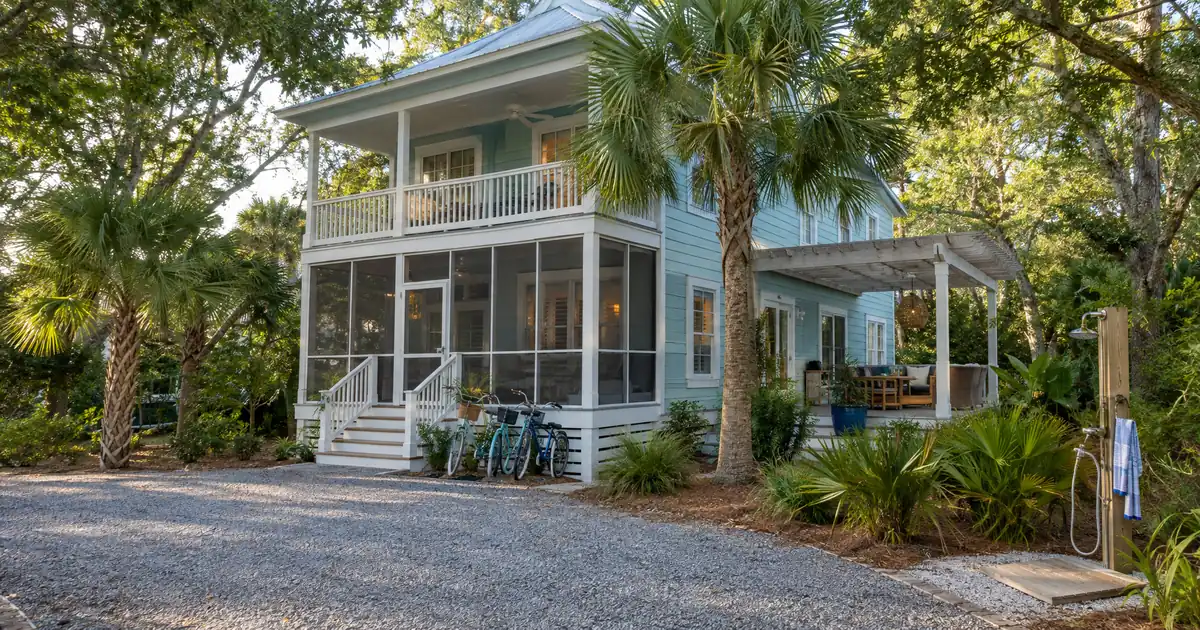
The Quick Read: It depends, and the answer is usually not the standard one-to-four unit short-term rental program. A six-unit building sits above the residential line, so it needs a select lender with a small-multifamily or small-balance commercial DSCR tier. The motel history and the nightly-rental income narrow the field further.
- Unit count is the first gate. Five or more units generally moves a file out of the residential DSCR lane and into a smaller pool of specialty lenders.
- Legal use is the second gate. A building that is still a motel on paper is a hospitality asset, and residential programs generally do not take it.
- Short-term rental income needs evidence. Hosting history, a management statement, or a market-based projection supports the numerator, and lenders usually trim it.
- A fresh conversion may not fit yet. Programs typically expect about 12 months of hosting history, so a newly converted building often needs a bridge or a long-term-rent underwrite first.
- Run both income views. Test the deal on nightly revenue and on a conservative long-term rent before you pick a lender.
DSCR is the debt service coverage ratio. It compares a property’s rent to its full monthly obligation. The complete DSCR loans guide covers the basics, so this article stays on the six-unit motel question.
Short-Term Rental Calculator
Run the STR numbers in your market
Rate source: Freddie Mac 30-yr average via FRED® — Federal Reserve Bank of St. Louis · effective Oct 15, 2026
Prefilled with starting assumptions — enter your nightly rate, occupancy, taxes, and insurance for a more accurate picture.
Short-term rental income is documented with a 12-month history or a market data report. Program parameters update from Lendmire’s centralized guideline source.
As of Oct 15, 2026 · General Freddie Mac market benchmark, not a Lendmire loan offer. Nightly rate, occupancy, taxes, and insurance are editable estimates. Qualifying income for short-term rentals varies by program — some use appraisal market rent, others use documented STR history or projections — and is confirmed in underwriting. Not a Loan Estimate, approval, or commitment to lend. Program availability and eligibility are subject to lender guidelines, credit approval, property review, and underwriting.
Why Does Six Units Change the Answer?
Six units changes the answer because the market treats one to four units as residential and five or more as commercial multifamily. That line is about how loans are sold and underwritten, not about how the building looks. A fourplex and a six-unit can look almost identical from the street.
Most residential DSCR loans are built for pooling into residential securitizations. A loan on five or more units generally does not fit that structure. It tends to be grouped with commercial real estate loans, and the lender pool gets smaller.
Here is how the two lanes differ in practice.
| Factor | 1–4 Units | 5+ Units |
|---|---|---|
| Lender pool | Broad | Narrow, specialty |
| Appraisal | Residential income report | Commercial-style, income approach |
| Underwriting | Rent versus payment | Operating statements, rent roll |
| Best fit | Stabilized or simple rentals | Stabilized, leased buildings |
Heavy rehab or significant vacancy usually points to other financing. A motel mid-conversion often lands in that group. Lendmire’s piece Is There a DSCR Loan Limit on a 2-4 Unit Short-Term Rental? covers the smaller-building side of this line.
How Does a Lender Classify a Former Motel?
A lender classifies a former motel by what the building is legally and physically today, not by what you plan for it. There are three realistic buckets: residential or multifamily, mixed, and lodging.
Residential or multifamily. The six rooms have been converted into dwelling units. They have kitchens, a residential or multifamily certificate of occupancy, and the zoning change is complete. This is the cleanest path, and it points to the small-multifamily tier.
Mixed. Some rooms are converted and a lobby or office unit remains. Lenders review these case by case. Expect questions about which spaces count as units and which count as common area.
Lodging. The building still operates as a motel, with a front desk, daily housekeeping, and transient guests. A lender may see a hospitality business rather than a rental. Standard residential DSCR programs are built for dwellings, so this bucket generally falls to commercial or portfolio lenders.
“Converted” has to mean something specific to an underwriter. A renovation alone does not count. A change of use does, meaning approved zoning and a new certificate of occupancy. The National Association of Realtors published case studies on repurposing hotels and motels into multifamily housing. They show that conversions typically involve rezoning and working with local governments, and that some projects needed rezoning while others did not.
CalMatters reporting on motel conversions calls the zoning change from commercial to residential an essential step for most projects. That is one state’s story, but the lesson travels. Paper that proves the change of use is the first thing a lender wants to see.
Kitchens matter too. A room with no kitchen is harder to call a dwelling unit. If your six rooms are still key-and-bed rooms, expect the lodging bucket.
Can Short-Term Rental Income Qualify on Six Units?
Yes, short-term rental income can qualify on a six-unit building, but only with a lender that accepts nightly income on larger buildings, and only with evidence. Programs differ on the evidence. The strongest is a track record of actual bookings.
The usual sources of income evidence are:
- An appraiser’s short-term rental analysis.
- A 12-month property-management statement.
- Twelve months of bank statements showing booking deposits.
- A market-data projection, such as a rental-analytics report, on a purchase.
A management statement of real results tends to be treated more favorably than a projection. Projections usually get a haircut before the ratio is run. The size of the haircut is lender-specific.
The appraisal is where many investors get hurt. A residential appraisal uses a form called the 1007 rent schedule, and it estimates long-term, month-to-month rent. Class Valuation, an appraisal firm, argues the 1007 cannot support short-term rental income at all. That gap often leaves the long-term figure well below nightly potential.
A six-unit building does not use that paperwork anyway. The small residential income report, Form 1025, covers 2–4 units only, as Appraisal Colorado explains. The form names come from the Fannie Mae Selling Guide, which is only a naming reference here. It does not govern DSCR loans.
For six units, expect a commercial-style appraisal with an income approach. The appraiser will want a rent roll or operating statement.
What Leverage and Credit Should You Expect?
Short-term rental purchases typically reach up to 75% LTV on the strongest files, and short-term rental refinances and cash-outs reach up to 70%. LTV is loan-to-value, the loan amount as a share of the property’s value. Most short-term rental programs expect a credit score of about 640 or higher, and about 12 months of hosting experience.
On short-term rental files, coverage typically starts at 1.00 on both purchases and refinances. Treat 1.00 as where many select programs start, not as a universal standard. A separate select-lender path takes coverage below 1.00, with leverage and terms adjusted.
Loan amounts run up to $3,000,000 on standard programs, and smaller balances route through select lenders in the network. Reserves vary by lender, leverage, and loan size. Many files want around six months of PITIA in the bank, and larger loans typically want more.
One caution applies here. These figures are the short-term rental reference points. A six-unit file goes to a select lender with a specialty tier, and that lender sets its own terms. Treat any single number as a starting point and confirm it against the actual program. Program details can change, and every file is underwritten individually.
A bigger down payment helps in one narrow way. It lowers the monthly obligation and can lift the ratio. It does not erase leverage caps, credit floors, or reserve rules, and it does not fix a property-type problem. The strongest files clear two tests at once: enough equity and enough rental coverage.
What Does a Six-Room Example Look Like in Ratios?
Run the numbers on this modeled six-room building. These are illustrative assumptions, not market data.
Say the projected nightly revenue covers the full monthly obligation twice over, a 2.00x gross ratio. A lender applies a 20% adjustment to the projected income. The adjustment reduces income, not the obligation, so the ratio falls to about 1.60x.
Now test the same building on a conservative long-term rent. Say that rent covers the obligation about 1.05x. It barely clears 1.00, which is where many select programs start.
Compare the two views:
- Nightly view: Roughly 1.60x after the haircut. Strong coverage, but it needs hosting history or a lender comfortable with the projection.
- Long-term view: Roughly 1.05x. Thin, but it needs no booking history.
A ratio is not cash flow. DSCR counts rent against principal, interest, taxes, insurance, and any association dues, which together are PITIA. Repairs, vacancy, utilities, management, and capital expenses sit outside the calculation. Clearing 1.00 does not mean the building makes money.
Short-term rentals carry heavier operating costs than leases, so a six-room hosting operation can clear the ratio and still run tight.
Which Path Fits Your Situation?
The right path depends on what the building is doing today. This table routes you by situation.
| Situation | Likely Income Basis | Likely Path | First Question |
|---|---|---|---|
| Operating as a motel | Business operating income | Commercial or portfolio | Is it legally lodging? |
| Vacant, converted | Projection or long-term rent | Small-multifamily DSCR | Is the new use approved? |
| Mid-renovation | None yet | Bridge, then refinance | What does it appraise at when done? |
| Already hosting as dwellings | Booking history | Specialty DSCR, short-term tier | Do you have 12 months of results? |
What Should You Check Before You Apply?
Before you apply, confirm that the building can legally do what your income projection assumes. A residential approval does not automatically permit nightly rentals.
Work through this list:
1. Certificate of occupancy. Does it list the building as residential or multifamily, and does it show six units?
2. Zoning and conversion approval. Is the change of use complete, or still pending?
3. Local short-term rental permit. Is one required, and can it transfer to a new owner?
4. Unit composition. Does each unit have a kitchen and its own entrance?
5. Insurance fit. Lodging, short-term rental, and residential policies cover different risks, so make sure the policy matches how the building operates.
6. Seller’s existing debt. Hotel financing can carry covenants tied to the building’s use, so a purchase may need the seller’s lender involved.
A lender wants proof that the use you describe is the use that is allowed.
Business-purpose rules also apply. DSCR loans are designed for non-owner-occupied investment properties. Because they are business-purpose investor loans, they are reviewed differently from a standard owner-occupied mortgage. Holding title in an LLC is common on these files, subject to lender program eligibility.
DSCR vs. conventional financing
There are two common ways to finance an investment property, and they qualify you differently — here’s how investors weigh them.
Why investors choose it
- Qualifies on the property’s rental income — no personal tax returns, W-2s, or pay stubs needed to document income.
- No personal debt-to-income ceiling to clear, so existing mortgages and obligations don’t cap your borrowing the same way.
- Can be closed in an LLC, keeping the property inside a business entity.
- Built for scaling — not held to the limit on number of financed properties that conventional financing applies.
- Underwriting centers on the deal: generally qualifies when the rent covers the payment, a 1.00x coverage ratio being a common baseline (confirmed in underwriting).
- Designed specifically for investment property, including long-term and, where the program allows, short-term rentals.
Where it’s strong
- Often the lowest ongoing financing cost for a buyer who fully qualifies on personal income — a fit for a first property or a cost-first purchase.
Trade-offs for investors
- Requires full personal income documentation and must fit within a debt-to-income limit — salary, existing debts, and other mortgages all count.
- Typically held in your personal name rather than a business entity.
- Caps how many financed properties you can carry, which can become a ceiling as a portfolio grows.
- Evaluates you as a borrower as much as the property, which usually means more paperwork.
How investors usually choose: a first or single property often optimizes for the lowest financing cost; portfolio builders often optimize for leverage, vesting in an LLC, and scaling past conventional caps. The right answer depends on your goals, the property, and current guidelines — both paths run through select lenders in Lendmire’s wholesale network, with eligibility and terms confirmed in underwriting.
Bridge First, DSCR After?
Often the answer is two loans. A bridge or construction loan covers the purchase and the conversion work. A DSCR refinance follows once the building is leased or booking and has the history a lender wants.
This sequence fits the short-term rental expectation of about 12 months of hosting history. A freshly converted motel has none, so a permanent loan on nightly income has to wait. Plan the exit before you take the first loan. Ask what the building must show, such as occupancy, bookings, or a management statement, for the permanent lender to count it.
Also plan the ramp-up. A new six-room operation takes time to find its booking pattern. Carry enough reserves to cover the obligation during that stretch without relying on projected income. Refinance and cash-out files typically sit at lower leverage than purchases, so the exit also needs enough equity.
What If DSCR Doesn’t Fit?
If DSCR does not fit, you still have workable options. Each trades something. Here is how they compare.
| Option | Underwriting Basis | Trade-Off |
|---|---|---|
| Small-multifamily DSCR | Property income | Narrow lender pool |
| Bank or portfolio loan | Borrower and property | More documents, relationship-driven |
| Bridge loan | Asset and exit plan | Short-term by design |
Banks and portfolio lenders can take a lodging-type building, but they usually want fuller financials. A bridge loan buys time to stabilize the property. Value-add or vacant buildings often start with one of these and move to DSCR later.
What Documents Should You Assemble?
Assemble the package before you talk to a lender. For five or more units, expect a rent roll, sample leases, and trailing operating statements. For a converted motel, add the following:
- Certificate of occupancy and proof of the zoning change.
- Permits for the conversion work.
- Local short-term rental permit or license, where one is required.
- Entity documents and insurance.
- Booking history, a 12-month management statement, or bank statements showing deposits.
- A conservative long-term rent estimate as a fallback view.
Key Terms Defined
DSCR: The debt service coverage ratio, which compares a property’s rent to its full monthly obligation.
PITIA: Principal, interest, taxes, insurance, and any association dues, which together make up the monthly obligation in the ratio.
LTV: Loan-to-value, the loan amount as a share of the property’s value.
Change of use: A formal shift in how a building may legally be used, such as from lodging to residential, shown by zoning approval and a new certificate of occupancy.
Small-balance commercial: A smaller commercial loan, often on five or more units, underwritten on the property’s operating income.
Seasoning: The history a lender wants to see before counting income, such as about 12 months of hosting results.
Frequently Asked Questions
Can a standard short-term rental DSCR loan finance a six-unit building?
Generally no. Standard programs are built for one to four units. A six-unit building goes to a select lender with a small-multifamily or small-balance commercial tier, where documents and appraisal are commercial-style.
Does the building need kitchens to qualify?
Kitchens help a great deal. A lender needs to see dwelling units, and rooms without kitchens are harder to classify that way. If the rooms still operate as lodging, expect a hospitality or commercial review instead.
What if the building has no short-term rental history?
Without hosting history, a short-term rental program is a hard fit, since most expect about 12 months. Options include a bridge loan until the building has results, or an underwrite on a conservative long-term rent. Some lenders will consider a market-based projection on a purchase, usually with a haircut.
Can I hold the building in an LLC?
Often yes, subject to lender program eligibility. Entity documents are a standard part of the file, and the lender will also review the borrower’s credit profile.
What if the lender uses only the long-term rent figure and the coverage comes in low?
A low appraiser rent can sink the ratio even when nightly income is strong. Some lenders accept a lease or management statement as support, and others do not. Ask each lender how it treats short-term income before you pay for an appraisal.
If you are buying or refinancing a rental property and want to see how the numbers work, Lendmire, a mortgage broker working across 41 markets including Washington, D.C., can help you compare DSCR loan options based on the property income, credit profile, leverage, and investor goals. Reach the team at 828-256-2183 or request a quote.
A six-room former motel can be a strong rental. The loan that fits it depends on the paperwork behind the conversion.
About Lendmire
Lendmire (NMLS# 2371349), a non-QM mortgage broker serving investors in 41 markets including Washington, D.C., helps structure DSCR scenarios commonly evaluated around a property’s rental income rather than personal income paperwork, subject to lender guidelines. A Scotsman Guide Top Mortgage Workplace in 2025 and 2026, Lendmire places loans through wholesale investor lenders and is not a direct lender.
Get Started
Ready to find the right loan for you?
In about 30 seconds you can review financing options available for your investment property. No commitment required.
Informational only. Not a Loan Estimate, approval, or commitment to lend. Program availability and eligibility are subject to lender guidelines, credit approval, property review, and underwriting.
References
1. NAR – hotel/motel to multifamily case studies
2. CalMatters – motel conversion step by step
3. Class Valuation – Form 1007 and short-term rentals
4. Appraisal Colorado – Form 1025
5. Fannie Mae Selling Guide B4-1.2-01 (form names only)
This article is part of Lendmire’s short-term rental loan program — full qualification details, guidelines, and scenarios live on the program page.
Related reading: Can You Scale Past Ten Rentals With a DSCR Loan After a Short Sale? · Can a Travel Nurse Mid-Term Rental Qualify for a DSCR Loan? · How to Refinance a Newly Leased Rental With a DSCR Loan
Brandon Miller
Founder & CEO, Mortgage Loan Originator, Lendmire LLC
- Mortgage Loan Originator · NMLS# 1129696 · Verify on NMLS Consumer Access
- North Carolina Real Estate Broker · License# 343312 · Verify on NCREC
- North Carolina Insurance Producer · License# 19053198 · Property, Casualty, Life, Health · Verify on NAIC SBS
- Lendmire LLC · Firm NMLS# 2371349 · Verify firm licensure
Compliance and disclosures. Lendmire (NMLS# 2371349) is a licensed mortgage broker and is not a direct lender, depository institution, financial advisor, or tax professional. Content in this article is general market analysis and educational information — not financial, legal, or tax advice for any specific situation. Lendmire does not guarantee loan approval; every transaction is subject to underwriting by the funding lender. Mortgage pricing and loan program guidelines are subject to change at any time without notice and vary by borrower characteristics, property type, and state regulations. Lendmire complies with Equal Housing Opportunity. Licensure verification: NMLS Consumer Access.