
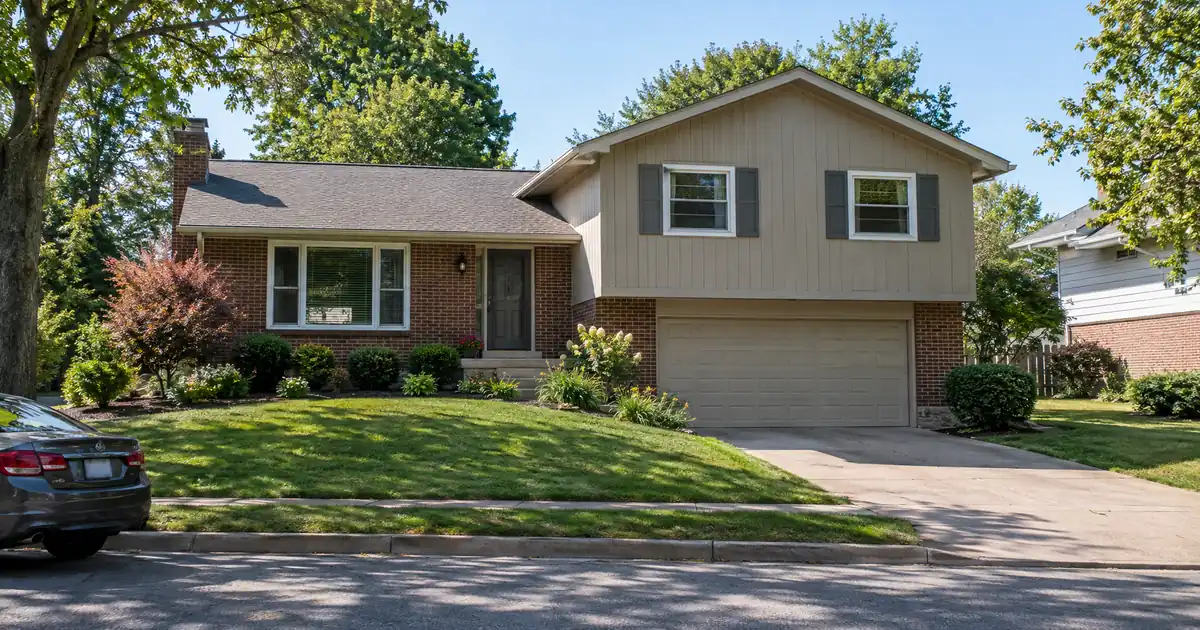
Refinance Rental Property Orlando FL Without Income Docs — The Quick Read: You can refinance a rental with no personal income documentation. The loan is reviewed primarily on property-level rental income covering the payment, subject to lender guidelines. Orlando is only an example here. The same mechanics apply anywhere. Lenders still review credit, reserves, the appraisal, and the property itself.
Key Takeaways
- The rent is compared to the full monthly obligation (principal, interest, taxes, insurance, and association dues). Your W-2s and traditional personal-income documentation are not part of that test.
- Cash-out refinances top out around 75% LTV across most of the network. Expect about 6 months of seasoning.
- Credit still matters. Most programs want around 660, and 700+ opens the strongest leverage.
- Clearing 1.00 coverage is not the same as positive cash flow.
- Sub-1.00 files exist through select lenders, with leverage and terms adjusted.
What Does “Without Income Docs” Actually Mean?
It means the property’s rent drives lender review, not your paycheck. Lenders skip the pay stubs, W-2s, and tax-return review. They do not skip the file. Credit, assets, reserves, appraisal, and property details all get checked.
DSCR Calculator
Run the numbers in your market
Rate source: Freddie Mac 30-yr average via FRED® — Federal Reserve Bank of St. Louis · effective Sep 24, 2026
Prefilled with local estimates — enter your own rent or nightly figures, taxes, insurance, and HOA for a more accurate picture.
Program parameters update from Lendmire’s centralized guideline source. Taxes and insurance are editable estimates.
As of Sep 24, 2026 · General Freddie Mac market benchmark, not a Lendmire loan offer. Rent, nightly rate, occupancy, taxes, and insurance are editable estimates. Short-term rental figures are estimates only and vary significantly by season, property type, management approach, and local short-term-rental rules — confirm local regulations before relying on them. Qualifying income for short-term rentals varies by program — some use appraisal market rent, others use documented STR history or projections — and is confirmed in underwriting. Not a Loan Estimate, approval, or commitment to lend. Program availability and eligibility are subject to lender guidelines, credit approval, property review, and underwriting.
Trade coverage describes the same idea. Scotsman Guide notes that DSCR loans qualify on rental income rather than personal income. It also reports that the average non-QM borrower carried a 776 FICO in 2024. So this is not a subprime product. These specifics are subject to lender guidelines and a full review of property, leverage, and credit.
DSCR stands for debt service coverage ratio. It is monthly rent divided by the monthly debt payment. That payment is PITIA: principal, interest, taxes, insurance, and association dues. A ratio of 1.00 means rent equals the full payment. Higher is stronger.
Think of a duplex where rent comfortably exceeds the full monthly obligation. That file reads well. A rental where the payment outruns the rent reads poorly, no matter how much you earn elsewhere.
DSCR loans are designed for non-owner-occupied investment properties. Because they are business-purpose investor loans, they are reviewed differently from a standard owner-occupied mortgage. For the full picture, see the complete DSCR loans guide.
How Does Underwriting Treat Your Refinance, Step by Step?
Underwriting follows a predictable path. Each step tests the property, not your tax return.
1. Initial review. The broker looks at your current loan balance, the lease or rent history, and a rough read on what the new loan could support.
2. Appraisal. It does two jobs. It sets market value, which drives the LTV ceiling. It also sets market rent, which drives coverage.
3. Rent determination. For a single-family rental, the appraiser typically completes Form 1007, the rent schedule. Fannie Mae’s form exists to get market rent for a single-family investment property. DSCR programs borrow the form as a convention. Agency guidelines do not govern these loans. Multifamily uses Form 1025.
4. Lower-of rule. Many programs use the lower of in-place lease rent or appraiser market rent. That protects against a unit temporarily rented above market.
5. Credit and reserves. The lender pulls credit and verifies you hold enough reserves. Reserves are cash left after closing. They commonly run about 6 months of PITIA, with variation by lender, leverage, and loan size.
6. Final risk review. The lender confirms the coverage ratio fits the program and reviews title, insurance, and property eligibility.
Non-income documents usually include the latest mortgage statement, an insurance quote or binder, entity documents if you hold title in an LLC (subject to lender program eligibility), and lease or rent history. The common stalls are dull ones: missing rent history, weak rent comps, incomplete entity papers, and thin insurance.
How Much Cash Can You Pull Out?
Cash-out equals appraised value times the LTV limit, minus your current balance. LTV is loan-to-value, the loan as a percentage of appraised value. Across most of the network, standard rental cash-out tops out around 75% LTV. Terms vary by lender guidelines, property type, leverage, credit profile, and full file review.
Here’s the catch. A bigger cash-out means a bigger payment, and a bigger payment lowers coverage. So model the post-refinance ratio, not the one you have today.
Run it this way. Say you own a rental worth well over the price of a starter home and owe little. Pulling out the maximum might drop coverage from a comfortable 1.4x to something near 1.0x. Pulling out less might keep you in stronger pricing territory. Tuning the cash-out amount is often the smartest lever you have.
Seasoning matters too. Seasoning is the waiting period between buying and refinancing. About 6 months is the common expectation for cash-out. Well-documented renovations can change the analysis, but that depends on the lender and the file.
If the money is going into your next purchase or a BRRRR-style recycle, ask one question first: does the refinanced property still clear coverage after the new payment? If yes, the strategy scales. If not, trim the cash-out.
What Structures and Variations Exist?
Several structures sit on top of the basic refinance. Which one fits depends on your goals and the file.
- Term. The spine is the 30-year fixed. Extended terms (40-year) and interest-only periods are available through select lenders in the network. ARM structures exist for investors who want them.
- Loan size. Standard programs run up to $3,000,000. Above $2,500,000, the network generally holds to 30-year fixed structures.
- Credit tiers. A 620 floor exists in parts of the network. Most programs want around 660. Scores of 700+ unlock the strongest leverage.
- Reserves. Conservative rate-and-term files at modest leverage under $1,500,000 can see reserves waived. Loans above that size typically step up to about 9 months.
- Prepayment penalty. This is a fee for paying off the loan early, often on a step-down schedule. It matters most if you plan to refinance again soon. Weigh it against the pricing it buys.
A bigger down payment or lower leverage helps the ratio. It never erases credit floors, reserve rules, or property eligibility. The strongest files clear both tests: enough equity and enough rental coverage.
Where Does the General Rule Break?
The “no income docs” rule holds until one of these edge cases shows up.
Coverage below 1.00
Sub-1.00 coverage is available through select lenders in the network, with leverage and terms adjusted. Scotsman Guide likewise reports that some non-QM lenders will consider lower coverage when compensating assets exist. Terms vary by lender. Expect lower LTV and possibly stronger credit or reserve requirements. Qualification is subject to lender guidelines and property review.
No-ratio structures
Some programs skip the ratio test. These are available only through select lenders, generally for borrowers who already own a primary residence.
Consumer-purpose cash-out
This is the big one. The “no income docs” feature depends on the loan being genuinely business-purpose. The CFPB’s Regulation Z exemption turns on the purpose of the credit, not just the property type. If you plan to spend the proceeds on personal expenses, the loan can fall outside the business-purpose category. Owner occupancy changes the analysis too. Tell your broker your real plan for the funds.
Short-term rentals
Form 1007 was not built for nightly pricing. McKissock Learning notes that appraisers cannot show nightly income on it. STR files use another income method, usually documented hosting history. Across the network:
| Factor | STR Purchase | STR Refinance | STR Cash-Out |
|---|---|---|---|
| Max LTV | 75% | About 70% | 70% |
| Credit | 640+ | 640+ | 640+ |
| History | About 12 months | About 12 months | About 12 months |
| Coverage floor | 1.00 | 1.00 | 1.00 |
Short-term rental rules can vary by city, county, HOA, and property type, so investors should confirm local rules before relying on projected rental income.
Florida-style pressure points
Orlando shows how local costs can bend the math. Insurance sits inside PITIA, so a higher premium lowers coverage. Flood zones can add flood insurance. Condos can raise eligibility questions, and HOA rental limits can undercut income projections. Get an insurance quote before you run coverage. I would not trust any pro forma built on last year’s premium.
Ineligible properties
Manufactured homes (single- and double-wide), log homes, and barndominiums are not offered in the network’s DSCR programs.
Does Clearing 1.00 Mean You’re Cash-Flowing?
No. DSCR compares rent to PITIA only. Repairs, vacancy, management, utilities, and capital expenses sit outside the calculation. A property at 1.05x can still lose money once a roof or a vacant month hits. Treat coverage as a lender’s test, then run your own budget separately.
Across the wholesale network, stronger coverage tends to open better pricing and leverage. Practitioners routinely see borrowers chase the maximum cash-out, then discover the payment squeezed their coverage into a weaker tier. Sometimes taking less is the better play. Exact terms depend on the lender’s guidelines, property type, leverage, and a full review of the borrower’s file.
What Does the Decision Look Like in Practice?
Work through this order:
1. Confirm the loan purpose is business-related. 2. Pull your current balance and estimate value. 3. Price a fresh insurance quote. 4. Estimate coverage at a few cash-out levels, not just the maximum. 5. Check credit tier, reserves, and seasoning against the program. 6. Decide whether a prepayment structure fits your hold plan.
Investors with heavy depreciation and write-offs often show low taxable income, which is why property-based qualification appeals to them. For more on that angle, see this guide on qualifying for a rental property loan without W-2 income. Tax treatment can depend on how the funds are used and how the property is held; investors should keep clear records and speak with a qualified tax professional before relying on any deduction.
If you are buying or refinancing a rental property and want to see how the numbers work, Lendmire can help you compare DSCR loan options based on the property income, credit profile, leverage, and investor goals. Lendmire is a broker arranging financing through select lenders in its wholesale network across 41 markets, including Washington, D.C. Nothing here is a commitment to lend.
Key Terms Defined
- DSCR: Monthly rent divided by the full monthly debt payment, used to test whether a property supports its loan.
- PITIA: Principal, interest, taxes, insurance, and association dues, the full monthly obligation.
- LTV: Loan-to-value, the loan amount as a percentage of the property’s appraised value.
- Seasoning: The waiting period a lender wants between buying a property and refinancing it.
- Reserves: Cash you hold after closing, measured in months of PITIA.
- Prepayment penalty: A fee charged if you pay off the loan early, often stepping down over time.
- Non-QM: A loan that does not fit standard agency mortgage rules, typically underwritten on alternative criteria.
Frequently Asked Questions
Can I refinance a rental property without a job?
Often yes, because the loan is reviewed primarily on property-level rental income covering the payment, subject to lender guidelines. Credit, reserves, and equity still matter. This related piece on refinancing a rental property without a job goes deeper.
How much equity do I need?
Cash-out tops out around 75% LTV across most of the network, so you need to leave at least a quarter of the value untouched. Short-term rental cash-out is lower, at 70%. Your appraisal sets the value, so the number moves with it. Every figure here varies by lender and program — guidelines, property type, leverage, and credit profile all apply.
What if my rent doesn’t cover the payment?
Expect lower LTV and closer scrutiny. Raising rent, paying down the balance, or taking less cash-out can also lift the ratio.
Do I need an LLC?
No. Holding title in an LLC is commonly allowed, subject to program terms, but personal-name ownership can also work. Entity documents add paperwork, so decide with your advisor before you apply.
Does Orlando need special handling?
The mechanics are the same as anywhere. The pressure points are insurance costs, condo eligibility, and HOA rental rules. Check them early, because they change your coverage number.
About Lendmire
Lendmire (NMLS# 2371349) is a DSCR-focused mortgage broker that helps arrange investor financing across 41 markets, including Washington, D.C., through wholesale and investor-lending channels. DSCR eligibility is generally reviewed by the lender around the property’s rental income rather than personal income documentation, subject to lender guidelines — which works for self-employed investors, LLC operators, and portfolios above four financed properties. Scotsman Guide named Lendmire a Top Mortgage Workplace in both 2025 and 2026.
Get Started
Ready to find the right loan for you?
In about 30 seconds you can review financing options available for your home or investment property. No commitment required.
Informational only. Not a Loan Estimate, approval, or commitment to lend. Program availability and eligibility are subject to lender guidelines, credit approval, property review, and underwriting.
References
1. Scotsman Guide – Which groups are driving non-QM lending
2. Fannie Mae – Form 1007 instructions
3. Scotsman Guide – Invest in Your Future
4. CFPB – Reg Z §1026.3 Exempt transactions
5. McKissock Learning – Form 1007 and short-term rentals
This article is part of Lendmire’s DSCR loan program — full qualification details, guidelines, and scenarios live on the program page.
Related reading: DSCR Loan Orlando FL Short-Term Rental Investors · DSCR Loans Orlando: Investor Financing for Orlando Rental Properties, Airbnb, and Real Estate Investors · DSCR Loans in Lakeland, Florida: Investor Financing for South Lakeland, Dixieland, and North Lakeland — I-4 Corridor Cash Flow, Healthcare and Logistics Rental Demand, and Affordable Central Florida Growth
Guides: DSCR Loans in Orlando, FL · DSCR Loans in Florida
Brandon Miller
Founder & CEO, Mortgage Loan Originator, Lendmire LLC
- Mortgage Loan Originator · NMLS# 1129696 · Verify on NMLS Consumer Access
- North Carolina Real Estate Broker · License# 343312 · Verify on NCREC
- North Carolina Insurance Producer · License# 19053198 · Property, Casualty, Life, Health · Verify on NAIC SBS
- Lendmire LLC · Firm NMLS# 2371349 · Verify firm licensure
Compliance and disclosures. Lendmire (NMLS# 2371349) is a licensed mortgage broker and is not a direct lender, depository institution, financial advisor, or tax professional. Content in this article is general market analysis and educational information — not financial, legal, or tax advice for any specific situation. Lendmire does not guarantee loan approval; every transaction is subject to underwriting by the funding lender. Mortgage pricing and loan program guidelines are subject to change at any time without notice and vary by borrower characteristics, property type, and state regulations. Lendmire complies with Equal Housing Opportunity. Licensure verification: NMLS Consumer Access.