
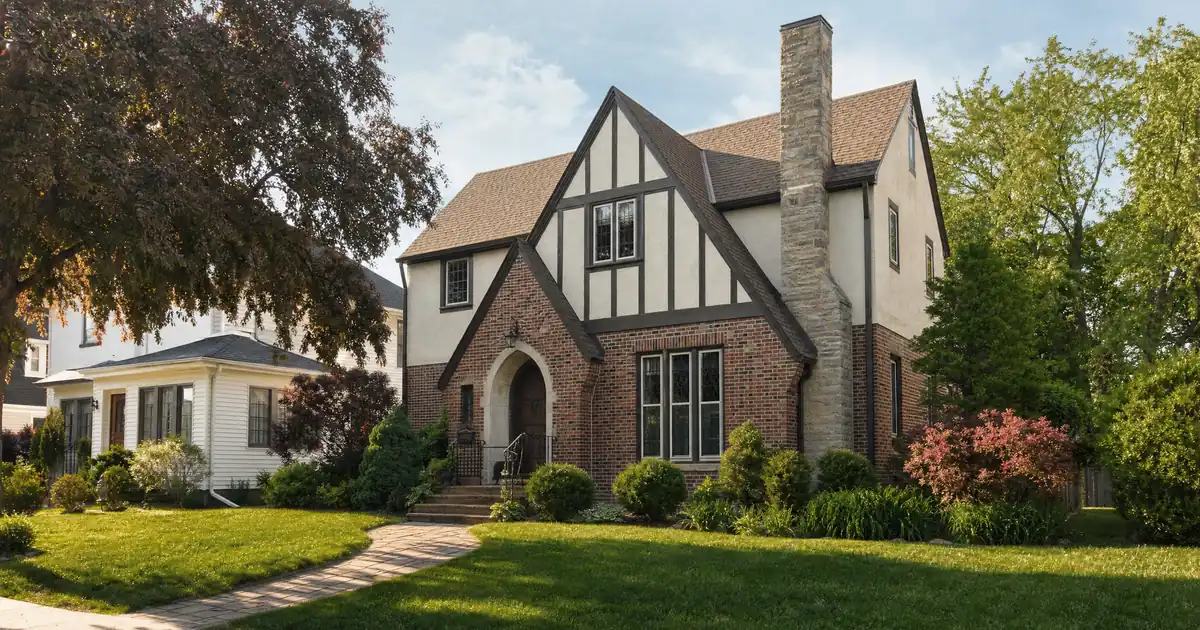
The Quick Read: Yes, you can borrow against equity in a rental property. But the path looks different than a home equity line on your own house. Most investors pulling cash out of a rental use a DSCR cash-out refinance instead of a traditional HELOC. Why? DSCR loans qualify based on the property’s rent, not the owner’s paycheck. A small slice of lenders will write a true HELOC directly against a rental. But that comes with tighter leverage and stricter paperwork. Which option fits you depends on how much equity sits in the property, whether it’s leased, and what you plan to do with the cash.
Key Terms Defined
HELOC (home equity line of credit): a revolving line of credit secured by a property. You draw funds as needed instead of getting one lump sum.
Home equity loan: a lump-sum loan secured by a property’s equity. You repay it on a fixed schedule. Think of it as the installment-loan cousin of a HELOC.
How large a line the equity supports in your market.
An equity line is sized by combined loan-to-value, occupancy, and credit — not by rental coverage. Switch the occupancy or the credit band and the ceiling moves with it.
Investment-property lines require a 700 minimum credit score. Second-home tiers reach 640; primary-residence tiers reach 600.
A debt-to-income ratio above 45% requires 680+ credit. Profiles under 640 are limited to single-family homes. At least 75% of the approved line is drawn at closing. Ceilings, floors, and caps update from Lendmire’s centralized guideline source.
Line estimate
Illustrative estimate only — not a quote, Loan Estimate, approval, or commitment to lend. The rate is an editable assumption; equity-line pricing is variable through both the draw and repayment periods and never converts to fixed. Occupancy and credit drive the ceiling together: investment property runs to 70% combined LTV with a 700 credit floor and a $500,000 cap; a second home runs to 70% at a 640 floor with a $500,000 cap; a primary residence reaches up to 80% at a 600 floor, and its $750,000 maximum line applies only at 75% combined LTV or below with 720+ credit and a full appraisal. Lines above $500,000 require a full appraisal. Credit, debt-to-income, property type, and full underwriting review all affect the final line.
DSCR (debt service coverage ratio): a number a lender calculates by dividing the property’s monthly rent by its full monthly housing payment. That payment includes principal, interest, taxes, insurance, and HOA dues — together called PITIA. A ratio of 1.00 means the rent and the payment are equal.
LTV / CLTV (loan-to-value / combined loan-to-value): the loan amount shown as a percentage of the property’s value. CLTV adds up every lien against the property — the first mortgage plus any second lien — then divides that total by the property’s value.
Seasoning: the waiting period a lender wants between the day you buy a property and the day you refinance it. Lenders usually measure this from the closing date.
Business-purpose loan: a loan made to an investor for a rental or commercial property, not for a home the borrower lives in. This label changes how the loan gets reviewed.
Can You Actually Borrow Against a Rental Property’s Equity?
Yes — but expect tighter leverage, more paperwork, and fewer willing lenders than you’d find on a primary home. A rental carries vacancy risk that a primary residence doesn’t. Lenders price that risk in two ways: lower loan-to-value ceilings, and often, reserve requirements that owner-occupied loans skip entirely.
Two different products both get called an “investment property home equity loan.” Mixing them up causes the most common confusion investors run into.
The first type is a HELOC or home equity loan secured by your own home. You then use that cash to buy or improve a rental. This is the easier, more common route. Why? Lenders underwrite it as an owner-occupied product — familiar leverage, familiar paperwork, and no rental-income hurdle to clear.
The second type is a HELOC or equity loan secured directly by the rental property itself. This product is narrower. Fewer lenders offer it. Leverage tops out lower. And lenders underwrite the file as non-owner-occupied from day one.
Most investors sitting on equity in an already-owned rental skip the second-lien HELOC entirely. Instead, they use a DSCR cash-out refinance. This replaces the existing loan and pulls equity out through one new first-lien loan, qualified on the property’s rent. Lendmire’s complete DSCR loans guide walks through exactly how that qualification works.
How Underwriting Actually Treats a Rental-Property Equity Loan, Step by Step
Underwriting a rental-secured equity loan runs on different levers than a primary-residence HELOC. Leverage caps, rent documentation, and credit tiers all shift — and each one moves on its own.
Step 1: The lender sets the leverage ceiling first. Across most of the wholesale network Lendmire places files through, purchase transactions on investment property land in the 75%-80% LTV range. That means 20%-25% down. A handful of high-leverage programs stretch to 85% LTV, roughly 15% down — but those generally need a credit score in the 700s to unlock. Cash-out refinances stay more conservative across the board. Most of the network holds the ceiling near 75% LTV on a cash-out, no matter how strong the rest of the file looks.
Step 2: The rent gets documented, not just the value. A DSCR cash-out file relies on a market-rent opinion. This is the same style of report the appraisal industry has used for decades on investment property — the single-unit rent schedule and the small multifamily income form. That document tells the lender what the unit rents for (or should rent for). That figure then feeds directly into the coverage ratio math.
Step 3: The coverage ratio decides what the property can support. A 1.00 ratio — where rent fully covers the payment — serves as the floor on select DSCR programs across the network. Still, many lenders will work with ratios below 1.00 given the right compensating factors: lower leverage, a bigger paydown, or stronger reserves. Even so, a file at 1.00 or better typically opens meaningfully better pricing and leverage than a borderline one. A no-ratio option is available for DSCR below 1.00 with stronger credit or higher down payment; qualification on that path rests on credit and equity rather than a rent-coverage calculation. Where a property falls short, the usual fix is more cash down, a rate-and-term structure instead of a cash-out, or blending in short-term-rental income if the property qualifies — all subject to lender review.
Step 4: Credit and reserves layer on top of the ratio. A 620 floor exists in parts of the network, but most programs look for something closer to 660. A 700-plus score is what unlocks the strongest leverage tiers. Reserve requirements vary by lender, loan size, and leverage. Commonly, lenders want around six months of PITIA sitting in a liquid account. Conservative rate-and-term files at modest leverage under $1,500,000 sometimes see reserves waived. Loans above that size typically step up toward nine months.
Step 5: The math caps the actual dollars available. Take the appraised value, multiply it by the maximum LTV, then subtract the existing loan balance — that sets the equity ceiling, before reserves and coverage even enter the picture. A bigger down payment or a bigger equity cushion lowers the loan-to-value and can lift the coverage ratio. But it never overrides a leverage cap, a credit floor, or a property that simply doesn’t rent for enough to clear the lender’s minimum ratio. The strongest files clear both tests at once: enough equity and enough rent.
DSCR deserves a precise definition here. It measures rent against PITIA only. Clearing 1.00 tells a lender the rent covers the mortgage payment. It says nothing about repairs, vacancy stretches, property management fees, or capital expenses — all of which sit outside that ratio entirely. A property can clear 1.00 on paper and still run thin once those real costs hit the owner’s ledger.
HELOC vs. Home Equity Loan vs. DSCR Cash-Out vs. Home Equity Investment
The honest answer to “which one should I use” comes down to what you want. Do you want a revolving line? A lump sum? Or are you comfortable giving up a share of future appreciation instead of taking on debt at all?
| Feature | HELOC (on rental) | Home Equity Loan (on rental) | DSCR Cash-Out Refi | Home Equity Investment |
|---|---|---|---|---|
| Funding style | Revolving draw line | One-time lump sum | New first-lien loan | Lump sum, no monthly payment |
| is reviewed on | Rent + credit, 2nd lien | Rent + credit, 2nd lien | Property rent (DSCR) | Home value, not income |
| Lien position | Junior to 1st mortgage | Junior to 1st mortgage | Replaces existing 1st | Junior, non-debt claim |
| Typical leverage | Conservative CLTV cap | Conservative CLTV cap | Up to 75% LTV on cash-out | Varies by provider |
Terms vary by lender guidelines, property type, leverage, credit profile, and full file review.
A HELOC secured by the rental itself sits behind the first mortgage. That matters in a hardship scenario. If payments start slipping, a lender or servicer will closely watch that junior lien on an investment property — the first-lien holder gets paid before the second. A DSCR cash-out refinance avoids that stacking problem entirely. It replaces the first lien instead of adding a second one. That’s part of why it’s the more commonly used tool for pulling meaningful equity out of a rental. It also runs on no personal income documentation. Qualification runs on the property’s income instead of pay stubs or traditional personal-income paperwork.
A Worked Example: Pulling Equity From a Rental
Picture a small multifamily property valued at $420,000. Its existing loan balance equals roughly 40% of that value — call it a healthy equity cushion. At a typical 75% cash-out ceiling common across the network, there’s meaningful room between the existing balance and the new ceiling, before reserves and coverage even get checked.
Whether that room is usable comes down to two separate tests, not one. First: does the resulting loan amount stay inside the 75% cash-out ceiling, and clear the reserve requirement for that loan size? Second: does the property’s rent clear a workable coverage ratio — comfortably above 1.00, ideally — against the new, larger payment? A property with plenty of equity but rent that barely limps to breakeven coverage will get less cash out than the equity alone suggests. Why? Because the ratio test caps the deal just as hard as the leverage test does.
This pattern shows up across DSCR files that carry real equity but modest rent. The leverage math says one number. The coverage math says a smaller one. The lender lands on whichever is lower. Investors who run both tests before shopping a refinance tend to walk in with realistic expectations — instead of a number pulled from an online equity calculator that never checked the rent roll.
Where the General Rule Breaks: Edge Cases
The leverage and coverage rules above hold in most files. But several situations pull the ceiling down — or take a whole product off the table.
Vacant or unleased property. A unit sitting empty between tenants doesn’t disappear from qualification. But expect the achievable leverage to come in below the advertised program maximum until a lease is in place. Lenders routinely trim allowable leverage on rate-and-term refinances, and even more so on cash-out, when the property has no current lease.
Short-term rentals. Cash-out on a short-term rental typically caps lower than a standard long-term rental — closer to 70% LTV on both refinance and cash-out, against 75% or 80% on a traditional lease. Expect a 640-plus credit score, roughly 12 months of hosting history, and a 1.00 coverage floor. The appraisal side matters here too. A market-rent report gets built around monthly lease comparables, not nightly rates. That means an appraiser can’t just multiply a nightly rate by 30 and call it monthly rent. Fannie Mae’s rental-income guidance and independent appraisal commentary both point to comparable monthly-lease data as the standard, even when the subject property runs as a short-term rental (McKissock). Short-term rental rules can also vary by city, county, HOA, and property type. Confirming local rules before relying on projected income matters as much as the loan math.
State-level overlays. A handful of states — Connecticut, Florida, Illinois, New Jersey, and New York — carry overlays across parts of the network. These cap purchase leverage near 75% LTV and hold loan size closer to $2,000,000, no matter how strong the credit file looks otherwise.
Loan size and term structure. Standard DSCR programs across the network run up to roughly $3,000,000, though smaller balances route through a narrower set of lenders. Above $2,500,000, the network generally holds to 30-year fixed structures rather than the extended-term or interest-only options available on smaller loans. Some lenders in the network do offer 40-year terms and interest-only periods, and adjustable-rate structures exist for investors who prefer them. But those options thin out as loan size climbs.
Property type. Manufactured homes — single- and double-wide — along with log homes and barndominiums fall outside DSCR programs in Lendmire’s network entirely. That’s not a “harder to finance” situation. Those property types simply aren’t offered on this side of the market. An investor holding one of these would need a different financing path altogether.
Ownership structure. Whether title sits in a personal name or an LLC, the underlying rent-versus-payment math doesn’t change. But closing through an entity adds documentation steps, subject to lender program eligibility.
Using Your Own Home’s Equity to Fund a Rental Purchase
Tapping equity in your primary residence to fund a rental down payment is the more accessible route for a lot of first-time investors. Why? Lenders underwrite it as an owner-occupied product rather than a business-purpose one. DSCR loans, by contrast, are built for non-owner-occupied investment properties. Because they’re business-purpose loans, lenders review them differently than a standard owner-occupied mortgage. That classification is exactly what lets DSCR lenders skip personal-income underwriting in the first place (Consumer Financial Protection Bureau).
That classification difference also shows up in consumer protections that simply don’t extend to investment property. The right to cancel certain home-secured loans within three business days applies to loans secured by a primary residence. It does not apply to a HELOC or refinance secured by a second home or rental (Barnes Walker). Tax treatment can also depend on how the borrowed funds are used and how the property is held. Investors should keep clear records and speak with a qualified tax professional before relying on any deduction.
Once a rental is up and leased, the more common next move is refinancing the rental itself — rather than continuing to carry debt against the primary home. Lendmire’s guide on pulling equity from a rental property through a DSCR loan walks through that transition. Investors weighing government-backed alternatives for an initial purchase — particularly house-hacking scenarios where the owner occupies one unit of a small multifamily — can also compare a VA-backed investment property loan or an FHA investment property loan against the DSCR route before deciding which fits the plan better.
Choosing the Right Move
Investors sitting on equity in an already-owned rental generally aren’t choosing between a HELOC and a home equity loan. They’re choosing between tapping the rental directly through a DSCR cash-out refinance, or leaving the rental alone and borrowing against their own home instead. The DSCR route makes sense when the rental is leased, cash-flowing, and the owner would rather not touch the equity in the home they live in. The primary-residence route makes more sense for a first acquisition — before there’s a rental with any equity or rent history to lean on. Lendmire’s guide to investment property refinancing breaks down how that decision typically plays out once a portfolio has more than one property in it.
For current guidelines and terms, see Lendmire’s investment-property HELOC programs page.
Frequently Asked Questions
Can I get an investment property loan against equity I already have?
In most cases, yes. The more common structure for tapping equity in an already-owned rental is a DSCR cash-out refinance rather than a second-lien HELOC, since lenders review it based on the property’s rent rather than personal income. A narrower set of lenders will also write a true HELOC directly against a rental, typically at more conservative leverage than a primary-residence line.
How do I get an investment property loan on a rental I already own?
Start by confirming three numbers: the property’s rent, its current loan balance, and its estimated value. Those three figures determine both the leverage ceiling and the coverage ratio a lender will use. From there, most files move through documentation of the lease or a market-rent opinion, a credit check, and a reserve verification before landing on a final leverage and pricing tier.
How to get an investment property loan if the property has been vacant recently?
Expect the achievable leverage to land below the advertised program maximum until a signed lease is in place. Lenders commonly trim the leverage ceiling on vacant or unleased collateral. Getting a tenant in place before applying, or timing the application around a fresh lease, generally improves what the math allows.
Is the interest on a rental-property equity loan tax-deductible?
It depends on how you use the funds and how you hold the property — not simply on what you call the loan. Investors should keep clear records of how proceeds were spent and speak with a qualified tax professional before assuming any deduction applies.
What credit score do I need for a DSCR cash-out refinance on a rental?
Most programs across Lendmire’s wholesale network look for something in the 660 range. A 620 floor exists on parts of the network, and 700-plus typically unlocks the strongest leverage tiers. Reserves, property type, and loan size all factor in alongside credit, so a strong score alone doesn’t guarantee a specific outcome.
Program availability, loan terms, and eligibility are subject to lender guidelines, credit approval, property review, and full underwriting. This article is educational and is not a loan offer or commitment to lend.
About Lendmire
Lendmire, NMLS# 2371349, works as a mortgage broker arranging DSCR investor financing through select lenders across a wholesale network spanning 40 states plus Washington, D.C. — 41 markets total. Investors comparing a rental-equity strategy against a straight purchase or refinance can reach Lendmire at 828-256-2183, or request a pricing quote to see how the leverage, coverage ratio, and reserve picture line up on a specific property.
If you’re weighing whether to pull equity from a rental or borrow against your own home instead, Lendmire can help compare the DSCR cash-out path against the alternatives — based on the property’s rent, your credit profile, available leverage, and what you’re trying to accomplish next.
No loan approval is ever guaranteed, and nothing here is a commitment to lend. Every scenario described here is subject to lender approval and to borrower, property, and program guidelines that can change. This article is general information, not financial, legal, or tax advice.
Get Started
Ready to find the right loan for you?
In about 30 seconds you can review financing options available for your investment property. No commitment required.
Informational only. Not a Loan Estimate, approval, or commitment to lend. Program availability and eligibility are subject to lender guidelines, credit approval, property review, and underwriting.
References
1. Consumer Financial Protection Bureau — Regulation Z §1026.3
This article is part of Lendmire’s investment property HELOC program — full qualification details, guidelines, and scenarios live on the program page.
Related reading: Home Equity Loan on Rental Property: What Investors Actually Get · Can You Get A Home Equity Loan On Rental Property · HELOC Vs Cash Out Refinance On A Short Term Rental
Brandon Miller
Founder & CEO, Mortgage Loan Originator, Lendmire LLC
- Mortgage Loan Originator · NMLS# 1129696 · Verify on NMLS Consumer Access
- North Carolina Real Estate Broker · License# 343312 · Verify on NCREC
- North Carolina Insurance Producer · License# 19053198 · Property, Casualty, Life, Health · Verify on NAIC SBS
- Lendmire LLC · Firm NMLS# 2371349 · Verify firm licensure
Required disclosures. Lendmire (NMLS# 2371349) operates as a licensed mortgage broker, not a direct lender or depository. The discussion in this article is general in nature and should not be relied upon as financial, legal, or tax advice — every investment scenario is unique and should be reviewed by a qualified professional. Any loan inquiry is subject to lender underwriting, and this article is not a commitment to lend or a guarantee of approval. Mortgage rates, loan terms, and program guidelines vary by borrower, property, and state, and may change without notice. Equal Housing Opportunity. Verify licensure at NMLS Consumer Access.