
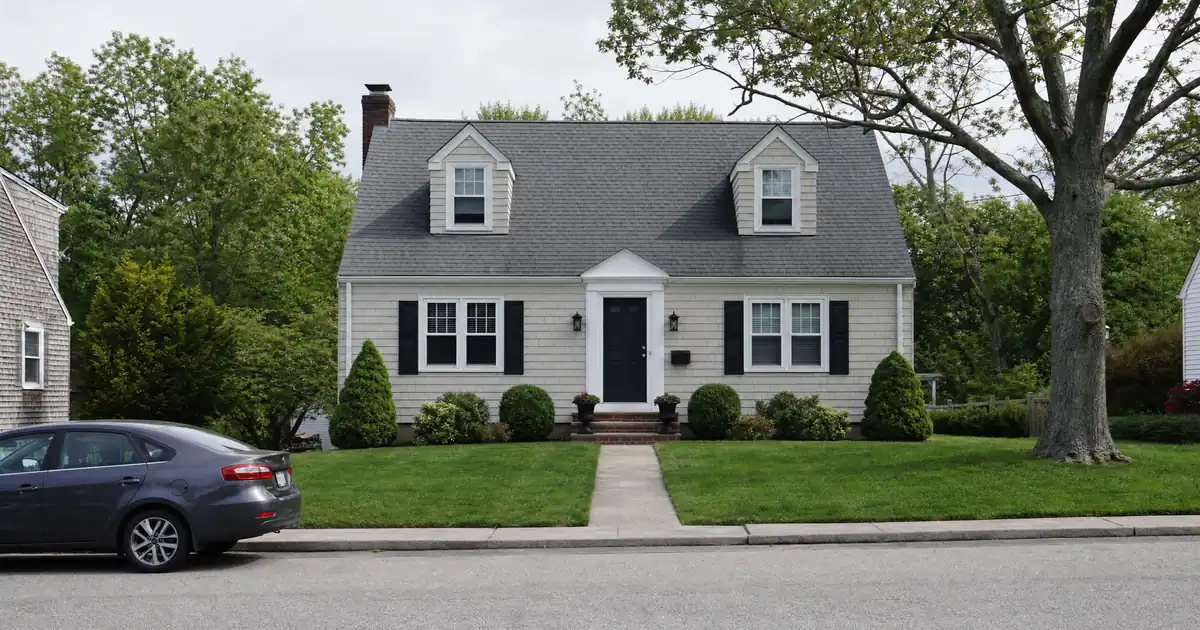
The Quick Read: Yes — a cash-out refinance on one rental can pay off the mortgage on that same property. Or it can fund the full payoff of a mortgage on a different rental in the portfolio. The new loan is capped at a percentage of the property’s appraised value. That cap is typically around 75% loan-to-value on most cash-out programs. The payment on the new, larger loan also has to clear the lender’s coverage test before anything gets approved. The math looks simple on paper — value, existing balance, new loan cap. But the real decision is this: which property ends up debt-free, and which one now carries a bigger payment?
DSCR Cash-Out Calculator
Run the cash-out numbers in your market
Rate source: Freddie Mac 30-yr average via FRED® — Federal Reserve Bank of St. Louis · effective Jul 30, 2026
Prefilled with starting assumptions — enter your property’s value, balance, taxes, and insurance for a more accurate picture.
Program parameters update from Lendmire’s centralized guideline source. Taxes and insurance are editable estimates.
As of Jul 30, 2026 · General Freddie Mac market benchmark, not a Lendmire loan offer. Property value, balance, taxes, and insurance are editable estimates. Maximum loan-to-value varies by lender, program, property type, and seasoning. Not a Loan Estimate, approval, or commitment to lend. Program availability and eligibility are subject to lender guidelines, credit approval, property review, and underwriting.
Before the mechanics, a few things worth knowing up front:
- Most cash-out refinance programs on rental property cap leverage near 75% loan-to-value, not the 80% some purchase programs allow.
- Lenders typically want around 6 months of ownership seasoning before a cash-out refinance closes.
- The property’s rent has to cover its new, larger payment — a coverage ratio, not the borrower’s personal income, drives approval.
- Using proceeds to pay off a second rental’s mortgage is a legitimate strategy, but it changes the coverage math on both properties, not just the one being refinanced.
- Manufactured homes, log homes, and barndominiums fall outside these DSCR programs entirely, regardless of equity position.
How the Payoff Mechanics Actually Work
A cash-out refinance swaps an existing mortgage for a new, larger one. The borrower keeps the difference in cash after closing costs and the old loan payoff. That’s the whole transaction in one sentence. Everything else is qualification detail.
The lender starts by classifying the deal. If the new loan is bigger than the old payoff plus closing costs, it’s a cash-out refinance. If it just swaps one loan for another at the same size, it’s a rate-and-term refinance. And the rules loosen up a lot. Some lenders in Lendmire’s wholesale network skip seasoning entirely on a straight rate-and-term deal. They still hold a full waiting period on cash-out, though.
From there, the formula is simple in concept. The appraiser sets the property’s current value. The new loan amount is capped at a percentage of that value — commonly around 75% on cash-out. Whatever is left after paying off the existing balance and closing costs becomes the investor’s proceeds. A higher appraised value and a smaller existing balance both push more equity toward the payoff side of the ledger.
DSCR loans are built for non-owner-occupied investment properties. They are business-purpose investor loans, so they get reviewed differently than a standard owner-occupied mortgage. That’s one reason FHA and VA cash-out programs aren’t part of this conversation at all — both are consumer products tied to owner occupancy. Investment-purpose credit like this sits outside most of the consumer mortgage rulebook. That’s part of why non-QM lenders can set their own leverage and seasoning windows instead of following an agency script. Borrowers who understand this distinction early tend to have realistic expectations about paperwork and underwriting flexibility before they request a quote. Doss Law’s overview of the business-purpose exemption explains why investment loans like these fall outside standard consumer-lending protections.
Once the loan clears purpose classification, the lender runs the coverage math on the new payment — not the old one. That distinction trips people up. An investor who has comfortably carried a rental for years on a modest payment can find the same rent doesn’t clear the coverage bar on a bigger loan. Why? Because the ratio compares rent to the new principal, interest, taxes, insurance, and association dues — not to whatever the borrower used to owe.
What Lenders Check Before Approving the Cash-Out
Five things decide whether a cash-out refinance clears underwriting: equity position, credit profile, reserves, how long the property has been owned, and coverage. Miss one of these badly enough, and the rest of the file doesn’t matter.
Equity and leverage. Cash-out programs across most of the wholesale network top out around 75% loan-to-value. That’s noticeably tighter than the 80% — and in select high-leverage cases 85% — available on a purchase. Why the gap? The lender is releasing cash at closing, not just financing a purchase, and the tighter cap protects against thin-equity refinances.
Credit. A 620 floor exists in parts of the network. But most cash-out programs want something closer to 660 before terms get comfortable. Crossing 700 tends to open the strongest leverage and pricing tiers.
Reserves. Requirements vary by lender, loan size, and how much leverage is requested. Still, a working rule of thumb across the network runs around 6 months of PITIA in liquid reserves. Conservative rate-and-term files at modest leverage under $1.5 million sometimes see reserves waived entirely. Loans above that threshold typically step up to closer to 9 months.
Seasoning. Roughly 6 months of ownership is the common expectation before a cash-out refinance closes. But rate-and-term deals on the same property can move without that clock running at all. An investor who bought a rental for cash and hasn’t held title long may still qualify through a delayed-financing structure. That path caps the new loan to the lower of the original purchase cost or current appraised value, though. It doesn’t unlock full current-value leverage just because the clock resets.
Coverage. A rent-to-payment ratio of 1.00 is where select programs in the network start. That’s a floor for specific programs, never a universal standard. Clearing 1.00 means the lender’s underwriting sees rent equal to the new payment. Stronger ratios, well above 1.00, tend to open better leverage and pricing. Worth saying plainly: 1.00 coverage is not the same thing as positive cash flow. Vacancy, repairs, management fees, and capital expenses all sit outside that calculation.
For a fuller walkthrough of how the ratio itself gets built, Lendmire’s rental property cash-out refinance page breaks down the inputs lender-side underwriters actually look at.
Using Proceeds to Pay Off a Different Rental’s Mortgage
This is where the strategy gets more interesting than a single-property refinance — and where most explainers stop short. An investor doesn’t have to use cash-out proceeds on the same property being refinanced. Those proceeds can retire the mortgage on a completely different rental in the portfolio, leaving that second property free and clear.
Picture an investor holding two rentals. Property A carries strong equity after years of appreciation. Property B still has a mortgage balance the investor would like gone. A cash-out refinance on Property A generates proceeds sized to cover Property B’s full payoff. After closing, Property A carries a bigger loan and a bigger payment. Its coverage ratio drops — maybe from comfortably above 1.00 down closer to that floor. Property B, meanwhile, has no mortgage payment at all. Its coverage ratio effectively becomes irrelevant, because there’s no debt service left to cover.
That’s the trade the investor is actually making: trading coverage cushion on one property for a debt-free asset elsewhere in the portfolio. Whether that trade is worth it depends on two things. How thin does the new coverage on Property A run? And how much is the freed-up cash flow on Property B worth going forward?
A few operational details matter here. The lender underwriting Property A’s refinance will generally want to see where the proceeds are going. Payoff of a named lien on a separate property is typically documented through closing instructions and a payoff letter, not a handshake. Property B itself doesn’t need to appear on the loan application as collateral — it’s not being pledged, just paid off. But its existing loan terms and payoff amount need to be verifiable. Investors weighing this exact structure often start with the more general breakdown at refinance rental property with cash out, which walks through documentation expectations in more depth.
There’s also a tax dimension worth flagging without turning this into a tax seminar. Tax treatment can depend on how the funds are used and how the property is held. Investors should keep clear records and speak with a qualified tax professional before relying on any deduction. IRS Publication 936 outlines how mortgage interest deductibility can depend on how loan proceeds are used. That’s exactly the tracing question that comes up when one property’s refinance pays off another’s debt. Lendmire has a more in-depth guide to the tax side of a cash-out refinance on a rental property, which covers the tracing questions for anyone moving equity between two different rentals.
An investor who has already hit the ten-financed-property ceiling common on agency-backed loans often turns to this exact structure. DSCR underwriting evaluates the property’s own rent-to-payment math rather than the borrower’s personal debt-to-income ratio. So it doesn’t run into that same portfolio cap.
Cash-Out Refinance vs. Other Ways to Tap Equity
A cash-out refinance isn’t the only way to pull equity out of a rental. It’s just the one that replaces the existing loan entirely, rather than stacking a second lien on top of it.
| Option | Best For | Structure | Key Limit |
|---|---|---|---|
| Cash-out refinance | Replacing the existing loan and freeing equity | New first-lien mortgage | Typically caps near 75% LTV |
| HELOC | Flexible draws without disturbing the first mortgage | Revolving credit line | Smaller total equity access |
| Home equity loan | One lump-sum draw, first mortgage stays in place | Fixed second lien | Stacks payment on the existing loan |
| Blanket/portfolio loan | Cross-collateralizing several rentals at once | Single loan across multiple titles | Fewer lenders offer this structure |
A HELOC or home equity loan leaves the original first mortgage untouched. It just adds a second payment on top of it. That’s useful when the existing loan carries favorable terms worth keeping. A cash-out refinance replaces that first loan outright. It makes sense when the investor wants one payment, one lien, and the largest single pull of equity available. A blanket or portfolio loan takes a different shape entirely. It cross-collateralizes multiple properties under one loan. Some investors use it instead of running separate refinances property by property. Fewer lenders in the network offer that structure, though, and it typically suits investors with several properties rather than one or two.
Where the Math Gets Complicated
Three scenarios routinely throw off the simple version of this transaction.
Short-term rentals appraise differently. The standard rent-verification form appraisers use was built for long-term leases, not nightly bookings. It doesn’t account for short-term rental income the way an operator’s actual collections might justify. ClassValuation’s explainer on Form 1007 covers why that form falls short for STR properties. On STR properties, cash-out refinance leverage in the network commonly runs closer to 70% rather than the 75% typical on long-term rental refinances. There’s also a 640+ credit expectation and roughly 12 months of hosting history behind the property. Short-term rental rules can also vary by city, county, HOA, and property type. So investors should confirm local rules before relying on projected nightly income. Lendmire’s guide to DSCR loans for Airbnb properties covers how STR income actually gets documented.
Rate-and-term and cash-out aren’t treated the same, even on the identical property. A lender that requires a full seasoning window before releasing cash may impose no waiting period at all on a straight rate-and-term refinance of the same loan. If the goal is simply better terms — not equity out — that path can move faster through underwriting than the cash-out version. RefiGuide’s breakdown of refinancing a DSCR loan covers how lenders tell the two structures apart in more detail.
Some properties don’t qualify regardless of equity. Manufactured homes, both single- and double-wide, along with log homes and barndominiums, fall outside DSCR programs in Lendmire’s wholesale network entirely. That’s true no matter how much equity has built up or how strong the rental income looks. These property types simply aren’t offered through these programs. Full stop.
The Real Risk in This Strategy
Pulling maximum leverage to retire debt somewhere else in the portfolio should be weighed carefully. Look at how sensitive the refinanced property’s coverage ratio is to its new, larger payment — not just at how much cash lands at closing.
Non-QM trade coverage has flagged cash-out refinances as one of several factors behind rising delinquencies in recent loan vintages, alongside weaker documentation types and multiple loans stacked on a single borrower. That doesn’t make the strategy unsound. It means the coverage cushion on the refinanced property deserves as much attention as the payoff amount does. A file that clears 1.00 coverage by a hair, on a property where rent hasn’t moved in years, carries different risk than one that clears comfortably above it with room to spare if a vacancy hits.
An investor’s decision here usually comes down to three questions. How much cushion is left on the refinanced property’s coverage ratio after the new payment? How much value does the payoff on the second property actually create in freed-up monthly cash flow? And how much reserve capacity remains once both moves are made? Getting the first question wrong is the most common way this strategy goes sideways.
DSCR files that involve paying off a second property tend to come in tighter on the refinanced side than a straight single-property cash-out. The coverage ratio absorbs the full weight of the new loan with nothing offsetting it, since the payoff benefit lands on a different property entirely. The stronger files in this category usually run the numbers on both properties side by side before locking in a leverage target. They don’t just maximize cash-out on the first property and hope the ratio holds.
Key Terms Defined
DSCR (debt-service coverage ratio): a comparison of a property’s rent to its full monthly mortgage payment — including principal, interest, taxes, insurance, and dues — used to decide whether the rent covers the loan.
LTV (loan-to-value): the new loan amount expressed as a percentage of the property’s appraised value; a lower LTV means more equity is left in the deal.
Seasoning: the length of time a lender wants an investor to have owned a property, or held an existing loan, before approving a refinance.
PITIA: principal, interest, taxes, insurance, and association dues — the full monthly obligation a coverage ratio is measured against.
Cash-out refinance: a new, larger loan that pays off the existing mortgage and sends the remaining proceeds to the borrower.
Business-purpose loan: a loan made for an investment or business reason rather than to buy a home to live in. This classification is what allows DSCR programs to set their own underwriting rules. The Consumer Financial Protection Bureau’s Regulation Z is the federal rule that draws this line between consumer and business-purpose credit.
Blanket loan: a single loan secured by more than one property, used by some investors instead of refinancing each rental separately.
Should You Do This?
The math favors this strategy when two things line up. First, the property being refinanced needs real cushion above the coverage floor after the new payment. Second, the property being paid off needs to free up enough monthly cash flow to matter. It works less well when the refinanced property’s ratio ends up sitting right at the coverage minimum with no room for a bad year.
Investors with long hold timelines tend to benefit most. A tighter coverage ratio on one property today can improve on its own as rents rise over years of ownership. Investors planning to sell either property soon have less reason to accept a thinner ratio just to free up a second loan.
Frequently Asked Questions
Can I use a cash-out refinance on one rental to pay off the mortgage on a completely different rental?
Yes — the proceeds from a cash-out refinance aren’t restricted to the property being refinanced. An investor can direct those funds to retire a mortgage on a second rental, leaving that property debt-free while the refinanced property carries a new, larger payment. The lender will typically want documentation showing where the funds are going, including a payoff amount for the second loan.
Does paying off a rental’s mortgage this way hurt my chances of qualifying?
It can tighten the coverage ratio on the property being refinanced, since that property now carries a bigger payment with the same rent behind it. Qualification runs primarily on the property’s rental income covering the new payment, subject to lender guidelines. A thinner ratio on the refinanced side doesn’t automatically disqualify the loan, but it leaves less cushion if rent or expenses shift.
How long do I need to own a rental before I can cash-out refinance it?
Most programs in the network expect around 6 months of ownership before a cash-out refinance closes. This varies by lender and by whether the deal is a straight rate-and-term refinance instead. Investors who bought a property outright in cash may qualify through a delayed-financing structure without that same waiting period. The new loan still gets capped to the lower of the purchase price or current appraised value, though.
Is 1.00 coverage enough to get approved?
A coverage ratio of 1.00 is a floor on select programs in the network, not a guarantee of approval. Some lenders will review scenarios below that threshold with adjusted leverage and terms. But qualification always depends on credit profile, reserves, property type, and overall lender guidelines — never on the ratio alone.
Can I do this on a short-term rental?
Yes, though the leverage and requirements differ from a long-term rental refinance. Cash-out on short-term rental property commonly runs closer to 70% loan-to-value in the network, alongside a stronger credit profile and roughly a year of hosting history. That’s because the appraisal process for nightly-rate properties works differently than it does for standard leases.
For how equity extraction works on an investment property, see cash-out refinance on an investment property.
About Lendmire
Lendmire, NMLS# 2371349, is a mortgage broker. It arranges DSCR investor loans through select lenders across a wholesale network spanning 40 states plus Washington, D.C. — 41 markets total. Files close through those lenders, not Lendmire directly. Every scenario is reviewed subject to lender guidelines, credit approval, and property review. For a full walkthrough of how DSCR mortgage broker review works property by property, Lendmire’s complete DSCR loans guide covers the program end to end. Scotsman Guide named Lendmire a Top Mortgage Workplace in both 2025 and 2026.
Nothing here is a commitment to lend, and loan approval is never guaranteed. Every cash-out refinance scenario is subject to lender approval and depends on the borrower’s credit profile, the property itself, and current program guidelines, which can change. This article is general information, not financial, legal, or tax advice.
Investors weighing whether to pull equity from one rental to retire debt on another can reach Lendmire at 828-256-2183 or request a pricing quote to see how the coverage math runs on their specific properties.
Get Started
Ready to find the right loan for you?
In about 30 seconds you can review financing options available for your investment property. No commitment required.
Informational only. Not a Loan Estimate, approval, or commitment to lend. Program availability and eligibility are subject to lender guidelines, credit approval, property review, and underwriting.
References
1. Doss Law — Business-Purpose Exemption Simplified
2. IRS Publication 936 — Home Mortgage Interest Deduction
3. ClassValuation — Appraisal Form 1007: Why It Can’t Be Used for Short-Term Rentals
4. RefiGuide — Can You Refinance a DSCR Loan?
5. Consumer Financial Protection Bureau — Regulation Z, 12 CFR §1026.3
This article is part of Lendmire’s investment property cash-out refinance program — full qualification details, guidelines, and scenarios live on the program page.
Related reading: Investor Cash Out Refinance · Can I Cash Out Refinance A Rental Property To Pay Off Primary? · Refinance Rental Property For Cash Out To Payoff Personal Debts
Brandon Miller
Founder & CEO, Mortgage Loan Originator, Lendmire LLC
- Mortgage Loan Originator · NMLS# 1129696 · Verify on NMLS Consumer Access
- North Carolina Real Estate Broker · License# 343312 · Verify on NCREC
- North Carolina Insurance Producer · License# 19053198 · Property, Casualty, Life, Health · Verify on NAIC SBS
- Lendmire LLC · Firm NMLS# 2371349 · Verify firm licensure
Disclosure information. Lendmire is a state-licensed mortgage brokerage under NMLS# 2371349. Lendmire is not a depository institution, direct lender, or financial advisor — all loans referenced are placed through wholesale lender partners and are subject to each lender's underwriting standards. This article is provided for general informational purposes and is not a commitment to lend, nor does it constitute financial, legal, or tax advice. Loan programs, terms, rates, and qualification standards change without notice and depend on borrower profile, property type, and the state in which the subject property is located. Equal Housing Opportunity provider. NMLS Consumer Access: nmlsconsumeraccess.org.