
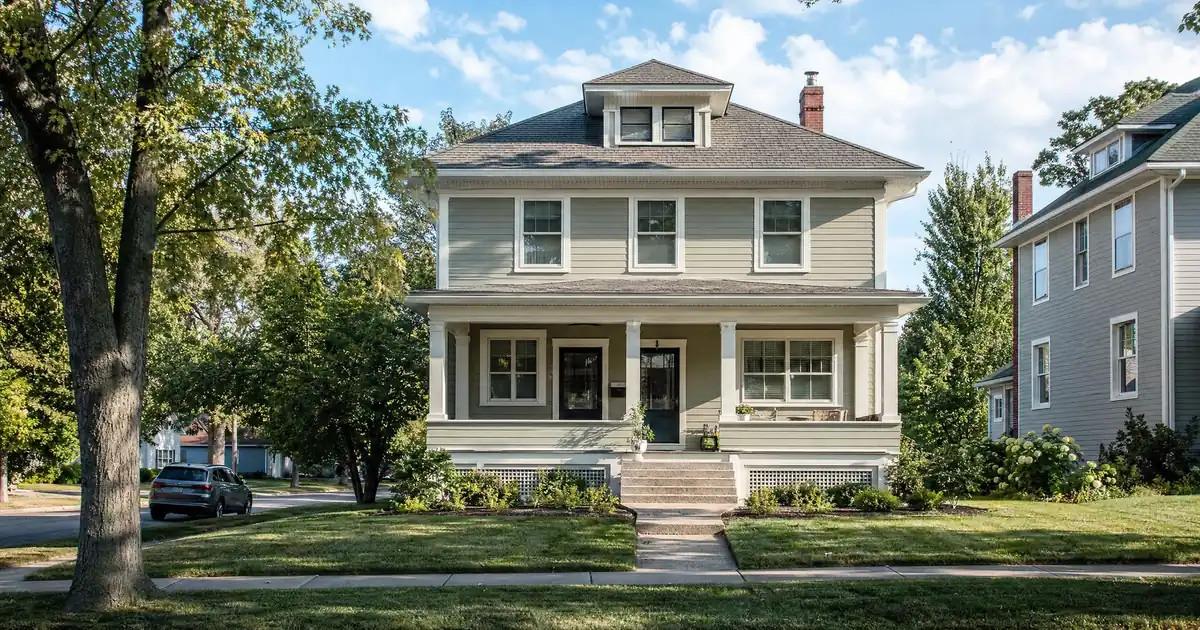
How Lenders Calculate DSCR On A Cash Out Refinance — The Quick Read: Lenders take the property’s rent — from a lease or an appraiser’s market-rent opinion — and divide it by the new monthly payment (principal, interest, taxes, insurance, and HOA dues) created by the refinance, not the old one. The bigger the cash-out request, the bigger that new payment gets, and the harder the ratio has to work to clear the lender’s minimum. Across most programs in Lendmire’s wholesale network, that minimum sits around 1.00 as a select-program floor, cash-out leverage tops out near 75% loan-to-value, and files typically need about six months of seasoning on title before cash-out is even on the table.
That’s the mechanical skeleton. The rest of this piece walks through exactly how the number gets built, where the rent figure comes from, what happens when the ratio comes in short, and where the general rule stops applying.
DSCR Cash-Out Calculator
Run the cash-out numbers in your market
Rate source: Freddie Mac 30-yr average via FRED® — Federal Reserve Bank of St. Louis · effective Aug 13, 2026
Prefilled with local estimates — enter your property’s value, balance, taxes, and insurance for a more accurate picture.
Program parameters update from Lendmire’s centralized guideline source. Taxes and insurance are editable estimates.
As of Aug 13, 2026 · General Freddie Mac market benchmark, not a Lendmire loan offer. Property value, balance, taxes, and insurance are editable estimates. Maximum loan-to-value varies by lender, program, property type, and seasoning. Not a Loan Estimate, approval, or commitment to lend. Program availability and eligibility are subject to lender guidelines, credit approval, property review, and underwriting.
What Is DSCR, Exactly, on a Cash-Out Refinance?
DSCR stands for debt service coverage ratio — gross monthly rent divided by the property’s full monthly obligation, expressed as a single number like 1.10 or 1.25. On a cash-out refinance specifically, the denominator isn’t the payment the borrower has been making. It’s the payment that will exist after the new, larger loan closes.
That distinction matters more than most investors expect. A property that comfortably covers its current mortgage can fall below the required coverage the moment a lender models the new loan amount, because pulling equity out means borrowing more, which means a bigger monthly obligation against the same rent roll. DSCR loans are non-QM products built specifically around this cash-flow logic: qualification centers on the cash flow the property is expected to produce, rather than the borrower’s traditional employment income or traditional personal-income documentation. That single framing is why the calculation lives or dies on rent and payment, not paystubs or personal income documentation.
For a full walkthrough of the formula in a purchase context, Lendmire’s complete DSCR loans guide covers the baseline mechanics this article builds on.
Key Terms Defined
PITIA — the full monthly housing obligation used in the DSCR denominator: principal, interest, taxes, insurance, and any HOA/association dues. Some lenders shorthand this as debt service, but PITIA describes the actual components being summed.
Gross rent — the monthly rental income used in the numerator, sourced from either a signed lease or an appraiser’s independent market-rent opinion, before any deduction for vacancy, management, or repairs.
Seasoning — the minimum ownership period a lender requires before a cash-out refinance is available, measured from the date the borrower took title.
Coverage ratio — another name for DSCR itself; rent divided by PITIA. A ratio above 1.00 means rent exceeds the payment; below 1.00 means it doesn’t, on paper.
Rent schedule (Form 1007/1025) — the appraisal addendum lenders use to document market rent. Form 1007 covers single-unit properties; Form 1025 covers 2-4 unit properties and folds the rent determination into the broader income appraisal.
Step by Step: How the Ratio Actually Gets Built
The mechanics run in a fixed order on almost every DSCR cash-out file, whether the lender is aggressive or conservative on leverage.
1. The appraisal gets ordered with a rent-schedule addendum. For a single-family rental, that’s the Single-Family Comparable Rent Schedule, the same form the appraisal industry uses to opine on market rent for a conventional investment property. For a 2-4 unit property, the rent determination is built into the Small Residential Income Property Appraisal Report (Form 1025) rather than pulled from a standalone schedule, per Fannie Mae’s Selling Guide — used here only as the source of the form naming convention non-QM underwriting inherited, not as a rule that governs DSCR files.
2. The rent figure gets established. If the property is leased, the signed lease is usually the anchor. If it’s vacant, or the lease looks stale or below market, the appraiser’s market-rent conclusion typically becomes the controlling figure. Where the two disagree, most lenders in Lendmire’s network default to the lower of the two — a conservative habit that keeps the file defensible if it gets re-underwritten or sold.
3. The denominator gets built off the new loan. This is the step that trips people up. The payment used in the ratio is the proposed PITIA under the new loan amount, at the new leverage point — not whatever the borrower has been paying. Cash-out grows the loan balance, and a bigger balance means a bigger payment, full stop.
4. The ratio gets checked against the program’s minimum. Most programs in the network build around a 1.00x baseline as a starting floor for specific programs — never a universal rule across every lender — with stronger ratios opening better terms and leverage tiers. A property landing at 1.15x-1.30x typically has more room to negotiate cash-out amount; one sitting right at the floor has less.
5. If the ratio falls short, the loan amount gets capped, not automatically declined. Coverage below the required minimum usually means the maximum cash-out is trimmed until the ratio clears — the file doesn’t die, it gets resized.
An investor who has done this once with a straightforward single-family rental usually recognizes the pattern the second time through. The property that surprises people is the one where the rent looks fine on paper but the new loan amount pushes the payment up faster than expected — which is exactly why step 3 deserves more attention than it typically gets.
Why Cash-Out DSCR Math Is Different From Purchase DSCR Math
On a purchase, the loan amount is fixed by the offer price and the chosen leverage — the ratio simply tells the lender whether the deal, as structured, clears the bar. On a cash-out refinance, the loan amount is the variable the investor is actively trying to maximize, which makes the ratio a moving target instead of a fixed checkpoint.
| Factor | Purchase DSCR | Cash-Out DSCR |
|---|---|---|
| Loan amount | Set by offer price × LTV | Solved for — investor requests, lender caps |
| What’s tested | Deal as structured | Maximum equity extraction before ratio fails |
| Typical LTV ceiling | Purchase leverage runs higher, with select programs stretching further | Capped near 75% across most of the network |
| Seasoning | Not applicable | About 6 months of ownership, common expectation |
| Rent source | Lease (if assigned) or appraisal | Lease (if occupied) or appraisal market rent |
This is also why a larger down payment on a purchase and a smaller cash-out request on a refinance produce the same directional effect on the ratio — both reduce the payment relative to rent. But neither move erases the underlying caps. A borrower can put more equity into a deal and still hit the leverage ceiling; a borrower can trim the cash-out request and still get capped by a low appraisal rent. The strongest files clear both tests — enough equity and enough rental coverage — not one or the other.
Reserves add a second layer that often gets ignored until late in the file. Requirements vary by lender, leverage, and loan size, but a common expectation across the network runs around six months of PITIA in reserve; conservative rate-term files at modest leverage and smaller loan sizes sometimes see that waived, while larger loans typically step up toward nine months. None of this shows up in the DSCR number itself, but it’s reviewed alongside it, and a file that clears coverage with no reserve cushion is a weaker file than one that clears it with six months in the bank.
Where the Rent Number Actually Comes From
Occupied properties document rent differently than vacant ones, and the difference changes what the lender sees on day one of underwriting.
If a tenant is in place, the signed lease is usually the primary support, cross-checked against the appraiser’s independent market-rent opinion. If the lease is well above market, most lenders in the network will still lean toward the appraisal figure rather than take the lease at face value — inflated leases invite scrutiny, not extra proceeds.
If the property is vacant, or there’s no assignable lease, the appraisal’s market-rent conclusion becomes the primary income figure by default. This is the scenario that surprises first-time DSCR refinance borrowers most: no lease means the file leans entirely on a third party’s opinion of what the unit should rent for, and that opinion is the one that drives the coverage ratio.
Short-term rental properties run on a different documentation track entirely. Rather than a lease or a standard rent schedule, STR income typically gets built from a documented hosting history or third-party market-data platforms, and most programs in the network want to see roughly 12 months of that history before relying on it. Short-term rentals qualify at a 1.00 coverage threshold on purchase and refinance at reduced maximum leverage, and require a 12-month income history or market data report at most lenders. For more on how the STR income model differs from a lease-based file, Lendmire’s guide on qualifying rental income covers the structural gap between the two.
What Happens When DSCR Comes Up Short
The ratio not clearing the minimum doesn’t usually kill the loan — it resizes it. If the requested cash-out amount pushes the new payment high enough to drop coverage below the program floor, most lenders will simply reduce the maximum loan amount until the math clears again. The property, the rent, and the borrower’s credit haven’t changed — only the size of the check.
An investor pulling a large cash-out amount against a property with thin rent relative to value is the classic case where this shows up. Trimming the request, adding a reserve cushion, or shopping a lender with a lower minimum coverage requirement are the typical levers — not walking away from the refinance entirely.
It’s worth being direct about what’s not on the table here: coverage below the select-program floor and no-ratio qualification exist as structures in parts of the non-QM market, but they sit outside the programs described in this piece — in the wider network, available only through select lenders — and carry meaningfully different leverage and terms. If a file is genuinely below 1.00 on rent alone, the honest next step is a conversation about what specific program, if any, fits — not an assumption that the cash-out path described here applies.
DSCR vs. conventional financing
Two common ways to finance an investment property in this market. They qualify you differently — here’s how investors weigh them.
Why investors choose it
- Qualifies on the property’s rental income — no personal tax returns, W-2s, or pay stubs needed to document income.
- No personal debt-to-income ceiling to clear, so existing mortgages and obligations don’t cap your borrowing the same way.
- Can be closed in an LLC, keeping the property inside a business entity.
- Built for scaling — not held to the limit on number of financed properties that conventional financing applies.
- Underwriting centers on the deal: generally qualifies when the rent covers the payment, a 1.00x coverage ratio being a common baseline (confirmed in underwriting).
- Designed specifically for investment property, including long-term and, where the program allows, short-term rentals.
Where it’s strong
- Often the lowest ongoing financing cost for a buyer who fully qualifies on personal income — a fit for a first property or a cost-first purchase.
Trade-offs for investors
- Requires full personal income documentation and must fit within a debt-to-income limit — salary, existing debts, and other mortgages all count.
- Typically held in your personal name rather than a business entity.
- Caps how many financed properties you can carry, which can become a ceiling as a portfolio grows.
- Evaluates you as a borrower as much as the property, which usually means more paperwork.
How investors usually choose: a first or single property often optimizes for the lowest financing cost; portfolio builders often optimize for leverage, vesting in an LLC, and scaling past conventional caps. The right answer depends on your goals, the property, and current guidelines — both paths run through select lenders in Lendmire’s wholesale network, with eligibility and terms confirmed in underwriting.
Edge Cases Where the General Rule Breaks
Multi-unit properties (5+) and mixed-use buildings generally move out of residential DSCR underwriting altogether. Instead of a single comparable-rent schedule, these properties get evaluated with commercial-style income approaches — full rent roll, occupancy history, operating expenses, and a capitalization rate — which is a structurally different calculation than the 1007/1025 approach used on 1-4 unit files. Investors scaling from a duplex into a small apartment building should expect the underwriting conversation to change shape entirely; Lendmire’s coverage of multifamily cash-out refinance lenders walks through that shift in more depth.
Ineligible property types never enter this calculation at all. Manufactured homes (single- and double-wide), log homes, and barndominiums fall outside DSCR programs in Lendmire’s network — not merely harder to finance, simply not offered. That’s worth knowing before ordering an appraisal on one of these property types, since no rent figure will change the outcome.
Loan size shifts the reserve and term math. Programs across the network run across a wide range of loan sizes, though smaller balances typically route through a narrower set of lenders. Above a certain balance, the network generally holds to 30-year fixed structures rather than the extended-term or interest-only options available on smaller loans — a detail that affects the payment used in the DSCR denominator even when the loan amount itself hasn’t changed.
State overlays cap leverage before the ratio ever gets tested. In Connecticut, Florida, Illinois, and New Jersey, purchase LTV generally caps near 75%, and overlay-state deals typically cap at a lower maximum loan size regardless of how strong the coverage ratio comes in. An investor in one of these states running the numbers against a national leverage assumption will be disappointed by the actual cap.
Investment-property HELOC lines are a different animal entirely. These cap at a modest total line size — there’s no larger investment-property HELOC tier in the network, and no DSCR ratio calculation applies to them the way it does to a cash-out refinance.
DSCR loans are business-purpose, non-owner-occupied financing, which is why they’re reviewed differently from a standard owner-occupied mortgage and sit outside the Regulation Z disclosure timeline that governs consumer mortgages.
A Practical Way to Think About the Trade-Off
Run this scenario mentally, not with specific dollars: a rental property with a comfortable coverage cushion at its current, smaller loan balance gets refinanced with a meaningful cash-out request. The rent hasn’t moved. The new payment has — because the loan balance grew. If the resulting ratio still clears the program’s minimum with room to spare, the file usually sails through underwriting near the requested amount. If it lands right at the floor, the lender typically trims the cash-out request rather than declining outright, and the investor ends up with less cash than hoped but a loan that still qualifies.
Files in this space tend to move cleaner when the borrower requests cash-out with a target coverage ratio in mind rather than a target dollar amount — asking how much can be pulled while staying comfortably above 1.15x produces a smoother file than asking for the maximum theoretical proceeds and hoping the ratio holds. For a deeper walkthrough of translating a target ratio into an actual loan amount, Lendmire’s guide on how to calculate cash-out refinance and its companion piece on calculating how much cash to take out on a refinance walk through that reverse-engineering process in more detail. Investors working through this in a specific metro, including non-owner-occupied cash-out scenarios in dense coastal markets, can also see how local leverage caps interact with the ratio in Lendmire’s Los Angeles cash-out refinance coverage.
One more thing worth saying plainly: clearing 1.00 is a lending threshold, not a profitability test. Rent exceeding the payment says nothing about repairs, real-world vacancy, property management fees, or capital expenditures — all of which sit entirely outside the DSCR calculation. A property that clears 1.15x on paper can still lose money in a bad year if a roof needs replacing. Investors should keep clear records of actual operating costs separate from the qualifying ratio, and speak with a qualified tax professional before relying on any deduction tied to the refinance.
Frequently Asked Questions
Does DSCR on a cash-out refinance include HOA dues in the payment?
Yes. The PITIA denominator used in the ratio includes principal, interest, taxes, insurance, and any HOA or association dues — not just principal and interest. Leaving HOA out of a self-calculated estimate is a common reason investor math and lender math don’t match.
What happens if my lease rent is higher than the appraiser’s market rent?
Most lenders in the network default to the lower of the two figures. A lease priced above market invites scrutiny rather than extra qualifying income, so the appraisal’s market-rent conclusion usually controls when there’s a meaningful gap.
Can I still get cash out if my property is currently vacant?
Usually, yes — the appraiser’s market-rent conclusion becomes the primary income figure used in the ratio when there’s no lease to document. The property still has to clear the same coverage minimum; it’s simply working from an appraised rent estimate instead of a signed lease.
How does DSCR treat short-term rental income differently on a refinance?
STR files typically rely on a documented hosting history, often around 12 months, or third-party market-data estimates rather than a lease or rent schedule. Cash-out leverage on STR properties generally sits lower than on long-term rentals, and credit expectations run higher — commonly 640+ on most files.
Is there a minimum ownership period before I can do a DSCR cash-out refinance?
Most programs in the network expect roughly six months of ownership on title before cash-out becomes available, though exact seasoning policy varies by lender and file. This runs separately from — and shouldn’t be confused with — the seasoning rules that apply to conventional, agency-eligible cash-out refinances.
What credit score do I need for a DSCR cash-out refinance?
Scores in the high 500s to low 600s exist as a floor in parts of the network, but most programs are built around a 660 baseline, and the strongest leverage tiers open up around 700 and above. Score, leverage, and coverage ratio all interact — a stronger score on one file can offset a thinner ratio, and vice versa, subject to lender guidelines.
Investors weighing their equity options can start with cash-out refinance on an investment property.
A deeper walk-through of investment-property equity extraction lives in cash-out refinance on an investment property.
About Lendmire
Lendmire (NMLS# 2371349) is a non-QM DSCR mortgage broker that arranges DSCR investor loans through select lenders across a wholesale network spanning 41 markets — and works directly with investors comparing cash-out structures against their property’s rent roll, credit profile, and leverage goals. Loan approval is never guaranteed, and nothing here is a commitment to lend; every scenario described here is subject to lender approval, underwriting, and current program guidelines. This article is general information, not financial, legal, or tax advice. Scotsman Guide named Lendmire a Top Mortgage Workplace in both 2025 and 2026.
Get Started
Ready to find the right loan for you?
In about 30 seconds you can review financing options available for your home or investment property. No commitment required.
Informational only. Not a Loan Estimate, approval, or commitment to lend. Program availability and eligibility are subject to lender guidelines, credit approval, property review, and underwriting.
References
1. Freddie Mac/Fannie Mae Joint Form Archive — Form 1000/1007 Instructions
2. Fannie Mae Selling Guide — B3-3.8-01 Rental Income
This article is part of Lendmire’s investment property cash-out refinance program — full qualification details, guidelines, and scenarios live on the program page.
Related reading: Refinance Cash Out Investment Property · Investment Cash Out Refinance · Investment Property Loan Terms Explained
Brandon Miller
Founder & CEO, Mortgage Loan Originator, Lendmire LLC
- Mortgage Loan Originator · NMLS# 1129696 · Verify on NMLS Consumer Access
- North Carolina Real Estate Broker · License# 343312 · Verify on NCREC
- North Carolina Insurance Producer · License# 19053198 · Property, Casualty, Life, Health · Verify on NAIC SBS
- Lendmire LLC · Firm NMLS# 2371349 · Verify firm licensure
Disclosures. The information presented in this article is general market commentary, not financial, legal, or tax advice. Lendmire is a mortgage brokerage (NMLS# 2371349) — not a direct lender or depository institution — and loan placement is subject to lender underwriting. Nothing in this content represents a commitment to lend. Loan terms, pricing, and program availability vary based on borrower qualifications, property characteristics, and state of subject property, and are subject to change at any time. Lendmire complies with Equal Housing Opportunity requirements. Consumer access: nmlsconsumeraccess.org.