
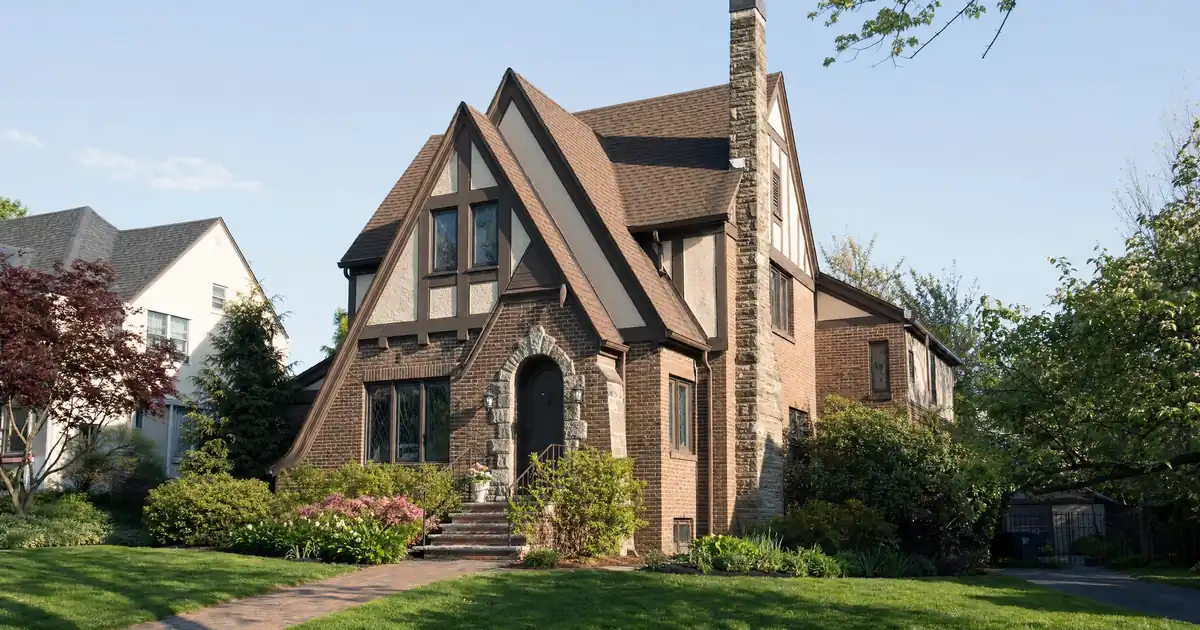
Airbnb Cash Out Refinance While Renting Your Residence — The Quick Read: You can pull equity out of a house you’re about to rent on Airbnb. But first, the home has to genuinely stop being your primary residence in the lender’s eyes. The refinance itself works like any other DSCR cash-out loan. The property’s rental income has to cover the payment — not your paycheck. The hard part is the order of events. Occupancy status, ownership seasoning, and short-term rental history all have to line up before the cash-out math works. This article is general education only. It is not legal, tax, or financial advice.
Key Takeaways
- Occupancy has to change first. A DSCR cash-out refinance only prices a property as an investment once it’s genuinely non-owner-occupied.
- Two different plays get confused constantly: refinancing to buy a new Airbnb versus refinancing the home you’re vacating so you can rent it out short-term.
- Cash-out leverage on a short-term rental typically tops out around 70% loan-to-value, with roughly six months of ownership seasoning and about 12 months of host history expected on most files.
- A 1.00 DSCR is a floor on select programs — not a universal standard, and not a guarantee of approval.
- Occupancy misrepresentation is a well-documented enforcement risk, not a paperwork technicality.
- None of the material below is legal or tax advice; occupancy, entity, and tax questions belong with a licensed attorney or CPA.
Key Terms Defined
DSCR (Debt Service Coverage Ratio): Take the property’s rental income and divide it by the full monthly obligation. That obligation includes principal, interest, taxes, insurance, and HOA dues. A ratio at or above 1.00 means the rent covers the payment.
DSCR Cash-Out Calculator
Run the cash-out numbers in your market
Rate source: Freddie Mac 30-yr average via FRED® — Federal Reserve Bank of St. Louis · effective Aug 13, 2026
Prefilled with local estimates — enter your property’s value, balance, taxes, and insurance for a more accurate picture.
Program parameters update from Lendmire’s centralized guideline source. Taxes and insurance are editable estimates.
As of Aug 13, 2026 · General Freddie Mac market benchmark, not a Lendmire loan offer. Property value, balance, taxes, and insurance are editable estimates. Maximum loan-to-value varies by lender, program, property type, and seasoning. Not a Loan Estimate, approval, or commitment to lend. Program availability and eligibility are subject to lender guidelines, credit approval, property review, and underwriting.
Cash-out refinance: A new, larger loan replaces the existing mortgage. The borrower gets the difference in cash at closing.
Seasoning: This is the wait time a lender wants between buying a property (or refinancing it last) and pulling cash out of it again.
Non-owner-occupied / investment property: This is a home the borrower does not live in and does not plan to live in. This classification is what makes DSCR financing possible.
Business-purpose loan: This is a loan made for income or investment reasons, not to house the borrower. That purpose changes how the loan gets reviewed and disclosed.
Two Scenarios People Mix Up
This one search term actually covers two very different situations. Mixing them up wastes time with the wrong lender.
Here’s the first: you buy a new Airbnb property, and you use a cash-out refinance on your existing home to fund the down payment. That’s a simple equity-extraction move. The refinanced home can stay your primary residence the whole time. It gets financed conventionally, and the cash just funds a separate purchase.
Here’s the second — the one this article is really about. You’re moving out of your current home. You plan to run it as an Airbnb. And you want to refinance that same property for cash out once it becomes an investment. This version is all about occupancy status, because the loan you eventually put on that property has to match what the property actually is.
The Sequence That Actually Works
The order of steps matters more here than almost anything else. Skip a step, and the file either gets flagged or the cash-out numbers fall apart.
1. The residence has to genuinely stop being your home. You move out. The property sits vacant or gets listed as a rental. It’s no longer your primary residence. Lenders and title reviewers check this closely on any refinance of a property that was recently owner-occupied.
2. Ownership seasoning starts running. Across the wholesale network Lendmire places files through, roughly six months of ownership is the common expectation before a cash-out refinance prices at full leverage on an investment property. Some lenders will look earlier if you bring compensating factors — stronger credit, lower requested leverage. But six months is the baseline most underwriters reach for.
3. The property starts operating as a short-term rental. Listings go up. Bookings come in. Payout history starts building on the platform.
4. Host history builds toward roughly 12 months. On most short-term rental DSCR programs, lenders want close to a year of documented hosting before they’ll lean fully on trailing income instead of a projected number.
5. The refinance gets underwritten on the property’s numbers. At that point, the file gets reviewed on DSCR — the Airbnb’s income against the proposed payment — instead of your traditional personal-income paperwork.
Skip step 1, and try to refinance the home as owner-occupied while secretly planning to rent it. Now you’ve walked into what regulators call occupancy misrepresentation. That’s a well-documented and actively monitored form of mortgage fraud, not a gray area. This description is general information, not legal advice. A licensed attorney is the right person to answer questions about your specific facts.
DSCR loans exist specifically for this business-purpose category. Because they’re written for non-owner-occupied investment properties, they get reviewed differently than a standard owner-occupied mortgage. That includes how income is verified and how the loan is disclosed — a distinction rooted in the CFPB’s business-purpose exemption under Regulation Z. That’s also why the loan can’t be written against a property you’re still living in.
How Lenders Actually Score Airbnb Income
The DSCR formula itself is simple: rental income divided by the proposed payment. What changes with a short-term rental is whose number gets used and how carefully it’s treated.
Say the property already has 12 months or more of hosting history. Most lenders in Lendmire’s network will lean on actual platform payout records — real booking income, not a guess. If the history is thinner, underwriters typically fall back on third-party market data, and they trim it down. A projected income figure built from comparable listings — matched by location, bedroom count, and amenity tier — commonly gets discounted before it’s usable. Lenders don’t take a rosy projection at face value. They cut it down.
Appraisers face a similar limit. The standard one-unit rent form (Form 1007) was built around monthly leases, not nightly bookings. Appraisal-industry guidance is clear on this: multiplying a nightly rate by 30 to estimate monthly rent is the wrong approach. That’s part of why STR files often lean on trailing platform income and third-party market data instead of a straight appraisal rent estimate, and why short-term-rental collateral is underwritten at five percentage points lower leverage than a standard rental on the same program — for example, a cash-out refinance capped at seventy percent where the same program would allow seventy-five percent on a standard rental, with both purchases and refinances subject to a 1.00 debt-service coverage floor rather than a higher threshold.
Short-term rentals qualify at a 1.00 coverage threshold on purchase and refinance at reduced maximum leverage, and require a 12-month income history or market data report at most lenders. That floor is never a guarantee — it’s just where eligibility review starts. Loan sizes generally run up to $3,000,000 on standard programs, with smaller balances routed through lenders that specialize in them. Property taxes, insurance, and HOA dues all sit inside that ratio, so their cost matters even though the exact amounts vary property by property.
Comparing the Realistic Paths
| Financing Path | Occupancy Rule | Income That Counts | Best Fit |
|---|---|---|---|
| Standard owner-occupied refi | Must stay your primary home | Personal W-2/tax return income | Staying put, not converting to a rental |
| Investment-property HELOC | Non-owner-occupied, $500K total cap | Personal income/debt ratio | Smaller equity pulls, keep the first mortgage intact |
| DSCR cash-out refinance | Must be non-owner-occupied | Property’s Airbnb income only | Converting the home into a full-time short-term rental |
A cash-out refinance on a rental property works this same way across property types, not just Airbnbs. The complete DSCR loans guide walks through the qualification steps in more depth, if you want the full picture before you decide which path fits.
Where This Goes Wrong
Here’s the single biggest risk in this transaction. It isn’t the loan structure — it’s the timing gap between what you tell your lender and what you actually do. Say you refinance a home while it’s still coded as owner-occupied, then quietly move out and rent it short-term. That’s exactly the pattern occupancy misrepresentation investigations look for. It’s the most common misrepresentation type flagged in mortgage-fraud reviews. Lenders treat it as a serious compliance issue, not a clerical fix.
Local legality is the other hard stop. In many cities, counties, or HOAs, short-term rentals are restricted or banned on certain properties. Where that’s true, a lender is unlikely to underwrite the file on Airbnb income. The projection may not hold up as usable income if the use itself isn’t legal. Short-term rental rules can vary by city, county, HOA, and property type. So confirm local rules with a qualified attorney before you rely on projected rental income — do this before the refinance application, not after.
Seasoning exceptions do exist, but they come at a cost. Some lenders will refinance a recently listed or recently purchased property earlier than the standard window. When they do, it’s often paired with a longer prepayment-penalty term as the trade-off — a shorter wait in exchange for a longer commitment. It’s worth asking whether that trade makes sense for a property you’re just converting to a rental, versus one you plan to hold for years anyway.
Lendmire’s team has seen the reverse mistake too: a borrower who genuinely intends to keep hosting, but underestimates how much paperwork an underwriter wants before trusting a projected Airbnb number over an appraiser’s conservative estimate. Files with thin booking history and an optimistic third-party projection tend to get the most scrutiny — and the biggest income haircut — until 12 months of real payout data exists.
Who This Fits — and Who It Doesn’t
This structure fits an investor who’s actually moving — relocating for work, downsizing, buying a new primary home — and wants to keep the old property working as an income asset instead of selling it. It also fits someone converting a long-term rental into a short-term one, once they’ve built at least six months of ownership seasoning and enough host history to document real income.
It doesn’t fit someone who wants to stay in the home part-time while calling it an investment property. It also doesn’t fit someone hoping to skip the seasoning clock entirely by refinancing the day after closing on a purchase. And it doesn’t work on property types the network doesn’t finance at all — manufactured homes, log homes, and barndominiums fall outside these DSCR programs, no matter how strong the Airbnb income looks.
Lendmire (NMLS# 2371349) arranges these files through a wholesale network of DSCR lenders across 41 markets, including Washington, D.C. Each file gets structured around the property’s numbers, the borrower’s credit profile, and how much host history exists. Investors weighing this move can call 828-256-2183 or request a quote to see how leverage and coverage pencil out for a specific property.
A Qualitative Worked Scenario
Picture an owner who’s owned a home for eight months, moved out four months ago, and has been hosting it on Airbnb since. That clears the roughly six-month ownership seasoning most lenders want. It’s closing in on the 12-month host-history mark some programs prefer for trailing-income treatment, but hasn’t hit it yet.
At that stage, a lender is more likely to blend a haircut projection with whatever payout history exists so far, rather than fully trusting either number alone. Say the blended figure clears somewhere around 1.10x to 1.20x coverage against the proposed payment, at roughly 70% cash-out leverage. That file sits in solid territory — comfortably above the 1.00 floor with room to spare. If it lands closer to 1.00x, the file may still move forward. But it likely comes with reduced leverage, a stronger credit profile carrying more of the weight, or extra reserves to offset the thinner cushion. Reserve requirements on these files vary by lender, leverage, and loan size. They commonly land around six months of the full monthly obligation, sometimes stepping up on larger balances.
This is not the same as positive cash flow. DSCR only measures rent against the mortgage payment. It says nothing about repairs, empty stretches between guests, cleaning and management fees, or capital expenses. A ratio above 1.00 covers the loan. It doesn’t guarantee the property makes money after everything else is paid.
Program details here reflect select wholesale-network guidelines, and they change over time. Confirm current parameters directly with Lendmire before you assume any specific number applies to your file — that phone call is worth it. This scenario is illustrative only. It is not legal, tax, or investment advice.
This article is general information, not legal, tax, or financial advice. Every scenario is subject to lender approval and underwriting review of the borrower, the property, and the applicable program guidelines. Tax treatment can depend on how the funds are used and how the property is held. Speak with a qualified CPA or attorney before you rely on any specific outcome. Nothing here is a commitment to lend, and loan approval is never guaranteed.
Frequently Asked Questions
Can I refinance my home and then move out and rent it on Airbnb?
Yes, but the sequence matters. The loan you use while it’s still your residence has to match your actual intent. The DSCR cash-out refinance that eventually treats it as a rental only applies once occupancy has genuinely changed. Trying to lock in owner-occupied terms while secretly planning to convert the home counts as occupancy misrepresentation, not a technicality. This is general information, not legal advice — run your specific timeline past an attorney.
How long do I need to own the property before pulling cash out?
Around six months of ownership is the common expectation across most DSCR cash-out programs in Lendmire’s network before full leverage applies. Some lenders will consider earlier refinances with compensating factors, like stronger credit or lower requested leverage, subject to program guidelines.
Does my Airbnb need a full year of history before the income counts?
Roughly 12 months of hosting is what most short-term rental programs look for before they rely fully on trailing platform income rather than a projected figure. Properties with less history can still qualify, but lenders typically apply a more conservative haircut to a projected income number in that case.
What credit score do I need for this kind of refinance?
A 640 or higher credit score is the common expectation for short-term rental DSCR programs across most of the network. Stronger credit tends to unlock better leverage and pricing. Some programs will consider lower scores with adjusted terms, subject to lender guidelines.
What happens if my city or HOA doesn’t allow short-term rentals?
Most lenders will be reluctant to underwrite the file on Airbnb income if the short-term rental itself isn’t legally allowed on that property. Short-term rental rules vary by city, county, and HOA. Confirm local rules — ideally with a local attorney — before you apply. This is a necessary first step, not an afterthought.
About Lendmire
Lendmire (NMLS# 2371349) is a non-QM DSCR mortgage broker serving 41 markets, including Washington, D.C. Files are placed through a wholesale network of DSCR lenders. Each one gets structured around the property’s income, the borrower’s credit profile, and the documented host history behind a short-term rental. Lendmire does not provide legal, tax, or accounting advice. Borrowers should work with their own attorney or CPA on questions about entity structure, occupancy, local short-term rental ordinances, and tax treatment. All terms are subject to lender guidelines, credit approval, property review, and full underwriting. Scotsman Guide named Lendmire a Top Mortgage Workplace in both 2025 and 2026.
Investors focused on short-term rentals can review DSCR loans for Airbnb and short-term rentals.
For how equity extraction works on an investment property, see cash-out refinance on an investment property.
Program availability, loan terms, and eligibility are subject to lender guidelines, credit approval, property review, and full underwriting. This article is educational and is not a loan offer or commitment to lend. Nothing in it counts as legal or tax advice — consult a qualified attorney or CPA about your specific situation before you act on anything described here.
A deeper walk-through of investment-property equity extraction lives in cash-out refinance on an investment property.
Get Started
Ready to find the right loan for you?
In about 30 seconds you can review financing options available for your home or investment property. No commitment required.
Informational only. Not a Loan Estimate, approval, or commitment to lend. Program availability and eligibility are subject to lender guidelines, credit approval, property review, and underwriting.
References
1. Consumer Financial Protection Bureau — Regulation Z, §1026.3
2. McKissock Learning — Form 1007 and Short-Term Rental Appraisals
This article is part of Lendmire’s investment property cash-out refinance program — full qualification details, guidelines, and scenarios live on the program page.
Related reading: Buying A Rental Property In Another State While Renting · Can I Refinance A Rental Property As A Primary Property? · Newlyweds Buying A Rental Before A House
Brandon Miller
Founder & CEO, Mortgage Loan Originator, Lendmire LLC
- Mortgage Loan Originator · NMLS# 1129696 · Verify on NMLS Consumer Access
- North Carolina Real Estate Broker · License# 343312 · Verify on NCREC
- North Carolina Insurance Producer · License# 19053198 · Property, Casualty, Life, Health · Verify on NAIC SBS
- Lendmire LLC · Firm NMLS# 2371349 · Verify firm licensure
Disclosure information. Lendmire is a state-licensed mortgage brokerage under NMLS# 2371349. Lendmire is not a depository institution, direct lender, or financial advisor — all loans referenced are placed through wholesale lender partners and are subject to each lender's underwriting standards. This article is provided for general informational purposes and is not a commitment to lend, nor does it constitute financial, legal, or tax advice. Loan programs, terms, rates, and qualification standards change without notice and depend on borrower profile, property type, and the state in which the subject property is located. Equal Housing Opportunity provider. NMLS Consumer Access: nmlsconsumeraccess.org.