
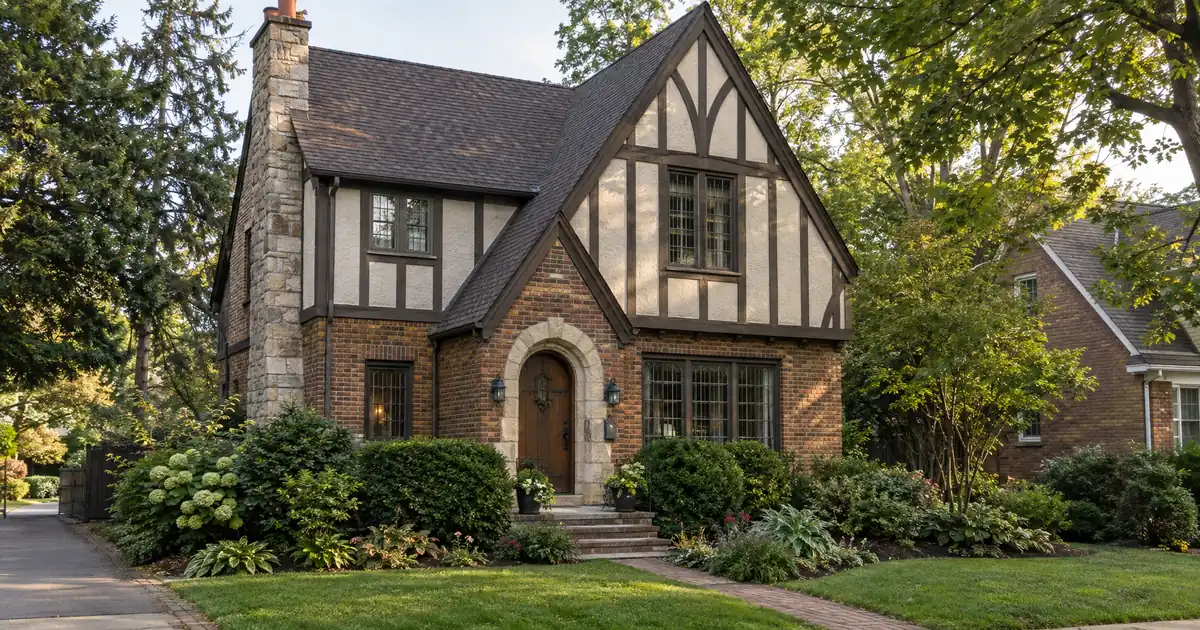
The Quick Read: Usually not the purchase-side top, and only sometimes the cash-out ceiling, because a BRRRR refinance on a standard rental tops out around 75% LTV, and you reach even that only when title seasoning is met, the rent covers the larger payment, and your credit, reserves and property type do not trigger a leverage cut. Three tests decide the number, and the lowest result wins.
- A cash-out refinance on a standard rental typically caps near 75% LTV across most programs in the network. Short-term-rental collateral caps near 70%.
- The higher 80%–85% tiers belong to purchases and to refinances that return no cash. They are not your target.
- Seasoning is about six months from the date the deed records, not from the day the rehab ends.
- Rent can cap your proceeds before equity does, because a bigger loan means a bigger payment and thinner coverage.
Can a BRRRR Investor Hit the Top LTV? The Three Gates
The deal must clear three gates: value, rent and file strength. Value decides how large the loan could be. Rent decides how large it may be. File strength decides whether leverage gets trimmed. You get the smallest of the three results, not the best one.
DSCR Cash-Out Calculator
Run the cash-out numbers in your market
Rate source: Freddie Mac 30-yr average via FRED® — Federal Reserve Bank of St. Louis · effective Oct 8, 2026
Prefilled with starting assumptions — enter your property’s value, balance, taxes, and insurance for a more accurate picture.
Program parameters update from Lendmire’s centralized guideline source. Taxes and insurance are editable estimates.
As of Oct 8, 2026 · General Freddie Mac market benchmark, not a Lendmire loan offer. Property value, balance, taxes, and insurance are editable estimates. Maximum loan-to-value varies by lender, program, property type, and seasoning. Not a Loan Estimate, approval, or commitment to lend. Program availability and eligibility are subject to lender guidelines, credit approval, property review, and underwriting.
| Gate | What it tests | What it can cap |
|---|---|---|
| Value | Appraised value or cost basis, after seasoning | The size of the loan against the property |
| Rent | Market rent against the full monthly obligation | The loan, if coverage falls under the floor |
| File strength | Credit tier, reserves, property type, occupancy | The LTV tier you are placed in |
Investors tend to focus on the first gate and forget the other two. A strong appraisal does not excuse thin rent. Strong rent does not excuse a short ownership history.
Rental coverage is the core test on every file. Lenders divide monthly rent by the full monthly housing obligation: principal, interest, taxes, insurance and any association dues. That ratio is the DSCR, short for debt service coverage ratio. Across the network, 1.00 is where many select programs start. A separate select-lender path takes coverage below 1.00, with leverage and terms adjusted. Stronger ratios generally open better pricing and more leverage.
Why the Purchase-Side Top Doesn’t Carry Over
Purchases and cash-out refinances live on different leverage ladders. The headline numbers you see for DSCR loans usually describe the purchase side. A cash-out refinance sits lower because the lender is handing you cash against a property you already own, which it views as a riskier request.
Here is how the ladder typically looks across the wholesale network:
| Transaction | Typical ceiling | Notes |
|---|---|---|
| Purchase of an investment property | 75%–80% LTV | Select programs reach 85% with roughly a 700+ score |
| Refinance with no cash back | Up to 85% LTV | Payoff and costs only |
| Cash-out refinance, standard rental | About 75% LTV | Hard ceiling in this network |
| Cash-out refinance, short-term rental | About 70% LTV | Needs hosting history |
Market commentary matches the general shape. One general BRRRR explainer from Hemlane cites 80% on a BRRRR refinance, a figure that leans toward conventional-style lending. In the DSCR network, a cash-out refinance on a standard rental stays near 75%, so do not borrow the larger number for your pro forma.
Most of the leverage-ceiling questions investors ask are covered in Lendmire’s explainer on the maximum LTV for a cash-out refinance. The BRRRR twist is that your deal adds seasoning and rehab-basis questions on top.
One more point matters here. A ceiling is not a payout. If the new loan only pays off the old loan and the costs, some programs may treat it as a refinance with no cash back, which can sit in a higher tier. If you receive cash, the cash-out limits apply. How a short-term payoff gets classified depends on the program, so ask before you plan around it.
Seasoning Decides Which Value the Lender Uses
Seasoning is the waiting period a lender wants between buying a property and refinancing it with cash back. On most programs in the network, it is about six months. The clock starts when the deed records, not when the rehab ends and not when a tenant signs a lease.
That date matters because it changes the number the lender sizes against.
| Inside the seasoning window | After the window | |
|---|---|---|
| Value basis | Cost basis: price plus documented rehab | Appraised value |
| Why | The lender wants proof of what you paid | Market value has been established |
| Effect on BRRRR | Forced appreciation may not count yet | Rehab value can flow into the loan |
Think of the window as a gate on your forced appreciation. Inside it, a lender may credit only what you can document. After it, the appraiser’s opinion of value takes over. If you refinance early on cost basis, the equity you built through the rehab can sit unused until you wait or find a program that treats the file differently.
Note what does not shorten the clock. A bigger down payment does not. A high DSCR does not. A good credit score does not. Those are separate tests.
Agency lending offers a useful contrast, and only a contrast. The Fannie Mae Selling Guide has a delayed financing exception that lets cash buyers refinance within six months of purchase. The purchase must be arm’s-length and the funds documented, and proceeds are limited to documented purchase cost, not post-rehab value. DSCR loans are not agency products. Any similar treatment on a DSCR file is specific to the program, and a purchase funded by a short-term or hard-money loan generally does not fit the idea at all.
Short-term-rental investors face a second clock. Programs for that collateral typically want about 12 months of hosting history, and they expect a 640+ score. That hosting clock runs separately from title seasoning.
Three Worked Deals
The cleanest way to see which gate binds is to run three deals. Every figure below is a modeled assumption, expressed as a percentage of after-repair value (ARV, the property’s expected value once the rehab is done). Treat each as an illustration, not a quote or a market fact.
Set ARV at 100 in each case. Assume the property is a standard rental, seasoning is satisfied, and the appraisal matches your estimate.
| Deal A | Deal B | Deal C | |
|---|---|---|---|
| All-in cost (price plus rehab) | 65% of ARV | 85% of ARV | 65% of ARV |
| Cash-out LTV ceiling | 75% | 75% | 75% |
| Coverage at full leverage | About 1.25x | About 1.20x | About 0.90x |
| Binding gate | None | Value (the ceiling) | Rent |
| Result | Capital returns, with room to spare | About 10% of ARV stays in the deal | Loan is cut until coverage works |
Deal A: the ceiling is reached and capital comes back. All-in cost sits well below the 75% ceiling. The new loan can cover the payoff of the short-term money, the closing costs and the reserves, with something left over. This is what the BRRRR math is supposed to look like.
Deal B: the ceiling caps proceeds. All-in cost is 85% of ARV, so a loan at 75% leaves roughly ten points of ARV trapped in the property. The deal is not broken. It simply behaves like a long-term hold with equity stuck inside instead of a full recycle. Many investors accept that for a strong property, but plan for it before you buy.
Deal C: rent caps proceeds before equity does. The appraisal is fine, but rent covers only about 0.90x of the payment at full leverage. The loan has to shrink until coverage reaches the floor of the program. Because taxes and insurance do not shrink when the loan does, the principal and interest part must fall by more than ten percent. Loan-to-value would land below roughly 67%. Select lenders in the network offer a sub-1.00 path, with leverage and terms adjusted. Other structures, such as an interest-only period through select lenders, may also be reviewed. Qualification stays subject to lender guidelines, credit approval and property review.
In files like these, the second gate is the one investors overlook. Rent is easy to treat as a footnote when you are excited about the appraisal. Lenders treat it as a co-equal test.
Work Backward Before You Buy
Do the math in reverse before you make an offer. Start from the cash-out ceiling and work down to the most you can afford to spend.
1. Estimate ARV using conservative sold comparables, not asking prices.
2. Multiply by the ceiling: 75% for a standard rental, 70% for short-term-rental collateral.
3. Subtract room for the payoff of your short-term money, closing costs and any reserves held back.
4. The remainder is the most that purchase plus documented rehab can cost if you want a full recycle.
A Motley Fool BRRRR explainer suggests keeping purchase plus rehab within 70% of ARV. The article is general investor education, not DSCR guidance, but the instinct is sound. Aim below the ceiling by several points, because pricing adjustments and appraisal gaps eat into the headline number.
A practical habit is to underwrite at the low end of the range and treat anything above it as upside. If a deal only works at the very top, it works only when everything goes right. Few rehabs go perfectly right.
Then run the rent test. Check that the rent supported by a market-rent schedule (Form 1007) covers the payment on the loan you are hoping for. Single-family appraisals typically use the 1004 form, and two-to-four-unit properties use the 1025. If coverage looks tight, reduce the target loan on paper before the lender does it for you.
What If the Appraisal Comes In Low?
A low appraisal cuts proceeds directly, because the loan equals appraised value times the LTV cap. Each dollar of missing value costs you about three-quarters of a dollar of loan on a standard rental.
You have four realistic options:
- Rebut with evidence. Give the lender sold comparables the appraiser may have missed, along with a documented rehab scope and receipts. Do this early and politely. Appraisers respond to data, not frustration.
- Restructure. Take a smaller loan and leave more capital in the deal. This is a fine outcome if the property cash flows after the refinance.
- Wait. Another few months may let the market, the lease history or the comps improve. Weigh that against your carrying costs.
- Exit differently. If the numbers no longer work, selling or holding on the short-term money may beat forcing a thin refinance.
Proceeds can come in under plan for reasons that have little to do with rate or paperwork. An appraisal that lands below the investor’s ARV estimate is one common cause, and cost-basis sizing inside the seasoning window is another.
DSCR vs. conventional financing
There are two common ways to finance an investment property, and they qualify you differently — here’s how investors weigh them.
Why investors choose it
- Qualifies on the property’s rental income — no personal tax returns, W-2s, or pay stubs needed to document income.
- No personal debt-to-income ceiling to clear, so existing mortgages and obligations don’t cap your borrowing the same way.
- Can be closed in an LLC, keeping the property inside a business entity.
- Built for scaling — not held to the limit on number of financed properties that conventional financing applies.
- Underwriting centers on the deal: generally qualifies when the rent covers the payment, a 1.00x coverage ratio being a common baseline (confirmed in underwriting).
- Designed specifically for investment property, including long-term and, where the program allows, short-term rentals.
Where it’s strong
- Often the lowest ongoing financing cost for a buyer who fully qualifies on personal income — a fit for a first property or a cost-first purchase.
Trade-offs for investors
- Requires full personal income documentation and must fit within a debt-to-income limit — salary, existing debts, and other mortgages all count.
- Typically held in your personal name rather than a business entity.
- Caps how many financed properties you can carry, which can become a ceiling as a portfolio grows.
- Evaluates you as a borrower as much as the property, which usually means more paperwork.
How investors usually choose: a first or single property often optimizes for the lowest financing cost; portfolio builders often optimize for leverage, vesting in an LLC, and scaling past conventional caps. The right answer depends on your goals, the property, and current guidelines — both paths run through select lenders in Lendmire’s wholesale network, with eligibility and terms confirmed in underwriting.
How the Bridge Payoff Gets Treated
Most BRRRR investors fund the purchase and rehab with cash or short-term money. At the refinance, the new loan pays that debt off. Cash you actually receive is the new loan, minus the payoff, minus closing costs, minus any reserves the lender holds back.
Classification is the open question. If the new loan covers only the payoff and costs, it may qualify as a refinance with no cash back, which can reach a higher leverage tier. If you pocket cash, the cash-out cap applies. Programs differ on how they classify a short-term payoff, so confirm the treatment before you build your plan around the higher tier.
Prepayment terms matter too. If your short-term loan carries an exit fee, that reduces what you keep. The same goes for any prepayment structure on the new loan.
Should You Push to the Top at All?
This one is a genuine toss-up for many files. The extra five points of leverage over a 70% target pull out more cash. They also raise the payment, thin the coverage cushion and generally move pricing in the wrong direction.
A few things make pushing worthwhile: strong rent coverage, a 700+ score, solid reserves and a clear next acquisition waiting for the cash. A few make it risky: a coverage ratio sitting right on the floor, a property type that may trigger a leverage reduction, or a thin reserve account.
Reserves are worth a closer look. They vary by lender, leverage, loan size and transaction type. Many files see about six months of the full monthly obligation, and loans above $1,500,000 typically step up to about nine months. Standard programs run up to $3,000,000, and above $2,500,000 the network generally holds to 30-year fixed structures. Credit also shapes the outcome: a 620 floor exists in parts of the network, most programs want around 660, and 700+ unlocks the strongest leverage tiers. Property type matters as well. Manufactured homes, log homes and barndominiums are not offered in these programs.
Clearing 1.00 also does not mean a property makes money. DSCR compares rent to the monthly housing obligation only. Repairs, vacancy, management, utilities and capital expenses sit outside the calculation. A deal can clear the coverage test and still produce thin real-world cash flow, so keep your own budget for those costs.
Tax treatment can depend on how the funds are used and how the property is held; investors should keep clear records and speak with a qualified tax professional before relying on any deduction.
For a broader look at structuring the full cycle, see Lendmire’s guide to DSCR cash-out refinancing for BRRRR investors. The complete DSCR loans guide covers the program basics.
Pre-Submission Checklist
Having these ready tends to make the file smoother, whatever the lender:
- Deed or settlement statement showing the recording date
- Rehab receipts, invoices and a scope of work
- Signed lease, or a market-rent schedule if the unit is vacant
- Entity documents, with title vested in the borrowing entity (subject to lender program eligibility if the entity is an LLC)
- Insurance quote reflecting the finished property
- Proof of reserves
- Payoff statement for the short-term loan
Key Terms Defined
LTV (loan-to-value): The loan amount divided by the property’s value. A 75% LTV means the loan equals three-quarters of value. The exact numbers vary by lender and program and follow a full review of property, leverage, and credit.
ARV (after-repair value): What the property is expected to be worth once the rehab is finished.
Cost basis: What you paid for the property plus documented rehab spending.
Seasoning: The waiting period between purchase and a cash-out refinance, counted from title recording.
PITIA: Principal, interest, taxes, insurance and association dues, the full monthly obligation in the DSCR test.
DSCR: Monthly rent divided by PITIA. It measures whether the property’s income covers its own payment.
Frequently Asked Questions
Can I hit the top LTV on a recent rehab?
Usually not the purchase-side top. A cash-out refinance on a standard rental typically caps near 75% LTV, and seasoning, rent coverage and file strength all have to line up to reach even that. Short-term-rental collateral typically caps near 70%.
Does waiting change the ceiling or the value it applies to?
Waiting changes the value, not the ceiling. After about six months from title recording, the lender can size against appraised value instead of cost basis. The percentage cap stays where it is. So waiting mainly lets your forced appreciation count.
Does a higher DSCR raise my LTV?
A stronger coverage ratio can open better pricing and more leverage within a program. It does not lift the cash-out ceiling or shorten seasoning. Think of coverage and equity as two separate tests, and the strongest files clear both.
What if my all-in cost is above the ceiling?
Part of your capital stays in the deal. If all-in cost is 85% of ARV and the ceiling is 75%, roughly ten points of ARV remain invested. You can still refinance, hold the property for cash flow, and pull equity out later as value grows.
Can I do this in an LLC, and is a bridge payoff counted as cash-out?
Many programs lend to entities, subject to lender program eligibility, and the title should match the borrower. On the second part, classification depends on the program. If you receive cash back, cash-out limits apply, and if the loan covers only payoff and costs, some programs treat it as a refinance with no cash back.
Next Step
If you are buying or refinancing a rental property and want to see how the numbers work, Lendmire can help you compare DSCR loan options based on the property income, credit profile, leverage and investor goals. As a broker, Lendmire arranges financing through select lenders in its wholesale network across 41 markets, including Washington, D.C., and every file is underwritten individually. Programs change and this is not a commitment to lend.
For the mechanics of pulling equity out of a rental property, see Lendmire’s guide to cash-out refinance on an investment property.
About Lendmire
As a non-QM mortgage broker (NMLS# 2371349), Lendmire facilitates DSCR investor loans across 41 markets, including Washington, D.C. DSCR eligibility is generally reviewed around property-level rental income instead of personal income documentation, subject to lender guidelines, serving LLC-structured portfolios and self-employed borrowers who don’t fit conventional boxes. A two-time Scotsman Guide Top Mortgage Workplace (2025, 2026).
Get Started
Ready to find the right loan for you?
In about 30 seconds you can review financing options available for your investment property. No commitment required.
Informational only. Not a Loan Estimate, approval, or commitment to lend. Program availability and eligibility are subject to lender guidelines, credit approval, property review, and underwriting.
References
1. Hemlane, BRRRR Method in Real Estate Investing
2. Fannie Mae Selling Guide B2-1.3-03, Cash-Out Refinance Transactions
This article is part of Lendmire’s investment property cash-out refinance program — full qualification details, guidelines, and scenarios live on the program page.
Related reading: Can a Landlord Get a Rental HELOC Mid-Lease or Month to Month? · Does a Quitclaim Deed Restart Seasoning for a Rental HELOC? · Should a Landlord Replace a Low First Mortgage Instead of a HELOC?
Brandon Miller
Founder & CEO, Mortgage Loan Originator, Lendmire LLC
- Mortgage Loan Originator · NMLS# 1129696 · Verify on NMLS Consumer Access
- North Carolina Real Estate Broker · License# 343312 · Verify on NCREC
- North Carolina Insurance Producer · License# 19053198 · Property, Casualty, Life, Health · Verify on NAIC SBS
- Lendmire LLC · Firm NMLS# 2371349 · Verify firm licensure
Disclosures. The information presented in this article is general market commentary, not financial, legal, or tax advice. Lendmire is a mortgage brokerage (NMLS# 2371349) — not a direct lender or depository institution — and loan placement is subject to lender underwriting. Nothing in this content represents a commitment to lend. Loan terms, pricing, and program availability vary based on borrower qualifications, property characteristics, and state of subject property, and are subject to change at any time. Lendmire complies with Equal Housing Opportunity requirements. Consumer access: nmlsconsumeraccess.org.