
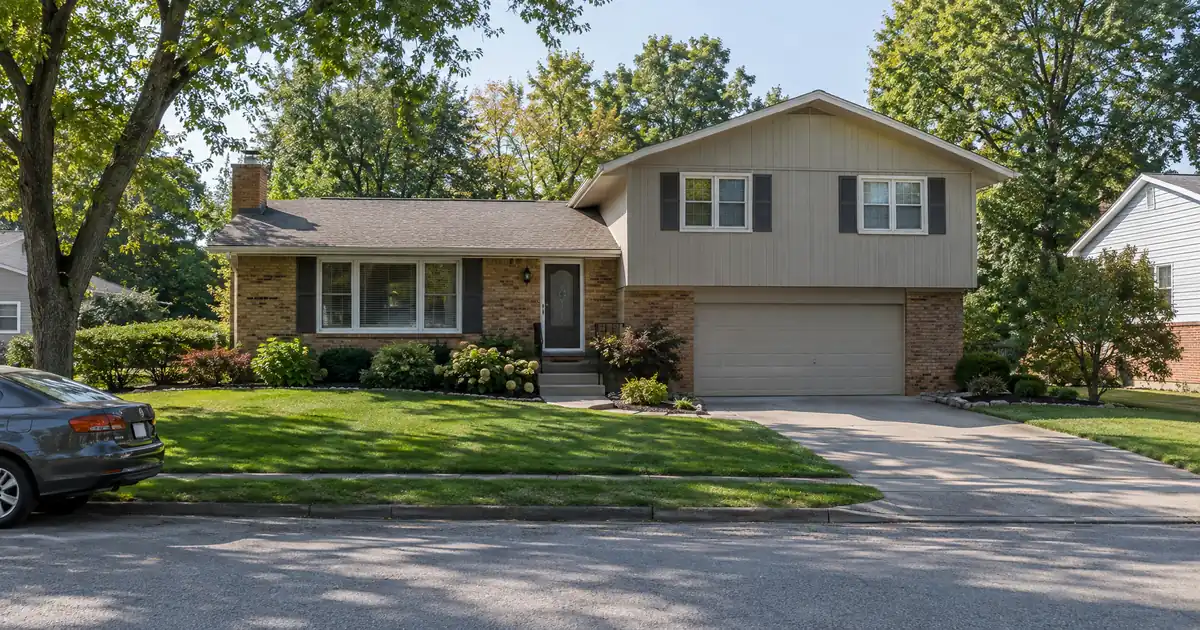
The Quick Read: A solar lien and an unpermitted ADU hit a DSCR cash-out refinance in different places. The lien threatens title and lien position, so it usually has to be paid off, released, or subordinated before closing. The unpermitted unit threatens appraised value and the rent the lender counts, so many files get sized on the main dwelling alone. Qualification is always subject to lender guidelines and property review.
- A cash-out refinance on an investment rental tops out around 75% LTV, with about 6 months of ownership expected first.
- Most programs start coverage at 1.00. Sub-1.00 is available through select lenders in the network, with leverage and terms adjusted.
- A solar UCC-1 filing usually must be paid off, released, or subordinated. Paying it off comes out of your cash-out proceeds.
- PACE is a different, harder lien. Expect it to be paid off at closing.
- An unpermitted ADU often adds no value and no rent to the file. Plan your numbers without it.
Cash-out files break in predictable places, and these two problems are among the most predictable. Neither one is a credit problem. Both are collateral problems, and both show up late if you don’t look for them early.
DSCR Cash-Out Calculator
Run the cash-out numbers in your market
Rate source: Freddie Mac 30-yr average via FRED® — Federal Reserve Bank of St. Louis · effective Oct 8, 2026
Prefilled with starting assumptions — enter your property’s value, balance, taxes, and insurance for a more accurate picture.
Program parameters update from Lendmire’s centralized guideline source. Taxes and insurance are editable estimates.
As of Oct 8, 2026 · General Freddie Mac market benchmark, not a Lendmire loan offer. Property value, balance, taxes, and insurance are editable estimates. Maximum loan-to-value varies by lender, program, property type, and seasoning. Not a Loan Estimate, approval, or commitment to lend. Program availability and eligibility are subject to lender guidelines, credit approval, property review, and underwriting.
How Does a DSCR Cash-Out Treat Each Problem?
A DSCR cash-out runs two tests on the property. The first is leverage: the loan can’t exceed the LTV cap applied to the appraised value. The second is coverage: the appraiser-supported rent has to cover the full monthly payment, meaning principal, interest, taxes, insurance, and any HOA dues. The tighter test sets your loan amount.
The solar lien lands on the title. The unpermitted ADU lands on the appraisal. Different departments, different fixes.
Across our wholesale network, a cash-out refinance on an investment rental tops out around 75% LTV. About 6 months of ownership, measured from title recording, is the common seasoning expectation. Most programs want a credit score near 660, and a 620 floor exists in parts of the network. Reserves commonly run about 6 months of PITIA, stepping up to about 9 months above $1,500,000. Treat these as typical ranges, not promises. Every file is underwritten individually. Our complete DSCR loans guide covers the full program picture.
One caution on coverage. Clearing 1.00 is not the same as positive cash flow. DSCR compares rent to the payment only. Repairs, vacancy, management, utilities, and capex sit outside it.
Key Terms Defined
UCC-1 filing: A public notice a solar financier files, usually with the Secretary of State, claiming a security interest in the panels.
Fixture filing: A UCC-1 recorded against the property’s legal description, which is why it shows up on a title commitment.
Subordination: A written agreement that moves the solar company’s claim behind the new mortgage without removing it.
PACE assessment: A clean-energy financing repaid through the property tax bill, which typically sits ahead of the mortgage.
PPA or lease: A deal where a third party owns the panels and you pay for the power or rent the system.
Legal non-conforming: A unit that was legal when built but no longer matches current rules. Grandfathered status is not the same as unpermitted.
Seasoning: The waiting period a lender wants between buying a property and cashing out of it.
What Kind of Solar Lien Do You Actually Have?
The answer decides everything, and many owners don’t know it. Pull the paperwork and identify which of four structures you have.
| Solar structure | What it puts on title | What usually has to happen |
|---|---|---|
| Financed, UCC-1 only | Personal-property filing | Payoff, release, or subordination |
| Financed, fixture filing | Recorded against the property | Cleared as a closing requirement |
| Lease or PPA | Often a fixture filing too | Transfer with consent, or buyout |
| PACE | Tax-bill assessment | Typically paid off at closing |
A title-industry source describes a fixture filing showing up on the title commitment as a closing requirement. It lists three ways to clear it: payoff and termination, lease or PPA transfer with provider consent, or subordination to the new mortgage. It also advises running a UCC search alongside the title search, because the filing can hide from a standard search (Skyline Title Support).
Is it really a lien on your house? Legally, a standard solar filing is a security interest in personal property, not the land. A Texas law firm makes that point, and also notes that title companies often halt a closing anyway until the filing is satisfied or released (Silb Law Firm). So the “it isn’t a real lien” argument is technically defensible and practically useless.
Subordination is the middle path. The solar company agrees its claim ranks below the new mortgage. The lien stays, but the new lender gets the position it wants. Whether a given lender accepts a subordination or insists on a payoff varies, so ask early.
Why PACE Is the Harder Lien
PACE is not just another solar loan. It’s repaid through the property tax bill, and it typically carries automatic first-lien priority. The agency guide that covers it says so, and treats payoff as a refinance condition (Fannie Mae Selling Guide). That’s agency contrast, not a DSCR rule. DSCR lenders follow their own guidelines. But the priority logic is the same, and you should expect a payoff requirement.
The federal housing regulator’s request for input described the same thing as a super-priority lien over existing and later first mortgages (Federal Register). That’s why a subordination agreement, the usual fix for a solar UCC-1, doesn’t work the same way here.
A PACE balance still on the tax bill also raises the tax line in the payment. That lowers coverage. This is logic, not a published rule, but the arithmetic is straightforward: same rent, bigger payment, lower ratio.
Check for PACE before you count the cash-out as a funding source. If it has to be paid from proceeds, your net cash shrinks by that amount.
What Happens to an Unpermitted ADU in the Appraisal?
Assume the appraiser gives it little or no value and no rent credit. The appraisal sets value, and through the rent schedule (Form 1007 for a single-family, Form 1025 for two to four units) it sets market rent. A DSCR lender follows those conclusions.
An unpermitted unit can fail in several ways. The appraiser may exclude it from living area. The unit may be misclassified as a bonus room or garage. Missing ADU comps may weaken the value even for a legal unit. An ADU-focused contractor lists unpermitted status among the common causes of a low ADU appraisal (Imkat Construction). Treat that as a qualitative signal, since a contractor is not a lender.
For contrast, the agency world is blunt: Freddie Mac’s ADU fact sheet says rental income from an illegal ADU may not be used to qualify. DSCR programs aren’t bound by it, but the logic carries over.
Actual rent doesn’t make a unit countable. Tenants paying you for the ADU doesn’t change the appraiser’s market-rent conclusion or the unit’s legal status.
Treatment of an ADU varies by lender overlay, appraisal assignment, local legal-use status, and available comps. Some programs exclude certain ADU types outright.
| ADU status | Value treatment | Rent in coverage | Likely lender response |
|---|---|---|---|
| Permitted, with comps | Can be supported | Appraiser’s market rent | Standard review |
| Legal non-conforming | Often supported | Often supported | Lender-specific |
| Unpermitted | Little or none | Usually excluded | Sized on main dwelling |
The lender may also treat the property as a single-family home instead of a two-unit property. That changes which appraisal form applies and which comps the appraiser uses.
A Worked Example With Both Problems at Once
Picture a single-family rental with a rear unit and a financed solar system. Say you bought it a year ago at a price you consider solid, and you want cash out at the 75% cash-out ceiling for standard rentals. Terms depend on the lender’s guidelines, the property type, the leverage, and a full review of the credit profile.
Here is how it unfolds, step by step.
1. Appraisal. The appraiser excludes the unpermitted ADU from value. The value comes in on the main dwelling alone. Your leverage test now runs on a smaller number than you modeled.
2. Rent. The market-rent schedule covers the main dwelling only. If the ADU’s rent was holding up your coverage, the ratio drops while the payment stays the same. A file that looked like 1.25x can slide toward 1.00x or below.
3. The sizing test. The tighter of the two gates, leverage or coverage, sets the loan. Each extra dollar of cash-out raises the payment and lowers coverage.
4. Solar payoff. Title shows the fixture filing. You request a payoff letter from the solar provider and pay it from proceeds.
5. Net cash. New loan, minus your existing mortgage payoff, minus the solar payoff, minus closing costs and any holdbacks.
If coverage falls below 1.00 on the main dwelling alone, a separate path exists through select lenders in the network, with leverage and terms adjusted. A lender reviews it subject to credit, reserves, and property review. Nothing about it is assured.
An investor who modeled a BRRRR-style plan around the ADU’s value feels this most. The refinance can come in short of the number the whole plan depended on.
DSCR vs. conventional financing
There are two common ways to finance an investment property, and they qualify you differently — here’s how investors weigh them.
Why investors choose it
- Qualifies on the property’s rental income — no personal tax returns, W-2s, or pay stubs needed to document income.
- No personal debt-to-income ceiling to clear, so existing mortgages and obligations don’t cap your borrowing the same way.
- Can be closed in an LLC, keeping the property inside a business entity.
- Built for scaling — not held to the limit on number of financed properties that conventional financing applies.
- Underwriting centers on the deal: generally qualifies when the rent covers the payment, a 1.00x coverage ratio being a common baseline (confirmed in underwriting).
- Designed specifically for investment property, including long-term and, where the program allows, short-term rentals.
Where it’s strong
- Often the lowest ongoing financing cost for a buyer who fully qualifies on personal income — a fit for a first property or a cost-first purchase.
Trade-offs for investors
- Requires full personal income documentation and must fit within a debt-to-income limit — salary, existing debts, and other mortgages all count.
- Typically held in your personal name rather than a business entity.
- Caps how many financed properties you can carry, which can become a ceiling as a portfolio grows.
- Evaluates you as a borrower as much as the property, which usually means more paperwork.
How investors usually choose: a first or single property often optimizes for the lowest financing cost; portfolio builders often optimize for leverage, vesting in an LLC, and scaling past conventional caps. The right answer depends on your goals, the property, and current guidelines — both paths run through select lenders in Lendmire’s wholesale network, with eligibility and terms confirmed in underwriting.
What If the Solar Panels Feed the Unpermitted ADU?
This is the intersection almost nobody plans for. Panels mounted on the ADU, or wired to power it, can carry their own permit or interconnection questions. The lien conversation and the legal-use conversation become one conversation.
Don’t assume a clean solar payoff solves the unit. Ask what the system is attached to and whether the work was permitted. If the unit isn’t legal and the panels serve it, lenders and appraisers may both ask questions. Sort out the permit record before you order the appraisal.
Owned versus third-party-owned panels matters for value too. Don’t assume installed cost equals value. Any improvement may support a higher appraised value, depending on comps and underwriter review.
Fix First or Close Around It?
This one is a real toss-up in many files, and it depends on what the ADU is doing for you.
Close around the ADU if the main dwelling alone carries the coverage and leverage you need. You lose nothing you were counting on. Plan the file without the unit.
Legalize first if the ADU’s value or rent is what makes the numbers work. Retroactive permitting may be the only resolution, and it may not be available at all where the town doesn’t allow additional units. Legalization rules vary by jurisdiction, so check with the local building department before you spend money. Keep in mind that insurance, fines, and tenant exposure can follow an unpermitted unit regardless of your loan.
Pay off, subordinate, or transfer the solar depending on the structure. Payoff is cleanest and cuts net cash. Subordination preserves cash if the lender accepts it. A lease or PPA may mean a transfer with provider consent or a buyout, since there may be no loan to pay off.
Walk away from the cash-out if the numbers only work with the ADU counted and legalization isn’t realistic. Better to know that before the appraisal fee.
Sequence It Right
- Pull the title commitment and run a UCC search together.
- Identify whether the solar is owned, financed, leased, or PPA, and whether PACE appears on the tax bill.
- Request the payoff or subordination from the solar provider right away. Providers can be slow, and that’s the real timeline risk.
- Confirm the ADU’s permit record and legal-use status before ordering the appraisal.
- Ask the lender whether the property type and any ADU are acceptable before you pay for the appraisal.
- Model net cash and coverage without the ADU first. Count it only if the appraisal supports it.
Subordination fees and payoff demands vary. Watch for inflated payoff figures and early-termination fees, and ask for them in writing.
Reserves vary by lender, leverage, loan size, and transaction type. A larger down payment on a purchase can help coverage, but it never erases leverage caps, credit floors, reserve rules, or property eligibility. For a cash-out you have equity instead, and the strongest files clear both tests: enough equity and enough rental coverage. Manufactured homes, log homes, and barndominiums aren’t offered in these programs, so an ADU built as one of those is a separate problem.
If you plan to cash out through an entity, Lendmire’s piece DSCR Cash-Out Vesting Rules for a Single-Member LLC Rental covers how title is held at closing, subject to lender program eligibility. If you’d rather use a line than a refinance, Lendmire’s piece Rental HELOC Requirements With a Solar Lien or an Unpermitted ADU covers that route.
Tax treatment can depend on how the funds are used and how the property is held; investors should keep clear records and speak with a qualified tax professional before relying on any deduction.
If you are buying or refinancing a rental property and want to see how the numbers work, Lendmire, a mortgage broker arranging DSCR investor loans across 41 markets including Washington, D.C., can help you compare DSCR loan options based on the property income, credit profile, leverage, and investor goals.
Frequently Asked Questions
Is a solar lien a lien on my house?
Legally, a standard solar UCC-1 is a security interest in the panels, which are personal property. In practice, title companies and lenders usually require payoff, release, or subordination before a refinance closes. Treat it as a closing item either way.
Will the ADU rent count toward coverage?
Not if the unit is unpermitted. The appraiser’s market-rent conclusion and the unit’s legal status decide it, not what your tenant actually pays. A permitted ADU still needs comps to support its value and rent.
Does PACE kill a cash-out?
It can, unless it’s paid off. PACE is repaid through the tax bill and typically sits ahead of the mortgage, so expect a payoff requirement. That payoff comes out of your proceeds, so it reduces net cash.
Can I legalize the ADU after closing?
Sometimes, but it won’t help this loan. Value and rent are measured at the appraisal. Legalization rules vary by jurisdiction, and some towns may not allow additional units at all. Legalizing later also doesn’t change how your refinance lender treated the lien at closing.
What if the ADU was built without permits but has rented for years?
Rental history doesn’t make it legal. Permit status and the appraiser’s conclusion still control, so build your numbers on the main dwelling.
For more on pulling equity from an investment property, see Lendmire’s guide to cash-out refinance on an investment property.
About Lendmire
Lendmire is a non-QM mortgage brokerage (NMLS# 2371349) arranging DSCR investor loans in 41 markets, including Washington, D.C. DSCR eligibility is generally reviewed around property-level rental income rather than personal income, subject to lender and program guidelines, a fit for self-employed investors and LLC-owned portfolios. Lendmire was recognized as a Scotsman Guide Top Mortgage Workplace in 2025 and 2026.
Get Started
Ready to find the right loan for you?
In about 30 seconds you can review financing options available for your investment property. No commitment required.
Informational only. Not a Loan Estimate, approval, or commitment to lend. Program availability and eligibility are subject to lender guidelines, credit approval, property review, and underwriting.
References
1. Skyline Title Support: solar UCC liens at closing
2. Silb Law Firm: solar panels and your title
3. Fannie Mae Selling Guide B5-3.4-01, PACE loans
4. Federal Register: FHFA PACE request for input
5. Imkat Construction: ADU appraisal
This article is part of Lendmire’s investment property cash-out refinance program — full qualification details, guidelines, and scenarios live on the program page.
Related reading: Florida Rental HELOC Doc Stamps and Intangible Fees at Closing · Should a Landlord With a Low First Lien Use a Home HELOC? · DSCR Cash-Out vs Bridge Loan When a Money Partner Wants Out
Brandon Miller
Founder & CEO, Mortgage Loan Originator, Lendmire LLC
- Mortgage Loan Originator · NMLS# 1129696 · Verify on NMLS Consumer Access
- North Carolina Real Estate Broker · License# 343312 · Verify on NCREC
- North Carolina Insurance Producer · License# 19053198 · Property, Casualty, Life, Health · Verify on NAIC SBS
- Lendmire LLC · Firm NMLS# 2371349 · Verify firm licensure
Compliance and disclosures. Lendmire (NMLS# 2371349) is a licensed mortgage broker and is not a direct lender, depository institution, financial advisor, or tax professional. Content in this article is general market analysis and educational information — not financial, legal, or tax advice for any specific situation. Lendmire does not guarantee loan approval; every transaction is subject to underwriting by the funding lender. Mortgage pricing and loan program guidelines are subject to change at any time without notice and vary by borrower characteristics, property type, and state regulations. Lendmire complies with Equal Housing Opportunity. Licensure verification: NMLS Consumer Access.