
The Quick Read: A DSCR cash-out refinance suits the owner who keeps a leased, seasoned property and wants permanent debt that pays the partner out, while a bridge loan suits the owner whose property is not yet rent-ready, not yet seasoned, or whose payout deadline arrives before a permanent loan can work.
- A DSCR cash-out is permanent debt. A bridge loan is temporary debt that must be repaid or refinanced.
- On standard rentals, DSCR cash-out generally reaches about 75% LTV across Lendmire’s wholesale network. Bridge refinances generally reach up to 65% of value.
- DSCR review leans on rent versus the full monthly obligation. Bridge review leans on value, the plan, and the exit.
- Clearing a coverage ratio does not mean the property cash flows. Vacancy, repairs, and management sit outside the math.
A money partner is a capital source: a private lender, a silent equity investor, or a co-owner who funded part of the deal. Each of them can ask for their money back. The right loan depends on what that person actually holds, how much equity the property has, and whether it can pass a rent test today.
What Does Your Partner Actually Hold?
Start here, because the documents drive everything else. A partner usually holds one of three things:
- A note or lien. You owe a debt. Payoff ends the relationship.
- An LLC membership interest. The partner owns part of the entity. Payout alone does not remove them. An assignment or redemption does.
- A deeded share. The partner is on title. A deed alone may not release them from the old note.
Returning capital is not the same as removing an owner. A law-firm explainer on buying out a business partner separates a direct purchase by the remaining owners from a redemption, where the company buys and cancels the interest. Each route carries its own legal and tax consequences, so counsel should confirm the structure before a lender is involved.
Tax treatment can depend on how the funds are used and how the property is held; investors should keep clear records and speak with a qualified tax professional before relying on any deduction.
Side-by-Side
| Factor | DSCR Cash-Out | Bridge Loan |
|---|---|---|
| Review basis | Rent vs. full monthly obligation | Value, plan, and exit |
| Documentation | Appraisal rent schedule, leases, entity papers | Appraisal, payoff, exit plan, entity papers |
| Property condition | Leased and rentable | Can be vacant or in transition |
| Property types | 1-4 unit rentals; some types excluded | 1-4 unit non-owner-occupied |
| Entity vesting | LLC common, subject to program terms | LLC common, per lender terms |
| Refinance leverage | About 75% LTV standard; 70% STR | Up to 65% of value |
| Term structure | 30-year fixed spine; options exist | 6-18 months, interest-only |
| Reserves | Often about 6 months of PITIA | Vary by lender and file |
| Exit | The loan is the exit | Must be repaid or refinanced |
DSCR figures reflect typical ranges across the network. The bridge column shows published industry norms for structure, and bridge figures vary by lender, property, and experience. Lendmire’s wholesale network places both products, and nothing here is a commitment to lend.
Key Terms Defined
Seasoning is the minimum time you must have owned the property before a lender will size a cash-out on its appraised value.
Redemption is when the LLC itself buys out the departing member’s interest.
Coverage ratio is monthly rent divided by principal, interest, taxes, insurance, and any association dues.
Exit is the event that repays a bridge loan, usually a sale or a permanent refinance.
When DSCR Cash-Out Is the Better Fit
DSCR cash-out wins when the property is stable and the numbers fit. Think of an owner with a fully leased duplex, a clean ownership history, and a partner owed a modest slice of the equity. That owner gets one closing and one permanent loan.
Here is the checklist most files must clear:
- Seasoning. About 6 months of ownership is the common expectation across the network.
- Rent test. The property qualifies primarily on property-level rental income covering the payment, subject to lender guidelines. Many select programs start at 1.00 coverage, and stronger ratios open better leverage and terms. A separate select-lender path takes coverage below 1.00, with leverage and terms adjusted.
- Credit. A 620 floor exists in parts of the network. Most programs want about 660. A 700+ score unlocks the strongest tiers.
- Equity. Cash-out tops out around 75% LTV on standard rentals and 70% on short-term-rental collateral.
- Loan size. Loan amounts go up to $3,000,000 on standard programs, with smaller balances available through select lenders. 30-year fixed structures are the norm above $2,500,000.
The permanent loan is the big advantage. No maturity date looms, and no second refinance has to work. The tradeoff is that coverage falls as the loan grows. A cash-out that pays a large partner share enlarges the debt on a property you keep, so the rent has to carry more.
Run a modeled example in percentages only. Assume the existing loan is 50% of value, closing costs are about 3% of value, and the partner is owed 20% of value. A 75% cash-out leaves room for 22% of value after payoff and costs, so the payout fits with a thin cushion. These are illustrative assumptions, not market data. Terms vary by lender guidelines, property type, leverage, credit profile, and full file review.
Now take a low appraisal. If the value comes in 10% lower, the loan limit shrinks with it, but the debt to the partner stays the same. That is where many payouts break. Underwrite the deal against the low case, not the hoped-for one.
Both products are business-purpose loans on investment property. In plain terms, DSCR loans are designed for non-owner-occupied investment properties. Because they are business-purpose investor loans, they are reviewed differently from a standard owner-occupied mortgage, a distinction that rests on Regulation Z’s business-purpose exemption. The complete DSCR loans guide walks through how a file is reviewed.
If the investor is reaching for sub-1.00 coverage just to make a payout work, pause. That often signals the property carries too much debt for the rent. It is a reason to re-size the buyout, not to change the loan type.
When a Bridge Loan Is the Better Fit
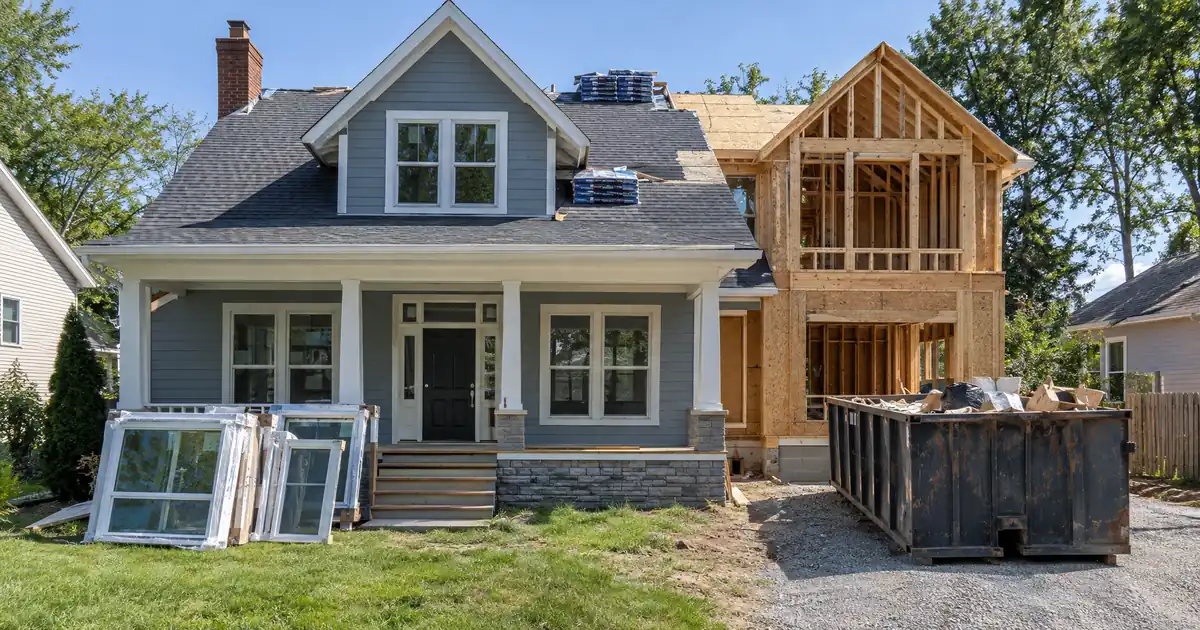
A bridge loan wins when the permanent path is closed for now. Picture a property mid-renovation, vacant between tenants, or bought recently enough that seasoning has not run. A rent test cannot be passed today, and the partner still needs an answer.
Bridge underwriting looks at three things: collateral value, the borrower’s plan, and the exit. Typical network structures run 6-18 months, interest-only, with no prepayment penalty. Refinance leverage generally tops out around 65% of value. Credit starts at a 620 minimum, with added conditions below 660. Loan amounts run up to $5,000,000, and smaller balances vary by lender. Collateral is 1-4 unit non-owner-occupied residential. All of this varies by lender, property, and experience.
Notice the leverage gap. A bridge refinance usually sizes lower than a DSCR cash-out. Rerun the modeled example above at 65%: after payoff and costs, only about 12% of value remains. A partner owed 20% is not covered. A bridge helps when time is the problem. It does not fix an equity shortfall.
The real cost of a bridge is the second closing. You pay for a temporary loan now, then pay again to refinance later.
Many investors refinance out of a bridge loan into long-term DSCR investor loans once the property is leased and stabilized, and Lendmire brokers that path. Plan that exit before you sign the bridge, not after.
Skip the bridge if the property is already leased and seasoned. You would be paying for a second loan you do not need.
Sequence Matters More Than Product
The most expensive mistakes come from moving title too early. Federal law lets a lender enforce a due-on-sale clause under 12 U.S.C. § 1701j-3. The clause lets the lender call the loan if the property, or an interest in it, is transferred without written consent.
In practice, that points to a safer order:
1. Settle what the partner holds, in writing.
2. Pay off the old loan, or get written consent to the change.
3. Then assign interests or record the new deed.
A deed does not release anyone from a note. Only a payoff, a refinance, or a lender-approved assumption does. A deeded co-owner on the old loan stays liable until one of those happens. An LLC member, by contrast, usually exits by assignment or redemption, which often leaves title untouched.
Entity vesting works with both loans, subject to lender program eligibility. Expect operating agreements, articles, an EIN, and good standing papers. Multi-member LLCs may need more than the majority owner to sign a guaranty.
DSCR vs. conventional financing
There are two common ways to finance an investment property, and they qualify you differently — here’s how investors weigh them.
Why investors choose it
- Qualifies on the property’s rental income — no personal tax returns, W-2s, or pay stubs needed to document income.
- No personal debt-to-income ceiling to clear, so existing mortgages and obligations don’t cap your borrowing the same way.
- Can be closed in an LLC, keeping the property inside a business entity.
- Built for scaling — not held to the limit on number of financed properties that conventional financing applies.
- Underwriting centers on the deal: generally qualifies when the rent covers the payment, a 1.00x coverage ratio being a common baseline (confirmed in underwriting).
- Designed specifically for investment property, including long-term and, where the program allows, short-term rentals.
Where it’s strong
- Often the lowest ongoing financing cost for a buyer who fully qualifies on personal income — a fit for a first property or a cost-first purchase.
Trade-offs for investors
- Requires full personal income documentation and must fit within a debt-to-income limit — salary, existing debts, and other mortgages all count.
- Typically held in your personal name rather than a business entity.
- Caps how many financed properties you can carry, which can become a ceiling as a portfolio grows.
- Evaluates you as a borrower as much as the property, which usually means more paperwork.
How investors usually choose: a first or single property often optimizes for the lowest financing cost; portfolio builders often optimize for leverage, vesting in an LLC, and scaling past conventional caps. The right answer depends on your goals, the property, and current guidelines — both paths run through select lenders in Lendmire’s wholesale network, with eligibility and terms confirmed in underwriting.
Three Questions That Pick the Loan
Honestly, the decision comes down to three tests:
- Can the property pass a rent test today? If it is leased and stabilized, DSCR stays in play. If not, the bridge may be the only door.
- Has the ownership clock run? Seasoning is lender policy, not law. Inside the window, a cash-out may not fund the payout at all.
- Does the equity cover the payout? Appraised value times the leverage cap, minus payoff and costs, must exceed what the partner is owed.
If all three answers are yes, DSCR cash-out usually pencils better. If the first or second is no, a bridge may buy time, with a second refinance to follow. If the third is no, neither loan solves the problem. Consider a phased buyout, added cash, a smaller partner share, or a sale. Lendmire’s piece Cash-Out Refinance vs Selling the Rental When a Partner Wants Out covers that last route.
What Brokers See in These Files
Partner exits rarely fail on the loan product. They fail on a mismatch between the partner’s deadline and the property’s readiness. Across a wide set of lenders, the same pattern repeats: the appraisal drives sizing, a lower value shrinks the loan, and the partner’s claim stays fixed. Files that survive tend to set one payout figure tied to the appraisal, name who pays closing costs, and give each side a way to dispute value. That matters more than which product is chosen.
Reserves deserve a mention too. They vary by lender, leverage, loan size, and transaction type. Many DSCR files carry about 6 months of PITIA, conservative rate-term files at modest leverage under $1,500,000 can see reserves waived, and larger loans typically step up to about 9 months.
Verdict
For a leased, seasoned property with enough equity, DSCR cash-out is usually the cleaner answer. One permanent loan pays the partner and ends the deadline pressure. For a property that cannot pass a rent test, or sits inside the seasoning window, a bridge may fill the gap, provided the exit is realistic and you accept two sets of costs.
If the equity does not cover the payout, no product fixes that. Re-size the deal first.
If you are buying out a partner on an investment property and want to see how the numbers work, Lendmire can help you compare DSCR cash-out and bridge options based on the property, the exit plan, leverage, and your goals. Reach the team at 828-256-2183 or request a quote.
Frequently Asked Questions
Can a DSCR cash-out pay off a private lender and a partner in one loan?
Often, yes, if the equity and rent coverage both clear. The new loan pays off the old one, covers costs, and sends the remainder to the partner. A cash-out generally tops out around 75% LTV on standard rentals, so the payout must fit inside that after payoff and costs.
Does paying my partner remove them from the LLC?
Not by itself. Only an assignment, a redemption, or a written release removes a member. The payment and the paperwork are separate steps. Counsel should draft both before funds move.
What if the property is vacant or under renovation?
A DSCR file is a poor fit, because rent cannot be tested. A bridge loan can cover that gap, since it leans on value, the plan, and the exit. The catch is a second refinance later, so confirm the property can be leased and stabilized before the bridge matures.
Does a bigger down payment fix a weak coverage ratio?
It can lift the ratio by shrinking the loan. It does not erase leverage caps, credit floors, reserve rules, or property eligibility. The strongest files clear both tests: enough equity and enough rental coverage.
Will the partner owe taxes on the payout?
Possibly, depending on how the interest is structured and sold. Tax treatment varies, so both sides should speak with a qualified professional before signing.
About Lendmire
Lendmire (NMLS# 2371349), a non-QM mortgage broker serving investors in 41 markets including Washington, D.C., helps structure DSCR scenarios commonly evaluated around a property’s rental income rather than personal income paperwork, subject to lender guidelines. A Scotsman Guide Top Mortgage Workplace in 2025 and 2026, Lendmire places loans through wholesale investor lenders and is not a direct lender.
Get Started
Ready to find the right loan for you?
In about 30 seconds you can review financing options available for your investment property. No commitment required.
Informational only. Not a Loan Estimate, approval, or commitment to lend. Program availability and eligibility are subject to lender guidelines, credit approval, property review, and underwriting.
References
1. Amini & Conant, How to Buyout a Business Partner (Part 2)
2. CFPB, 12 CFR 1026.3 (Reg Z exempt transactions)
3. House Office of the Law Revision Counsel, 12 U.S.C. 1701j-3
This article is part of Lendmire’s hard money loan program — full qualification details, guidelines, and scenarios live on the program page.
Related reading: How to Refinance Out of Hard Money at Cost and Cash Out Later · How to Cash Out One Short-Term Rental to Buy in Another Market · Rental Cash-Out Refinance Closing and Entity Rules in Several States
Brandon Miller
Founder & CEO, Mortgage Loan Originator, Lendmire LLC
- Mortgage Loan Originator · NMLS# 1129696 · Verify on NMLS Consumer Access
- North Carolina Real Estate Broker · License# 343312 · Verify on NCREC
- North Carolina Insurance Producer · License# 19053198 · Property, Casualty, Life, Health · Verify on NAIC SBS
- Lendmire LLC · Firm NMLS# 2371349 · Verify firm licensure
Disclosure information. Lendmire is a state-licensed mortgage brokerage under NMLS# 2371349. Lendmire is not a depository institution, direct lender, or financial advisor — all loans referenced are placed through wholesale lender partners and are subject to each lender's underwriting standards. This article is provided for general informational purposes and is not a commitment to lend, nor does it constitute financial, legal, or tax advice. Loan programs, terms, rates, and qualification standards change without notice and depend on borrower profile, property type, and the state in which the subject property is located. Equal Housing Opportunity provider. NMLS Consumer Access: nmlsconsumeraccess.org.