
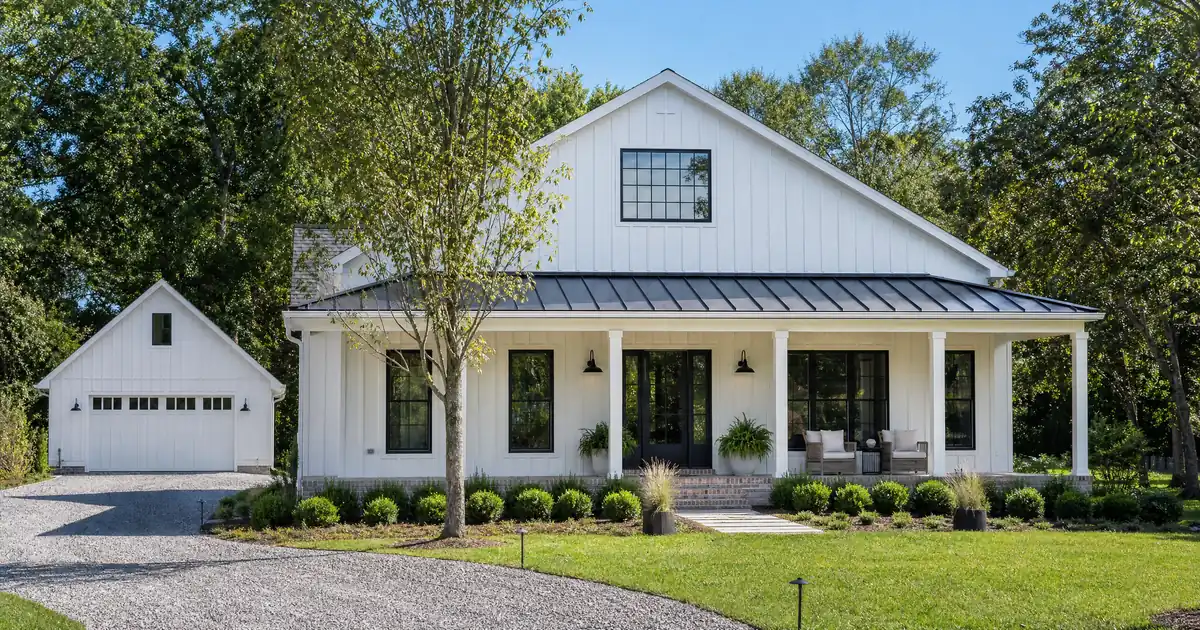
The Quick Read: Yes. Refinancing a rental property is a routine transaction, and investors do it constantly — to lower a payment, swap loan terms, or pull equity out for the next deal. The catch is that a rental refinance is underwritten as a business-purpose loan, not a personal mortgage, so the rules, the leverage ceilings, and the paperwork all look different from refinancing the house you live in. Most programs qualify the file on what the property earns in rent rather than your traditional personal-income documentation, and how much you can borrow depends on your coverage ratio, your credit, and how the property is titled.
For the full mechanics of how these loans work start to finish — qualification, documentation, property types — Lendmire’s complete DSCR loans guide covers it in one place. The rest of this piece breaks down the specific question: what actually determines whether your refinance works, and on what terms.
DSCR Calculator
Run the numbers in your market
Rate source: Freddie Mac 30-yr average via FRED® — Federal Reserve Bank of St. Louis · effective Aug 20, 2026
Prefilled with starting assumptions — enter your own rent or nightly figures, taxes, insurance, and HOA for a more accurate picture.
Program parameters update from Lendmire’s centralized guideline source. Taxes and insurance are editable estimates.
As of Aug 20, 2026 · General Freddie Mac market benchmark, not a Lendmire loan offer. Rent, nightly rate, occupancy, taxes, and insurance are editable estimates. Short-term rental figures are estimates only and vary significantly by season, property type, management approach, and local short-term-rental rules — confirm local regulations before relying on them. Qualifying income for short-term rentals varies by program — some use appraisal market rent, others use documented STR history or projections — and is confirmed in underwriting. Not a Loan Estimate, approval, or commitment to lend. Program availability and eligibility are subject to lender guidelines, credit approval, property review, and underwriting.
Key Terms Defined
A few terms come up constantly in this conversation. Get comfortable with them and the rest of this article reads a lot faster.
DSCR (Debt Service Coverage Ratio) — the number a lender gets by dividing the property’s monthly rent by its full monthly payment (principal, interest, taxes, insurance, and any dues). A ratio above 1.00 means the rent covers the payment; below 1.00 means it doesn’t, on paper.
LTV (Loan-to-Value) — the loan amount expressed as a percentage of the property’s appraised value. Lower LTV means more equity in the deal and usually easier qualification.
Cash-out refinance — a new loan that pays off the existing mortgage and gives the owner the difference in cash, based on the property’s current value and equity.
Rate-and-term refinance — a new loan that replaces the existing one without pulling cash out; the goal is usually a different loan term or structure, not extra money in hand.
Seasoning — the minimum amount of time a lender wants an owner to have held title to a property before allowing certain transactions, most often cash-out refinancing.
Business-purpose loan — a loan made for an investment or commercial reason rather than to buy or refinance a home the borrower lives in; this classification is what allows DSCR loans to skip personal-income underwriting.
Reserves — extra cash, typically counted in months of PITIA, that a lender wants to see in the borrower’s accounts after closing as a cushion.
What Counts as an “Investment Property” for Refinance Purposes
An investment property, for refinance purposes, is any property the owner doesn’t occupy as a primary or secondary residence — a single-family rental, a duplex through fourplex, a condo, or a small multifamily building held for income. What it is not occupied as matters more than what it is: a house you moved out of and now rent out qualifies the same as one you bought purely as a rental.
Not every property type clears the bar, though. Manufactured homes — both single- and double-wide — along with log homes and barndominiums fall outside DSCR investment loan programs entirely across the network Lendmire works with. That’s a firm eligibility line, not a pricing adjustment, so it’s worth confirming property type before assuming a refinance is on the table.
Related reading: Lendmire’s coverage of whether you can refinance an investment property and its broader guide to refinancing an investment property walk through closely related versions of this same question, and Lendmire’s overview of investment property refinance programs covers them end to end.
Rate-and-Term vs. Cash-Out: What’s the Actual Difference?
Both are refinances. One hands you money at closing; the other doesn’t. That’s the whole distinction, but it drives everything else — how much equity you need, how fast you can do it, and what a lender wants to see.
| Factor | Rate-and-Term | Cash-Out |
|---|---|---|
| Cash to owner at closing | None | Yes, based on equity and coverage |
| Typical LTV ceiling | Generally more flexible | Capped around 75% on most files |
| Ownership seasoning | Often more flexible | Roughly 6 months is common |
| New loan balance | Similar to current payoff | Higher than current payoff |
| Best fit | Restructuring the loan itself | Funding the next purchase or project |
Rate-and-term refinancing is the lower-friction option because no equity is leaving the property — lenders treat it with more flexibility on how long you need to have owned the place. Cash-out is where the real underwriting scrutiny shows up, because the lender is handing over cash secured by the property’s equity.
How Much Equity and Coverage Do You Need?
On a cash-out refinance, most programs across the wholesale network cap leverage around 75% LTV — meaning roughly a quarter of the property’s value needs to stay in as equity after the new loan funds. Purchase-side leverage runs higher (commonly 75%–80%, with select high-leverage programs reaching 85% for borrowers with credit near 700 or better), but refinancing pulls that ceiling in tighter, especially when cash is coming out.
Seasoning matters here too. Most lenders want to see roughly six months of ownership before allowing cash out at all. That clock generally starts at the recorded closing date, not when you started renting the unit.
On the income side, coverage is what really moves the file. A DSCR floor of 1.00 is where a number of programs start — it’s a floor for specific programs, not a rule every lender uses, and stronger coverage tends to open better leverage and pricing tiers. Credit plays a similar role: a 620 floor exists in parts of the network, most programs are looking for something closer to 660, and crossing into 700-plus territory tends to unlock the strongest leverage available.
Reserves round out the picture. Across most files, lenders want roughly six months of PITIA sitting in reserve after closing, stepping up toward nine months on loans above about $1,500,000. Conservative rate-and-term refinances at modest leverage below that threshold sometimes see reserves waived entirely — it varies by lender, loan size, and transaction type, so it’s not something to assume either way. Standard loan sizes on the investment-property side of the network run up to roughly $3,000,000, and above about $2,500,000, structures generally settle into 30-year fixed terms rather than shorter or adjustable options.
A handful of states carry their own overlays worth knowing about. In Connecticut, Florida, Illinois, and New Jersey, purchase-side LTV often caps near 75%, with loan amounts in those states frequently held around $2,000,000. Texas has its own long-standing rules governing cash-out refinancing that operate a little differently — Lendmire’s guide to Texas cash-out refinancing on investment property is worth a look if the property sits there.
Why Rental Property Refinancing Runs on a Different Rulebook
Here’s the part that trips people up who’ve only refinanced a home they live in: a rental property loan is classified as a business-purpose loan, not a personal one. DSCR loans are built for non-owner-occupied investment properties, and because they’re business-purpose investor loans, they get reviewed differently from a standard owner-occupied mortgage. That classification is spelled out in Regulation Z, the rule governing consumer lending disclosures, and confirmed in compliance guidance published by Doss Law. Practically, that means DSCR refinances are exempt from the standard consumer disclosure and closing-timeline rules that apply to your own home — no mandatory waiting period built into the closing process the way there would be on a primary-residence refinance.
Agency-backed refinancing works on a different clock entirely. Fannie Mae typically requires about 12 months of ownership before an existing loan can be paid off through a cash-out refinance, with narrow exceptions for inherited property or a divorce-related transfer, according to the Fannie Mae Selling Guide. DSCR programs aren’t bound by that rule at all — they run on lender-specific, non-agency guidelines instead, which is exactly why the shorter seasoning windows described above exist.
This distinction isn’t a fringe corner of the mortgage market anymore, either. Non-QM lending — the category DSCR loans sit under — has grown into a mainstream channel: HousingWire, citing investment-bank data, projects non-QM originations climbing to roughly $175 billion, up from about $108 billion, driven largely by DSCR and investor lending. Separately, HousingWire reported that non-QM securitization volume hit a record high, with DSCR loans making up roughly 30% of that volume.
What Does the Refinance Process Actually Look Like?
Five steps, in order. Skipping the first one is the most common way an investor wastes time on a file that was never going to work.
1. Check ownership length and equity. Confirm how long you’ve held title and get a rough sense of current value against the existing loan balance.
2. Pull the rent picture together. Current lease, or a market rent estimate if the unit is vacant or you’re planning a rent adjustment.
3. Order the appraisal. A licensed appraiser sets current market value and typically completes a rental income schedule documenting market rent for underwriting.
4. Underwriting reviews the file. Coverage ratio, credit, reserves, title, and property eligibility all get checked against program guidelines.
5. Closing. Loan documents sign, the existing loan gets paid off, and — on a cash-out transaction — proceeds are disbursed per the program’s requirements.
Because DSCR files skip personal income underwriting, this process tends to move on a different track than a W-2-driven refinance — less back-and-forth over pay stubs and tax transcripts, more focus on the property itself.
What Documents Will the Lender Want?
Lighter than a personal mortgage, but not paperwork-free. Expect to provide:
- Current lease agreement, or a market rent analysis if the unit is vacant
- Property tax and insurance information
- Entity documents if title is held in an LLC or corporation (operating agreement, EIN, good-standing certificate)
- A recent mortgage statement on the existing loan
- Bank statements to document reserves
- Credit authorization for the guarantor behind the loan
What’s usually absent: pay stubs, W-2s, and traditional personal-income documentation. The qualification runs primarily on the property’s rental income covering the payment, subject to lender guidelines — not on your personal employment history.
Can You Refinance a Rental Property Held in an LLC?
Yes, and it’s common. Many investors title rental property in an LLC for liability separation, then refinance it that way too. DSCR programs are built for entity ownership — the loan is reviewed on what the property earns, so an LLC without its own credit file isn’t automatically disqualifying. Lenders still look at the guarantor behind the entity, usually the managing member, for credit and background, and title generally needs to have been held in the LLC’s name for the seasoning clock to run. Moving a property from personal name into an entity as part of the refinance is doable but worth flagging with the lender early, since it can affect how ownership history gets counted. Lendmire’s guide to refinancing an investment property held in a corporation walks through the entity-specific mechanics in more detail.
In practice, files on properties that recently moved between an owner’s personal name and an LLC are some of the trickiest to season correctly — title history and seasoning don’t always transfer cleanly across that change, and it’s a detail that gets missed until an underwriter flags it. Getting title structure settled before shopping rates saves a round-trip on most of these files.
What If the Rent Doesn’t Fully Cover the Payment?
Coverage below 1.00 doesn’t automatically close the door. Loans below that level are available through select lenders in the network, with leverage and terms adjusted to offset the thinner margin — usually a lower LTV, sometimes a different pricing tier. Separately, some borrowers who already own a primary residence may qualify through a no-ratio structure, available only through select lenders, where the property’s rent isn’t measured against the payment at all. Neither path is offered everywhere, and neither is guaranteed — stronger coverage simply opens more lenders and better terms.
It’s also worth being precise about what “clearing 1.00” actually means. DSCR compares rent to the PITIA payment only. It says nothing about vacancy, repairs, property management fees, or capital expenses — a property that clears 1.05 on paper isn’t necessarily cash-flowing once those real costs are counted against it.
Refinancing a Short-Term Rental
Short-term rental refinances run on their own set of numbers, distinct from a standard long-term rental file. Purchase leverage on an STR tops out around 75% LTV. Refinance leverage sits lower, generally closer to 70%, and cash-out refinances land in that same neighborhood. Lenders typically want roughly 12 months of hosting history, a credit score of 640 or better, and coverage that clears 1.00 on the purchase side. On the refinance side, lenders are typically looking for coverage at or above 1.00 as well, evaluated on its own terms for that transaction.
If the property doesn’t have a full year of booking history yet, expect the file to lean more heavily on market rental comparables than on the property’s own trailing revenue. Short-term rental rules can vary by city, county, HOA, and property type, so confirming local rules before relying on projected income matters here more than on a standard rental.
Refinancing Multiple Properties at Once
Investors with several rentals sometimes want to refinance more than one at a time — to consolidate smaller balances, standardize terms, or pull equity from multiple properties to fund the next purchase. Portfolio-style DSCR refinancing is generally underwritten property by property even when it closes as a single transaction: each property still has to clear its own coverage ratio and its own LTV limit, and reserves are typically calculated across the whole group rather than one file at a time. Some investors use this structure specifically to fund a purchase with equity pulled from properties they already own; Lendmire’s page on using a cash-out refinance to buy another investment property covers how that sequencing generally works, and Lendmire’s guide to tapping equity from a rental property covers the mechanics from the equity side.
Should You Refinance Now, or Wait?
Three questions decide this — not the headlines. How long do you plan to hold the property? What will the cash-out proceeds actually fund? And does pulling equity now help or hurt your ability to qualify for the next deal?
A cash-out refinance raises the loan balance on the property being refinanced, which can tighten that property’s own coverage ratio. If you’re financing other properties conventionally, a higher balance can also affect debt-to-income calculations on future personal loans. On DSCR-qualified purchases, though, personal DTI typically isn’t part of the equation the same way — the new purchase gets evaluated on its own rental income. That’s one reason investors scaling a portfolio often prefer to keep growth on DSCR financing rather than mixing it with conventional, income-based loans.
Hold time matters too. Refinancing shortly before a planned sale rarely pencils out once closing costs are factored in. Refinancing a property you plan to hold for years gives the new terms time to actually work in your favor.
Tax treatment can depend on how the funds are used and how the property is held; investors should keep clear records and speak with a qualified tax professional before relying on any deduction.
If you’re weighing whether to refinance a rental property — for cash flow, cash-out toward the next deal, or a cleaner loan structure — Lendmire (NMLS# 2371349) arranges DSCR investor loans through select lenders across a wholesale network spanning 40 states plus Washington, D.C. The team can help compare options based on the property’s income, your credit profile, and where the deal fits your broader strategy. Reach Lendmire at 828-256-2183 or request a quote directly.
Loan approval is never guaranteed, and nothing here is a commitment to lend. Every scenario described here is subject to lender approval and to borrower, property, and program guidelines that can change. This article is general information, not financial, legal, or tax advice.
Frequently Asked Questions
Can I refinance an investment property I just bought?
For a rate-and-term refinance, often yes, since more lenders offer flexibility on ownership length when no cash is leaving the deal. For a cash-out refinance, most programs want roughly six months of ownership before cash-out becomes available, so a property bought a few weeks ago typically isn’t eligible for cash-out yet.
Can I refinance a rental property that’s titled in an LLC?
Yes — DSCR loans are built for entity ownership, and it’s a common structure across the network. The lender will still evaluate the guarantor behind the LLC for credit and background, and title generally needs to have been seasoned in the entity’s name for standard seasoning timelines to apply.
Can I refinance an FHA loan on an investment property?
Not with another FHA loan — FHA financing is designed for owner-occupied primary residences, so once a property becomes a rental, refinancing typically shifts to conventional or DSCR options rather than a second FHA loan. If the original FHA loan sits on a property you’ve since moved out of and now rent, a DSCR cash-out refinance is usually the more practical path since it is reviewed on the property’s rental income. Lendmire’s page on refinancing an FHA loan on an investment property covers that transition in more detail.
How much equity can I pull out with a cash-out refinance?
That depends on current value, the existing loan balance, and the property’s coverage ratio — but most cash-out programs across the network cap leverage around 75% LTV, meaning roughly a quarter of the property’s value needs to remain as equity after the new loan funds. Terms vary by lender guidelines, property type, leverage, credit profile, and full file review.
About Lendmire
Lendmire is a non-QM mortgage brokerage (NMLS# 2371349) arranging DSCR investor loans in 41 markets, including Washington, D.C. DSCR eligibility is generally reviewed around property-level rental income rather than personal income, subject to lender and program guidelines, making it a fit for self-employed investors and LLC-owned portfolios. Lendmire was recognized as a Scotsman Guide Top Mortgage Workplace in 2025 and 2026.
Get Started
Ready to find the right loan for you?
In about 30 seconds you can review financing options available for your investment property. No commitment required.
Informational only. Not a Loan Estimate, approval, or commitment to lend. Program availability and eligibility are subject to lender guidelines, credit approval, property review, and underwriting.
References
1. Consumer Financial Protection Bureau — Regulation Z, 12 CFR § 1026.3
2. Doss Law — Business Purpose Exemption Simplified
3. Fannie Mae Selling Guide — B2-1.3-03, Cash-Out Refinance Transactions
4. HousingWire — Non-QM Originations Projected to Reach $175 Billion
5. HousingWire — DSCR Loan Demand Drives Non-QM Securitization Volume
This article is part of Lendmire’s DSCR loan program — full qualification details, guidelines, and scenarios live on the program page.
Related reading: Business Refinance Investment Property · Can I Refinance A Rental Property? · How A Founder Can Refinance A Former Home Into A Jumbo DSCR Rental Loan?
Brandon Miller
Founder & CEO, Mortgage Loan Originator, Lendmire LLC
- Mortgage Loan Originator · NMLS# 1129696 · Verify on NMLS Consumer Access
- North Carolina Real Estate Broker · License# 343312 · Verify on NCREC
- North Carolina Insurance Producer · License# 19053198 · Property, Casualty, Life, Health · Verify on NAIC SBS
- Lendmire LLC · Firm NMLS# 2371349 · Verify firm licensure
Disclosure information. Lendmire is a state-licensed mortgage brokerage under NMLS# 2371349. Lendmire is not a depository institution, direct lender, or financial advisor — all loans referenced are placed through wholesale lender partners and are subject to each lender's underwriting standards. This article is provided for general informational purposes and is not a commitment to lend, nor does it constitute financial, legal, or tax advice. Loan programs, terms, rates, and qualification standards change without notice and depend on borrower profile, property type, and the state in which the subject property is located. Equal Housing Opportunity provider. NMLS Consumer Access: nmlsconsumeraccess.org.