
The Quick Read: On a 2–4 unit DSCR cash-out refinance, you document rental income with a signed lease and proof of payment for every unit, plus an appraiser’s market rent schedule, and the lender typically counts the lower of the two figures. Coverage is then measured against the full monthly obligation on the new loan, subject to lender guidelines.
- Each unit needs its own lease, rent roll line, and proof the rent is actually paid.
- The appraiser’s rent schedule for the whole building sets a ceiling on what counts, so above-market leases rarely help.
- Across the wholesale network, cash-out refinances top out around 75% LTV on standard rentals, with about 6 months of seasoning.
- Rent and equity both have to work. Strong coverage does not override the leverage cap, and a large equity cushion does not rescue thin coverage.
- No traditional personal-income documentation is the point of the program. Lease, rent, entity, and reserve documents are still required. Terms vary by lender guidelines, property type, leverage, credit profile, and full file review.
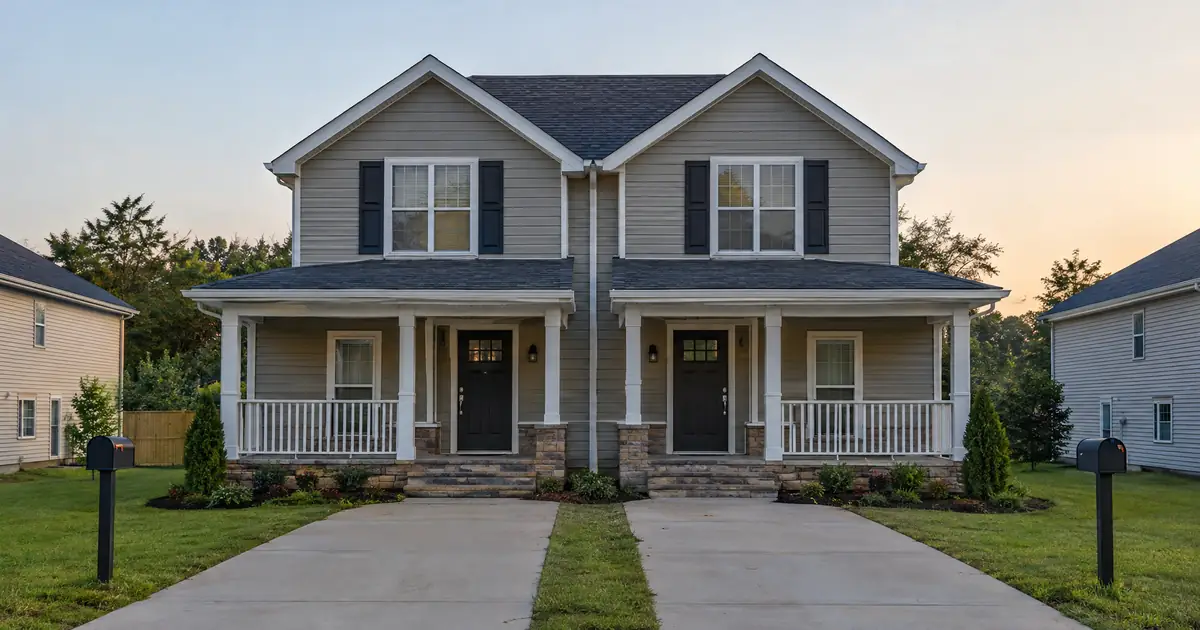
A duplex, triplex, or fourplex gets underwritten one unit at a time. That is the mechanic most borrowers miss, and it drives almost every documentation question that follows. This article walks through the process start to finish, then covers the edge cases where the usual rule bends. For the bigger picture on how these loans work, see the complete DSCR loans guide.
DSCR Cash-Out Calculator
Run the cash-out numbers in your market
Rate source: Freddie Mac 30-yr average via FRED® — Federal Reserve Bank of St. Louis · effective Oct 8, 2026
Prefilled with starting assumptions — enter your property’s value, balance, taxes, and insurance for a more accurate picture.
Program parameters update from Lendmire’s centralized guideline source. Taxes and insurance are editable estimates.
As of Oct 8, 2026 · General Freddie Mac market benchmark, not a Lendmire loan offer. Property value, balance, taxes, and insurance are editable estimates. Maximum loan-to-value varies by lender, program, property type, and seasoning. Not a Loan Estimate, approval, or commitment to lend. Program availability and eligibility are subject to lender guidelines, credit approval, property review, and underwriting.
How Does Underwriting Actually Treat Rent on a 2–4 Unit?
Underwriting adds up the rent used for lender review for every unit, then divides that total by the new loan’s PITIA: principal, interest, taxes, insurance, and any HOA dues. The result is the DSCR. Each unit is evidenced separately, and each unit’s figure is usually the lower of lease rent and market rent.
The appraisal is where market rent comes from. For two- to four-unit properties, the appraiser uses the Small Residential Income Property Appraisal Report, known as Form 1025, which Fannie Mae’s Selling Guide lists as the report for this property type. The same form is also published by Freddie Mac as Form 72, and Fannie Mae hosts the Form 1025 PDF. DSCR loans are not agency products, so those forms matter here only as the appraisal vehicle. The loan rules come from the lenders in the network, not from the agencies.
Here is the sequence on a typical file:
1. The appraiser completes the 1025, which carries a value opinion and a rent schedule for each unit. 2. The borrower supplies a lease for each unit and a rent roll. 3. Proof of rent paid is requested, usually bank statements or deposit records. 4. Underwriting compares each unit’s lease rent to the appraiser’s market rent and uses the lower figure. 5. The unit figures are summed and divided by PITIA. 6. The ratio is compared with the program’s coverage floor.
Two constraints then run side by side. Value sets the loan-size cap through LTV. Rent sets the coverage cap through the DSCR. Whichever is tighter limits the loan.
Which Documents Does Each Unit Need?
Every rented unit needs a signed lease, a rent roll line, and evidence the rent is being paid. Vacant units rely on the appraiser’s market rent. The documents should agree with each other on tenant names, rent amounts, landlord name, and dates.
A per-unit checklist for a fourplex looks like this:
| Document | What it proves | Common snag |
|---|---|---|
| Signed lease | Rent amount and term | Expired or unsigned |
| Rent roll | All units on one page | Doesn’t match leases |
| Bank deposits | Rent is actually paid | Cash or manager-held funds |
| Appraisal rent schedule | Market rent per unit | Lower than the lease |
Most programs we place files with ask for the lease and rent roll up front. Proof of payment is commonly requested as well, and some lenders in the network lean on it harder than others. The rent roll should be one clean page with unit number, tenant, rent, lease start, and lease end. A property manager’s statement works well here, because it often shows the rent collected and the owner payout in one place.
Owner-occupied units are a separate question. DSCR loans are designed for non-owner-occupied investment properties, so the owner-occupied house-hack structure generally belongs on a different loan type. A cash-out on a building where every unit is held as a rental is the clean fit. Because these are business-purpose investor loans, they are reviewed differently from a standard owner-occupied mortgage.
Lease Versus Market Rent: Which Number Counts?
When the property is leased, the lender typically uses the lower of in-place lease rent and the appraiser’s market rent, as this practitioner guide to DSCR loans describes. The logic is protective. A lease signed above market may not renew at that level, so the underwriter won’t count the extra.
That produces a few outcomes worth working through.
Lease above market. The ratio uses the lower market figure. A tenant paying a premium doesn’t raise coverage.
Lease below market. The ratio uses the lease. A long-term tenant on an old rent pulls coverage down even when the unit would rent for more today.
Rent raised right before the refinance. The increase may not count beyond the appraised market rent, and a new lease at a higher figure may draw a request for proof of payment.
Vacant unit. There is no lease, so the appraiser’s market rent carries that unit.
Month-to-month or expired lease. Market rent often governs, but this varies by program. Ask which rent basis a given lender uses before you commit to a quote.
Here is why this matters when comparing offers. Some programs use the lease, some use appraisal rent, and some use the lower of the two. The same building can show different coverage under each, which means a different maximum loan. Quotes only compare cleanly when they are on the same rent basis.
Key Terms Defined
Rent roll: A one-page schedule listing every unit, its tenant, its rent, and its lease dates.
Market rent: The rent the appraiser estimates a unit would command, shown on the appraisal’s rent schedule.
PITIA: Principal, interest, taxes, insurance, and any HOA dues on the new loan.
DSCR: rent used for lender review divided by PITIA; it measures whether the property’s income covers its own payment.
Seasoning: The ownership period required before a cash-out refinance, about 6 months from title recording across most of the network.
Form 1025: The appraisal report for two- to four-unit properties, which includes a rent schedule for each unit.
A Worked Example With Ratios, Not Dollars
Picture a fourplex held in an LLC, subject to lender program eligibility. Three units have signed leases and consistent deposits. The fourth sits vacant after a turnover.
The appraiser’s rent schedule puts market rent on all four units. For the three leased units, two leases sit slightly under market and one sits slightly over. Underwriting takes the lease figure on the two below-market units, and the lower market figure on the one above-market unit. For the vacant unit, it takes the market rent.
Add those four figures, divide by the full PITIA on the new loan, and the building lands near 1.15x. That clears a 1.00 baseline with a modest cushion. Now suppose the owner had also pushed one lease up shortly before applying. The extra rent wouldn’t count past market, so the ratio stays put.
Now imagine the same building with two vacant units. The appraiser’s rent covers them on paper, but the total coverage might slide toward borderline territory, and underwriting may ask when the units will be leased. That is the vacancy question in practice.
If coverage drifts under 1.00, there are paths. A separate select-lender path takes coverage below 1.00 with leverage and terms adjusted. Other options include a lower loan amount or interest-only structuring, which select lenders in the network offer. Qualification remains subject to lender guidelines, credit approval, and property review.
Keep this in mind: clearing 1.00 does not mean positive cash flow. DSCR compares rent to PITIA only. Repairs, vacancy, management, utilities, and capital expenses sit outside the calculation.
Where the Basic Rule Breaks
The lower-of rule works for ordinary long-term rentals. These situations are where it bends.
Short-term rental units. Form 1025 measures monthly rent, not nightly rates, so the lender decides how short-term income is treated. McKissock’s appraisal education blog notes that the appraiser documents rent while the lender determines how income is counted. Within the network, short-term rental cash-outs run at a lower ceiling of 70% LTV, versus 75% on standard long-term rentals, and typically want a 640+ score and about 12 months of hosting history. Short-term rental rules can vary by city, county, HOA, and property type, so investors should confirm local rules before relying on projected rental income.
Five or more units. These are generally treated as commercial and underwritten on net operating income rather than gross rent. One BiggerPockets forum discussion describes the split, with one- to four-unit buildings using gross rent. This article covers the 2–4 unit lane only.
Operating income statements. Some appraisals pair the 1025 with an operating income statement. When one is requested, expect it to be reconciled against your rent roll and deposits.
Entity and vesting mismatches. If the building sits in an LLC, the landlord name on leases and the account receiving deposits should match the vesting. A tenant paying a personal account when the property is entity-owned is the kind of mismatch that stalls a file.
Cash-paying tenants. Without a deposit trail, proof of payment gets harder. Start depositing rent into a business account well before applying, since a trail needs time to build.
Ineligible property types. Manufactured homes, log homes, and barndominiums are not offered in the network’s DSCR programs, regardless of how well the rent is documented.
How Do You Fix a Mismatch Before Submitting?
Reconcile the paperwork before the underwriter does. A mismatch is rarely fatal, but it generates questions that cost time. Line up the lease, rent roll, deposits, and appraisal rent for each unit and explain any gap in a short letter.
| Situation | Likely cause | Fix |
|---|---|---|
| Deposit lower than lease | Concession or partial payment | Written explanation |
| Deposit higher than lease | Added fees or utilities | Itemize the difference |
| Rent roll differs from leases | Outdated roll | Rebuild from current leases |
| Deposits go to a manager | Management agreement | Provide the manager’s statement |
| Lease expired | Month-to-month holdover | Provide a signed renewal or note |
Concessions deserve a mention. A free month or reduced first month can make deposits look thin against the lease. A one-paragraph note naming the unit, the concession, and the dates is usually enough.
A practitioner’s note on what we see: files on small multifamily tend to stall on the same two items, expired leases and deposits that don’t line up with the rent roll. Fixing both before submitting is almost always easier than answering questions afterward. Rolling expired leases into short renewals and cleaning up the rent roll costs little and removes a common reason for follow-up requests.
What Does the Investor Decision Look Like?
The decision turns on two tests that both have to pass: enough rental coverage and enough equity. A cash-out refinance on standard rentals tops out around 75% LTV across most of the network, so available proceeds depend on value, the existing balance, and what the rent can support. It is not a guaranteed cash figure. Exact terms depend on the lender’s guidelines, property type, leverage, and a full review of the borrower’s file.
Other parameters commonly in play, framed as typical ranges and always subject to lender guidelines:
- Coverage of 1.00 is where many select programs start.
- Credit scores of 660 are common, with a 620 floor in parts of the network and 700+ for the strongest leverage tiers.
- Reserves of about 6 months of PITIA are typical, stepping up to about 9 months on loans above $1,500,000.
- Loan amounts reach up to $3,000,000 on standard programs.
If the numbers are tight, the investor has real choices. Wait for a vacant unit to lease, lower the loan amount, or evaluate a different structure. Lendmire’s piece Should You Cash-Out Refinance a 2-4 Unit Rental or Hold Off? covers the timing question.
Tax treatment can depend on how the funds are used and how the property is held; investors should keep clear records and speak with a qualified tax professional before relying on any deduction.
Frequently Asked Questions
Do I need traditional personal-income documentation to document rental income on a DSCR cash-out?
Generally no. The loan is reviewed primarily on property-level rental income covering the payment, subject to lender guidelines, so W-2s and traditional personal-income documentation are not the focus. Leases, rent proof, the rent roll, entity documents, and reserve statements still are.
What if one unit is vacant during the refinance?
The appraiser’s market rent carries that unit in the coverage calculation. A single vacancy usually doesn’t end the file, but it does reduce the cushion if the other units sit near market. Leasing the unit first, when practical, tends to improve the ratio.
Will a higher lease help my coverage?
Typically not beyond market rent. Under the lower-of approach, a lease above the appraiser’s figure is capped at the market number. A lease below market does pull the ratio down, so underpriced units are the ones worth examining.
Does the appraiser decide my rental income?
No. The appraiser documents market rent on the 1025, and the lender decides how income is counted. That is why two programs can produce different coverage on the same building.
Can I count short-term rental income on a 2–4 unit?
Sometimes, depending on program. Short-term rental collateral carries its own leverage and history requirements, including a 70% cash-out ceiling, and the lender decides how the income is treated. Standard long-term rentals run up to 75% on a cash-out. Every figure here varies by lender and program — guidelines, property type, leverage, and credit profile all apply.
If you are buying or refinancing a rental property and want to see how the numbers work, Lendmire can help you compare DSCR loan options based on the property income, credit profile, leverage, and investor goals. Reach the team at 828-256-2183 or request a quote.
For the mechanics of pulling equity out of a rental property, see Lendmire’s guide to cash-out refinance on an investment property.
About Lendmire
A DSCR-focused mortgage broker, Lendmire (NMLS# 2371349) places investor financing across 41 markets — 40 states plus Washington, D.C. — with DSCR eligibility generally reviewed by the lender on property cash flow instead of traditional income documentation, subject to lender guidelines. Scotsman Guide named Lendmire a Top Mortgage Workplace in 2025 and 2026.
Get Started
Ready to find the right loan for you?
In about 30 seconds you can review financing options available for your investment property. No commitment required.
Informational only. Not a Loan Estimate, approval, or commitment to lend. Program availability and eligibility are subject to lender guidelines, credit approval, property review, and underwriting.
References
1. Fannie Mae Selling Guide B4-1.2-01
2. Fannie Mae-hosted Form 1025 PDF (also Freddie Mac Form 72)
3. RentalRealEstate.com DSCR guide
This article is part of Lendmire’s investment property cash-out refinance program — full qualification details, guidelines, and scenarios live on the program page.
Related reading: Cash-Out Refinance Title Requirements on an Inherited Tenanted Rental · Probate and Title Requirements for an LLC-Held Inherited Rental Refinance · How to Stress-Test DSCR on a Short-Term Rental Cash-Out Refinance
Brandon Miller
Founder & CEO, Mortgage Loan Originator, Lendmire LLC
- Mortgage Loan Originator · NMLS# 1129696 · Verify on NMLS Consumer Access
- North Carolina Real Estate Broker · License# 343312 · Verify on NCREC
- North Carolina Insurance Producer · License# 19053198 · Property, Casualty, Life, Health · Verify on NAIC SBS
- Lendmire LLC · Firm NMLS# 2371349 · Verify firm licensure
Compliance and disclosures. Lendmire (NMLS# 2371349) is a licensed mortgage broker and is not a direct lender, depository institution, financial advisor, or tax professional. Content in this article is general market analysis and educational information — not financial, legal, or tax advice for any specific situation. Lendmire does not guarantee loan approval; every transaction is subject to underwriting by the funding lender. Mortgage pricing and loan program guidelines are subject to change at any time without notice and vary by borrower characteristics, property type, and state regulations. Lendmire complies with Equal Housing Opportunity. Licensure verification: NMLS Consumer Access.