
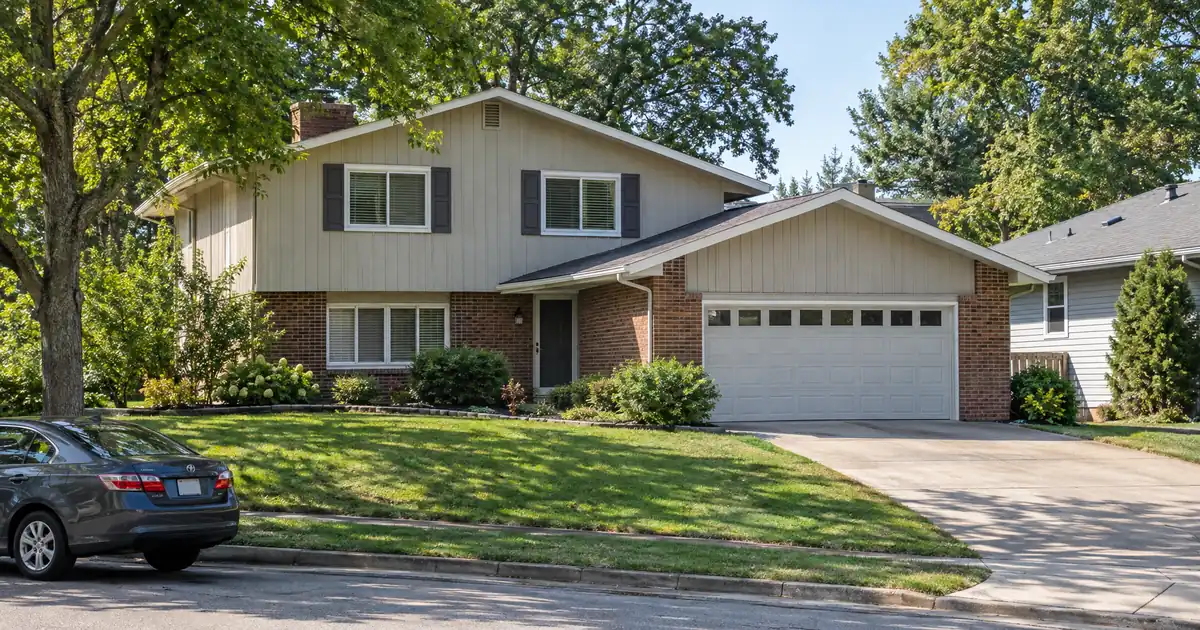
The Quick Read: Usually, yes, once the listing is formally withdrawn, because a past listing does not permanently bar a rental from a cash-out refinance. How long you must wait after pulling it is lender policy, not a universal rule, and it varies across the lenders in a wholesale network. Being a first-time equity puller does not change how the property is judged.
- A withdrawn listing is cleaner than an expired one, and the date should be documented in writing.
- Cash-out on a standard rental tops out around 75% LTV across most of the network.
- About 6 months of seasoning is the common expectation, and reserves commonly run around 6 months of PITIA.
- Rent coverage, title history, and listing history drive the file, not whether this is your first cash-out.
- Start the delisting clock before you need the money. It is the biggest lever you control.
Picture a landlord who listed a fourplex, got lowball offers, and decided to hold. Now the same landlord wants to pull equity to fund the next purchase. The question is whether the lender sees a rental owner or a seller in disguise.
DSCR Cash-Out Calculator
Run the cash-out numbers in your market
Rate source: Freddie Mac 30-yr average via FRED® — Federal Reserve Bank of St. Louis · effective Oct 8, 2026
Prefilled with starting assumptions — enter your property’s value, balance, taxes, and insurance for a more accurate picture.
Program parameters update from Lendmire’s centralized guideline source. Taxes and insurance are editable estimates.
As of Oct 8, 2026 · General Freddie Mac market benchmark, not a Lendmire loan offer. Property value, balance, taxes, and insurance are editable estimates. Maximum loan-to-value varies by lender, program, property type, and seasoning. Not a Loan Estimate, approval, or commitment to lend. Program availability and eligibility are subject to lender guidelines, credit approval, property review, and underwriting.
Why Does a Listing Make Lenders Nervous?
A lender worries that a recently listed property is an exit in progress. If you plan to sell, the loan could be paid off within months, and the lender loses the income it priced in. That is the whole concern. It is a business risk, not a moral judgment.
On an owner-occupied loan, the worry also touches occupancy, since the borrower promises to live there. DSCR loans are designed for non-owner-occupied investment properties. Because they are business-purpose investor loans, they are reviewed differently from a standard owner-occupied mortgage. The question is not “do you live there?” It is “are you keeping this asset, and does the rent cover the payment?”
Underwriters read the listing history. Expect them to see when the property was listed, at what price, and how the listing ended. Hiding it is not a strategy. A clear explanation is.
Key Terms Defined
DSCR (debt service coverage ratio): monthly rent divided by the full monthly housing payment. It is the core test on a DSCR loan.
PITIA: principal, interest, taxes, insurance, and any association dues. This is the payment the rent has to cover.
LTV (loan-to-value): the loan amount as a percentage of the property’s value.
Cash-out refinance: a new loan that pays off the old one and hands you the extra equity as cash.
Seasoning: the waiting period a lender wants between two events, such as buying the property and refinancing it, or delisting it and refinancing it.
Withdrawn, expired, and delisted: a withdrawn listing is cancelled by you or your agent on a known date. An expired one simply runs out. Delisted is the everyday word for any listing that is off the market.
Disbursement: the day loan funds are released at closing.
What Does “Off the Market” Actually Have to Mean?
It means the property is no longer being offered for sale, and you can prove it. A formal withdrawal with a date is the strongest version. The status the underwriter reads in the listing record is what counts, so make sure it matches your paperwork.
| Listing status | How a lender may read it | What helps |
|---|---|---|
| Formally withdrawn or cancelled | Cleanest signal of intent to hold | Written cancellation with a date |
| Expired | Acceptable, but intent is less clear | Short letter explaining the decision |
| Marked temporarily off market | Often read as still for sale | Convert to a full withdrawal |
| Sold-by-owner sign or non-MLS listing | Still a listing in practice | Remove it and document removal |
| Relisted after a short gap | Restarts the clock | Wait, then reapply |
A for-sale sign in the yard counts even if no agent was involved. A lender who sees any active effort to sell will treat the property as still on the market.
Timing has two checkpoints. Some lenders want the listing gone before they take the application. Others only need it gone by funding. Assume the stricter version and plan around it.
How Does This Differ From Agency Rules?
The agency rulebook gives useful contrast, but it does not govern DSCR loans. The Fannie Mae Selling Guide says a property that was listed for sale must be off the market on or before the new loan’s disbursement date. It sets no minimum wait after delisting. The baseline conventional rule is “off the market by funding,” not “wait X months.”
Investor lenders write their own policies. Some add a post-delisting wait on cash-outs. Others do not. Across the network, we see this vary file by file, which is exactly why lender matching matters more than your credit story.
| Factor | Agency conventional loan | DSCR cash-out through the network |
|---|---|---|
| Who sets the rule | Published guide | Each lender’s written program |
| Listing requirement | Off market by disbursement | Often off before application |
| Wait after delisting | None stated | Varies by lender |
| What drives approval | Borrower income and credit | Rental income covering the payment |
What Are the Real Program Numbers?
Here is what we see across most programs we place files with. Cash-out refinance tops out around 75% LTV on a standard rental. For a short-term rental, cash-out is typically capped around 70%, so do not mix the two ceilings. About 6 months of seasoning is the common expectation.
On coverage, 1.00 is where many select programs start. A separate select-lender path takes coverage below 1.00, with leverage and terms adjusted. Stronger ratios open better pricing and leverage.
Credit works in tiers. A 620 floor exists in parts of the network, most programs want around 660, and 700 or higher unlocks the strongest leverage. Loan sizes run up to $3,000,000 on standard programs. Reserves vary by lender, leverage, and loan size. They commonly sit around 6 months of PITIA, and loans above $1,500,000 typically step up to about 9 months.
One caution matters. Clearing 1.00 does not mean positive cash flow. DSCR compares rent to PITIA only. Repairs, vacancy, management, utilities, and capital expenses sit outside the calculation. All of this is subject to lender guidelines, and none of it is a commitment to lend. For the full picture, see the complete DSCR loans guide.
What Does the Delist-to-Funding Timeline Look Like?
Think in order of events, not dates. Day zero is the withdrawal. Everything else follows from it.
1. Withdraw the listing in writing. Get the cancellation from the listing agent with a date.
2. Confirm the status changed. Check that the listing record shows withdrawn, not temporarily off market.
3. Let any lender waiting period run. If your lender wants a gap after delisting, this is where it sits.
4. Apply. Submit the file with the withdrawal proof and a short explanation.
5. Appraisal and rent review. The appraiser documents market rent on the rent schedule form, Form 1007 for a single-family home or Form 1025 for two to four units.
6. Funding. The listing must be gone, with no new listing in between.
A relisting resets the story. The prior listing stays visible, and the clock restarts from the new off-market date.
What Should a First-Time Equity Puller Expect?
Expect the same file as anyone else. The lender does not run a special track for first-time cash-out borrowers, because underwriting runs on the property: rent coverage, title history, and listing history.
Gather these before you apply:
- Written listing withdrawal with the date
- Current lease or leases, or evidence of market rent
- Proof of ownership and how title is held
- Insurance, tax, and any association dues for the PITIA math
- A short letter explaining why you listed and why you are holding
Be honest in that letter. Legitimate reasons are common: offers came in below your target, a buyer fell through, or your plan changed. Mismatched stories sink files. If your letter says you always meant to hold but the listing says otherwise, the underwriter will notice.
One practical point on title. If you hold the property in an LLC, qualification centers on the guarantor and the rent, subject to lender program eligibility. Confirm how any deed transfer affects the seasoning clock before you move title.
How Does Seasoning Change the Loan Size?
Seasoning decides your value basis. Inside the seasoning window, some programs size the loan on your cost rather than appraised value. After the window, they size on appraised value. Waiting can raise the loan ceiling, but it delays the cash.
On title, the agency rule requires one borrower to be on title at least six months before disbursement, with exceptions for inheritance, a legal award, and delayed financing, per the Fannie Mae Selling Guide. Agency policy also wants the existing first mortgage to be at least 12 months old, measured note date to note date, per the Fannie Mae SEL-2023-01 announcement. That is contrast only. DSCR seasoning is lender policy.
Two edge cases come up often:
- All-cash buyers. The agency delayed-financing exception waives the six-month title wait for an arm’s-length cash purchase, with the new loan limited to what was documented as paid. A property listed before that purchase still has to clear the listing rule.
- Hard-money or bridge purchases. A lien at purchase generally breaks the delayed-financing test. Lender treatment varies, so ask before you assume.
A payoff-only refinance generally gets lighter treatment than a cash-out. That is a broker observation, and it varies by lender.
Tenants, Leases, and the Appraisal
A listing and a lease can collide. Showing a tenant-occupied unit disrupts the tenant, and a lender may ask whether the tenant knew about a possible sale. Keep the lease intact and current. A signed lease at a documented rent supports the coverage number.
The appraiser also sees the old list price. A prior ask can act as a practical ceiling in the appraiser’s mind, though value rests on comparable sales and underwriter review. Do not assume the old price helps or hurts. Assume it is visible.
One property category is simply not offered. DSCR is not available on manufactured homes, log homes, or barndominiums.
Should You Refinance, Wait, Use a HELOC, or Sell?
It depends on what you need the money for and how soon. Investment-property HELOC lines cap at $500,000 total, and a recent listing can complicate that product too. If you are unsure whether holding makes sense at all, Lendmire’s piece Should a First-Time Equity Puller Sell Rather Than Cash Out a Rental walks through that decision.
| Your situation | Likely best move |
|---|---|
| Listing is recent, cash not urgent | Wait out the lender’s gap, then refinance |
| Strong coverage, delisted a while ago | Apply for cash-out now |
| Need cash soon, window not met | Consider a HELOC or a rate-and-term payoff |
| Listing failed and plan is unclear | Decide sell or hold before borrowing |
Run a breakeven check. Refinancing costs money. If you will sell within a short time anyway, those costs may not pay back. A bigger down payment or stronger rent does not shorten a lender’s waiting period. It improves coverage, but it never erases leverage caps, credit floors, or reserve rules.
Common Mistakes That Sink the File
- Relisting too soon after a refinance application starts
- Leaving an old agent listing active without realizing it
- Marking the property temporarily off market instead of withdrawing it
- Telling the lender one story while the listing record tells another
- Combining a short delisting window, a recent hard-money purchase, and thin rent coverage
- Waiting until you need funds before pulling the listing
What About Tax Treatment When the Property Was Recently Listed?
Tax treatment can depend on how the funds are used and how the property is held; investors should keep clear records and speak with a qualified tax professional before relying on any deduction.
If you are buying or refinancing a rental property and want to see how the numbers work, Lendmire can help you compare DSCR loan options based on the property income, credit profile, leverage, and investor goals. Lendmire is a broker arranging financing through select lenders in a 41-market footprint, including Washington, D.C.
Frequently Asked Questions
Can I refinance while the rental is still actively listed?
Rarely. Most lenders want the listing withdrawn before they take the application, and the agency baseline requires it off the market by funding at the latest. Pull the listing in writing first, then apply.
Does a withdrawn listing look different from an expired one?
Yes. A withdrawn listing with a documented date signals a deliberate decision to hold. An expired listing is usually acceptable but leaves intent less clear, so a short explanation letter helps.
Is there a federal waiting period after delisting?
No. The agency rule asks only that the listing be off the market by disbursement. Any wait after that is a lender’s own policy, and it varies, which is why matching the file to the right lender matters.
Does a for-sale-by-owner sign count as a listing?
Yes. Lenders look at whether you were actively trying to sell, not just whether an agent was involved. Remove the sign and document that you did.
Does being a first-time equity puller change the outcome?
Not by itself. Underwriting looks at rent coverage, title history, listing history, and leverage. A strong file with a clean withdrawal reads the same whether it is your first cash-out or your fifth, subject to lender guidelines.
About Lendmire
A DSCR-focused mortgage broker, Lendmire (NMLS# 2371349) places investor financing across 41 markets — 40 states plus Washington, D.C. — with DSCR eligibility generally reviewed by the lender on property cash flow instead of tax returns, subject to lender guidelines. Scotsman Guide named Lendmire a Top Mortgage Workplace in 2025 and 2026.
Get Started
Ready to find the right loan for you?
In about 30 seconds you can review financing options available for your investment property. No commitment required.
Informational only. Not a Loan Estimate, approval, or commitment to lend. Program availability and eligibility are subject to lender guidelines, credit approval, property review, and underwriting.
References
1. Fannie Mae Selling Guide B2-1.3-03
2. Fannie Mae SEL-2023-01 announcement
This article is part of Lendmire’s DSCR loan program — full qualification details, guidelines, and scenarios live on the program page.
Related reading: Can You Cash-Out Refinance a Rental That Was Recently Listed for Sale? · DSCR Cash-Out Waiting Period After a Listing Is Withdrawn · Should a First-Time Equity Puller Cash Out to Clear a HELOC?
Brandon Miller
Founder & CEO, Mortgage Loan Originator, Lendmire LLC
- Mortgage Loan Originator · NMLS# 1129696 · Verify on NMLS Consumer Access
- North Carolina Real Estate Broker · License# 343312 · Verify on NCREC
- North Carolina Insurance Producer · License# 19053198 · Property, Casualty, Life, Health · Verify on NAIC SBS
- Lendmire LLC · Firm NMLS# 2371349 · Verify firm licensure
Legal disclosures. Lendmire (NMLS# 2371349) is a state-licensed mortgage brokerage that arranges financing through wholesale lender relationships. Lendmire is not a direct lender, depository institution, or registered financial advisor. The discussion above is general informational content about real estate financing — it is not financial, legal, or tax advice, and readers should consult licensed professionals for guidance on their individual circumstances. Loan inquiries are subject to lender underwriting; this article does not represent a commitment to lend. Loan terms, rates, and qualification standards vary by borrower, property, and state, and are subject to change at any time. Equal Housing Opportunity. NMLS Consumer Access: nmlsconsumeraccess.org.