
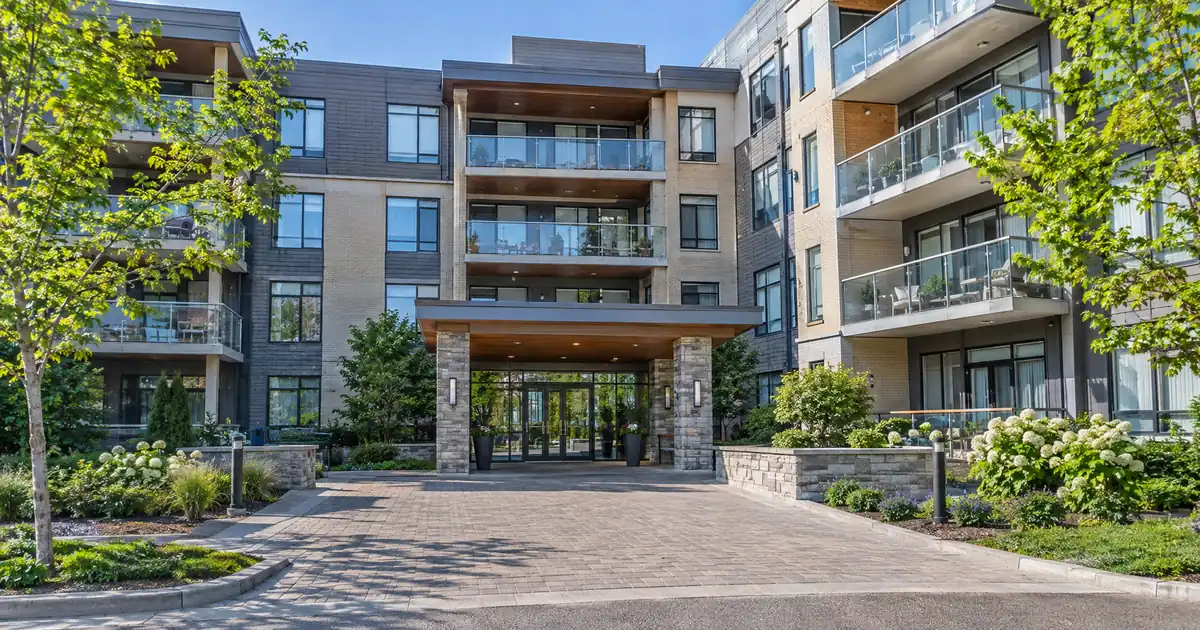
The Quick Read: You do this by closing a new first-lien loan that pays off both the old first mortgage and the HELOC. Nothing gets merged. One lien and one payment replace two, and on a condo the building gets reviewed along with the unit.
- Lenders treat the payoff as a cash-out refinance by structure, even when no cash comes back to you.
- On a rental condo, this is typically a DSCR cash-out refinance, qualified primarily on rent covering the payment, subject to lender guidelines.
- Your old first mortgage’s terms disappear, so check what you are giving up before you combine.
- The HOA questionnaire and the building’s warrantable status can shape leverage and eligibility.
- The HELOC must be paid off or subordinated. The line must also be formally closed.
What “One Loan” Actually Means
Two loans cannot be fused. A new lender originates a fresh first mortgage, and the title company uses the proceeds to pay off the old first and the HELOC. After closing, one lien sits on the condo.
How large a line the equity supports.
An equity line is sized by combined loan-to-value, occupancy, and credit — not by rental coverage. Switch the occupancy or the credit band and the ceiling moves with it.
Investment-property lines require a 700 minimum credit score; second-home lines start at a 640 minimum and primary-residence lines at 600, and the combined-LTV ceiling steps down as the credit band drops on primary-residence and second-home lines and holds on investment-property lines; the line cap steps down on primary-residence lines and holds at every tier on investment-property and second-home lines.
A debt-to-income ratio above 45% requires 680+ credit. Profiles under 640 are limited to single-family homes. At least 75% of the approved line is drawn at closing. Ceilings, floors, and caps update from Lendmire’s centralized guideline source.
Line estimate
Illustrative estimate only — not a quote, Loan Estimate, approval, or commitment to lend. The rate is an editable assumption; equity-line pricing is variable through both the draw and repayment periods and never converts to fixed. Occupancy and credit drive the ceiling together: an investment property tops out at 70% combined LTV (minimum credit 700, line cap $500,000); a second home tops out at 90% combined LTV (minimum credit 640, line cap $500,000), with the ceiling stepping down as the credit band drops (the cap holds at every tier); a primary residence tops out at 90% combined LTV (minimum credit 600), and its $750,000 maximum line is available only at 75% combined LTV or below with a 700-or-better credit profile (720 on the longer-runway program) and a full appraisal. Lines above $500,000 require a full appraisal. Credit, debt-to-income, property type, and full underwriting review all affect the final line.
Because the new loan is larger than the old first mortgage, lenders classify it as a cash-out refinance. That classification matters. Cash-out files carry lower leverage caps and tighter coverage tests than rate-and-term files. Across most of the network Lendmire works with, cash-out tops out around 75% LTV on a standard rental, and about 6 months of seasoning is the common expectation. Short-term-rental collateral is tighter, at 70% on a cash-out. Leverage, reserves, and pricing vary by lender and program; the final terms follow the full file review.
DSCR loans are designed for non-owner-occupied investment properties. Because they are business-purpose investor loans, they are reviewed differently from a standard owner-occupied mortgage. If you want the full mechanics behind the ratio, the complete DSCR loans guide covers them.
Key Terms Defined
DSCR (debt service coverage ratio): monthly rent divided by the full monthly payment on the loan. That payment includes principal, interest, taxes, insurance, and HOA dues.
PITIA: principal, interest, taxes, insurance, and association dues. On a condo, the “A” can be large.
Subordination: a signed agreement where the HELOC lender lets the new first mortgage rank ahead of the line.
Warrantable condo: a building that meets agency eligibility rules. A non-warrantable building fails them. That is a financing label, not a defect in the property.
Seasoning: the waiting period a lender wants between buying a property and refinancing it.
LTV and CLTV: loan-to-value is the loan divided by the property’s value. Combined loan-to-value adds every lien on the property.
Why a Condo Changes the File
On a single-family house, the lender studies you and the house. On a condo, the lender also studies the building. Two files run side by side.
The appraisal is unit-specific. The program rules are the lender’s own.
The HOA or project questionnaire feeds the collateral decision. It asks about the budget, reserves, litigation, investor concentration, delinquent dues, commercial space, and rental restrictions. Any of these can change the answer.
Here is the part that trips people up. A non-warrantable building does not mean no DSCR loan. It means no agency loan. Many such buildings finance on a first lien under a DSCR lender’s own guidelines, usually with tighter terms. Common triggers are high investor concentration, one entity owning many units, late dues, active lawsuits, and too much commercial space.
Some features are hard stops. Condo-hotel features, mandatory rental pools, and time-share structures are typically off the table. Deed restrictions can be too. Manufactured homes, log homes, and barndominiums are not offered in the network’s DSCR programs at all.
HOA dues also sit in the denominator. A condo with high dues loses coverage faster than a single-family rental at the same rent. Expect the new, larger payment to be tested against rent with those dues included.
Many DSCR programs allow LLC vesting, subject to program terms. That is another reason a rental condo usually lands on a DSCR loan rather than a home equity product.
Three Tests Decide Your Loan Size
The new loan equals the first-mortgage payoff, plus the HELOC payoff, plus closing costs, plus any cash you want out. Then three tests cap it. Whichever is lowest wins.
Value. The appraisal sets the ceiling. At around 75% LTV on a standard-rental cash-out, a condo with thin equity may not cover both payoffs plus costs. Terms vary by lender guidelines, property type, leverage, credit profile, and full file review.
Rent coverage. Rent is measured against the new payment. Many select programs start at 1.00, and stronger ratios open better pricing and leverage. A separate select-lender path takes coverage below 1.00, with leverage and terms adjusted. A bigger loan means a bigger payment, so coverage can limit proceeds before equity does.
Seasoning. If you bought the unit recently, the lender may size the loan on cost or appraised value, whichever is lower, inside the window. This is lender policy. It is usually measured from the recorded deed date.
Other parameters apply as usual. Credit floors sit at 620 in parts of the network, most programs want around 660, and 700 or higher unlocks the strongest leverage tiers. Loan sizes run up to $3,000,000 on standard programs (smaller balances available through select lenders). Reserves commonly land around 6 months of PITIA, and they vary by lender, leverage, loan size, and transaction type. In many programs, the cash-out itself can count toward reserves. Every figure is subject to lender guidelines and full file review.
One warning. Clearing 1.00 is not the same as positive cash flow. DSCR compares rent to PITIA only. Repairs, vacancy, management, utilities, and capital expenses sit outside the calculation.
What Happens to the HELOC?
The HELOC is the piece most people underestimate. The reason is lien priority. Liens rank by recording date. When the old first is paid off and a new first records, the HELOC would jump into first position unless its holder signs a subordination agreement. No new lender will close behind a lien it did not plan for.
The CFPB explains that you may need your HELOC lender’s approval to refinance your first mortgage. The HELOC lender can refuse. If it does, you may need to pay off the line to refinance.
That leaves two routes:
- Subordinate the line. The HELOC stays, and the new first closes ahead of it. Approval is harder to get on a cash-out, because the first-lien balance is growing.
- Pay it off at closing. The new loan’s proceeds retire the line. This is the combine route, and it needs no consent from the junior lender.
If the line is small next to the new first, payoff usually beats subordination on cost and hassle. If the line is cheap and still useful, subordinating can make sense.
A HELOC is revolving, so every draw raises the payoff until the line is frozen. Effective Agents, a real-estate agent resource, advises freezing the line and working from the written payoff figure, not the statement balance. It also notes that early-closure fees can apply. Check your HELOC agreement for one.
Then confirm the line is formally closed after payoff. A line left open can still be drawn, and it can leave a junior lien hanging over the new first. Paying a balance to zero does not close the account.
Your Options Compared
Combining is one of several moves. Here is how they stack up on a condo.
| Option | What you end up with | Trade-off | Condo consideration |
|---|---|---|---|
| Combine into one new first | One lien, one payment | Old first’s terms reset | Building review applies |
| Refinance first, pay HELOC separately | Two debts, new first | HELOC still needs consent | Same building review |
| Keep HELOC via subordination | New first plus the line | Consent can be refused | Line lender sets its own rules |
| Replace HELOC with a new equity line | Old first plus new line | Variable pricing; limited states | Non-warrantable buildings can be eligible |
| Refinance only the HELOC | New debt, first untouched | Rolls into a new product | Collateral review still needed |
On that fourth row, Lendmire places standalone investment-property equity lines through select wholesale partners. On an investment property, those lines top out at 70% CLTV and $500,000, with a 700 minimum credit score. They are available only in Lendmire’s 16 full-service states. Title must sit with an individual or a revocable living trust, not an LLC. Condos, including non-warrantable ones, are eligible. Condotels are not.
Should You Combine? Run the Comparison First
Combining wins when simplicity matters. It also wins when a variable HELOC payment is a worry, or when the line’s balance is large next to the first mortgage. One servicer, one lien, and no payment jump when a draw period ends are real benefits.
It loses when your old first mortgage is the asset. A combined loan prices your whole balance at today’s terms. It also resets amortization, and most DSCR loans carry prepayment penalties, so factor that into your exit plan. If you have a cheap legacy first, Lendmire’s piece HELOC vs Cash-Out Refinance When You Have a Low First Mortgage walks through the trade-off.
Here is the comparison method that works. Take the weighted average cost of your two current loans, weighting each by balance. Compare it to the cost of one new loan on the combined balance. Then add the closing costs, which are generally higher on a cash-out than on a HELOC alone. Include any early-closure or prepayment fee on the old loans. If the new single loan does not beat the blend by enough to cover costs, skip it.
Honestly, this is a close call more often than people expect. A small HELOC balance next to a very cheap first often favors leaving the first alone and refinancing only the line. A large HELOC next to a modest first favors combining.
Some DSCR structures use interest-only periods or 40-year terms through select lenders. Those can lift the coverage ratio because qualification may run on interest, taxes, insurance, and dues alone. The payment resets later, so treat that as a timing choice, not free coverage.
Steps From Payoff Letters to Funding
1. Get written payoffs from the first-mortgage servicer and the HELOC lender. Freeze the line.
2. Size the loan against value, rent coverage, and seasoning.
3. Order the unit appraisal and rent schedule. The lender also requests the HOA questionnaire and building insurance.
4. Underwriting reviews credit, reserves, vesting, and the condo project together.
5. Title and payoff. The title company pays both old lenders from proceeds and gets the HELOC close-out authorization in writing.
6. Confirm closure. Ask for proof the line is closed and the lien released.
Any leftover funds go to you. In a pure consolidation, the benefit is structural, not cash.
Where the General Rule Breaks
The HELOC lender refuses to subordinate. Pay it off through the new loan. That removes the consent requirement.
No cash comes back. Some programs may treat a payoff-only loan as limited cash-out, with more leverage. The test turns on where closing money goes and whether the line was drawn recently. It is lender-specific, so confirm it in the program guidelines.
Coverage lands below 1.00. Sub-1.00 is available through select lenders in the network, with leverage and terms adjusted. A lender weighs it alongside credit, reserves, and the building review, and approval stays subject to lender guidelines.
The building is a condotel or heavy short-term rental. Expect tighter leverage and cash-out limits than a standard condo. Rental-pool structures can pull coverage down. The HOA must also permit short-term rentals if you count that income. Short-term rental rules vary by city, county, HOA, and property type, so confirm local rules before relying on projected income.
No-ratio structures. These are available only through select lenders, generally for borrowers who already own a primary residence.
The condo is held in an LLC. Fine for a DSCR loan, subject to program terms. It is not fine for an equity line, which needs a vesting change.
Tax treatment can depend on how the funds are used and how the property is held; investors should keep clear records and speak with a qualified tax professional before relying on any deduction.
Next Step
If you are weighing a home equity line against a cash-out refinance and want to see how the numbers work, Lendmire can help you compare options based on the condo, the equity available, credit profile, combined leverage, and your goals. Lendmire is a mortgage broker arranging DSCR loans through select lenders across 41 markets, including Washington, D.C. You can reach the team at 828-256-2183, or use the quote request page.
Frequently Asked Questions
Can I combine without taking cash out?
You can, but lenders still call it a cash-out refinance by structure because the new loan is larger than the old first. Confirm that in the specific program guidelines.
What if my HELOC lender refuses to cooperate?
Refusal is allowed. Pay the line off at closing from the new loan’s proceeds. That route needs no consent from the junior lender, though the appraised value and rent coverage must still support the larger balance.
Does a non-warrantable condo qualify?
A non-warrantable condo can qualify. Non-warrantable only means the building fails agency rules. Select DSCR lenders set their own guidelines and often finance such buildings on a first lien, usually with tighter terms and a full HOA questionnaire.
Will I lose the ability to borrow again?
Yes, on that line. A HELOC is revolving and is closed at payoff, so access ends with it. If you want revolving access later, a standalone investment-property line is a separate product. It caps at 70% CLTV on an investment property and $500,000 total, in 16 states.
Does combining reset my loan term?
Yes. The new loan replaces the old first’s rate and term and restarts amortization. DSCR programs build on a 30-year fixed spine. Extended terms and interest-only periods exist through select lenders, and adjustable structures are available if you want them.
About Lendmire
As a mortgage broker (NMLS# 2371349), Lendmire helps homeowners and real estate investors in its 16 full-service states open home equity lines of credit arranged through wholesale lenders. Lendmire is never the lender; line amounts, ceilings and terms are set by the lender under its guidelines. Scotsman Guide named Lendmire a Top Mortgage Workplace in both 2025 and 2026.
Get Started
Ready to find the right loan for you?
In about 30 seconds you can review financing options available for your home or investment property. No commitment required.
Informational only. Not a Loan Estimate, approval, or commitment to lend. Program availability and eligibility are subject to lender guidelines, credit approval, property review, and underwriting.
References
1. CFPB – Does a HELOC affect my ability to refinance my first mortgage loan?
2. Effective Agents – HELOC payoff at closing
This article is part of Lendmire’s home equity line of credit program — full qualification details, guidelines, and scenarios live on the program page.
Related reading: Refinance Payoff Rules for Combining a First Mortgage and a HELOC · Can a Refinance Combine Your HELOC and Still Give a Small Sum? · Can a Condo Owner Keep a Low First Mortgage and Open a HELOC?
Brandon Miller
Founder & CEO, Mortgage Loan Originator, Lendmire LLC
- Mortgage Loan Originator · NMLS# 1129696 · Verify on NMLS Consumer Access
- North Carolina Real Estate Broker · License# 343312 · Verify on NCREC
- North Carolina Insurance Producer · License# 19053198 · Property, Casualty, Life, Health · Verify on NAIC SBS
- Lendmire LLC · Firm NMLS# 2371349 · Verify firm licensure
Compliance and disclosures. Lendmire (NMLS# 2371349) is a licensed mortgage broker and is not a direct lender, depository institution, financial advisor, or tax professional. Content in this article is general market analysis and educational information — not financial, legal, or tax advice for any specific situation. Lendmire does not guarantee loan approval; every transaction is subject to underwriting by the funding lender. Mortgage pricing and loan program guidelines are subject to change at any time without notice and vary by borrower characteristics, property type, and state regulations. Lendmire complies with Equal Housing Opportunity. Licensure verification: NMLS Consumer Access.