
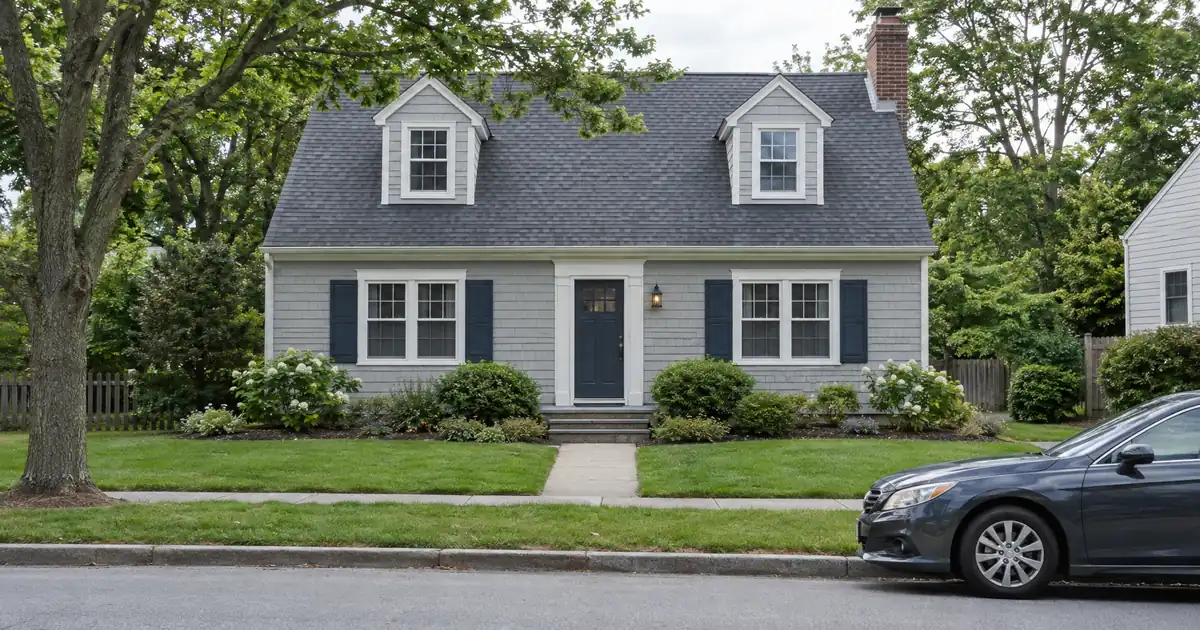
The Quick Read: A landlord can pull equity from a rental by replacing the existing mortgage with a larger loan and keeping the difference as cash, but the amount is set by value, rent coverage, and ownership time, and it arrives net of payoff and costs. Across most of the wholesale network, cash-out tops out around 75% LTV on a standard rental. Terms depend on the lender’s guidelines, the property type, the leverage, and a full review of the credit profile.
- Cash-out on a standard rental caps near 75% LTV, and about 6 months of ownership is the common expectation.
- The new, larger payment must still clear the coverage test, which starts at 1.00 on select programs.
- The appraiser’s rent opinion, not the lease alone, usually sets the rent figure.
- Reserves commonly run about 6 months of PITIA, stepping up to about 9 months above $1,500,000.
- Cash to the borrower is the new loan minus the old payoff, any prepayment penalty, and closing costs.
What a Rental Cash-Out Refinance Actually Is
A cash-out refinance pays off the current mortgage with a new, larger loan. The borrower receives the difference at closing. It is a borrowed sum, not a sale, so there is no sale and no gain recognized on the property.
DSCR Cash-Out Calculator
Run the cash-out numbers in your market
Rate source: Freddie Mac 30-yr average via FRED® — Federal Reserve Bank of St. Louis · effective Oct 8, 2026
Prefilled with starting assumptions — enter your property’s value, balance, taxes, and insurance for a more accurate picture.
Program parameters update from Lendmire’s centralized guideline source. Taxes and insurance are editable estimates.
As of Oct 8, 2026 · General Freddie Mac market benchmark, not a Lendmire loan offer. Property value, balance, taxes, and insurance are editable estimates. Maximum loan-to-value varies by lender, program, property type, and seasoning. Not a Loan Estimate, approval, or commitment to lend. Program availability and eligibility are subject to lender guidelines, credit approval, property review, and underwriting.
A DSCR cash-out qualifies primarily on property-level rental income covering the payment, subject to lender guidelines. Personal income documents carry less weight than they do on a consumer mortgage. The file still needs an appraisal, a lease, reserves documentation, entity documents if the property sits in an LLC, and a business-purpose certification.
The coverage ratio is monthly rent divided by the full monthly obligation: principal, interest, taxes, insurance, and any HOA dues. Rent of 1.2 times the obligation gives a 1.2 ratio. For the full mechanics of how the ratio works, see the complete DSCR loans guide.
How Underwriting Treats the File, Step by Step
The outcome follows a fixed sequence. Each step can shrink the check.
1. Eligibility screen. The property must be a non-owner-occupied rental. Ownership time is measured from the title recording date. Across the network, about 6 months is the usual seasoning expectation for cash-out. Manufactured homes, log homes, and barndominiums are not offered, so those files stop here.
2. Rent figure selection. Underwriting compares the appraiser’s market rent to the in-place lease. The borrower does not pick the number. When the lease runs above market, expect the lower figure to drive the ratio.
3. Recalculate coverage on the new payment. The bigger balance raises the monthly obligation, so the ratio usually falls versus the old loan. Rent divided by the new PITIA is the test.
4. Size the loan. Three limits apply, and the tightest wins: the value cap (75% of appraised value on a standard rental cash-out), the rent-coverage cap, and reserve requirements. The exact numbers vary by lender and program and follow a full review of property, leverage, and credit.
5. Net the proceeds. New loan, minus payoff of the old loan, minus any prepayment penalty, minus closing costs, equals cash in hand. This is the standard structure, not a guarantee of any figure.
6. Close and document the use of funds. Keep a paper trail of where the cash goes.
On Florida-style insurance swings or any market with a fast-moving premium, the quiet killer is a stale insurance quote. Coverage that pencils on the old premium can slip when the new quote lands. Current binders in the file before submission prevent that.
The Two Tests: Equity and Coverage
The strongest files clear both tests. Equity alone is not enough, and rent alone is not enough.
The value test is arithmetic. Take the appraised value, apply the 75% ceiling, subtract the current payoff. What remains is the maximum before costs.
The coverage test is where many files get cut. A landlord with plenty of equity but modest rent can find that the larger payment pushes the ratio under 1.00. Picture a duplex with deep equity and rent that sat at about 1.4x on the old loan. Pull the maximum, and the new payment could drop coverage toward the low 1.0 range. Pull less, and the ratio holds. Sizing backward from coverage, instead of forward from equity, is the discipline that keeps files approvable.
Coverage below 1.00 is available through select lenders in the network, with leverage and terms adjusted. It is a different path from the programs where 1.00 is the starting point, not the same program with a lower floor.
A larger down payment on a purchase lowers the payment and can lift the ratio. It never erases leverage caps, credit floors, reserve rules, or property eligibility. A cash-out is the same logic in reverse: more equity left in the property helps coverage.
Structures and Variations
Most files run on the 30-year fixed spine. Extended terms such as 40-year and interest-only periods are available through select lenders in the network, and adjustable structures exist for investors who want them. Above $2,500,000, the network generally holds to 30-year fixed.
Credit matters at the margins. A 620 floor exists in parts of the network, most programs want around 660, and 700 or higher opens the strongest leverage tiers. Loan sizes run up to $3,000,000 on standard programs, with smaller balances routed through select lenders.
| Factor | Standard rental cash-out | Short-term rental cash-out |
|---|---|---|
| Typical LTV ceiling | About 75% | About 70% |
| Rent basis | Appraiser’s 1007 rent | Booking history often used |
| History expected | Lease evidence | About 12 months hosting |
| Credit expectation | 620-700 tiers | 640+ |
| Coverage floor | 1.00 on select programs | 1.00 |
Short-term rentals deserve their own read. Many STR programs use booking history instead. Short-term rental rules can vary by city, county, HOA, and property type, so investors should confirm local rules before relying on projected rental income.
Where the General Rule Breaks
Recent cash buyers. A landlord who bought with cash and wants capital back fast runs into seasoning. Some lenders cap the new loan near documented acquisition cost rather than appraised value on a recent purchase. A hard-money or bridge purchase generally breaks that path. Settlement statements prove the purchase basis, so have them ready.
Prepayment penalty on the loan being paid off. The penalty comes out of the new loan’s proceeds, which shrinks the cash. Step-down schedules are common. Pull the payoff letter before sizing the loan, not after.
LLC-vested properties. Loans to entities are common, subject to lender program eligibility. The trap is timing. Moving a free-and-clear property into an LLC just before the refinance can raise title and seasoning questions. Entity documents, operating agreement, and good standing should be clean before the file goes in.
Vacant properties. Refinances generally want the property leased or occupied. A property between tenants invites a delay in underwriting, so line up lease evidence first.
Recently listed properties. Some programs restrict leverage or decline the file after a recent sale listing. Disclose it up front.
Converted residences. A home converted to a rental carries its own depreciation basis set at conversion, and a later cash-out does not reset it. A tax professional should confirm how that applies.
Why DSCR Is Not Cash Flow
A ratio above 1.00 means the rent covers PITIA. It does not mean the property cash flows. Repairs, vacancy, management, utilities, and capex all sit outside the calculation.
Investors who pull the maximum often feel this a year later. A bigger balance means a bigger payment, so monthly cash flow shrinks even when the ratio still clears. Many investors size below the ceiling for exactly that reason, keeping a cushion for a vacancy month or a roof.
Replacing the first lien also has a cost. If the current loan has a favorable fixed structure or a low balance, a cash-out gives that up. A HELOC leaves the first mortgage in place, though investment-property lines cap at $500,000 total. For a line-of-credit comparison, Lendmire’s piece Tapping Investment Property Equity With A Cash Out Refinance walks through the trade-offs.
Cash-Out, HELOC, or Hold: The Decision
| Option | Effect on current loan | Best fit | Trade-off |
|---|---|---|---|
| Cash-out refinance | Replaces it | Large capital need | Higher payment, new terms |
| Investment HELOC | Stays in place | Smaller, flexible need | $500,000 total cap |
| Sell | Pays it off | Exit or reallocation | Ends ownership |
| Hold | Unchanged | No capital need | Equity sits idle |
Chaining cash-outs adds risk. Treat each next purchase as a separate file with its own tests.
A working method: set the cash need first, then test the new payment against the appraiser’s rent, then confirm reserves cover about 6 months of PITIA on the new loan. Reserves step up to about 9 months on loans above $1,500,000. If the ratio, reserves, and a vacancy cushion all hold, the pull is sized correctly. If any one fails, pull less.
The Business-Purpose Frame
DSCR loans are designed for non-owner-occupied investment properties. Because they are business-purpose investor loans, they are reviewed differently from a standard owner-occupied mortgage. The federal bank regulators’ TILA examination guide exempts business, commercial, and agricultural credit from Regulation Z, and the ability-to-repay rule text treats investment-purpose loans as business-purpose. The exemption turns on the loan’s purpose, which is why lenders collect a business-purpose certification.
Tax treatment can depend on how the funds are used and how the property is held; investors should keep clear records and speak with a qualified tax professional before relying on any deduction.
Pre-Application Checklist
- Payoff letter for the current loan, showing any prepayment penalty
- Current lease, or lease evidence for each unit
- Entity documents if titled in an LLC
- Settlement statement showing the purchase date and basis
- Current insurance binder
- HOA or condo questionnaire if applicable
- Reserves documentation, such as recent asset statements
- Business-purpose certification
Missing entity documents and stale insurance are the preventable gaps that most often stall these files. Clean paper gives the lender less to review.
If you are buying or refinancing a rental property and want to see how the numbers work, Lendmire, a DSCR-focused mortgage broker with investor loan programs across 41 markets including Washington, D.C., can help you compare DSCR loan options based on the property income, credit profile, leverage, and investor goals. Qualification is subject to lender guidelines, credit approval, and property review. This is not a commitment to lend. Reach the team at 828-256-2183 or request a quote.
Key Terms Defined
Cash-out refinance: a new, larger loan that pays off the old one and returns the difference as cash.
LTV: loan-to-value, the loan balance divided by the appraised value.
DSCR: monthly rent used for lender review divided by the full monthly obligation.
PITIA: principal, interest, taxes, insurance, and any association dues.
Seasoning: the ownership period a lender expects before cash-out, measured from title recording.
Form 1007: the appraiser’s rent schedule, which estimates market rent on a long-term lease.
Frequently Asked Questions
Can I pull equity from a rental I already own?
Yes, on most standard programs, once ownership seasoning is met, usually about 6 months from title recording. The cash-out ceiling is about 75% LTV on a standard rental, and rent coverage on the new payment must still clear the program’s test.
Does my existing mortgage block a cash-out?
No. The new loan pays the old one off at closing, so an existing mortgage does not block a first pull. What matters is the payoff amount, any prepayment penalty, and whether the larger balance still fits the coverage and reserve tests.
Can I do it through an LLC?
Often yes, subject to lender program eligibility. The risk is a recent transfer into the entity, which can raise title and seasoning questions. Keep the operating agreement and good-standing documents current.
Will a cash-out hurt my monthly cash flow?
Almost always, because a bigger balance means a bigger payment. The ratio can still clear 1.00 while real cash flow shrinks, since repairs, vacancy, and management sit outside the calculation. Sizing below the maximum leaves a cushion.
Can I take cash out more than once?
Yes, but each pull raises the payment on that property and lowers its coverage. Each new purchase starts its own seasoning clock and is underwritten as a separate file.
For how equity extraction works on an investment property, see Lendmire’s guide to cash-out refinance on an investment property.
For current guidelines and terms, see Lendmire’s DSCR loan programs page.
About Lendmire
Lendmire is a non-QM mortgage brokerage (NMLS# 2371349) arranging DSCR investor loans in 41 markets, including Washington, D.C. DSCR eligibility is generally reviewed around property-level rental income rather than personal income, subject to lender and program guidelines, a fit for self-employed investors and LLC-owned portfolios. Lendmire was recognized as a Scotsman Guide Top Mortgage Workplace in 2025 and 2026.
Get Started
Ready to find the right loan for you?
In about 30 seconds you can review financing options available for your investment property. No commitment required.
Informational only. Not a Loan Estimate, approval, or commitment to lend. Program availability and eligibility are subject to lender guidelines, credit approval, property review, and underwriting.
References
1. Interagency TILA examination guide (OCC)
2. Federal Register, ability-to-repay final rule
This article is part of Lendmire’s investment property cash-out refinance program — full qualification details, guidelines, and scenarios live on the program page.
Related reading: Cash Out Refinance Rental Property Rules · Can You Get a Cash-Out Refinance on an LLC-Held Home? · Investment Property Cash-Out Refinance for Landlords Who Want No Cash Out
Brandon Miller
Founder & CEO, Mortgage Loan Originator, Lendmire LLC
- Mortgage Loan Originator · NMLS# 1129696 · Verify on NMLS Consumer Access
- North Carolina Real Estate Broker · License# 343312 · Verify on NCREC
- North Carolina Insurance Producer · License# 19053198 · Property, Casualty, Life, Health · Verify on NAIC SBS
- Lendmire LLC · Firm NMLS# 2371349 · Verify firm licensure
Legal disclosures. Lendmire (NMLS# 2371349) is a state-licensed mortgage brokerage that arranges financing through wholesale lender relationships. Lendmire is not a direct lender, depository institution, or registered financial advisor. The discussion above is general informational content about real estate financing — it is not financial, legal, or tax advice, and readers should consult licensed professionals for guidance on their individual circumstances. Loan inquiries are subject to lender underwriting; this article does not represent a commitment to lend. Loan terms, rates, and qualification standards vary by borrower, property, and state, and are subject to change at any time. Equal Housing Opportunity. NMLS Consumer Access: nmlsconsumeraccess.org.