
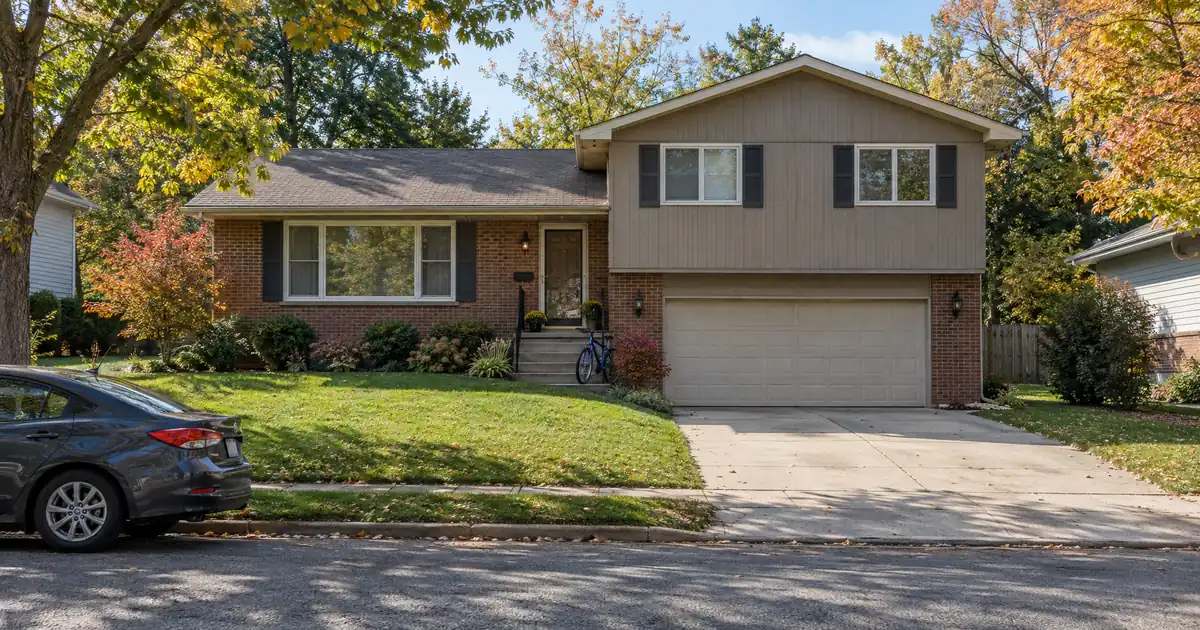
The Quick Read: You cannot move an inherited loan into your name. You refinance, which means a new loan pays off the old lien once legal title sits with you. Most DSCR lenders in Lendmire’s wholesale network want the deed recorded first, then a seasoning period measured from that recording.
- Title comes first. Probate, letters, and a recorded deed decide when you can apply.
- Seasoning typically runs from the recorded deed, not the date of death. About 6 months is the common expectation on a cash-out.
- Cash-out on a standard rental tops out around 75% LTV across most of the network, subject to lender guidelines.
- Qualification runs primarily on property-level rental income covering the payment, not on your traditional employment income.
- Clearing 1.00 coverage is not the same as positive cash flow.
What “Refinancing an Inherited Rental” Actually Means
There is no “transfer into your name” product. A refinance is a new loan. It pays off whatever lien the decedent left behind, or, if the property is free and clear, it pulls equity out against a property you now own.
DSCR Cash-Out Calculator
Run the cash-out numbers in your market
Rate source: Freddie Mac 30-yr average via FRED® — Federal Reserve Bank of St. Louis · effective Oct 15, 2026
Prefilled with starting assumptions — enter your property’s value, balance, taxes, and insurance for a more accurate picture.
Program parameters update from Lendmire’s centralized guideline source. Taxes and insurance are editable estimates.
As of Oct 15, 2026 · General Freddie Mac market benchmark, not a Lendmire loan offer. Property value, balance, taxes, and insurance are editable estimates. Maximum loan-to-value varies by lender, program, property type, and seasoning. Not a Loan Estimate, approval, or commitment to lend. Program availability and eligibility are subject to lender guidelines, credit approval, property review, and underwriting.
A DSCR loan is a business-purpose investor loan. It qualifies primarily on the property’s rent against its full monthly obligation (principal, interest, taxes, insurance, and any HOA dues), subject to lender guidelines. That structure suits heirs who already carry a day job and other mortgages, because personal debt-to-income is not the main test.
For the full mechanics of the product, see Lendmire’s complete DSCR loans guide.
Key Terms Defined
Seasoning: the minimum time you must have owned a property before a lender will cash you out of it.
Recorded deed: the deed filed with the county that puts title in your name. Lenders anchor the seasoning clock here.
Letters testamentary (or of administration): the court document that names a personal representative and gives them authority over estate property.
Cash-out refinance: a new loan larger than the payoff, with the difference paid to the borrower.
PITIA: principal, interest, taxes, insurance, and association dues. This is the full payment that rent is measured against.
Vesting: how title is held at closing, such as your personal name or an LLC.
Successor in interest: a person who has taken over ownership of a mortgaged home and is recognized by the servicer.
Can You Refinance Before the Deed Is in Your Name?
Usually not. Only someone with legal authority can pledge the property, and that is rarely an heir while probate is open.
Naming someone executor in a will does not appoint them. The court does. Until letters issue, the estate is the owner in practice. Title companies and banks often want certified copies of court documents issued recently, and a stale copy is a common reason a file stalls.
| Where title sits | What you can do now |
|---|---|
| Probate open, no letters yet | Wait. The heir has no refinanceable title. |
| Letters issued, deed still in decedent’s name | Personal representative can act for the estate. |
| Executor’s or representative’s deed recorded | Heir is on title. Seasoning clock starts. |
| Trust-held property | Trustee signs, within the trust’s terms. |
| Transfer-on-death deed recorded | Record it with the death certificate, then proceed. |
Keep the Old Loan, Assume It, or Refinance?
If the property carries a mortgage, you do not always have to act right away. Federal rules limit when a lender can call a loan due after certain transfers. The OCC’s rule at 12 CFR 191.5 bars enforcement of a due-on-sale clause on a transfer to a relative resulting from the borrower’s death.
Here is the catch for investors. The rule’s specific limitations apply to loans on a home occupied or to be occupied by the borrower, and the relative-on-death exemption likewise turns on the transferee occupying or intending to occupy the property. A parent’s investor loan on a rental may not get that protection. Reverse mortgages are carved out entirely.
So do not assume you can keep a parent’s investor loan. That protection, where it applies, preserves the old loan. It does not give you new financing and does not forgive the debt.
| Situation | Likely path | Main trade-off |
|---|---|---|
| Old loan is cheap, rent covers it | Keep paying, plan around the lender | Risk if the lender enforces; no equity access |
| You want cash or sole ownership | Refinance | Reprices the entire balance |
| Property is free and clear | Cash-out refinance after seasoning | New debt on an unencumbered asset |
| Co-heirs want out | Buyout refinance | Loan must cover the buyout |
On the servicer side, a confirmed successor in interest is generally treated as a borrower for servicing purposes under federal servicing rules. That lets an heir request payoff and account information even without assuming the loan. NCLC’s consumer credit library explains how a written request triggers the servicer’s duty to list the documents it needs. Ask for a payoff statement early. You will need it either way.
The Refinance, Step by Step
1. Establish authority and title. Gather letters, an executor’s or representative’s deed, a trust certification, or a recorded transfer-on-death deed with the death certificate. Pull certified copies close to the application date.
2. Record the deed. This is the lender’s seasoning anchor. The date of death does not start the clock. Recording does.
3. Clear title defects. The usual blockers are the decedent still on the deed, a missing or unknown heir, a title-insurer exception, and co-heirs who have not signed. Fix these before applying, not during review.
4. Choose vesting. Many DSCR loans close in an LLC with a personal guarantee. Others close in an individual’s name. For an heir, one closing can move title into an entity at the refinance. How each lender counts time held in an LLC varies, so ask before you deed anything.
5. Underwrite the property. The appraisal values the property today, not at the tax basis. Rent evidence is a lease or a market-rent schedule. The appraisal forms for this are the 1007 for single-family and the 1025 for 2-4 units. Coverage is monthly rent divided by PITIA.
6. Pay off the old lien. Order a payoff letter with per diem interest. A payoff-only file is treated differently from a cash-out file, so state your intent up front.
7. Close. Title confirms lien position, the old lien is released, and the new mortgage is recorded.
How Rental Income Changes Underwriting
The property carries the file. Most programs in the network look for coverage of at least 1.00, and 1.00 is where many select programs start, not a universal standard. A separate select-lender path takes coverage below 1.00, with leverage and terms adjusted. Stronger ratios open better pricing and leverage.
Here is where inherited rentals trip up. Rents on a long-held family rental are often below market. A tenant who has been there fifteen years may pay far less than a new lease would. The lender will look at the lease and the appraiser’s market-rent opinion. If the gap is big, the number can land under 1.00 on the existing lease and above it on market rent. Know which the lender will use before you apply.
Other file inputs on most programs:
- Credit: a 620 floor exists in parts of the network. Most programs want around 660. A 700+ score unlocks the strongest leverage tiers.
- Cash-out leverage: around 75% LTV on a standard rental. Short-term-rental collateral is lower, at 70% on cash-out.
- Reserves: commonly around 6 months of PITIA, stepping up to about 9 months on loans above $1,500,000. They vary by lender, leverage, and loan size.
- Loan size: up to $3,000,000 on standard programs.
- Property type: manufactured homes, log homes, and barndominiums are not offered.
A larger equity cushion can lower the payment and lift coverage. It never overrides leverage caps, credit floors, reserve rules, or property eligibility. The strongest files clear both tests: enough equity and enough rent.
Coverage is also not cash flow. DSCR compares rent to PITIA only. Repairs, vacancy, management, utilities, and capex sit outside it. A file can clear 1.00 and still lose money after a roof claim.
Buying Out Co-Heirs
When several heirs share title, all titled owners generally must sign. One holdout can stall the file. A buyout refinance sizes the new loan to cover the payoff to the heirs leaving, and the cash-out ceiling still applies to the appraised value.
A simple way to think about it: take appraised value, subtract the mortgage balance, and multiply by the share of heirs being bought out. Treat that as an illustration, not a quote. Rent complicates it. Agree in writing who collects rent and pays expenses between the death and the closing, and get that agreement signed along with the buyout.
Inheritance is not a purchase, so delayed-financing workarounds that rely on a documented purchase do not fit here. Plan around the lender’s seasoning rule instead. Most lenders in the network expect about 6 months of ownership before cash-out. A few select lenders may shorten or waive it for inheritance, so ask early.
Tenants, Leases, and Insurance During the Transfer
A sitting tenant rarely changes the title analysis. Lease and rent evidence come after title.
Three file items need to line up:
- Lease and deposit: confirm who holds the security deposit and that the lease names the right landlord after the deed records.
- Insurance: landlord coverage should be in the borrower’s name or the closing entity’s name. Name mismatches between title, note, insurance, and lease cause preventable delays.
- Management: if the decedent self-managed, set up management or rent collection in the new owner’s name before the appraiser’s rent schedule is reviewed.
Personal Name or LLC?
Both work. The choice depends on liability, how the lender treats the entity, and your plan for the property. Putting the rental in an LLC does not remove the cash-out cap. The 75% investor ceiling applies to LLC-owned rentals as well, subject to program terms. Entity documents add steps: articles, operating agreement, and a guarantor.
If the decedent held the rental in an LLC, the asset that passes at death is usually the membership interest, not the deed. An heir may hold economic rights without signing authority until the operating agreement and court documents say otherwise. Lendmire’s piece How to Transfer an LLC-Owned Rental Into Personal Name for Cash-Out covers that path.
Is the Old Mortgage Better Than the New One?
Sometimes yes. If the parent’s loan is cheap, a refinance reprices the whole balance. The test is whether the cash you pull out earns more than the cost of repricing everything, and whether you will hold past any prepayment window on the new loan. If you only want sole ownership and the old loan is fine, ask whether you need a new one at all.
What Can Go Wrong
| Failure mode | Symptom | Fix |
|---|---|---|
| Holdout heir | Title cannot clear | Negotiate buyout or resolve before applying |
| Decedent still on deed | Title company exception | Finish probate, record the deed |
| Low appraisal | Cash-out shrinks | Prepare an appraisal reconsideration packet with local comps |
| Rent below market | Coverage under 1.00 | Use market-rent evidence; consider a select-lender sub-1.00 path |
| Stale court copies | Lender rejects documents | Order fresh certified copies |
| Estate debts | Liens surface at title | Clear or subordinate before closing |
Document Checklist
- Death certificate and court letters, certified and recent
- Recorded deed or trust certification
- Payoff letter with per diem
- Lease, rent roll, and deposit records
- Landlord insurance quote in the closing name
- Entity documents if vesting in an LLC
- Signed buyout agreements if co-heirs are involved
- Reserves documentation
Tax treatment can depend on how the funds are used and how the property is held; investors should keep clear records and speak with a qualified tax professional before relying on any deduction.
Frequently Asked Questions
Can I refinance while still in probate?
Generally no. Only the court-appointed representative can pledge estate property, and an heir usually has no refinanceable title until the deed records. The estate has a separate set of options.
Do I have to refinance after inheriting?
Not always. Federal limits on due-on-sale enforcement can apply in some cases, but they turn on occupancy conditions that an investor loan may not meet. Even where they apply, they keep the old loan alive and provide no new financing.
How long until I can cash out?
Most lenders in the network expect about 6 months of ownership, measured from the recorded deed. Select lenders may shorten or waive it for inheritance, subject to program terms.
Can I use the tenant’s rent to qualify?
Yes. The file qualifies primarily on property-level rental income covering the full payment, subject to lender guidelines. The lease and an appraiser’s market-rent opinion are the evidence.
What if a sibling will not sign?
Then title is not clean and most lenders will not proceed. All titled owners generally must sign, so resolve the holdout by buyout agreement before applying.
Next Step
If you are buying or refinancing a rental property and want to see how the numbers work, Lendmire can help you compare DSCR loan options based on the property income, credit profile, leverage, and investor goals. Reach the team at 828-256-2183 or request a quote. Program parameters are typical ranges from select wholesale-network guidelines, not a commitment to lend.
About Lendmire
Lendmire is a DSCR-focused mortgage brokerage, NMLS# 2371349, placing investor loans across 41 markets, including Washington, D.C. DSCR eligibility is generally reviewed by the lender around a property’s rental income rather than personal income documentation, which fits LLC-held rentals, self-employed investors, and portfolios scaling past conventional financed-property limits. Scotsman Guide named Lendmire a Top Mortgage Workplace in both 2025 and 2026.
Get Started
Ready to find the right loan for you?
In about 30 seconds you can review financing options available for your investment property. No commitment required.
Informational only. Not a Loan Estimate, approval, or commitment to lend. Program availability and eligibility are subject to lender guidelines, credit approval, property review, and underwriting.
References
4. NCLC Consumer Credit Library – successor in interest
This article is part of Lendmire’s DSCR loan program — full qualification details, guidelines, and scenarios live on the program page.
Related reading: Can a VA Cash-Out Refinance Fund a Rental Down Payment? · Super Jumbo DSCR Purchase vs Cash-Out Refinance on a $3M Rental · How to Calculate DSCR for a Rental Property in Five Minutes
Brandon Miller
Founder & CEO, Mortgage Loan Originator, Lendmire LLC
- Mortgage Loan Originator · NMLS# 1129696 · Verify on NMLS Consumer Access
- North Carolina Real Estate Broker · License# 343312 · Verify on NCREC
- North Carolina Insurance Producer · License# 19053198 · Property, Casualty, Life, Health · Verify on NAIC SBS
- Lendmire LLC · Firm NMLS# 2371349 · Verify firm licensure
Disclosure information. Lendmire is a state-licensed mortgage brokerage under NMLS# 2371349. Lendmire is not a depository institution, direct lender, or financial advisor — all loans referenced are placed through wholesale lender partners and are subject to each lender's underwriting standards. This article is provided for general informational purposes and is not a commitment to lend, nor does it constitute financial, legal, or tax advice. Loan programs, terms, rates, and qualification standards change without notice and depend on borrower profile, property type, and the state in which the subject property is located. Equal Housing Opportunity provider. NMLS Consumer Access: nmlsconsumeraccess.org.