
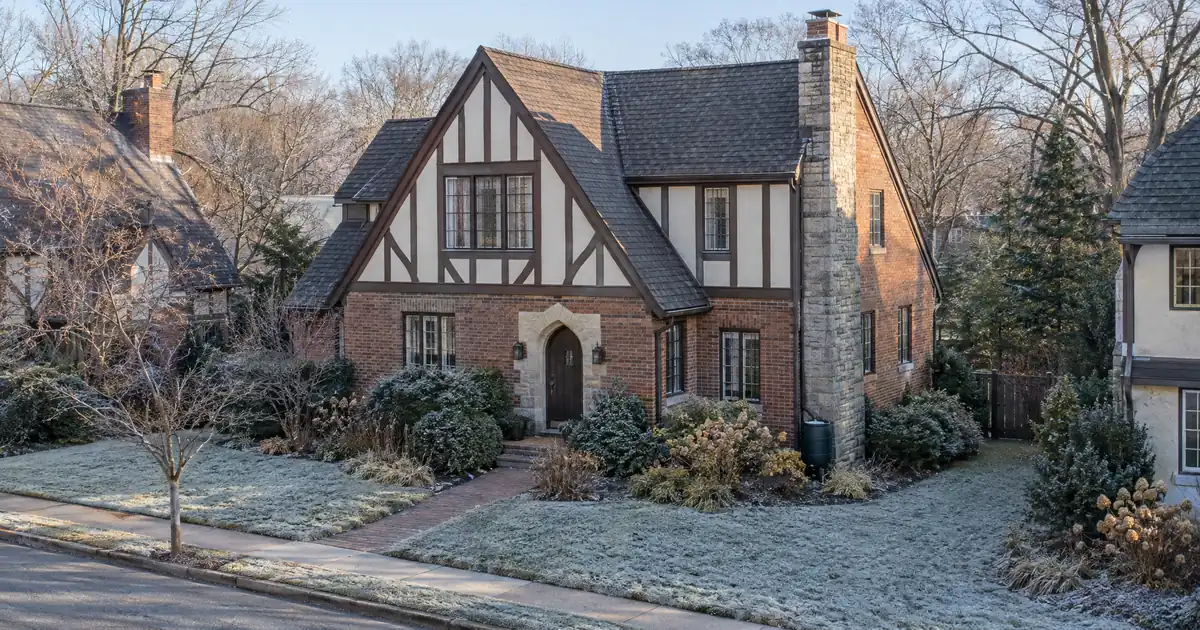
The Quick Read: A refinance swaps the loan on your property, not the lease your tenant signed, so the tenant’s rent, term, and deposit stay exactly as they are. The tenant touches the process in only three places: the lease is used as proof of rent, an appraiser needs one visit, and the rent has to be traceable.
- The lease and rent do not change because the lender changes.
- The appraisal visit is the one event the tenant actually sees.
- Lenders usually count the lower of the lease rent and the appraiser’s market rent.
- A DSCR refinance qualifies primarily on property-level rental income covering the payment, subject to lender guidelines.
- Most of the work happens on paper, out of the tenant’s sight.
Picture a landlord with a happy tenant two years into a lease. She wants to pull equity for the next purchase. She worries the process will mean notices, inspections, and a nervous tenant. It won’t. Here is how the mechanics work and where the real friction hides.
Key Terms Defined
DSCR (debt service coverage ratio): the property’s monthly rent divided by its full monthly housing payment. It measures whether the rent covers the loan.
PITIA: principal, interest, taxes, insurance, and association dues. It is the full payment the rent is measured against.
Rate-and-term refinance: a new loan that replaces the old one without pulling meaningful cash out.
Cash-out refinance: a new, larger loan that pays off the old one and hands you the difference.
LTV (loan-to-value): the loan balance as a percentage of the appraised value.
Rent schedule (Form 1007): an appraiser’s report of what a single-family rental should earn in the market. Two-to-four-unit properties use a similar form with a rent schedule built in.
Seasoning: the time you must own a property before certain refinances are allowed.
Business-purpose loan: a loan made for investment, not for a home you live in.
Does a Refinance Change the Lease?
No. The loan is a contract between you and the lender. The lease is a contract between you and the tenant. Swapping one does not touch the other.
Your tenant keeps the same rent, the same end date, and the same security deposit. Your obligations as landlord stay the same too. You still handle repairs, entry notice, and everything else your local rules require. Those rules vary by state and city, so confirm entry-notice requirements with local counsel before scheduling anything.
Does the tenant need to be told? Nothing in the loan process requires tenant consent or a re-lease. Still, one short courtesy note about the appraiser’s visit is smart. A tenant who ignores scheduling requests can stall the file.
Will the lender call the tenant? Practices differ by lender. Ask yours up front, and ask about any estoppel certificate (a signed tenant statement confirming lease terms) or assignment of leases and rents (a pledge of the rent stream as collateral). Those paper items are more common on larger or multifamily files. Confirm the specifics with your lender and counsel rather than assuming.
DSCR loans are designed for non-owner-occupied investment properties. Because they are business-purpose investor loans, they are reviewed differently from a standard owner-occupied mortgage.
What the Tenant Sees vs. What Happens Behind the Scenes
Most steps are invisible to the tenant. Here is the map.
| Step | Tenant involved? | What the tenant experiences |
|---|---|---|
| Application and credit | No | Nothing |
| Lease and rent-proof packet | Indirectly | Nothing, unless you request a copy |
| Appraisal visit | Yes | One scheduled visit |
| Coverage calculation | No | Nothing |
| Underwriting and title | No | Nothing |
| Closing | No | Nothing, rent goes where it always did |
The one real touchpoint is the appraisal. Everything else is your paperwork.
How Underwriting Treats a Tenant-Occupied Rental, Step by Step
Here is the sequence a file follows through the wholesale network of DSCR lenders Lendmire works with.
1. Confirm the property qualifies. It must be a non-owner-occupied rental. Under the federal rule that defines business-purpose credit, CFPB Regulation Z treats credit to acquire, improve, or maintain a non-owner-occupied rental as business purpose, and the special treatment does not apply if you expect to occupy the property for more than 14 days in the coming year. A former primary residence needs a genuine move-out first.
2. Gather the lease packet. Expect the signed lease, proof the tenant pays, the insurance declarations page, tax and association bills, and title and entity documents. A DSCR loan does not center on personal income documents, but it is not paperless. Lease, rent proof, reserves, and property papers are still required.
3. Order the appraisal and coordinate access. The appraiser needs entry. Give the tenant written notice, offer set time windows, and send a short note explaining who is coming and why.
4. Pick the rent used for lender review. On most files, the lender uses the lower of the lease rent and the appraiser’s market rent. An above-market lease adds nothing. A below-market lease caps your coverage.
5. Compute the coverage ratio. Monthly rent is divided by the full PITIA on the new loan. A cash-out refinance makes the loan larger, so the payment rises. Flood insurance and association dues go in the denominator too.
6. Test value and leverage. The new appraisal sets the value, not your own estimate. A low appraisal shrinks your proceeds.
7. Underwrite and close. The lender reviews credit, reserves, title, and entity documents. On DSCR programs the LLC can usually stay on title, subject to program eligibility. Deeding the property out of the LLC is generally unnecessary for a DSCR refinance, since moving title is a separate transaction that can create its own problems.
The Appraisal: The One Visit That Matters
The appraisal does two jobs. It sets the value, which drives LTV. It also sets the market rent, which drives your coverage ratio.
Fannie Mae’s published small residential income property appraisal form shows the logic. The appraiser reconciles indicated market rents into an opinion of market rent for each unit. For that form’s rent schedule, each unit’s lease status, expiration date, current rent, and market rent get recorded. That is an agency form name, not a DSCR rulebook. DSCR loans run on the lender’s own guidelines.
Make the visit painless:
- Give written notice early, following your local entry rules.
- Offer two or three time windows and let the tenant choose.
- Tell the tenant the appraiser will walk through and photograph the unit and will not judge how they live.
- Ask for reasonable tidiness, nothing more.
- On multi-unit properties, schedule units back to back so each tenant has one short interruption.
A new appraisal format from the agencies is set to retire the standalone rent-schedule forms for agency loans. That may eventually reshape the appraiser panels non-QM lenders use, but the practical advice stays the same.
Where the Rent Number Gets Tricky
The tenant is not the obstacle. The rent number is. The rent the lender counts decides your leverage and your cash. A legacy lease to a long-term tenant can quietly cap your proceeds.
Lease below market. Say the lease rent is well under what the appraiser finds. Coverage gets measured against the lower figure. Channels differ on whether any variance is allowed. Your options: renew at market before the appraisal, if the tenant agrees and local law allows, or take less cash. Raising rent just to hit a ratio can cost you a good tenant, so weigh that trade honestly.
Lease above market. The appraiser’s number wins. Your above-market lease adds nothing.
Month-to-month or expired lease. These files are usually weaker, not blocked. A new signed lease is the simplest fix.
Lease signed, tenant not yet moved in. Lenders treat this differently. Some accept the lease alone. Others want first rent paid and proof of occupancy.
Vacant unit. Some programs use the appraiser’s market rent in place of a lease. Others want a signed lease before or after closing.
Short-term rental. The monthly rent schedule format does not fit nightly income cleanly, so lenders decide separately how to count it. On short-term rental collateral, a cash-out tops out around 70% LTV, while a standard rental cash-out ceiling is 75%. Expect a credit score of 640 or higher and about 12 months of hosting history. Coverage floors apply to each transaction type separately, and the files are underwritten individually. Each figure is subject to lender guidelines and a complete review of property type, leverage, and credit.
Former primary residence. You must have genuinely moved out, which ties back to the 14-day occupancy test.
Ineligible property types. Manufactured homes (single- and double-wide), log homes, and barndominiums are not offered through the network’s DSCR programs, tenant or no tenant.
A Worked Example: Same Property, Two Rents
Consider two landlords holding identical duplexes. Landlord A’s long-term tenant pays a legacy rent well below market. Landlord B renewed her tenant near market a few months before applying.
Both appraisals come back at the same value. Landlord A’s coverage lands in the low-1.0 range on the lower lease rent. Landlord B’s clears about 1.2x. At a cash-out ceiling around 75% LTV on a standard rental, Landlord B has more room: stronger coverage can open better pricing and leverage tiers, while Landlord A may need to take less cash or accept adjusted terms. Leverage, reserves, and pricing vary by lender and program; the final terms follow the full file review.
Coverage below 1.00 is available through select lenders in the network, with leverage and terms adjusted. Many programs start at 1.00, so a gap like Landlord A’s is worth modeling before you apply. These figures are modeled assumptions, not market data.
Timing the Refinance Around the Lease
Lease timing is the lever you control. Three approaches:
- Renew first. If your lease is expiring or month-to-month, a new signed lease before you apply gives underwriting clean paper.
- Hold the rent increase. A rent bump can strain a good tenancy. Weigh a ratio improvement against the cost of turnover.
- Wait for a natural turnover. If the tenant is leaving anyway, you can refinance after re-leasing at market.
When something goes wrong mid-process, act early. If the tenant gives notice, tell the lender and plan a new lease. If the tenant refuses access, reschedule in writing and keep to your local entry rules. If rent falls behind, expect the rent-proof requirement to flag it, so fix the payment trail before underwriting.
Occupied or Vacant: Which Path Is Smoother?
| Factor | Occupied | Vacant |
|---|---|---|
| Rent evidence | Signed lease plus payment proof | Often appraiser’s market rent |
| Appraisal access | Coordinate with tenant | Simple |
| Lender requirements | Usually straightforward | May require a lease before or after closing |
| Tenant relationship | Needs a courtesy note | Not applicable |
For most landlords, occupied is neutral or helpful, because a signed lease with a payment history is clean evidence. Don’t evict or delay renewals just to refinance.
What the Investor Decision Looks Like
Passing 1.00 is not positive cash flow. DSCR compares rent to PITIA only. Repairs, vacancy, management, utilities, and capex sit outside the calculation. Weigh the new payment against real rent before you take the maximum cash-out. Terms vary by lender guidelines, property type, leverage, credit profile, and full file review.
A few program realities across the network, all subject to lender guidelines:
- A cash-out refinance tops out around 75% LTV on a standard rental, with about 6 months of seasoning as the common expectation.
- Most programs want a credit score near 660. A 620 floor exists in parts of the network, and 700 or higher unlocks the strongest leverage.
- Reserves are commonly around 6 months of PITIA and step up to about 9 months on loans above $1,500,000.
- Loans run up to $3,000,000 on standard programs, with smaller balances routed through select lenders.
- A larger equity cushion can lift coverage but never erases leverage caps, credit floors, or reserve rules.
Lender choice matters. Working through a broker lets the file land with a lender that fits your rent situation. A lender that insists on personal financial documents for a pure DSCR file may be mainly a conventional shop. For the full picture, see the complete DSCR loans guide. If your next move is buying, Lendmire’s piece How to Add a Rental HELOC for the Next Deal Without a Refinance covers that option.
Tax treatment can depend on how the funds are used and how the property is held; investors should keep clear records and speak with a qualified tax professional before relying on any deduction.
Frequently Asked Questions
Can I refinance a rental while the tenant lives there?
Yes, and it is usually the cleanest path. A signed lease and payment history are strong rent evidence. The tenant’s only real involvement is one appraisal visit.
Do I have to tell my tenant?
No lender rule requires tenant consent or a re-lease. A short written note about the appraiser’s visit is still wise, and your local entry-notice rules govern how much notice that visit needs.
Will the lender contact my tenant?
It depends on the lender and the loan size. Some files involve a lease confirmation or estoppel, and many do not. Ask your lender at the start so there are no surprises.
Can the rent or lease change because of the refinance?
No. The refinance does not alter rent, term, or deposit. Rent can change only through your lease terms and local law, which is a separate decision from the loan.
What if my lease is below market or expiring?
Lenders typically count the lower of lease rent and market rent, so a legacy lease can cap proceeds. Renewing at market before the appraisal, taking less cash, or waiting for turnover are the usual fixes.
If you are buying or refinancing a rental property and want to see how the numbers work, Lendmire can help you compare DSCR loan options based on the property income, credit profile, leverage, and investor goals. Lendmire is a broker arranging financing through select lenders across 41 markets, including Washington, D.C., and nothing here is a commitment to lend.
About Lendmire
As a DSCR and non-QM mortgage broker, Lendmire — NMLS# 2371349 — connects investors with wholesale lending channels across 41 markets, including Washington, D.C. The property’s rental income, not the borrower’s tax returns, is central to lender review, which works for self-employed operators and portfolios beyond four financed properties. Scotsman Guide named Lendmire a Top Mortgage Workplace in both 2025 and 2026.
Get Started
Ready to find the right loan for you?
In about 30 seconds you can review financing options available for your investment property. No commitment required.
Informational only. Not a Loan Estimate, approval, or commitment to lend. Program availability and eligibility are subject to lender guidelines, credit approval, property review, and underwriting.
References
1. CFPB Regulation Z, §1026.3 (business-purpose exemption)
This article is part of Lendmire’s DSCR loan program — full qualification details, guidelines, and scenarios live on the program page.
Related reading: LLC vs Personal Vesting on a Rental Loan · Can a VA Cash-Out Refinance Fund a Rental Down Payment? · How Much a First Rental’s Cash-Out Refinance Releases for Reserves
Brandon Miller
Founder & CEO, Mortgage Loan Originator, Lendmire LLC
- Mortgage Loan Originator · NMLS# 1129696 · Verify on NMLS Consumer Access
- North Carolina Real Estate Broker · License# 343312 · Verify on NCREC
- North Carolina Insurance Producer · License# 19053198 · Property, Casualty, Life, Health · Verify on NAIC SBS
- Lendmire LLC · Firm NMLS# 2371349 · Verify firm licensure
Legal disclosures. Lendmire (NMLS# 2371349) is a state-licensed mortgage brokerage that arranges financing through wholesale lender relationships. Lendmire is not a direct lender, depository institution, or registered financial advisor. The discussion above is general informational content about real estate financing — it is not financial, legal, or tax advice, and readers should consult licensed professionals for guidance on their individual circumstances. Loan inquiries are subject to lender underwriting; this article does not represent a commitment to lend. Loan terms, rates, and qualification standards vary by borrower, property, and state, and are subject to change at any time. Equal Housing Opportunity. NMLS Consumer Access: nmlsconsumeraccess.org.