
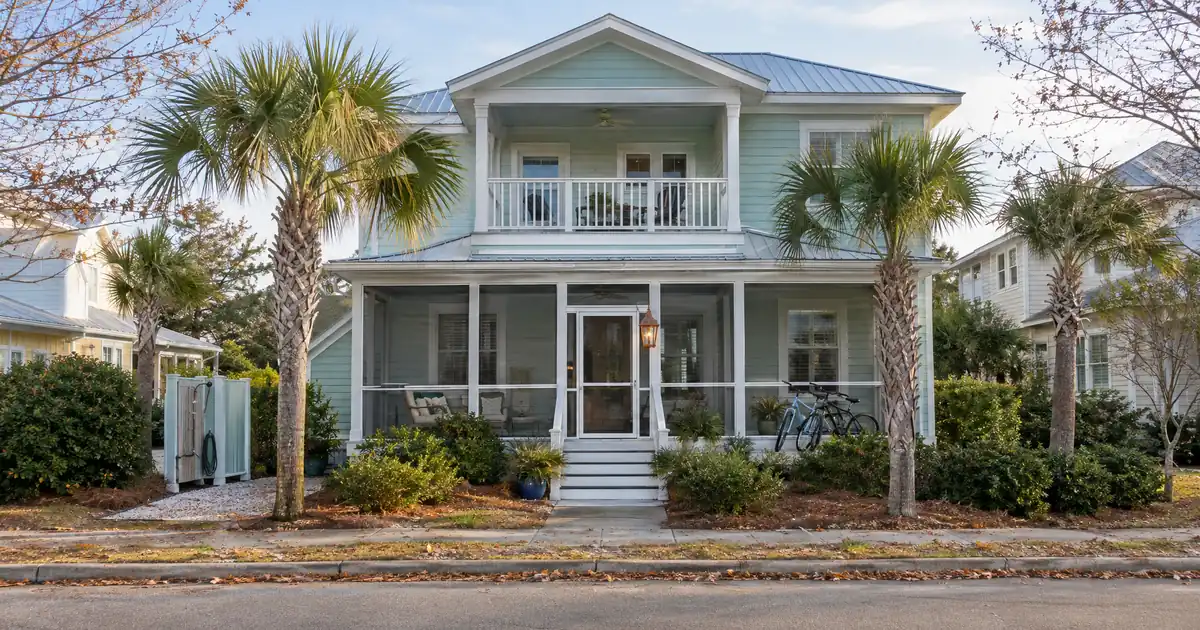
The Quick Read: Usually a long-term rental, because a signed lease or an appraiser’s market-rent opinion gives a lender simple income evidence, while a short-term rental needs a program that accepts Airbnb-style income, typically about 12 months of host experience, a 640 credit score, and lower leverage on the strongest files. Both qualify primarily on property-level rental income covering the payment, subject to lender guidelines.
- Long-term rentals reach 75%-80% LTV on an investment-property purchase across most of the network. Select high-leverage programs go to 85% with roughly a 700+ score.
- Short-term rentals top out at 75% on a purchase and about 70% on a refinance or cash-out.
- Credit expectations differ by rental type: short-term files typically start around a 640 score, while a 620 floor exists in parts of the network for long-term files, though most long-term programs want around 660.
- Fewer programs accept short-term income, and the appraisal tool for long-term rent does not fit nightly pricing.
- Clearing the coverage test is not the same as positive cash flow, on either side. Each figure is subject to lender guidelines and a complete review of property type, leverage, and credit.
The honest answer on who each option is for: a long-term rental suits the investor who wants the most programs to choose from and the simplest paper trail. A short-term rental suits the investor with a property, a local permit situation, and an operating record that can carry the extra scrutiny. Neither is “better.” One is easier to place.
Side-by-Side
The table below compares the two on the factors lenders actually review. Short-term items describe the programs in Lendmire’s wholesale network, and the long-term column does the same. Both columns are typical ranges, not promises.
| Factor | Long-Term Rental | Short-Term Rental |
|---|---|---|
| Review basis | Rent vs. PITIA | Short-term income vs. PITIA |
| Rent evidence | Lease, or market-rent opinion | Platform history, projection, or fallback |
| Purchase LTV | 75%-80%; select 85% | Up to 75% |
| Refinance / cash-out | Cash-out around 75% | About 70% |
| Credit score | 620 floor in parts; most want ~660 | 640 minimum |
| Coverage floor | 1.00 on select programs | 1.00 purchase; 1.00 refinance |
| Track record | None required | About 12 months host experience |
| Reserves | Commonly ~6 months of PITIA | Varies by lender and loan size |
Notice what the table does not say. It says nothing about which one earns more. Lenders do not finance profit. They finance verifiable, durable, legal income.
Why Long-Term Rentals Are the Simpler File
A long-term rental has one clear income story. If a tenant occupies the property, the lease is the evidence. If it is vacant, an appraiser’s market-rent opinion stands in. Then the lender divides monthly rent by PITIA, which is principal, interest, taxes, insurance, and any HOA dues. That ratio is the debt service coverage ratio, or DSCR.
DSCR loans are designed for non-owner-occupied investment properties. Because they are business-purpose investor loans, they are reviewed differently from a standard owner-occupied mortgage.
Across the network, most long-term programs want around a 660 score, and a 620 floor exists in parts of it. Loan sizes run up to $3,000,000 on standard programs (smaller balances available through select lenders). Above $2,500,000 the network generally holds to 30-year fixed structures.
Coverage is where people get tangled. A 1.00 ratio is where many select programs start. Stronger ratios open better pricing and leverage. A separate select-lender path takes coverage below 1.00, with leverage and terms adjusted. That is a different path, not the same program with a looser floor.
When a Long-Term Rental Is the Better Fit
Choose long-term when you want the widest field of lenders and the least documentation friction. Here are the profiles where it wins.
You are buying with no operating history. A short-term rental program usually wants about 12 months of host experience. A long-term purchase does not. The lease or market rent carries the file from day one.
You want higher leverage. On an investment-property purchase, most long-term files land at 75%-80% LTV, which means 20%-25% down. Select high-leverage programs reach 85% LTV, or 15% down, with roughly a 700+ score. Short-term purchases stop at 75% on the strongest files. Leverage, reserves, and pricing vary by lender and program; the final terms follow the full file review.
You plan to cash out. A cash-out refinance on a standard long-term rental tops out around 75% LTV across most of the network, with about six months of seasoning as the common expectation. The same cash-out on short-term collateral is limited to 70%. Terms vary by lender guidelines, property type, leverage, credit profile, and full file review.
You own a 2-4 unit building. Small multifamily is built around monthly leases. The appraiser’s operating-income form for that property type is Form 1025, and it follows the same lease-driven logic.
You do not want to depend on local permit status. Short-term rental rules can vary by city, county, HOA, and property type, so investors should confirm local rules before relying on projected rental income. A long-term lease sidesteps most of that question.
Long-term has its own limits. The rent has to cover the payment, and a property priced high against its rents may not clear coverage. A larger down payment lowers the monthly obligation and can lift the ratio. It never erases leverage caps, credit floors, reserve rules, or property eligibility. The strongest files clear both tests: enough equity and enough rental coverage.
Why Airbnb Income Is Harder to Underwrite
The core problem is evidence. A lease is a contract. Nightly bookings are a business.
Across the network, short-term income evidence usually takes one of three forms. The first is platform history, such as payout and earnings statements from the booking sites. The second is a third-party income projection built from market data. The third is a fallback to long-term market rent, which ignores the short-term upside entirely.
Not every program accepts all three. Some accept none of them. That is the real narrowing effect: a short-term property can be reviewable, but fewer lenders will look at it, and the ones that do ask for more.
Some programs also apply an expense factor to gross short-term income. Operating costs on a nightly rental run above those of a lease, and lenders know it. The factor is not fixed. It varies by lender and sometimes by operator experience.
The Appraisal Gap
The standard rent tool does not fit. Fannie Mae’s appraiser update describes Form 1007, the single-family comparable rent schedule, as the appraiser’s tool for estimating monthly market rent. The same update includes a section on short-term rentals and Form 1007. The message is that the form was built for monthly rent, not nightly rates.
HousingWire makes the same point from the lender side. It says short-term income behaves like an operating business, and the form cannot capture nightly pricing, seasonality, or fees. Class Valuation reports that state appraisal boards have disciplined appraisers who put short-term income into a 1007.
Practically, short-term programs rely on a separate income analysis or a data-vendor report instead of the 1007. That is an extra document, an extra review step, and one more place a file can stall.
Agency rules are only a contrast here. DSCR loans are not agency products, and their program terms come from the lenders in the network.
When a Short-Term Rental Is the Better Fit
Choose short-term when the property’s income, not its paperwork, is the reason you own it. These are the profiles where it works.
You already host. About 12 months of landlord or host experience is the usual expectation, so a documented operating record is your biggest asset. It supports the file in a way a projection cannot.
The long-term rent would not cover the payment, but nightly income would. Say a property in a visitor-heavy area rents long-term at coverage of roughly 0.9x. A program that accepts documented short-term income could count a stronger figure. Coverage below 1.00 on long-term rent is also available through select lenders in the network, with leverage and terms adjusted, so the choice is between two paths. Either one is reviewed subject to lender guidelines, credit approval, and property review.
Your credit and equity are solid. A 640 minimum score applies to short-term programs. Purchase leverage tops out at 75% LTV on the strongest files, and refinance runs about 70%. Run the equity math before the revenue math. Exact terms depend on the lender’s guidelines, property type, leverage, and a full review of the borrower’s file.
The property is in an area where permits are clear. A lender may discount or reject income it cannot tie to legal use.
You can absorb the volatility. Seasonality and vacancy sit outside the DSCR math. A short-term property can pass underwriting and still run negative in a slow quarter. A low-occupancy listing is the classic case.
Many investors find the bigger decision is whether the extra income justifies the extra file work.
What a Passing DSCR Does Not Tell You
This deserves its own section because investors confuse the two constantly. DSCR compares rent to PITIA. That is all.
Repairs, vacancy, property management, utilities, and capital expenses sit outside the calculation. Clearing 1.00 does not mean the property produces positive cash flow. A short-term rental carries more of those uncounted costs: cleaning, restocking, platform fees, and turnover. A long-term rental carries fewer, but it still carries them.
Treat the coverage number as a lender’s test, not an owner’s profit forecast. Build your own budget on top of it.
Entity Vesting, Reserves, and Property Types
Both options can often be vested in an LLC, subject to lender program eligibility. Personal guarantees are common, so do not assume an LLC removes personal exposure. Confirm terms with the lender before you rely on one.
Reserves vary by lender, leverage, loan size, and transaction type. They are commonly around six months of PITIA. Conservative rate-and-term files at modest leverage under $1,500,000 can see reserves waived. Loans above that size typically step up to about nine months. Short-term files can see tighter reserve review, because the income is less predictable.
On property types, some are simply not offered. DSCR on manufactured homes (single- and double-wide), log homes, and barndominiums is not offered in the network. That applies to short-term and long-term alike.
Key Terms Defined
DSCR (debt service coverage ratio): Monthly property income divided by the monthly housing obligation, used as the core qualifying test.
PITIA: Principal, interest, taxes, insurance, and any HOA dues, the full monthly cost the rent must cover.
LTV (loan-to-value): The loan amount divided by the property’s value, which sets how much you must put down.
Seasoning: The waiting period a lender wants between owning a property and refinancing it.
Form 1007: The appraiser’s rent schedule for estimating monthly market rent on a single-family rental.
A Pattern From the Broker’s Desk
Across the files in the network, the most common stall on a short-term deal is not coverage. It is an evidence mismatch. The investor brings strong bookings, but the program wants a different type of proof. Matching the property to the right lender first, before comparing any terms, saves the most time and frustration.
The Verdict
Long-term is easier to finance. More programs accept it, leverage runs higher, credit expectations are lower, and the rent evidence is a document most borrowers already have.
Short-term is reviewable, but it is a narrower road. It fits investors who already host, whose properties sit where local rules are clear, and whose equity and credit can meet a higher bar. The extra revenue does not make the loan easier. It can make coverage stronger on paper while the file gets harder.
If you are torn, run the property both ways. Start with long-term coverage. If it clears with room to spare, the simpler file is probably the right one. If it falls short, check whether short-term income, a coverage-below-1.00 path, or a different property closes the gap. Tax treatment can depend on how the funds are used and how the property is held; investors should keep clear records and speak with a qualified tax professional before relying on any deduction.
For a full walkthrough of how these loans work, read Lendmire’s complete DSCR loans guide.
Frequently Asked Questions
Can I finance an Airbnb like a regular rental?
Sometimes, but only through programs that accept short-term income. Short-term files typically expect about 12 months of host experience and a 640 minimum score. Purchase leverage tops out at 75% LTV. Long-term files are accepted by far more lenders.
Do lenders use projected or actual income for a short-term rental?
It depends on the program. Some use platform history, some use a third-party projection, and some fall back to long-term market rent. A few will not lend on short-term properties at all. The evidence type often decides which lender fits.
Is a short-term rental harder to qualify for?
Usually, yes. The credit bar is higher, leverage is lower, and the income analysis takes more steps. Coverage still starts at 1.00 for both purchases and refinances in the short-term programs. The harder part is proving the income.
Can I switch from short-term to long-term after buying?
Many investors do, and a long-term lease is often simpler to document going forward. A refinance after the switch is reviewed on its own terms, including seasoning, which is commonly around six months for cash-out. Program details vary by lender.
Does a bigger down payment fix a weak coverage ratio?
It helps, because it lowers the monthly obligation and can lift the ratio. It does not override credit floors, reserve rules, or property eligibility. Lenders want enough equity and enough rental coverage.
Next Step
If you are buying or refinancing a rental property and want to see how the numbers work, Lendmire can help you compare DSCR loan options based on the property income, credit profile, leverage, and investor goals. As a broker, it arranges financing through select lenders in its wholesale network, with DSCR programs in 41 markets, including Washington, D.C.
Investors focused on short-term rentals can review DSCR loans for Airbnb and short-term rentals.
About Lendmire
Lendmire (NMLS# 2371349) is a DSCR-focused mortgage broker that helps arrange investor financing across 41 markets, including Washington, D.C., through wholesale and investor-lending channels. DSCR eligibility is generally reviewed by the lender around the property’s rental income rather than personal income documentation, subject to lender guidelines — which works for self-employed investors, LLC operators, and portfolios above four financed properties. Scotsman Guide named Lendmire a Top Mortgage Workplace in both 2025 and 2026.
Get Started
Ready to find the right loan for you?
In about 30 seconds you can review financing options available for your investment property. No commitment required.
Informational only. Not a Loan Estimate, approval, or commitment to lend. Program availability and eligibility are subject to lender guidelines, credit approval, property review, and underwriting.
References
1. Fannie Mae – Appraiser Update June 2024
2. HousingWire – Short-Term Rentals Are Breaking the Appraisal Playbook
3. Class Valuation – Appraisal Form 1007 and Short-Term Rentals
This article is part of Lendmire’s short-term rental loan program — full qualification details, guidelines, and scenarios live on the program page.
Related reading: For a First Rental, 40-Year DSCR Loan vs. 1099-Only Loan · LLC vs Personal Name on a DSCR Loan for an LLC-Owned Rental · How to Get a DSCR Loan on a Vacant Rental Purchase
Brandon Miller
Founder & CEO, Mortgage Loan Originator, Lendmire LLC
- Mortgage Loan Originator · NMLS# 1129696 · Verify on NMLS Consumer Access
- North Carolina Real Estate Broker · License# 343312 · Verify on NCREC
- North Carolina Insurance Producer · License# 19053198 · Property, Casualty, Life, Health · Verify on NAIC SBS
- Lendmire LLC · Firm NMLS# 2371349 · Verify firm licensure
Compliance and disclosures. Lendmire (NMLS# 2371349) is a licensed mortgage broker and is not a direct lender, depository institution, financial advisor, or tax professional. Content in this article is general market analysis and educational information — not financial, legal, or tax advice for any specific situation. Lendmire does not guarantee loan approval; every transaction is subject to underwriting by the funding lender. Mortgage pricing and loan program guidelines are subject to change at any time without notice and vary by borrower characteristics, property type, and state regulations. Lendmire complies with Equal Housing Opportunity. Licensure verification: NMLS Consumer Access.