
The Quick Read: You get this loan through a DSCR program, which qualifies primarily on property-level rental income covering the payment, subject to lender guidelines. Standard agency-backed loans generally turn condotels away. The building’s rental setup decides eligibility first, and your income and credit decide it second.
- The building is the first gate. Select lenders review each condotel project on its own before they look at you.
- Income is counted net. The number that matters is what the owner keeps after the hotel program’s split and fees, not gross bookings.
- Short-term rental limits apply. On a short-term rental purchase, leverage tops out at 75% LTV, and refinance and cash-out files top out around 70%. Expect a 640+ credit score and about 12 months of hosting experience.
- Coverage of 1.00 is where select programs start. Clearing it does not mean the unit makes money after repairs, vacancy and management.
- Check the pool before you offer. Whether the rental program is mandatory or optional can decide whether you can run your own Airbnb at all.
What Is a Condotel, and Why Does It Change the Loan?
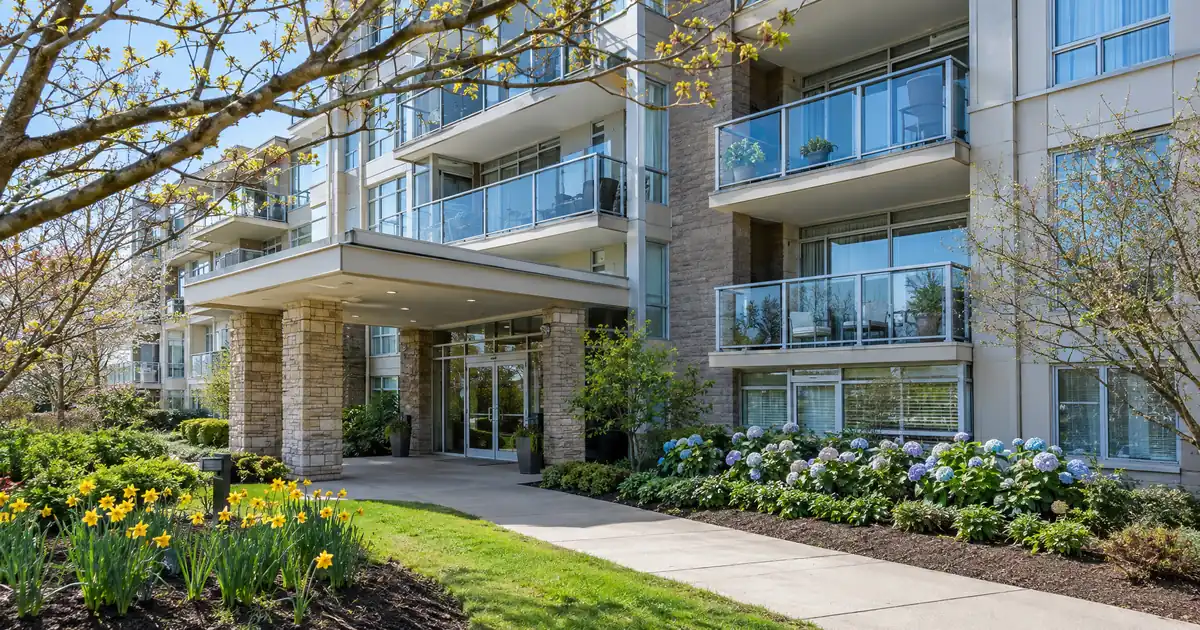
A condotel is a condominium that operates like a hotel. You hold a deeded unit, and the building runs a front desk and rents rooms to short-stay guests. Wikipedia’s condo hotel entry describes it the same way: when owners are not using the unit, they can rent it through the hotel’s marketing and management like any other room.
Short-Term Rental Calculator
Run the STR numbers in your market
Rate source: Freddie Mac 30-yr average via FRED® — Federal Reserve Bank of St. Louis · effective Oct 15, 2026
Prefilled with starting assumptions — enter your nightly rate, occupancy, taxes, and insurance for a more accurate picture.
Short-term rental income is documented with a 12-month history or a market data report. Program parameters update from Lendmire’s centralized guideline source.
As of Oct 15, 2026 · General Freddie Mac market benchmark, not a Lendmire loan offer. Nightly rate, occupancy, taxes, and insurance are editable estimates. Qualifying income for short-term rentals varies by program — some use appraisal market rent, others use documented STR history or projections — and is confirmed in underwriting. Not a Loan Estimate, approval, or commitment to lend. Program availability and eligibility are subject to lender guidelines, credit approval, property review, and underwriting.
That hybrid is the whole problem. A lender sees a residential deed attached to a commercial hospitality operation. The building has to be judged as a business, not only as a home.
People use “condotel,” “Airbnb condo,” and “resort unit” loosely. They are not the same thing, and the loan treats them differently.
| Feature | Condotel | Regular condo | Airbnb-friendly condo |
|---|---|---|---|
| Front desk and rental desk | Yes | Rarely | Sometimes |
| Hotel-style management | Common | No | No |
| Rental pool | Often | No | No |
| You book guests yourself | Depends on the program | Yes, if allowed | Yes |
| Typical loan path | Select DSCR lenders | Many options | Many options |
A regular condo that allows short stays can look like a condotel to an outsider. The tests lenders use are structural: pooling, services, hotel licensing and who manages bookings. A listing on a booking platform alone does not make a building a condotel.
How Does Underwriting Treat a Condotel, Step by Step?
Underwriting a condotel runs in a fixed order: project review, income proof, net income, coverage math, appraisal, and entity and documents. If the building fails the first step, nothing after it matters. Here is how a file moves.
1. The lender classifies the project. Select lenders in the network ask what the building actually is. Is there a front desk, a rental desk, a rental pool, a hotel brand, a management company that books every unit? Each lender has its own project questionnaire, and appetite varies a lot from building to building. A building one lender accepts may be a decline at another.
2. The lender establishes the income. For a unit with history, the numerator is trailing rental income, usually from the management company’s statements. For a new purchase, an appraiser’s rent analysis or market data fills in. The program also expects about 12 months of hosting experience from the borrower. Short-term rental rules can vary by city, county, HOA, and property type, so investors should confirm local rules before relying on projected rental income.
3. The lender nets the income. This step is where condotels differ most from a house with an Airbnb listing. The rental program usually keeps a share of revenue. Resort fees and HOA dues come out of what you receive. One owner’s account on BiggerPockets describes a St. Petersburg resort and condo structure keeping nearly 66% of room revenue. That is a single resort and should not be treated as typical. It shows how far net income can sit from the headline number.
4. The lender computes DSCR. DSCR stands for debt service coverage ratio. You divide monthly rental income by the full monthly housing obligation, known as PITIA: principal, interest, taxes, insurance, and HOA dues. A 1.00 means the income covers the obligation exactly. Each program defines the exact inputs, so the same unit can score differently across lenders.
5. An appraisal comes in. The appraiser values the unit and supports the rent figure. Condotels can be harder to value because comparable sales are thinner. A low appraisal cuts the loan amount, which means more cash from you.
6. The entity and documents are set. Borrowers often close in an LLC, subject to lender program eligibility. The file typically includes entity papers, the HOA or project documents, the rental-management or rental-pool agreement, income statements, insurance and the appraisal. DSCR loans are designed for non-owner-occupied investment properties. Because they are business-purpose investor loans, they are reviewed differently from a standard owner-occupied mortgage.
In order, these decide the outcome: project eligibility, provable net income, the leverage allowed on this property type, your credit and reserves, and the HOA’s finances, insurance and litigation history.
Why Do Standard Agency Loans Turn Condotels Away?
Agency loans exclude them by design, which is why a conventional pre-approval is no help here. Fannie Mae’s Selling Guide lists projects that operate as hotels or motels as ineligible. It also covers projects with blackout dates, occupancy limits, or hotel-company management that facilitates short-term rentals. Fannie Mae’s Condo Status Finder FAQ adds that condotel traits and short-term rental activity are common reasons a project fails review.
That is a project problem, not a borrower problem. A DSCR loan is a non-QM product, meaning it sits outside those agency rules, and its lenders set their own project standards. The lender still has to like the building.
What Loan Structures Exist for a Condotel Airbnb?
The spine is the 30-year fixed DSCR loan, with variations layered on. Across Lendmire’s wholesale network of DSCR lenders, the short-term rental limits below apply, and condotel files may land lower depending on the building. Lendmire is a mortgage broker that arranges these loans in 41 markets, including Washington, D.C.
| Structure | Typical leverage | What it leans on |
|---|---|---|
| STR purchase | Up to 75% LTV | Net income, hosting history |
| STR refinance | Around 70% LTV | Seasoned income, 1.00 coverage |
| STR cash-out | Up to 70% LTV | Equity plus coverage |
| Below 1.00 coverage | Adjusted by lender | Select lenders, lower leverage |
| Interest-only or 40-year | Varies | Select lenders only |
LTV means loan-to-value: the loan as a share of the property’s value. On a short-term rental purchase, most files land lower than the 75% ceiling, and that ceiling is for the strongest files. For short-term rental refinances, coverage starts at 1.00, and the same 1.00 starting point applies to purchases. Each is its own path with its own file review.
Coverage of 1.00 is where many select programs start. A separate select-lender path takes coverage below 1.00, with leverage and terms adjusted. Interest-only periods and 40-year terms are also available through select lenders, and both reduce the payment the DSCR math counts.
Most short-term rental programs want a 640+ credit score. Loan sizes run up to $3,000,000 on standard programs. Reserves vary by lender, leverage, loan size and transaction type, and they commonly sit around six months of PITIA. Everything here is subject to lender guidelines and program changes, and none of it is a commitment to lend.
A larger down payment lowers the payment and can lift the ratio. It does not erase leverage caps, credit floors, reserve rules or building eligibility. The strongest files clear both tests: enough equity and enough rental coverage.
For the property-type side, Lendmire’s piece Luxury Short-Term Rental DSCR Loan Requirements for a Condotel goes deeper. For the full picture of how these loans work, see the complete DSCR loans guide.
A Worked Example: When Gross Revenue Flatters the Deal
Run the numbers on a modeled condotel purchase. These are assumptions, not market data. Say gross booking revenue covers the full monthly obligation at about 1.35x. The rental program, resort fees and HOA charges leave the owner with roughly 70% of that gross.
- Gross coverage: about 1.35x.
- Net coverage after the split and fees: about 0.95x.
The deal looked comfortable on the booking dashboard. On a net basis it sits just under 1.00. That gap is why condotel files stall.
Several paths may apply, and a lender would review each. A select lender in the network may take coverage below 1.00 with leverage and terms adjusted. A larger down payment lowers the payment and nudges the ratio up. An interest-only period through a select lender can do the same. A different unit in the same building, or a different building, may carry a lighter fee load. Qualification stays subject to lender guidelines, credit approval and property review.
Here is the part many first-time buyers miss. Even a clean 1.20x does not mean positive cash flow. DSCR compares rent to PITIA only. Repairs, vacancy, management, utilities and capital costs sit outside the calculation.
Where Does the General Rule Break?
The rules above bend in a handful of named cases. Each one can change your answer.
Mandatory versus voluntary rental pooling. In a mandatory pool, every owner’s unit is rented through the hotel. In a voluntary one, you can opt in or list the unit yourself. Agency guidelines disqualify mandatory pooling, and blackout dates or occupancy limits too. DSCR lenders treat the two cases as a program question, so you need to ask. This single fact often decides whether a self-run Airbnb is even possible.
Condotel by association. A conventional-looking building with heavy short-term rental activity can get flagged. Fannie Mae’s FAQ, linked above, names short-term rental activity as a common ineligibility reason. That is why an Airbnb-heavy condo can land in the non-QM channel even without a front desk.
Self-managed versus hotel-reported income. Some buildings let owners book guests directly. Others require the hotel to book every stay. A lender may accept your own booking history in one case and only the management company’s statements in the other. Know which applies before you count on any income figure.
New purchase with no history. With no trailing income, the lender leans on an appraiser’s rent analysis or market data. Expect more conservative treatment than a unit with seasoned statements. If you are refinancing instead, Lendmire’s guide How to Document Airbnb Income for a Luxury Short-Term Rental Refinance covers the paperwork side.
Property type outside the network. Manufactured homes, log homes and barndominiums are not offered through these DSCR programs. A resort cabin or similar unit may fall in that group.
What Should You Ask Before You Make an Offer?
Ask these questions before you write an offer, because a failed project review after you are under contract is expensive. This list takes about ten minutes with the front desk or HOA.
- Is the rental program mandatory, or can I opt out and book my own guests?
- Are there blackout dates or owner-use limits?
- What share of revenue does the program keep, and what fees come out on top?
- Can I get 12 months of unit-level income statements?
- Who manages bookings, and is there a management agreement I can read?
- What do the HOA’s financials, master insurance policy and any litigation look like?
- Does the unit have a kitchen and a separate sleeping area, or is it a hotel-style room?
Then take those answers to a broker before you sign. A pre-approval you built for a regular condo may not carry over. One BiggerPockets thread tells of an investor pre-approved for a conventional loan who learned it could not finance a condotel, which made the pre-approval unusable.
Is a Condotel Airbnb Right for You?
It fits some investors and not others. Owner returns are mixed. One BiggerPockets discussion is skeptical about condotels as buy-and-hold cash-flow investments. Another has an owner of two units reporting close to break-even, with personal use counted as part of the value.
Three tradeoffs matter most:
- Leverage and cost. Condotels generally carry less leverage and costlier terms than a standard investment condo, so expect more cash in.
- Net income. Fee structures can make coverage look much weaker than gross revenue suggests.
- Resale. Your future buyer faces the same financing limits. That can thin the exit pool.
The stronger play for a pure cash-flow investor may be an Airbnb-friendly condo or small multifamily property with a lighter fee load. A buyer who wants personal use plus rental income can reasonably argue the other way. Tax treatment can depend on how the funds are used and how the property is held; investors should keep clear records and speak with a qualified tax professional before relying on any deduction.
Key Terms Defined
Condotel: A condominium unit in a building that operates as a hotel, with a front desk and short-term rentals.
Rental pool: A program where the hotel rents owners’ units together and shares the revenue.
DSCR: The ratio of a property’s monthly rental income to its full monthly housing obligation.
PITIA: Principal, interest, taxes, insurance and association dues, the monthly payment a DSCR loan measures against.
LTV: Loan-to-value, meaning the loan amount as a percentage of the property’s value.
Non-QM: A loan outside standard agency guidelines, underwritten to its own program rules.
Hosting history: Your documented experience running short-term rentals, which these programs commonly weigh.
Frequently Asked Questions
Can I use a regular investment-property loan on a condotel?
Usually not. Standard agency loans exclude projects that operate as hotels, as the guides linked above show. A DSCR loan from a select lender is the more common path, and the lender reviews the building first.
Is the income the lender counts the same as my Airbnb gross?
No. The lender counts what you keep after the rental program’s split, resort fees and HOA charges. A property that looks strong on gross bookings can look much thinner on a net basis. Model net income before you fall for a unit.
Can I buy a condotel through an LLC?
Often yes, subject to lender program eligibility. The lender will want entity documents along with the usual project and income paperwork. Ask before you form the entity so the vesting matches the program.
What if my unit has no rental history?
New purchases can still be reviewed, with the lender leaning on an appraiser’s rent analysis or market data. Programs also expect about 12 months of hosting experience from you.
Does clearing 1.00 mean the condotel will cash flow?
No. DSCR measures rent against the housing payment only. Repairs, vacancy, management, utilities and capital costs all sit outside the ratio, so run your own full budget.
Next Steps
If you are buying or refinancing a rental property and want to see how the numbers work, Lendmire can help you compare DSCR loan options based on the property income, credit profile, leverage, and investor goals.
About Lendmire
A DSCR-focused mortgage broker, Lendmire (NMLS# 2371349) places investor financing across 41 markets — 40 states plus Washington, D.C. — with DSCR eligibility generally reviewed by the lender on property cash flow instead of tax returns, subject to lender guidelines. Scotsman Guide named Lendmire a Top Mortgage Workplace in 2025 and 2026.
Get Started
Ready to find the right loan for you?
In about 30 seconds you can review financing options available for your investment property. No commitment required.
Informational only. Not a Loan Estimate, approval, or commitment to lend. Program availability and eligibility are subject to lender guidelines, credit approval, property review, and underwriting.
References
2. BiggerPockets: investing in a condotel in St. Pete
3. Fannie Mae Selling Guide B4-2.1-03, Ineligible Projects
4. Fannie Mae Condo Status Finder FAQ
6. BiggerPockets: buy and hold condotel units
7. BiggerPockets: are condotels a safe investment
This article is part of Lendmire’s short-term rental loan program — full qualification details, guidelines, and scenarios live on the program page.
Related reading: How Refinancing a Short-Term Rental Works With 12 Months of Bookings · How a Short-Term Rental Loan Works on a Townhouse · How a Short-Term Rental Loan Works on a Ski-Town Property
Brandon Miller
Founder & CEO, Mortgage Loan Originator, Lendmire LLC
- Mortgage Loan Originator · NMLS# 1129696 · Verify on NMLS Consumer Access
- North Carolina Real Estate Broker · License# 343312 · Verify on NCREC
- North Carolina Insurance Producer · License# 19053198 · Property, Casualty, Life, Health · Verify on NAIC SBS
- Lendmire LLC · Firm NMLS# 2371349 · Verify firm licensure
Disclosure information. Lendmire is a state-licensed mortgage brokerage under NMLS# 2371349. Lendmire is not a depository institution, direct lender, or financial advisor — all loans referenced are placed through wholesale lender partners and are subject to each lender's underwriting standards. This article is provided for general informational purposes and is not a commitment to lend, nor does it constitute financial, legal, or tax advice. Loan programs, terms, rates, and qualification standards change without notice and depend on borrower profile, property type, and the state in which the subject property is located. Equal Housing Opportunity provider. NMLS Consumer Access: nmlsconsumeraccess.org.