
The Quick Read: A published report is a modeled projection of what comparable short-term rentals earn near an address, while Airbnb statements are the host’s own payout record for a specific unit, so for a condotel the choice usually follows whether the unit has operating history, and the lender, not the borrower, often decides which one carries the file. The two are not interchangeable. One estimates, and the other proves.
- A purchase with no history usually runs on a projection, because there are no statements to download.
- A refinance or an already-operating unit usually runs on actual statements, which show what the unit collected.
- A condotel adds a third document: the operator’s owner statements, when the unit sits inside a rental program.
- On STR files, the network typically allows purchase leverage up to 75% LTV and refinance or cash-out up to 70% on short-term-rental collateral, subject to lender guidelines.
- Clearing coverage on either document still leaves the building itself to be reviewed.
Here is the honest answer on who each option is for. AirDNA fits the buyer who has not operated the unit yet and needs a forward-looking number. Airbnb statements fit the owner who has a record and wants the loan sized on real collections. A condotel complicates both. Its comps often mix hotels, condos, and houses, and its income may run through a resort operator rather than a personal host account. The best file is usually the one that matches the document to the unit’s actual situation.
Side-by-Side
The table below describes how these two documents are commonly used, based on published industry norms. The sections after it cover how the wholesale network Lendmire works with treats short-term-rental files.
| Factor | AirDNA projection | Airbnb statements |
|---|---|---|
| What it is | Modeled estimate from comparable listings | Host’s own payout record |
| Review basis | Forward-looking revenue for the address | Trailing income actually collected |
| Best fit | Purchase with no unit history | Refinance or operating unit |
| Documentation | Report with comp set and strength score | Downloaded report that breaks out the unit |
| Condotel blind spot | Comps may mix hotels and condos | Misses other channels and operator pool income |
| Entity vesting | Loan entity matches the borrower on file | Account must match borrower or entity |
| Reserves | Commonly around 6 months of PITIA | Same range; varies by lender and size |
Reserves do not change with the document. They move with lender, leverage, loan size, and transaction type. Conservative files at modest leverage can see them waived, and larger balances typically step up.
What Each Document Actually Is
A published report is a projection. According to AirDNA’s Rentalizer, the estimate is a weighted average of how comparable short-term rentals within a 10-mile radius performed. It adjusts for seasonality and demand. The tool also reports a comp-set strength score of Low, Medium, or High, which tells an underwriter how much weight the number can carry.
An Airbnb statement is a record. Airbnb’s Help Center explains that a host opens the Earnings dashboard, goes to the Paid section, selects a time frame, and creates a downloadable CSV report. It reflects what Airbnb paid out on that account. It does not model anything.
Each document has a limit. A projection cannot see your unit’s actual bookings, pricing decisions, or owner blackout days. A platform statement cannot see bookings that came through another channel, such as the resort’s own system, Vrbo, or Booking.com. Neither one sees the building’s finances.
Why a Condotel Changes the Math
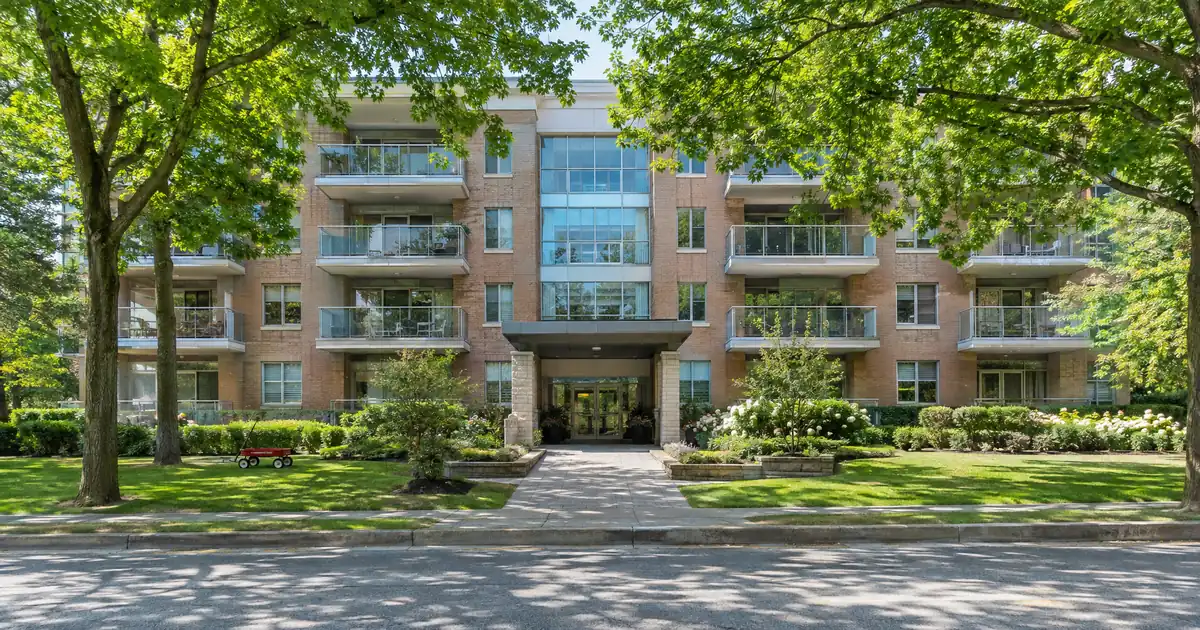
A condotel is a condo with hotel-style operations. Many units sit in a rental program where an operator handles bookings, housekeeping, and revenue splits. That structure is why condotels are usually treated as non-warrantable condos, which agency programs typically exclude. As context only: the Fannie Mae Selling Guide lists primarily transient projects and those with rental-pooling agreements as ineligible, and the Freddie Mac Guide names condominium hotels as an ineligible project type. DSCR loans are not agency products. That exclusion is exactly why condotel investors end up in the non-QM lane, where documenting income becomes the central question.
Three condotel quirks matter most for documentation:
1. Operator control. Nightly pricing and booking may be set by the resort rather than by you. A projection built on independent hosts may not match what the operator achieves.
2. Owner-use days. Blackout nights you keep for yourself reduce collected income. A projection will not reflect them.
3. Fees netted before payout. Operator splits and resort fees can come out before the money reaches you. Gross revenue and net payout can sit far apart.
HOA dues in a condotel can also be heavy. Those dues sit in the PITIA denominator, so they pull coverage down no matter which income document is used.
When AirDNA Is the Better Fit
AirDNA is the better fit when the unit has no operating record under the borrower. That is the typical condotel purchase. There are no statements to download, so the file needs a forward-looking income figure. A market-data report is the usual way to supply one, often alongside an appraiser’s short-term-rental analysis.
The short-term-rental parameters across the network look like this:
- Purchase leverage tops out at 75% LTV on the strongest files.
- A credit score of 640 or higher is typically expected.
- The coverage floor on a purchase is 1.00.
- Lenders usually want about 12 months of landlord or host experience from the borrower. That experience is the borrower’s overall record, not the history of this one unit.
- Loan amounts run up to $3,000,000 on standard programs.
All of these are typical ranges, subject to lender guidelines and not a commitment to lend. Across the network, programs generally do not accept a bare projection at face value. They apply a reduction to the modeled revenue before dividing by the housing payment. The size of that reduction varies by program, so it is worth asking before the property goes under contract.
The quality of the comp set drives the answer. AirDNA’s paid tier allows custom comp sets, so an investor can hand-pick truly comparable condotels rather than accept the default pull. That matters in a resort tower, where the real peer group may be a few dozen similar units. An independent review warns that in thin markets with few comps, Rentalizer estimates can land 15 to 30 percent off in either direction. A narrow condotel market can behave like a thin market even inside a busy resort town.
One more caution on accuracy. An independent explainer notes that AirDNA’s 97 percent accuracy figure is a company self-report with no public audit. Treat the report as a model and expect underwriters to do the same.
Lendmire’s complete DSCR loans guide covers how coverage is calculated, which helps when you are testing a projection against the building’s dues.
When Airbnb Statements Are the Better Fit
Airbnb statements are the better fit when the unit has already operated and the record is clean. Across most programs we see in the network, actual collected income on a refinance is the stronger evidence. It reflects real occupancy, real pricing, and real fees, none of which a model can see.
Short-term-rental refinance leverage runs up to about 70% LTV, and cash-out on short-term-rental collateral also runs up to 70% LTV. The coverage floor on a refinance is 1.00. Cash-out files usually expect about 6 months of seasoning, and reserves commonly sit around 6 months of PITIA, though they vary by lender, leverage, and loan size.
Statements win on a few points:
- They show what was collected. An underwriter can see the monthly pattern, the slow season, and the gaps.
- They can beat the model. One BiggerPockets poster compared actuals to the projection and found occupancy at 76% against 67% projected, with revenue understated by roughly 20%. That is one anecdote. It does show the error can run in either direction.
- They are unit-specific. A downloaded report that identifies the subject listing is much stronger than a screenshot.
The weakness is coverage. A platform download captures one channel. If a condotel also books through the resort’s system or another site, one platform’s report may understate total income. In a rental pool, the dashboard may show little at all. The operator’s owner statements then become the key document, and they should list all management fees. Income is typically counted net of those fees.
Entity matters too. Many condotels are held in an LLC for liability reasons, and that structure can work, subject to lender program eligibility. The statements should match the borrower or entity on the loan.
When the Two Numbers Disagree
Disagreement is common on condotels. Reasons include comps that mix property types, owner-use nights, operator-set pricing, fees taken before payout, and bookings on channels the platform report cannot see.
When the actual history comes in below the projection, underwriters may rely on the lower figure. Sometimes the program fixes the method by transaction type. There is no universal rule here, so the answer depends on the lender’s guidelines and the file.
If statements run above the projection, as in the anecdote above, the borrower should still not assume the higher number wins. A purchase with no history generally cannot use statements at all. On a refinance, the file is usually underwritten on the actual record.
An explanation for the gap helps. A short note covering owner-use days, channel mix, and operator fees tells the reviewer why the numbers differ.
The Cash Flow Reality Check
DSCR compares rent to PITIA only. It is not a measure of cash flow. Repairs, vacancy, management, utilities, and capex sit outside the calculation, and so does anything the resort operator takes.
An AirDNA figure is host revenue before operating costs. In a condotel, HOA dues, resort fees, and operator splits may take a large share. A unit can clear 1.00 on paper and still produce thin cash flow in practice. Model the net before you buy.
A bigger down payment can lower the payment and lift coverage. It does not erase leverage caps, credit floors, reserve rules, or property eligibility. The strongest files clear both tests: enough equity and enough rental coverage.
Short-term rental rules can vary by city, county, HOA, and property type, so investors should confirm local rules before relying on projected rental income.
Key Terms Defined
Projection report: A modeled estimate of annual revenue, average daily rate, and occupancy for an address, built from comparable listings.
Platform statement: The host’s downloaded earnings record from a booking platform, covering actual payouts for a period.
Comp set: The group of comparable listings a projection uses, whose quality largely drives the estimate.
PITIA: The full monthly obligation of principal, interest, taxes, insurance, and association dues, which is the denominator in the coverage ratio.
Non-warrantable condo: A condo project that falls outside agency eligibility, often because of hotel-style operations or rental pooling.
Owner statements: The operator’s periodic report of a unit’s rental income, splits, and fees inside a rental program.
Decision Guide by Scenario
| Scenario | Likely lead document | Why |
|---|---|---|
| New purchase, no history | AirDNA projection | No statements exist |
| Operating unit, refinance | Airbnb statements | Actual income is stronger |
| Unit in a rental pool | Operator owner statements | Platform shows little |
| Partial history | Depends on program | Lender sets the method |
| Thin comp market | Statements, if available | Projection error rises |
The Verdict
Neither document is better in the abstract. AirDNA is the tool for buying a condotel you have not yet operated, and it works best with a hand-picked comp set and a conservative read. Airbnb statements are the tool for refinancing a unit that has a record, and they work best when they break out the subject unit and cover every channel.
For most condotel investors, the sequence is natural. Buy on the projection, operate the unit, then refinance on the statements. Model both versions of the income before committing, because the real number may land above or below the model. And remember that a strong income document does not rescue a building that fails project review.
Frequently Asked Questions
Can I use an AirDNA projection if my condotel already has history?
It depends on the program. On a refinance, lenders generally prefer the actual record, and some programs fix the method by transaction type. A projection can still serve as a cross-check, especially if the history is partial.
Will a lender accept a rental-pool statement instead of an Airbnb report?
Often yes, since for pooled units the operator’s owner statements are the real income record. They should list all management fees, and income is typically counted net of those fees. Acceptance varies by program.
What if my condotel is not listed on a booking platform at all?
Then there are no platform statements, and the file leans on the operator’s owner statements or a projection. A purchase with no history usually runs on the projection route regardless.
Does owner use reduce qualifying income?
Owner-use nights produce no collected revenue, so they lower actual income on statements. A projection will not reflect them, which is one reason the two numbers can differ.
Does a high AirDNA number replace the building review?
No. The loan is also reviewed at the project level, including rental program terms, HOA financials, litigation, insurance, and investor concentration. A strong income figure does not change those items.
Next Step
If you are buying or refinancing a rental property and want to see how the numbers work, Lendmire can help you compare DSCR loan options based on the property income, credit profile, leverage, and investor goals. Lendmire is a mortgage broker arranging financing through select lenders in its wholesale network, with DSCR programs across 41 markets, including Washington, D.C. Tax treatment varies; consult a qualified professional.
Investors focused on short-term rentals can review DSCR loans for Airbnb and short-term rentals.
About Lendmire
A non-QM mortgage broker (NMLS# 2371349), Lendmire arranges DSCR financing for real estate investors in 41 markets — 40 states plus Washington, D.C. Because deals are underwritten primarily on property cash flow rather than personal income documentation, the structure suits self-employed buyers and entity-owned portfolios. Lendmire places loans through wholesale investor lenders; it is not a direct lender. Scotsman Guide named Lendmire a Top Mortgage Workplace in both 2025 and 2026.
Get Started
Ready to find the right loan for you?
In about 30 seconds you can review financing options available for your investment property. No commitment required.
Informational only. Not a Loan Estimate, approval, or commitment to lend. Program availability and eligibility are subject to lender guidelines, credit approval, property review, and underwriting.
References
2. Airbnb Help Center: reconciling earnings
3. Fannie Mae Selling Guide B4-2.1-03
4. Freddie Mac Guide Section 5701.3
6. Rapid Eye Inspections: AirDNA methodology
7. BiggerPockets: AirDNA accuracy discussion
This article is part of Lendmire’s short-term rental loan program — full qualification details, guidelines, and scenarios live on the program page.
Related reading: Can You Get a DSCR Loan on a Condo? · Buying an Airbnb With Cash vs. a DSCR Loan · How Converting a Long-Term Rental to an Airbnb Affects Your Loan
Brandon Miller
Founder & CEO, Mortgage Loan Originator, Lendmire LLC
- Mortgage Loan Originator · NMLS# 1129696 · Verify on NMLS Consumer Access
- North Carolina Real Estate Broker · License# 343312 · Verify on NCREC
- North Carolina Insurance Producer · License# 19053198 · Property, Casualty, Life, Health · Verify on NAIC SBS
- Lendmire LLC · Firm NMLS# 2371349 · Verify firm licensure
Compliance and disclosures. Lendmire (NMLS# 2371349) is a licensed mortgage broker and is not a direct lender, depository institution, financial advisor, or tax professional. Content in this article is general market analysis and educational information — not financial, legal, or tax advice for any specific situation. Lendmire does not guarantee loan approval; every transaction is subject to underwriting by the funding lender. Mortgage pricing and loan program guidelines are subject to change at any time without notice and vary by borrower characteristics, property type, and state regulations. Lendmire complies with Equal Housing Opportunity. Licensure verification: NMLS Consumer Access.