
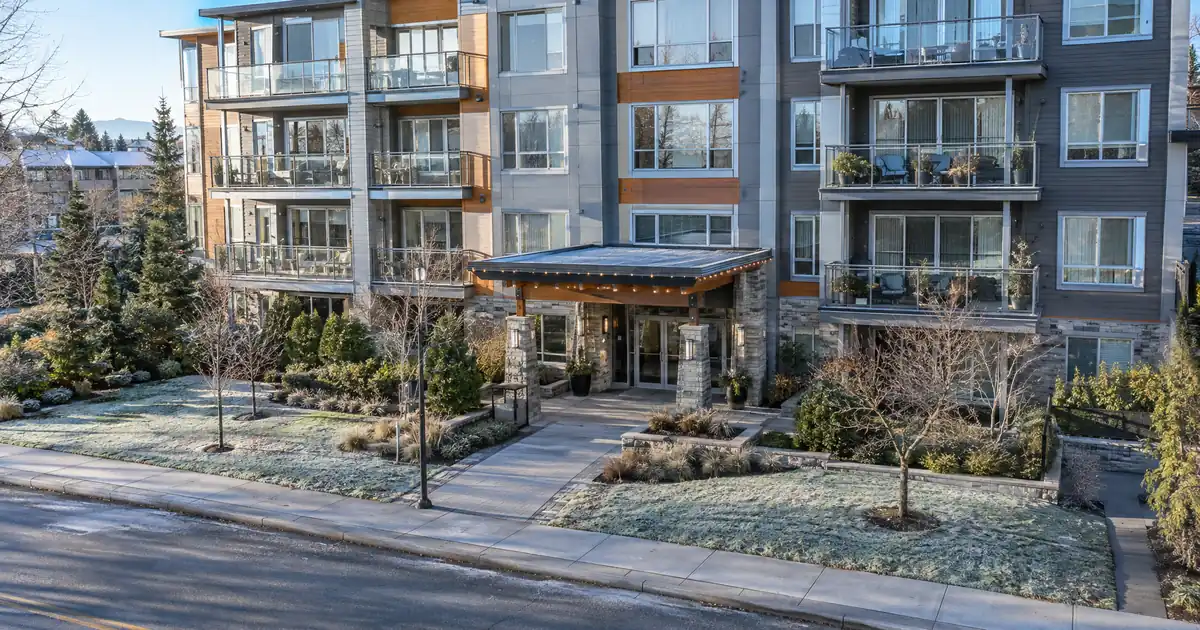
The Quick Read: You show a DSCR lender legal short-term rental use on a condotel with written records tied to your exact unit: building documents that allow nightly rental, a local license or registration covering the unit, and income statements, since a live listing alone proves very little. The building’s rules and the city’s rules are separate approvals, and both have to say yes. Loan eligibility is a third, separate question.
- Gather the declaration, CC&Rs, rental or management agreement, and rental-pool terms before your earnest money deposit becomes non-refundable on a contract.
- Get the unit’s local permission in writing. In a hotel-run building, the operator often holds the license, so ask for a letter showing your unit is covered.
- Expect lower leverage than a standard STR file, a fuller project review, and income measured at the owner level, not the gross booking level.
- Hotel zoning, a rental program, or an active listing each help, but none proves the unit’s right to operate by itself.
Why a Condotel Is Not Just a Condo With Airbnb Guests
A condotel is a building where individually owned units operate like hotel rooms, usually with a front desk, a rental pool, and central management. A regular condo where a few owners host guests is a different animal.
Short-Term Rental Calculator
Run the STR numbers in your market
Rate source: Freddie Mac 30-yr average via FRED® — Federal Reserve Bank of St. Louis · effective Oct 15, 2026
Prefilled with starting assumptions — enter your nightly rate, occupancy, taxes, and insurance for a more accurate picture.
Short-term rental income is documented with a 12-month history or a market data report. Program parameters update from Lendmire’s centralized guideline source.
As of Oct 15, 2026 · General Freddie Mac market benchmark, not a Lendmire loan offer. Nightly rate, occupancy, taxes, and insurance are editable estimates. Qualifying income for short-term rentals varies by program — some use appraisal market rent, others use documented STR history or projections — and is confirmed in underwriting. Not a Loan Estimate, approval, or commitment to lend. Program availability and eligibility are subject to lender guidelines, credit approval, property review, and underwriting.
That difference changes what you have to prove. A true condotel is built for transient stays, so the project-level question mostly answers itself. What remains is unit-level: the rental-pool terms, any limits on your personal use, the operator’s license, and the local registration that covers your unit.
DSCR, or debt service coverage ratio, compares a property’s rent to its full monthly housing obligation. The lender checks whether the property income covers the payment. That is the core of any DSCR file, and the complete DSCR loans guide covers the basics. DSCR loans are designed for non-owner-occupied investment properties. Because they are business-purpose investor loans, they are reviewed differently from a standard owner-occupied mortgage.
Condotels get extra scrutiny on top of that. Across the wholesale network Lendmire works with, they are handled as a separate risk class with a fuller review, not as a routine STR file. Eligibility runs project by project through select lenders, subject to lender guidelines. Short-term rental rules can vary by city, county, HOA, and property type, so investors should confirm local rules before relying on projected rental income.
Key Terms Defined
Condotel: A condominium building where owners’ units are rented to guests like hotel rooms, often through a front desk and a shared rental program.
Rental pool: A program where the operator rents many owners’ units together and splits the revenue by a set formula.
Legal STR use: The documented right to rent a specific unit for short stays, backed by both the building’s rules and the local jurisdiction.
Declaration and CC&Rs: The recorded documents that set what owners may and may not do with their units, including whether nightly rental is allowed.
HOA questionnaire: A form the association completes for the lender, covering rental rules, litigation, delinquent dues, insurance, and reserves.
PITIA: Principal, interest, taxes, insurance, and association dues, which together make up the monthly obligation in the DSCR math.
Transient occupancy tax account: The local registration used to collect and remit lodging taxes on short stays.
The Three Proofs a Lender Wants
Lenders look for three things to line up. The project’s legal structure permits short-term rental. The local jurisdiction permits it for this unit. The income is documented.
Think of it as two permission layers plus a paper trail. The public layer is the city or county: zoning, license, registration, and lodging-tax account. The private layer is the building: the declaration, the HOA rules, and the operator’s agreement. If either layer says no, you do not have an STR deal, whatever the listing history shows.
Legal operation and loan eligibility are also different approvals. A lender’s sign-off does not make your operation lawful, and a valid license does not make the lender’s program fit. You need both.
Step by Step: How the File Gets Proven
Step 1: Classify the project. Decide whether it is a true condotel with a front desk and rental pool, a non-warrantable condo that tolerates STR, or an ordinary condo. The HOA questionnaire is the main gate here, because the answers drive how the lender reviews everything else.
Step 2: Pull the governing documents. Collect the declaration, CC&Rs, bylaws, rules, and any rental or management agreement. Then check four things.
- Is nightly or short-term rental permitted?
- Are there minimum stays, caps, or owner-occupancy rules?
- Is pool participation mandatory or optional?
- Is the owner’s personal use limited?
Pass signal: the documents affirmatively allow short stays. Stop signal: silence on the question or an outright restriction. Silence is not permission.
Step 3: Document local permission for the unit. This may be a license, a registration, a lodging-tax account, or a written zoning confirmation that hotel-type use is allowed. In a licensed hotel-condo building, ask the operator for a letter or certificate showing your unit sits under its license. Never assume local permission from the building’s name or the presence of a front desk.
Step 4: Document the income. Lenders usually want the operator’s trailing revenue statements covering about 12 months, the management agreement showing the revenue split, and platform history if you self-manage. On a purchase, an appraisal-based STR analysis or third-party market data may fill the gap, if the program allows it. Statements should show gross revenue and fees, not only what landed in the owner’s account.
Step 5: Support the income with the appraisal. More on this below, because the standard rent form does not fit nightly stays well.
Step 6: Run the coverage test. The lender divides the income it uses by the full PITIA. Association dues sit on the debt side. They are not subtracted from rent.
Step 7: Clear the conditions. Expect the questionnaire, the association budget, insurance, reserve proof, and entity documents. The file stalls when the HOA is slow to respond, so start those requests early.
The Evidence Ladder: What Proves What
Not every document carries the same weight. This table ranks the common ones from strongest to weakest.
| Document | Issued by | What it proves | What it does not prove |
|---|---|---|---|
| Official determination or unit license | City or county | Lawful use for that unit | HOA permission |
| Zoning or permit letter | Planning office | Use is allowed on the parcel | Your unit’s registration |
| Association confirmation letter | HOA or board | Building rules allow it | City permission |
| Operator or license-holder letter | Hotel operator | Unit sits under its license | Lender eligibility |
| Operator revenue statements | Operator | Income actually earned | Legal right to operate |
| Platform booking history | Booking platform | Guests did stay | Anything about legality |
Read the last row twice. Booking history shows that people stayed, and it says nothing about whether the stays were allowed. Many unlicensed units have clean review histories.
What a Strong Confirmation Letter Says
A weak letter says the property is fine for rentals. A strong one is specific enough for an underwriter to rely on.
- It names the exact unit and the building.
- It states that nightly or short-term rental is permitted, citing the document or ordinance that allows it.
- It identifies the license, registration, or account number that covers the unit.
- It states any limits: minimum stays, owner-use caps, mandatory pool participation.
- It is signed, dated, and on the issuer’s letterhead.
Underwriters question letters that are undated, unsigned, generic, or silent on limits. If a board will not put its position in writing, treat that as a finding, not an inconvenience.
How Underwriting Treats the Income
The lender uses the income it can verify and divides it by PITIA. Two things trip up condotel owners here: the revenue split and the dues.
A rental pool takes a share of gross revenue before the owner is paid, and operator fees come out too. Owner-level net is the realistic number. One BiggerPockets owner described a hotel pool taking a much larger share than private management would, which is why booking totals can mislead. Gross-looking revenue can drop toward the coverage floor once the split and the association dues are counted.
The appraisal is another weak spot. The standard single-family rent schedule was built for monthly leases, and an appraisal-industry firm argues it cannot capture nightly pricing, seasonality, occupancy, and variable fees. Lendmire’s piece How to Prove STR Earnings for a DSCR Cash-Out Refinance walks through that income side in more detail.
Here is where the numbers land on the network’s STR programs. Across the network, standard STR terms run up to 75% LTV on a short-term-rental purchase and up to 70% on a short-term-rental refinance or cash-out. A score of 640 or higher is typical, along with about 12 months of hosting history. Coverage of 1.00 is where select programs start on both purchases and refinances. A separate select-lender path takes coverage below 1.00, with leverage and terms adjusted. Condotels generally sit below those standard ceilings, and reserves commonly run around 6 months of PITIA, though they vary by lender, leverage, and loan size. Every file is underwritten individually, subject to lender guidelines.
One caution about the coverage number. Clearing 1.00 is not the same as positive cash flow. DSCR counts rent against PITIA only. Repairs, vacancy, management, utilities, and capital expenses sit outside it.
DSCR vs. conventional financing
There are two common ways to finance an investment property, and they qualify you differently — here’s how investors weigh them.
Why investors choose it
- Qualifies on the property’s rental income — no personal tax returns, W-2s, or pay stubs needed to document income.
- No personal debt-to-income ceiling to clear, so existing mortgages and obligations don’t cap your borrowing the same way.
- Can be closed in an LLC, keeping the property inside a business entity.
- Built for scaling — not held to the limit on number of financed properties that conventional financing applies.
- Underwriting centers on the deal: generally qualifies when the rent covers the payment, a 1.00x coverage ratio being a common baseline (confirmed in underwriting).
- Designed specifically for investment property, including long-term and, where the program allows, short-term rentals.
Where it’s strong
- Often the lowest ongoing financing cost for a buyer who fully qualifies on personal income — a fit for a first property or a cost-first purchase.
Trade-offs for investors
- Requires full personal income documentation and must fit within a debt-to-income limit — salary, existing debts, and other mortgages all count.
- Typically held in your personal name rather than a business entity.
- Caps how many financed properties you can carry, which can become a ceiling as a portfolio grows.
- Evaluates you as a borrower as much as the property, which usually means more paperwork.
How investors usually choose: a first or single property often optimizes for the lowest financing cost; portfolio builders often optimize for leverage, vesting in an LLC, and scaling past conventional caps. The right answer depends on your goals, the property, and current guidelines — both paths run through select lenders in Lendmire’s wholesale network, with eligibility and terms confirmed in underwriting.
Where the Rule Breaks
Most of the surprises live in a handful of situations. Treatment varies by program, so treat this table as a map and not a promise.
| Situation | How lenders tend to react | What to bring |
|---|---|---|
| Mandatory pool, no opt-out | Some decline; others use pool statements | Pool agreement, 12 months of statements |
| Voluntary rental program | Unit-level income must be verified | Unit statements, opt-in terms |
| Hotel or Resort in legal name | Often screened out or reviewed harder | Questionnaire, declaration |
| Building next to a hotel | Often a non-warrantable condo instead | Questionnaire, rules |
| HOA bars STR, city allows it | Not an STR deal | Nothing; change the plan |
| Under 12 months of history | Appraisal STR analysis, if allowed | Market report, appraisal |
The pool structure deserves a closer look. A mandatory pool with limits on your personal use can raise a flag with lenders. It also has a legal-structure angle: the SEC’s interpretive release on condominium offerings says that real estate sold with rental services can be an investment contract, and that the expected profit can be the revenue from renting the unit. Whether a particular program is a security is a legal question for an attorney. For your file, the practical takeaway is simple: a mandatory pool plus owner-use restrictions gets more attention from everyone.
A brief contrast shows why condotel buyers end up in non-QM. The agency-conforming world treats hotel-style operation as a disqualifier. Fannie Mae’s guide lists registration services, daily or short-term rentals, and central key systems among the traits of ineligible projects. DSCR is not an agency product, so those rules do not govern it. But the same traits explain why a buyer pre-approved on a standard loan can learn that a condotel needs a different path.
From the broker’s chair, a pattern shows up on these files. The loans that stall are rarely about the borrower’s credit. They stall on a silent declaration, a license that expired, or an operator who will not issue a letter. Asking for those items before the contract goes hard is a far cheaper fix than discovering the gap afterward.
A Worked Example (Fictional, Modeled Assumptions)
Say an investor is buying a condotel unit in a hotel-run building with an optional rental program. These are modeled assumptions, not market data.
The investor collects the declaration, which allows nightly rental. The operator issues a letter confirming the unit is covered by the building’s lodging license. The association confirms in writing that the rental program is voluntary and that owner use is unrestricted. The operator supplies about 12 months of statements showing gross revenue, fees, and owner remittances.
Now the math. On gross bookings, the unit looks like it clears roughly 1.3x coverage. After the operator’s share and fees are removed, owner-level income supports closer to 1.05x once association dues are counted in the payment. The file still clears the 1.00 floor, but with little cushion.
The packet goes to the lender in this order: the project documents, the association’s letter, the operator’s license letter, the revenue statements, then the entity documents. If owner-level income were to land below 1.00, a select-lender path takes coverage below 1.00, with leverage and terms adjusted, subject to lender guidelines and property review.
What to Gather, and When
- Before the offer: Ask the seller or listing agent for the declaration, rental terms, and the operator’s contact. A seller who cannot produce them is telling you something.
- Under contract: Order the HOA questionnaire, request the association and operator letters, and confirm the unit’s registration or license.
- At underwriting: Deliver the statements, appraisal analysis, insurance, budget, reserves, and entity documents. The lender may confirm the entity structure, subject to lender program eligibility.
Tax treatment can depend on how the funds are used and how the property is held; investors should keep clear records and speak with a qualified tax professional before relying on any deduction.
Frequently Asked Questions
Is my Airbnb or platform history enough to prove legal use?
No. Booking history shows the unit earned income, but it does not show the stays were permitted. Lenders want the building’s rules and the local permission in writing. Platform history works best as income support alongside those documents.
Does hotel zoning prove I can rent my unit nightly?
Not by itself. Zoning shows what the parcel allows, but your unit still needs to fall under the building’s operating license or registration, and the declaration must permit it. Ask for a zoning confirmation and an operator or city letter naming your unit.
Does being in a rental program count as proof?
It helps with income, and it often signals that the building was designed for transient use. It does not replace the documents. You still need the unit-level license coverage, the rental agreement terms, and statements that show owner-level revenue.
What if the HOA documents are silent on short-term rental?
Silence is a problem, not a green light. Ask the board for a written statement of its position, and get the questionnaire answered. If the board will not commit in writing, most lenders will treat the legality as unproven.
Does a license or permit transfer when I buy?
It depends on the jurisdiction and on who holds the license. In hotel-run buildings the operator usually holds it, so the question becomes whether your unit stays covered. Ask the city or operator directly before you rely on the seller’s registration.
Putting the Packet to Work
If you are buying or refinancing a rental property and want to see how the numbers work, Lendmire can help you compare DSCR loan options based on the property income, credit profile, leverage, and investor goals. As a broker, it arranges financing through select lenders in its wholesale network across 41 markets, including Washington, D.C. Condotel eligibility is decided by those lenders, subject to their guidelines, so a clean documentation packet is the best preparation you can bring.
A condotel’s main appeal is that the building was designed for nightly stays, so a strong file shows how your unit fits that design.
Investors focused on short-term rentals can review DSCR loans for Airbnb and short-term rentals.
About Lendmire
Lendmire is a DSCR-focused mortgage brokerage, NMLS# 2371349, placing investor loans across 41 markets, including Washington, D.C. DSCR eligibility is generally reviewed by the lender around a property’s rental income rather than personal income documentation, which fits LLC-held rentals, self-employed investors, and portfolios scaling past conventional financed-property limits. Scotsman Guide named Lendmire a Top Mortgage Workplace in both 2025 and 2026.
Get Started
Ready to find the right loan for you?
In about 30 seconds you can review financing options available for your investment property. No commitment required.
Informational only. Not a Loan Estimate, approval, or commitment to lend. Program availability and eligibility are subject to lender guidelines, credit approval, property review, and underwriting.
References
1. BiggerPockets, Maui condotel thread
2. Class Valuation, appraisal Form 1007 and short-term rentals
3. SEC Release 33-5347, interpretive release on condominium rental programs
4. Fannie Mae Selling Guide, ineligible projects
This article is part of Lendmire’s short-term rental loan program — full qualification details, guidelines, and scenarios live on the program page.
Related reading: How to Qualify for a DSCR Loan in Missouri · How an STR DSCR Loan Treats a Management Company’s Cut · How to Qualify for a DSCR Loan in Massachusetts
Brandon Miller
Founder & CEO, Mortgage Loan Originator, Lendmire LLC
- Mortgage Loan Originator · NMLS# 1129696 · Verify on NMLS Consumer Access
- North Carolina Real Estate Broker · License# 343312 · Verify on NCREC
- North Carolina Insurance Producer · License# 19053198 · Property, Casualty, Life, Health · Verify on NAIC SBS
- Lendmire LLC · Firm NMLS# 2371349 · Verify firm licensure
Disclosure information. Lendmire is a state-licensed mortgage brokerage under NMLS# 2371349. Lendmire is not a depository institution, direct lender, or financial advisor — all loans referenced are placed through wholesale lender partners and are subject to each lender's underwriting standards. This article is provided for general informational purposes and is not a commitment to lend, nor does it constitute financial, legal, or tax advice. Loan programs, terms, rates, and qualification standards change without notice and depend on borrower profile, property type, and the state in which the subject property is located. Equal Housing Opportunity provider. NMLS Consumer Access: nmlsconsumeraccess.org.