
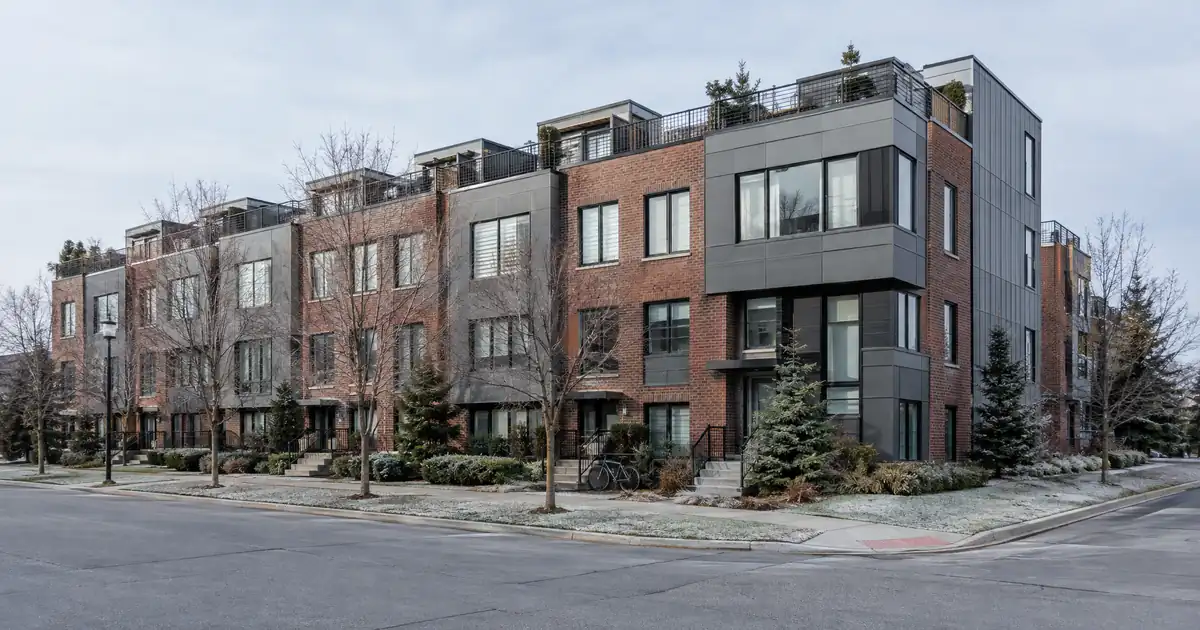
The Quick Read: Start with how each property is underwritten and operated, because that decides how smoothly a first short-term rental (STR) loan goes. A house is reviewed as a borrower plus a property. A condotel adds the building, the hotel operator, and the rental program to the review, which narrows your lender pool and lengthens your document list.
- Both property types run through DSCR loans, which qualify primarily on property-level rental income covering the payment, subject to lender guidelines.
- On STR files, select lenders in the network typically go up to 75% LTV on a purchase and up to 70% on an STR cash-out or refinance.
- Expect a 640+ credit score, a 1.00 coverage floor on STR purchases and on refinances, and about 12 months of hosting history.
- A condotel narrows your lender pool and adds project documents. A house gives you more control and more lenders.
- A 1.00 coverage ratio is not positive cash flow. Repairs, vacancy, management, and utilities sit outside the calculation.
Key Terms Defined
Condotel: a building that is legally a condominium but operates like a hotel, with a front desk and units that can be rented nightly.
DSCR (debt service coverage ratio): monthly rental income divided by the full monthly housing payment, meaning principal, interest, taxes, insurance, and any HOA dues.
PITIA: the full payment lenders count: principal, interest, taxes, insurance, and association dues.
Rental pool: a program where the operator collects rent from many owners’ units and splits the revenue.
LTV (loan-to-value): the loan amount as a percentage of the property’s appraised value.
Seasoning: the waiting period or track record a lender wants before it trusts a number, such as hosting history.
Reserves: liquid cash a lender wants you to hold after closing, usually counted in months of payments.
Short-Term Rental Calculator
Run the STR numbers in your market
Rate source: Freddie Mac 30-yr average via FRED® — Federal Reserve Bank of St. Louis · effective Oct 15, 2026
Prefilled with starting assumptions — enter your nightly rate, occupancy, taxes, and insurance for a more accurate picture.
Short-term rental income is documented with a 12-month history or a market data report. Program parameters update from Lendmire’s centralized guideline source.
As of Oct 15, 2026 · General Freddie Mac market benchmark, not a Lendmire loan offer. Nightly rate, occupancy, taxes, and insurance are editable estimates. Qualifying income for short-term rentals varies by program — some use appraisal market rent, others use documented STR history or projections — and is confirmed in underwriting. Not a Loan Estimate, approval, or commitment to lend. Program availability and eligibility are subject to lender guidelines, credit approval, property review, and underwriting.
What Is Actually Different About the Two Properties?
A house is land plus a building you control. A condotel is a unit inside a hotel-style building you share with other owners and an operator. That one difference changes the paperwork, the lender pool, and who controls your income.
Per Investopedia’s definition as summarized on Wikipedia, units in a condo hotel are individually owned. The owner can place the unit in the hotel’s rental program, where it rents like any other room. You own real property, not a timeshare.
Here is the side-by-side.
| Factor | Condotel | House |
|---|---|---|
| Ownership | Unit in a hotel-style building | Land and building |
| Who is reviewed | Borrower, unit, building, operator | Borrower and property |
| Management | Often operator-run, revenue split | Self-managed or hired manager |
| Income control | Limited by program terms | You set pricing and rules |
| Rental rules | Building usually built for nightly use | Local and HOA rules apply |
| Lender pool | Narrower | Broader |
| Comparable sales | Scarcer | Usually deeper |
| Exit | Smaller buyer pool | Wider buyer pool |
One caution. A condo that merely allows short-term rentals is not a condotel. A self-managed condo STR has no front desk, no hotel operator, and no mandatory rental program. Lenders can treat it as a different property type, so classify yours correctly before you shop.
How Does a Lender See Each Property?
The lender sees one file for a house and a bigger file for a condotel. For a house, the reviewer checks your credit, reserves, the appraisal, title, hazard insurance, and entity documents if you close in an LLC, subject to program terms. That is the whole stack.
A condotel adds layers. Expect to supply the condo questionnaire, HOA documents and budget, the rental-program agreement, and the master insurance policy. Your own HO-6 interior coverage is a separate requirement.
The agency world shows why this is a separate lane. Fannie Mae’s Selling Guide lists projects that operate as hotels as ineligible, naming markers like registration services, daily short-term rentals, daily cleaning, and central key systems. DSCR loans are not agency products, so this is contrast only. It explains why a condotel gets financed through non-agency investor lenders and why some of those lenders pass on the category entirely. A broker who works with many lenders matters here.
How Is STR Income Counted on a First Loan?
Lenders count STR income from documents, and a first-time buyer has fewer documents than a veteran host. Common evidence includes trailing 12-month platform or property-manager statements, bank deposits, a third-party projection for a property with no history, and a long-term-rent fallback from an appraisal.
Know what the appraisal does and does not do. Fannie Mae’s June 2024 Appraiser Update says the rent schedule form was not designed for single-family STRs. It asks for monthly rent from comparables leased by the month, and it calls multiplying a nightly rate by 30 incorrect. The same page notes the form can also be used for condominium investment properties. The appraisal sets value, which drives LTV. It does not prove your nightly income.
Three habits help on any STR file:
- Average the year. A trailing 12-month figure blends peak and slow months. Never annualize a peak season.
- Expect a discount on projections. Lenders typically haircut projected income more than documented history. Exact factors vary by program.
- Plan for the hosting-history ask. Most STR programs we place files with expect about 12 months of host experience. A first-timer should talk to a broker before offering, not after.
A house with no history leans on a projection or the rent fallback. A condotel can offer something a house cannot: the seller’s operator statements, which show real documented income. That can strengthen a file compared with a pure projection, though the lender decides how to use it.
What Is the Condotel Income Wrinkle?
Condotel income usually flows through the operator’s program, so your number is the owner’s share after the split. A condotel’s headline room revenue is not your income. Use the owner’s statement from the operator, net of the split.
The split is commonly a revenue share with the operator. Because the operator also takes fees on top of HOA dues, a mortgaged condotel can have thin margins after everything is paid. Investor commentary on BiggerPockets raises exactly this net-yield concern, and it is a fair question to put to any seller.
Rental pools carry another point. Under federal securities law, a condo sold with a rental pool can be treated as an investment contract. The Saddlebrook Resorts annual report filed with the SEC describes its optional rental pool that way and states that no return is guaranteed. Passive does not mean guaranteed. Mandatory-pool, restricted-owner-use buildings are also the deals a given lender is most likely to decline.
Worked Example: Same Price, Two Properties
Run the numbers on a hypothetical purchase at the same price for each property. These are modeled assumptions, not market data. The example uses ratios, not dollar payments.
| Step | House | Condotel |
|---|---|---|
| Income source | Projection or rent fallback | Operator statement, net of split |
| Monthly obligation | Principal, interest, taxes, insurance | Same, plus HOA dues |
| Modeled coverage | Roughly 1.15x | Roughly 1.05x |
| Reading | Clears 1.00 with some cushion | Clears 1.00 narrowly |
| Cash after expenses | Depends on your management and upkeep | Depends on dues and operator fees |
The house clears with more cushion because it carries no HOA dues and no operator split. The condotel clears 1.00 narrowly, and any dip in occupancy pushes it under. Both leave real questions unanswered, because clearing 1.00 does not mean positive cash flow. Repairs, vacancy, management, utilities, and capital costs all sit outside the DSCR math.
If a file lands below 1.00, a separate path exists. 1.00 is where many select programs start; a separate select-lender path takes coverage below 1.00 with leverage and terms adjusted.
How Much Cash Do You Need?
Plan on more liquidity for a condotel. Across most STR programs, leverage tops out at 75% LTV on an STR purchase and 70% on an STR cash-out or refinance. Those are ceilings for the strongest files, not promises. A condotel file may land lower, and an appraisal that comes in low cuts the loan further, since condotel values tend to follow tourism more than the general housing market.
Reserves vary by lender, leverage, loan size, and transaction type. They commonly run around six months of PITIA, and loans above $1,500,000 typically step up. Condotel files can draw a heavier reserve ask from some lenders. Loan sizes on standard programs go up to $3,000,000.
A larger down payment lowers the payment and can lift the coverage ratio. It never erases leverage caps, credit floors, reserve rules, or property eligibility. The strongest files clear both tests: enough equity and enough rental coverage. For the broader mechanics, see the complete DSCR loans guide.
Where Does Each Property Break the Rule?
Each type has edge cases that flip the usual ranking.
- A house in a regulated market. Short-term rental rules can vary by city, county, HOA, and property type, so investors should confirm local rules before relying on projected rental income. A condotel building is usually already built and permitted for nightly use, which is investor commentary rather than a guarantee.
- A regular condo. Many condos restrict lease terms, and HOAs control screening and assessments, as a BiggerPockets discussion of condo rentals describes. Do not assume a condo allows STRs.
- Special assessments. A condotel owner shares building-wide repair bills. A house owner pays for the roof alone, but also decides when.
- Ineligible structures. Manufactured homes, log homes, and barndominiums are not offered in the network’s DSCR programs, so a rural STR cabin in one of those forms is not an option.
- A brand on the building. A hotel flag by itself does not make a unit a condotel. Operation does.
Practitioner pattern: on first-STR files, the surprise is rarely the ratio. It is the document chase. Condotel files stall when the rental-program agreement or master policy is missing, while house files stall when hosting history or a permit is unclear. Gathering both early keeps the file moving through lender review.
Which One Fits Which Buyer?
Pick by control and documentation, not by brochure.
- Hands-off buyer, no local presence: a condotel’s operator can run it, if you accept the split and the narrower lender pool.
- Hands-on buyer who wants pricing control: a house, provided local rules allow STRs.
- Buyer short on cash: the house usually asks for less liquidity, though neither is cheap.
- Buyer planning to resell: a house typically draws a wider buyer pool, while condotel financing difficulty can narrow future buyers.
Ask yourself four questions before offering. Can I document the income this property will produce? Will the building or the city let me rent nightly? Can I carry the reserves? Is my exit realistic? Four yeses means you can compare real files. Any no is your answer.
For more on the first-time buyer’s side of this choice, see Lendmire’s piece Condotel vs Single-Family House for a First STR Buyer.
Pre-Offer Checklist
For a house: local permit status, hazard insurance quotes that cover STR use, entity documents if closing in an LLC (subject to lender program eligibility), and a realistic income source.
For a condotel: the rental-program agreement (mandatory or optional?), owner-use limits, HOA budget and recent assessments, the master policy, and the operator’s net-of-split statements.
Tax treatment can depend on how the funds are used and how the property is held; investors should keep clear records and speak with a qualified tax professional before relying on any deduction.
If you are buying a first rental and want to see how the numbers work, Lendmire can help you compare DSCR loan options based on the property income, credit profile, leverage, and investor goals.
Frequently Asked Questions
Is a house easier to finance for a first STR?
Usually, yes. A house has more lenders, a simpler document list, and deeper comparable sales. You still need roughly a 640+ score and about 12 months of hosting history on most STR programs, subject to lender guidelines. The house is easier, not easy.
Does a condo that allows short-term rentals count as a condotel?
No. A condotel operates like a hotel, with a front desk, an operator, and usually a rental program. A self-managed condo STR has none of those, and lenders can treat it as a separate property type. Classification drives which lenders will review it.
Can an appraisal prove my STR income?
No. The appraiser values the real property, not your business income, and the standard rent form is built around monthly rent, not nightly rates. Lenders rely on statements, deposits, or projections for STR income.
What happens if the rental program changes after I buy?
Your income can change with it. Revenue splits, fees, and owner-use terms sit in the program agreement, which is why you read it before you offer. A lender reviewing a refinance later will look at the then-current statements.
Can I live in a condotel I finance this way?
DSCR loans are for non-owner-occupied investment properties. Because they are business-purpose investor loans, they are reviewed differently from a standard owner-occupied mortgage. Personal use is a question for your lender and the rental program terms.
About Lendmire
Lendmire, NMLS# 2371349, is a mortgage brokerage focused on investor financing, arranging DSCR loans in 40 states plus Washington, D.C. — 41 markets total. Qualification is based on the property’s income rather than personal income documentation, subject to lender guidelines, making it a fit for LLC-held rentals and scaling portfolios. Scotsman Guide named Lendmire a Top Mortgage Workplace in both 2025 and 2026.
Get Started
Ready to find the right loan for you?
In about 30 seconds you can review financing options available for your investment property. No commitment required.
Informational only. Not a Loan Estimate, approval, or commitment to lend. Program availability and eligibility are subject to lender guidelines, credit approval, property review, and underwriting.
References
1. Condo hotel definition (Wikipedia, citing Investopedia)
2. Fannie Mae Selling Guide B4-2.1-03
3. Fannie Mae Appraiser Update June 2024
4. BiggerPockets: Investing in Condotel in St. Pete FL
5. BiggerPockets: Pros and Cons of Condos for a Rental Portfolio
This article is part of Lendmire’s short-term rental loan program — full qualification details, guidelines, and scenarios live on the program page.
Related reading: How to Qualify for a Short-Term Rental DSCR Loan for a Condotel With No History · Can You Get a DSCR Loan for an Airbnb in Illinois? · Can You Put 15% Down on a DSCR Loan for a Condotel Airbnb?
Brandon Miller
Founder & CEO, Mortgage Loan Originator, Lendmire LLC
- Mortgage Loan Originator · NMLS# 1129696 · Verify on NMLS Consumer Access
- North Carolina Real Estate Broker · License# 343312 · Verify on NCREC
- North Carolina Insurance Producer · License# 19053198 · Property, Casualty, Life, Health · Verify on NAIC SBS
- Lendmire LLC · Firm NMLS# 2371349 · Verify firm licensure
Disclosures. The information presented in this article is general market commentary, not financial, legal, or tax advice. Lendmire is a mortgage brokerage (NMLS# 2371349) — not a direct lender or depository institution — and loan placement is subject to lender underwriting. Nothing in this content represents a commitment to lend. Loan terms, pricing, and program availability vary based on borrower qualifications, property characteristics, and state of subject property, and are subject to change at any time. Lendmire complies with Equal Housing Opportunity requirements. Consumer access: nmlsconsumeraccess.org.