
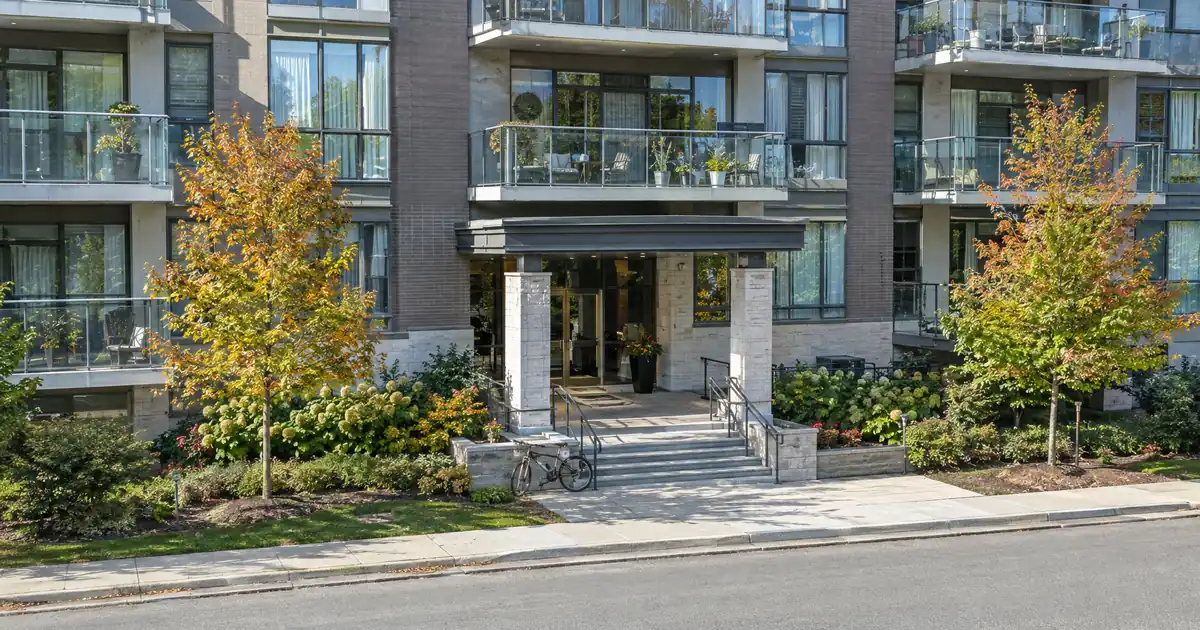
The Quick Read: A condotel is a condo building run like a hotel. Before a DSCR lender funds a unit in one, it reviews the building and its HOA paperwork, not just your rent and credit. Two separate gates have to pass: the HOA must allow your rental term, and the lender must accept the project.
- The condo questionnaire, completed by the HOA or its management company, is the gatekeeping document.
- The declaration, bylaws, and house rules decide whether your stay length is allowed.
- Budget, reserves, delinquencies, litigation, and master insurance show whether the building is healthy.
- A rental-pool or hotel-management agreement narrows the lender pool and gets read closely.
- Dues sit in the payment, so heavy resort fees lower your coverage ratio.
Condotel financing is a narrow lane. Whether a given building is offered depends on the lender, the property, and the current guidelines, so confirm the building’s status early with a broker before you spend money on diligence.
Short-Term Rental Calculator
Run the STR numbers in your market
Rate source: Freddie Mac 30-yr average via FRED® — Federal Reserve Bank of St. Louis · effective Oct 15, 2026
Prefilled with starting assumptions — enter your nightly rate, occupancy, taxes, and insurance for a more accurate picture.
Short-term rental income is documented with a 12-month history or a market data report. Program parameters update from Lendmire’s centralized guideline source.
As of Oct 15, 2026 · General Freddie Mac market benchmark, not a Lendmire loan offer. Nightly rate, occupancy, taxes, and insurance are editable estimates. Qualifying income for short-term rentals varies by program — some use appraisal market rent, others use documented STR history or projections — and is confirmed in underwriting. Not a Loan Estimate, approval, or commitment to lend. Program availability and eligibility are subject to lender guidelines, credit approval, property review, and underwriting.
Why Does the Lender Review the Building and Not Just the Unit?
Because the unit’s income depends on the building. A DSCR loan is underwritten to the property, and in a condo the property includes shared systems, shared money, and shared rules. If the HOA is underfunded, in litigation, or bans your rental term, the unit’s rent number means little.
A condotel adds hotel traits to that picture. These include a front desk, housekeeping, a central reservation system, a rental pool layered on top of the deed, and governing documents that cap how much owners can use their own unit. A building can also be pulled into condotel-style review when short-term rental activity is heavy, even without a formal hotel operation.
Here is where the agencies come in, briefly, for contrast. Fannie Mae’s condo FAQ defines “primarily transient” as predominant use of units for short-term rentals. That trait alone makes a project ineligible for agency loans. That is why these buildings land in non-agency lending. It is not a DSCR rule. DSCR programs set their own project review, and across the lenders in Lendmire’s wholesale network, the review is stricter on condotels than on ordinary condos.
The Two Gates: HOA Permission vs. Lender Approval
The two gates are decided by different parties using different documents. Passing one does not pass the other.
| Question | Who decides | Document that answers it |
|---|---|---|
| Can I rent for my planned stay length? | HOA / governing documents | Declaration, bylaws, house rules |
| Is the building acceptable collateral? | Lender | Condo questionnaire, budget, insurance |
| Is the rental program a problem? | Lender | Rental-pool or management agreement |
| Does the city allow it? | Local government | Local permit or ordinance |
A rental ban in the recorded documents cannot be fixed by loan structure. No lender can approve around it. Short-term rental rules can vary by city, county, HOA, and property type, so investors should confirm local rules before relying on projected rental income.
What Is in the HOA Document Package?
The package usually includes the questionnaire, budget, master insurance evidence, declaration or CC&Rs, bylaws, house rules, recent board minutes, litigation statements, and any rental-pool or hotel-management agreement. Each one answers a specific lender question.
| Document | What the lender checks | Red flag |
|---|---|---|
| Condo questionnaire | Ownership mix, finances, litigation, rental program | Hotel or pooling box checked |
| Declaration / bylaws / rules | Minimum stay, caps, owner-use limits | Ban or longer minimum than your plan |
| Budget and reserves | Funding for repairs, dues health | Thin reserves, rising dues |
| Delinquency and litigation | Owner defaults, legal exposure | High unpaid dues, active suits |
| Master insurance | Building coverage type and adequacy | Gaps or lapses |
| Rental-pool agreement | Term, exit rights, fee split | Long lock-in, mandatory participation |
The questionnaire comes first
The HOA or its management company completes it. The only public template is the agency version, Freddie Mac’s Form 476, and many non-agency lenders use that format or a variant. Question 8 asks the board to check whether the project has hotel or motel activities, rental-pooling arrangements (mandatory or voluntary), or limits on an owner’s ability to occupy the unit.
TheHOAGuide calls that box the condotel question and one of the quickest routes to a rejection. The form also carries an addendum on building safety and deferred maintenance. We cite the form for its wording, not as a DSCR requirement.
Turnaround depends on the management company, and some HOAs charge a fee. Request it early. A stalled questionnaire is among the most common reasons a condotel file sits idle.
How Do You Read a Rental-Pool Agreement?
Look for five things. Is participation mandatory or voluntary? How long is the term? Can an owner exit, and on what terms? How is the revenue split between owner and operator? What happens to owners if the operator fails?
Both mandatory and voluntary pools narrow the lender pool. Mandatory pools tend to draw the closest scrutiny because the owner gives up control of the unit. If the language is ambiguous, ask for written clarification from the HOA or operator rather than relying on the seller or listing agent. A FastExpert thread also points to the reserve study and the last two years of board minutes as places where trouble shows up first.
The Review Sequence, Step by Step
Here is how the file typically moves.
1. Classify the project. The lender sorts the building as standard, non-warrantable, or condotel. The documents decide this, not the marketing name.
2. Gather the package. The processor collects the questionnaire and supporting documents.
3. Read the rental term. The governing documents decide whether your stay length is permitted.
4. Test the building’s health. Reviewers weigh reserves, delinquent dues, investor concentration, commercial space, litigation, insurance, and special assessments.
5. Verify income. The lender reviews rental evidence and divides it by the full payment.
6. Order the appraisal. The appraiser documents market rent for the unit.
7. Final underwriting. The underwriter ties the borrower file and project review together.
Project review runs alongside borrower review, so it adds work to the file. Ordering the questionnaire and HOA package before or alongside the application keeps it from becoming the bottleneck.
How Does Income Evidence Work in a Condotel?
DSCR divides rent used for lender review by the full monthly obligation: principal, interest, taxes, insurance, and HOA dues. Dues sit in the denominator. They are not netted from rent, so high resort dues pull the coverage number down directly.
Short-term income evidence typically comes from an appraiser’s short-term rental analysis, trailing platform or manager statements, bank deposits, or a market projection. In a pooled condotel, the operator’s statements are the cleanest trailing evidence. For a self-managed, platform-listed unit, your own platform history carries more weight. Which clauses and documents matter changes with that difference.
On appraisals, Form 1007 (the single-family rent schedule) and Form 1025 (the 2-4 unit form) are built around monthly leases. An appraisal vendor, Class Valuation, argues the 1007 cannot support short-term income and can produce an artificially low ratio, so appraisers use a labeled short-term rental income analysis instead. Multiplying a nightly rate by 30 and calling it monthly rent is a common mistake.
Across our wholesale network, short-term rental files typically run up to 75% LTV on a purchase and about 70% on a refinance or cash-out of short-term rental collateral. Most programs expect a score of 640 or higher, about 12 months of hosting history, and coverage of at least 1.00 on both purchases and refinances. Standard programs go up to $3,000,000. All of this is subject to lender guidelines and varies by borrower, property, and loan scenario. Coverage below 1.00 is available through select lenders in the network, with leverage and terms adjusted.
Clearing 1.00 is not positive cash flow. DSCR compares rent to the payment only. Repairs, vacancy, management, utilities, and capital costs sit outside it, so run your own operating budget.
Where the General Rule Breaks
These are the edge cases that change the answer.
- Rental ban or longer minimum stay. This is a hard stop for that strategy. Re-run the deal on a longer term or choose another building. BiggerPockets notes that many HOAs restrict short-term rentals and some adopt longer minimum-stay requirements.
- Rental cap. A full cap is usually a stop. A cap with a waitlist needs written proof you can rent.
- Rules adopted after the fact. Courts can treat recorded declaration restrictions differently from board-adopted rules, and the treatment varies by state. Read the recorded declaration itself, not a marketing sheet or board summary.
- A warrantable-looking building that behaves like a condotel. Heavy short-term rental density can trigger condotel-style review.
- Other income tracks. Personal income documentation proves the borrower, not the building. Never blend personal deposits with unit rental income.
- Listings as proof. Other Airbnb listings in the building are only a hint. Owners sometimes rent in violation of the rules.
- Ineligible property types. Manufactured homes, log homes, and barndominiums are not offered in these DSCR programs.
DSCR vs. conventional financing
There are two common ways to finance an investment property, and they qualify you differently — here’s how investors weigh them.
Why investors choose it
- Qualifies on the property’s rental income — no personal tax returns, W-2s, or pay stubs needed to document income.
- No personal debt-to-income ceiling to clear, so existing mortgages and obligations don’t cap your borrowing the same way.
- Can be closed in an LLC, keeping the property inside a business entity.
- Built for scaling — not held to the limit on number of financed properties that conventional financing applies.
- Underwriting centers on the deal: generally qualifies when the rent covers the payment, a 1.00x coverage ratio being a common baseline (confirmed in underwriting).
- Designed specifically for investment property, including long-term and, where the program allows, short-term rentals.
Where it’s strong
- Often the lowest ongoing financing cost for a buyer who fully qualifies on personal income — a fit for a first property or a cost-first purchase.
Trade-offs for investors
- Requires full personal income documentation and must fit within a debt-to-income limit — salary, existing debts, and other mortgages all count.
- Typically held in your personal name rather than a business entity.
- Caps how many financed properties you can carry, which can become a ceiling as a portfolio grows.
- Evaluates you as a borrower as much as the property, which usually means more paperwork.
How investors usually choose: a first or single property often optimizes for the lowest financing cost; portfolio builders often optimize for leverage, vesting in an LLC, and scaling past conventional caps. The right answer depends on your goals, the property, and current guidelines — both paths run through select lenders in Lendmire’s wholesale network, with eligibility and terms confirmed in underwriting.
What Happens When a File Stalls?
Most stalls trace to one missing or unclear document.
| Symptom | Likely cause | Fix |
|---|---|---|
| No movement after application | Questionnaire not returned | Call the management company; confirm the fee |
| Lender asks about rental terms | Rules unclear or unrecorded | Get written confirmation from the HOA |
| Project review pushed back | Pooling or hotel box checked | Provide the full rental-pool agreement |
| Ratio comes in low | Dues higher than assumed | Re-run with actual dues, or lower the leverage |
| Insurance questions | Master policy gaps | Request the current certificate |
What Should You Do Before You Make an Offer?
Treat the HOA package as due diligence, not a closing chore. Request the declaration, rules, budget, reserve study, and recent minutes before the offer. Ask the management company for the questionnaire the moment you go under contract. Get permission to rent in writing, not verbally.
Watch the cash-flow side too. Special assessments and reserve shortfalls hit your cash even when the ratio passes. A local news report gives one example above $49,000 per unit in a single California development and notes that insurance generally does not cover an ordinary special assessment. Also remember that a narrow lender pool at purchase means a narrow buyer pool at resale.
For a related look at coverage, Lendmire’s piece How to Stress-Test an Airbnb at Long-Term Rent Before Your DSCR Lender Does shows how to pressure-test the income side. For rental restrictions specifically, see Lendmire’s article Can a DSCR Lender Finance a Condotel Airbnb With HOA Rental Caps?. The broader mechanics live in the complete DSCR loans guide.
If you are buying or refinancing a rental property and want to see how the numbers work, Lendmire can help you compare DSCR loan options based on the property income, credit profile, leverage, and investor goals.
Key Terms Defined
Condotel: A condo building operated like a hotel, usually with a front desk, housekeeping, and a rental program.
Condo questionnaire: A form the HOA completes about the building’s finances, ownership mix, litigation, and rental activity.
Rental pool: An arrangement where owners’ units are rented together through an operator, with income shared by formula.
Non-warrantable: A condo project that falls outside agency eligibility rules, often because of rental use, litigation, or ownership concentration.
PITIA: Principal, interest, taxes, insurance, and association dues: the full monthly obligation in the DSCR calculation.
Special assessment: A one-time charge to owners to fund repairs or shortfalls.
Frequently Asked Questions
Can a DSCR lender approve a condotel if the HOA bans short-term rentals?
No. Loan eligibility and legal operating status are separate systems. If the governing documents bar your rental term, no loan structure fixes that. You would need a longer-term strategy or a different building.
Is the condo questionnaire really that important?
Yes. It is the main document the lender uses to judge the building. It covers ownership mix, finances, litigation, and rental program structure. A checked hotel or pooling box can change how the whole file is treated.
When should I order the HOA documents?
Before the offer where possible, and no later than going under contract. The questionnaire depends on the management company’s turnaround, and some HOAs charge a fee. Early requests keep it from stalling the file.
Do high HOA dues affect my DSCR?
Yes. Dues are part of the payment in the denominator, so higher resort dues lower your coverage ratio. They are not subtracted from rent.
Is a condotel reviewable through DSCR at all?
Sometimes. Non-agency programs exist, but the lender pool is narrow and decided case by case, so confirm the building’s status with your broker before you commit. Short-term rental rules can vary by city, county, HOA, and property type.
About Lendmire
Lendmire, NMLS# 2371349, is a mortgage brokerage focused on investor financing, arranging DSCR loans in 40 states plus Washington, D.C. — 41 markets total. Qualification is based on the property’s income rather than personal income documentation, subject to lender guidelines, making it a fit for LLC-held rentals and scaling portfolios. Scotsman Guide named Lendmire a Top Mortgage Workplace in both 2025 and 2026.
Get Started
Ready to find the right loan for you?
In about 30 seconds you can review financing options available for your investment property. No commitment required.
Informational only. Not a Loan Estimate, approval, or commitment to lend. Program availability and eligibility are subject to lender guidelines, credit approval, property review, and underwriting.
References
2. Freddie Mac condo questionnaire, full form
3. TheHOAGuide: condo questionnaire
4. FastExpert: resort condo rental setups
5. Class Valuation: Form 1007 and short-term rentals
6. BiggerPockets: Airbnb questions to ask
7. STL News: HOA special assessments
This article is part of Lendmire’s short-term rental loan program — full qualification details, guidelines, and scenarios live on the program page.
Related reading: Can a Luxury Condo Buyer Get One DSCR Lender for Four Tower Units? · How a Luxury Rental DSCR Loan Works in Whitefish · How to Get a Cash-Out Refinance on a Former Airbnb With DSCR
Brandon Miller
Founder & CEO, Mortgage Loan Originator, Lendmire LLC
- Mortgage Loan Originator · NMLS# 1129696 · Verify on NMLS Consumer Access
- North Carolina Real Estate Broker · License# 343312 · Verify on NCREC
- North Carolina Insurance Producer · License# 19053198 · Property, Casualty, Life, Health · Verify on NAIC SBS
- Lendmire LLC · Firm NMLS# 2371349 · Verify firm licensure
Important disclosures. Lendmire (NMLS# 2371349) is a licensed mortgage brokerage. Lendmire is not a direct lender, depository institution, or financial advisor. All loan inquiries are subject to lender underwriting; this article does not constitute a commitment to lend. Rates, terms, and program guidelines are subject to change without notice and vary by borrower profile, property type, and state. Information in this article is general in nature and is not financial, legal, or tax advice. Equal Housing Opportunity. NMLS Consumer Access: nmlsconsumeraccess.org.