
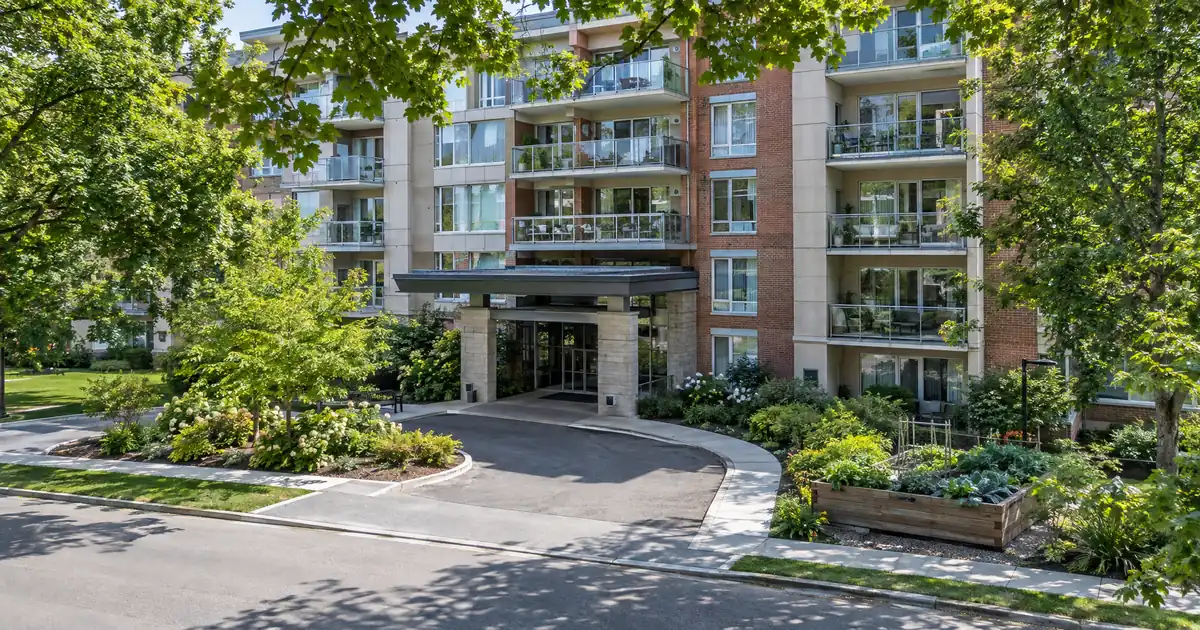
The Quick Read: Usually not, because a condotel loan asks a first-time STR buyer to clear the narrowest lender pool, the lowest leverage, and the thinnest coverage on a property whose income an operator controls, all before the buyer has any hosting history of their own. It can work for a buyer with strong credit, extra cash, and an operator agreement that holds up under review.
- Condotels sit outside agency-backed conventional programs, so the lender pool is small.
- The lender counts your share of the income after the operator’s cut, not the gross revenue in the pitch deck.
- Resort-level HOA dues land in the payment side of the coverage ratio.
- Leverage on condotels is typically set below the standard short-term-rental ceilings, so you bring more cash.
- Clearing 1.00 coverage does not mean the unit puts money in your pocket.
Short-term rental rules can vary by city, county, HOA, and property type, so investors should confirm local rules before relying on projected rental income.
Short-Term Rental Calculator
Run the STR numbers in your market
Rate source: Freddie Mac 30-yr average via FRED® — Federal Reserve Bank of St. Louis · effective Oct 15, 2026
Prefilled with starting assumptions — enter your nightly rate, occupancy, taxes, and insurance for a more accurate picture.
Short-term rental income is documented with a 12-month history or a market data report. Program parameters update from Lendmire’s centralized guideline source.
As of Oct 15, 2026 · General Freddie Mac market benchmark, not a Lendmire loan offer. Nightly rate, occupancy, taxes, and insurance are editable estimates. Qualifying income for short-term rentals varies by program — some use appraisal market rent, others use documented STR history or projections — and is confirmed in underwriting. Not a Loan Estimate, approval, or commitment to lend. Program availability and eligibility are subject to lender guidelines, credit approval, property review, and underwriting.
What Is a Condotel, and How Is It Different From a Regular Condo?
A condotel is a condominium run like a hotel. You own real property, and an operator rents the unit to nightly guests. NBC News notes that a condotel is not a timeshare, because buyers own the unit itself and can use it or rent it out.
The structure began when developers pre-sold units as condominiums. They then brought in a management company to run the building like a hotel. Owners could rent their units when they were not using them.
A regular condo you run as a short-term rental is a different animal. You set the prices, pick the platform, and handle guests or hire a cleaner. In a condotel, the operator and the building rules decide most of that for you.
DSCR loans are designed for non-owner-occupied investment properties. Because they are business-purpose investor loans, they are reviewed differently from a standard owner-occupied mortgage.
Why Is Financing Narrower for a Condotel?
Financing is narrower because agency-backed conventional programs apply project standards that most condotels do not meet. That pushes buyers toward non-QM and DSCR lenders, and only some of those lenders take the property type at all.
Across the wholesale network Lendmire works with, the pattern is consistent. Many lenders pass on condotels outright. A few select lenders will review them, and those lenders tighten the terms.
The lender is nervous for three reasons. It has less control over the collateral, since the operator and building rules shape the income. The resale pool is smaller. And the income runs through a third party.
A DSCR loan is reviewed primarily on property-level rental income covering the payment, subject to lender guidelines. Lendmire is a broker that arranges these loans through select lenders in its network, so a condotel file starts with finding which lenders review the building. Rates and terms are never one-size-fits-all.
Key Terms Defined
DSCR (debt service coverage ratio): the property’s monthly rental income divided by its monthly housing payment.
PITIA: principal, interest, taxes, insurance, and association dues, which together make up the payment in the ratio.
Condotel: a condominium operated like a hotel, with nightly rentals run by an operator.
Rental pool: an arrangement where owners’ units are rented together and income is split by a formula.
Hosting history: a record of past short-term-rental performance, usually shown through platform or operator statements.
Reserves: liquid cash you hold after closing, usually counted in months of PITIA.
Non-warrantable: a condo project that fails the standards agency-backed conventional lenders use, which is why it needs a different loan type.
Disadvantage 1: The Lender Counts Your Net Share, Not Gross Revenue
A common trap for a first-time buyer is the income number. A pitch deck shows gross room revenue. The lender looks at what actually reaches the owner after the rental-pool split and operator fees.
HOA dues sit on the other side of the ratio, in PITIA. So the numerator shrinks and the denominator grows at the same time.
Here is a modeled illustration, not a market figure. Say a unit looks like 1.25x coverage on gross revenue. Assume the owner keeps 55 of every 100 in gross income after the operator’s share. The lender’s view drops to roughly 0.69x.
| Layer | What it counts | Modeled result |
|---|---|---|
| Gross view | All room revenue | About 1.25x |
| Lender view | Owner’s net share vs. full PITIA | About 0.69x |
| In-pocket view | Lender view minus repairs, vacancy, utilities, capex | Lower than the lender view |
That 0.69x file is below 1.00. Coverage below 1.00 is available through select lenders in the network, with leverage and terms adjusted. It is a separate path from the programs that start at 1.00, and it usually means more cash down.
The third row matters most. DSCR compares rent to PITIA only. Clearing 1.00 is not positive cash flow, because repairs, vacancy, management, utilities, and capital expenses sit outside the calculation.
Disadvantage 2: The Operator Controls the Income
In a condotel you do not set nightly prices, pick the marketing, or choose who cleans. The rental-program agreement sets the revenue split, the fees, personal-use limits, and whether the pool is mandatory or optional.
Lenders read this agreement closely. A mandatory pool with no opt-out may disqualify the building at some lenders and be acceptable at others. Eligibility depends on the program.
For a first-timer, the agreement is the real property you are buying. Read these terms before you make an offer:
- How long the contract runs and whether it renews automatically.
- Whether the operator has exclusive rights to rent your unit.
- How the revenue split and fees are calculated, and whether they can change.
- What happens to your income if the operator is replaced or leaves.
- How many nights you may use the unit yourself.
You also depend on the operator filling rooms like a hotel does. Occupancy is never 100%, and income follows the tourism cycle of the destination.
Do Securities Rules Matter to a Condotel Buyer?
They can, and it is a reason to have an attorney read the documents. The SEC’s 1973 interpretive release says that offering condominium units together with rental services can amount to offering an investment contract. It names resort condominiums as a common example.
That is mainly the developer’s problem. Akerman LLP notes that developers go to considerable lengths to structure condo-hotel offerings so they are not securities, because registration is slow and costly. A hospitality attorney writing in Hotel Executive explains how the release applies to developer-run rental programs.
Courts have limited how far the release reaches, so not every condotel is a security. The takeaway for you is practical. The rental-program contract is complicated enough that you should not sign it on the strength of a sales presentation.
Disadvantage 3: Building and HOA Risk
Condotel buildings carry resort-level dues. They also carry the risk of special assessments for renovations, amenities, or deferred maintenance. BiggerPockets investors note that assessments can hit cash flow even in ordinary condos, and the point only gets stronger with hotel-style amenities.
Lenders review the building as well as the unit. They look at the project’s finances, any litigation, insurance, and the share of units held by investors. A building in financial or structural distress can sink the file no matter how strong you are.
The dues also feed the coverage ratio directly. A dues increase lowers your DSCR without changing a dollar of rental income.
Disadvantage 4: More Cash, Less Leverage
Standard short-term-rental programs in the network allow up to 75% LTV on a purchase. Refinance and cash-out on short-term-rental collateral top out at 70%. Condotels typically price and lever below those ceilings, because the lender is taking on more risk. Where exactly a condotel lands depends on the lender and the building.
Loan size can reach up to $3,000,000 on standard programs. A larger down payment lowers the payment and can lift the DSCR. It never erases credit floors, reserve rules, or property eligibility. The strongest files clear both tests: enough equity and enough rental coverage.
Reserves vary by lender, leverage, loan size, and transaction type. They commonly run around 6 months of PITIA, and first-time investors can see more. For a fuller picture, Lendmire’s piece How Much Reserve Cash a First-Time STR Buyer Needs for a DSCR Loan walks through it.
Disadvantage 5: Resale Is Harder
Fewer buyers can finance a condotel, and fewer lenders will lend on one. That shrinks your pool of eventual buyers. Value tends to follow the tourism market of the destination, so a soft season or a saturated market hits both your income and your exit.
This is a built-in liquidity discount. A house or a standard condo has a wider buyer pool and more comparable sales.
DSCR vs. conventional financing
There are two common ways to finance an investment property, and they qualify you differently — here’s how investors weigh them.
Why investors choose it
- Qualifies on the property’s rental income — no personal tax returns, W-2s, or pay stubs needed to document income.
- No personal debt-to-income ceiling to clear, so existing mortgages and obligations don’t cap your borrowing the same way.
- Can be closed in an LLC, keeping the property inside a business entity.
- Built for scaling — not held to the limit on number of financed properties that conventional financing applies.
- Underwriting centers on the deal: generally qualifies when the rent covers the payment, a 1.00x coverage ratio being a common baseline (confirmed in underwriting).
- Designed specifically for investment property, including long-term and, where the program allows, short-term rentals.
Where it’s strong
- Often the lowest ongoing financing cost for a buyer who fully qualifies on personal income — a fit for a first property or a cost-first purchase.
Trade-offs for investors
- Requires full personal income documentation and must fit within a debt-to-income limit — salary, existing debts, and other mortgages all count.
- Typically held in your personal name rather than a business entity.
- Caps how many financed properties you can carry, which can become a ceiling as a portfolio grows.
- Evaluates you as a borrower as much as the property, which usually means more paperwork.
How investors usually choose: a first or single property often optimizes for the lowest financing cost; portfolio builders often optimize for leverage, vesting in an LLC, and scaling past conventional caps. The right answer depends on your goals, the property, and current guidelines — both paths run through select lenders in Lendmire’s wholesale network, with eligibility and terms confirmed in underwriting.
What Does the First-Time Buyer Problem Look Like?
Short-term-rental programs usually expect about 12 months of hosting history, along with a credit score of at least 640. A first-time buyer has no personal record to show.
A condotel gives you a partial workaround. The operator keeps statements for the unit or the building, and some lenders will review those. Others want your own record or a market-data projection, and many apply haircuts to projections. Whether operator statements stand in for your missing history depends on the program, so ask before you contract.
The experience gap shows up another way. A self-managed STR rewards owners who price dynamically and control expenses. A condotel gives up that upside to the operator. You take the first-timer’s financing hurdles and skip the learning that would make you better at the next deal.
Lendmire’s article How to Qualify for a DSCR Loan for a First-Time Condotel STR Buyer covers the qualification side in more detail.
Condotel vs. House vs. Standard Condo for a First-Timer
| Factor | Condotel | House as STR | Standard condo as STR |
|---|---|---|---|
| Control of operations | Operator decides | You decide | You, within HOA rules |
| Lender pool | Narrow | Widest | Moderate |
| Income evidence | Operator statements | Your history or projection | Your history or projection |
| Learning curve | Contract-heavy | Operations-heavy | Mixed |
| Exit | Smallest buyer pool | Broadest | Moderate |
For most first-timers the house or a standard condo is the easier path. A condotel makes sense when you want hands-off ownership, accept the lower leverage, and the numbers still clear after the operator’s share.
Who Is a DSCR Condotel Loan Right For?
It is a fit if you have:
- A credit score well above the 640 minimum and cash beyond the down payment.
- Reserves you can leave untouched through a slow season.
- A building and operator agreement you or your attorney have read end to end.
- Coverage that holds up on the net-to-owner view, not just gross.
It is not a fit if you need the deal to pencil on gross revenue, if you plan to stay in the unit often, or if one assessment would strain you. Personal use is limited by the program rules and the operator agreement, and DSCR loans are for non-owner-occupied properties.
Timeshares are a different product from a condotel, and lenders treat them separately.
Do This Before You Go Under Contract
1. Ask for the project questionnaire, the HOA budget, and the insurance summary.
2. Read the rental-program agreement for term, exclusivity, split, fees, and exit terms.
3. Get operator statements for the unit or building, and compare them with the pitch.
4. Convert the pitch income to the net-to-owner view and divide by full PITIA.
5. Subtract repairs, vacancy, utilities, and capital reserves to see the in-pocket view.
6. Confirm with a broker that a lender will review the building before you spend on due diligence.
Walk away if the operator will not share statements, if the building has major financial or structural distress, or if the unit only works on gross income.
What Happens in a Down Year?
Run the same modeled unit again. The operator’s share rises so the owner keeps 45 of every 100 instead of 55, and the HOA adds a dues increase. Starting from 1.25x on gross, the net view slips to roughly 0.56x before dues, and lower still after.
A cushion that thin is the risk. A first-timer with a single unit and thin reserves has no second property to absorb it. This is why reserves and lower leverage matter more here than the headline coverage number.
What Are the Alternatives?
If a condotel is declined or fails your net-income math, you have other routes:
- A house or standard condo run as a short-term rental, which has a wider lender pool and gives you control.
- A long-term rental for a first purchase, which lets you build a landlord record before moving to short-term rental. Lendmire’s complete DSCR loans guide lays out the programs side by side.
- A smaller or lower-priced condotel with higher down payment, so the coverage ratio clears on the lender’s view.
Tax treatment varies; consult a qualified tax professional before relying on any deduction.
Frequently Asked Questions
Can a first-time buyer get a DSCR loan on a condotel?
Sometimes, through select lenders in the network that review the property type. Expect lower leverage than a standard short-term rental, a close read of the operator agreement, and questions about your hosting history. Every file is reviewed individually and is subject to lender guidelines.
Why was my condotel declined when a regular rental was approved?
Common reasons include a mandatory rental pool, hotel branding, a building in financial distress, or net income that falls below the lender’s coverage floor. A different lender may review the same building differently. Timeshare and fractional structures are a separate product altogether.
Is a condotel a good investment for a beginner?
It is a harder first investment than a house or standard condo. Income depends on an operator, dues and assessments can change, and resale is slower. It suits a buyer who values hands-off ownership and has the cash and reserves to absorb a down year.
Does clearing 1.00 coverage mean the unit makes money?
No. DSCR compares rent to PITIA only. Repairs, vacancy, utilities, management, and capital expenses are outside the calculation, so a unit can clear the ratio and still lose money in your pocket.
Can I use the unit myself?
Only within the limits of the rental-program agreement and the loan program. DSCR loans are for non-owner-occupied investment properties, so heavy personal use can create problems on both fronts.
Next Step
If you are buying or refinancing a rental property and want to see how the numbers work, Lendmire can help you compare DSCR loan options based on the property income, credit profile, leverage, and investor goals. Lendmire is a broker arranging DSCR financing through select lenders in its wholesale network, across 41 markets including Washington, D.C. Programs change, and every file is reviewed individually. This is not a commitment to lend.
A condotel rewards the buyer who reads the operator agreement before the pitch deck.
About Lendmire
Lendmire (NMLS# 2371349), a non-QM mortgage broker serving investors in 41 markets including Washington, D.C., helps structure DSCR scenarios commonly evaluated around a property’s rental income rather than personal income paperwork, subject to lender guidelines. A Scotsman Guide Top Mortgage Workplace in 2025 and 2026, Lendmire places loans through wholesale investor lenders and is not a direct lender.
Get Started
Ready to find the right loan for you?
In about 30 seconds you can review financing options available for your investment property. No commitment required.
Informational only. Not a Loan Estimate, approval, or commitment to lend. Program availability and eligibility are subject to lender guidelines, credit approval, property review, and underwriting.
References
1. NBC News, what exactly is a condotel
3. Akerman LLP, condominium hotel units as securities
4. Hotel Executive, condo-hotel unit sales, rental programs and securities laws
5. BiggerPockets, condo as a first investment
This article is part of Lendmire’s short-term rental loan program — full qualification details, guidelines, and scenarios live on the program page.
Related reading: How a Condotel Lender Sizes Airbnb Income for DSCR · How a Luxury Rental DSCR Loan Works in Dallas · How to Use Cross-Collateral to Qualify for a Super Jumbo DSCR Loan
Brandon Miller
Founder & CEO, Mortgage Loan Originator, Lendmire LLC
- Mortgage Loan Originator · NMLS# 1129696 · Verify on NMLS Consumer Access
- North Carolina Real Estate Broker · License# 343312 · Verify on NCREC
- North Carolina Insurance Producer · License# 19053198 · Property, Casualty, Life, Health · Verify on NAIC SBS
- Lendmire LLC · Firm NMLS# 2371349 · Verify firm licensure
Disclosure information. Lendmire is a state-licensed mortgage brokerage under NMLS# 2371349. Lendmire is not a depository institution, direct lender, or financial advisor — all loans referenced are placed through wholesale lender partners and are subject to each lender's underwriting standards. This article is provided for general informational purposes and is not a commitment to lend, nor does it constitute financial, legal, or tax advice. Loan programs, terms, rates, and qualification standards change without notice and depend on borrower profile, property type, and the state in which the subject property is located. Equal Housing Opportunity provider. NMLS Consumer Access: nmlsconsumeraccess.org.