
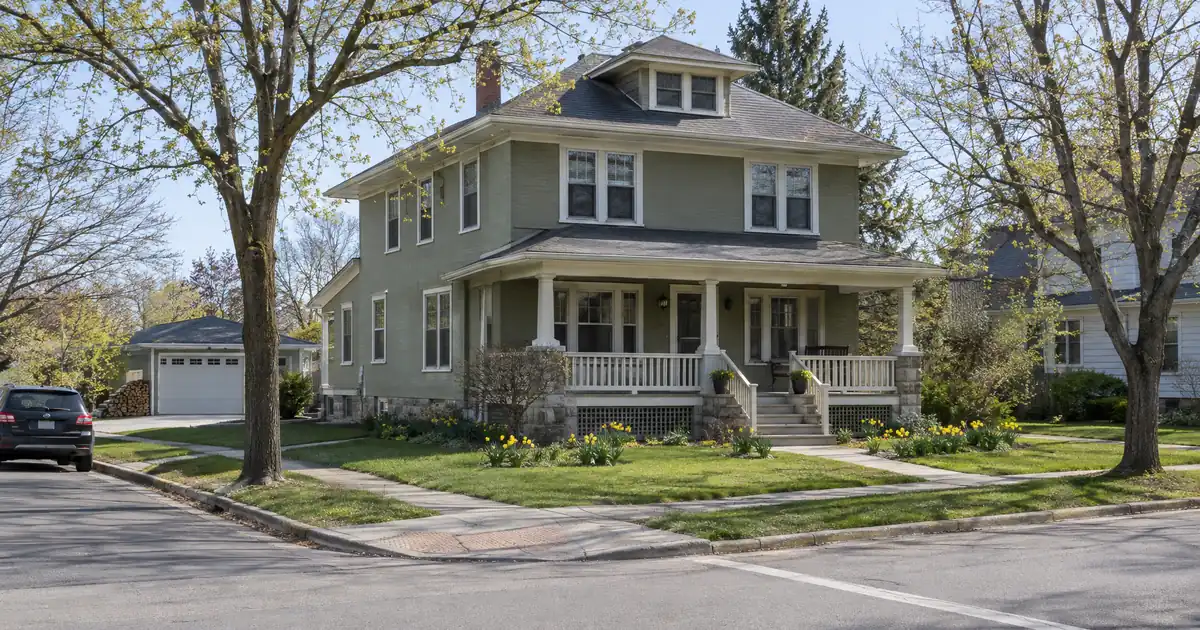
The Quick Read: A DSCR portfolio loan does not count reserves toward deferred maintenance at all, because reserves are a post-closing payment cushion verified in months of PITIA, while deferred maintenance is screened separately through each property’s appraisal condition rating before funding.
- Reserves are liquid assets held after closing. They cover the monthly obligation if rent is interrupted, and they are not a repair budget.
- Condition is a pass-or-fail eligibility test. Each property in the pool gets its own appraisal, and one weak property can hold up the whole file.
- Pooled coverage blends rent across the properties. It does not blend condition.
- Repair money is the borrower’s own cash, planned as a third bucket on top of down payment and reserves.
- Programs differ, so confirm details with the brokerage, subject to lender guidelines. This is not a commitment to lend.
Key Terms Defined
Reserves are documented liquid assets the borrower keeps after closing, measured in months of PITIA (principal, interest, taxes, insurance, and association dues).
Deferred maintenance is upkeep that was postponed, such as worn finishes, an aging roof, or tired mechanical systems. An appraiser notes it in the condition rating.
Condition rating is the appraiser’s score for the property’s physical state, from C1 (like new) to C6 (major damage).
Blended coverage is total rent across the pool divided by total PITIA across the pool.
Capital expenditures are large, infrequent replacements such as a roof or HVAC system. Underwriters treat them separately from routine repairs.
Cost to cure is the expense of fixing flagged items so a property passes the condition screen.
Two Tests, Not One
A common mistake is treating reserves and repairs as one pot of money. Underwriting treats them as two tests. One checks liquidity and the other checks the physical state of the collateral. Passing one never substitutes for the other.
| Factor | Reserve test | Condition test |
|---|---|---|
| What it checks | Post-close liquidity | Physical state of each property |
| Measured in | Months of PITIA | Appraisal rating, C1–C6 |
| Who checks it | Lender, from bank statements | Appraiser, then lender review |
| Failure looks like | Shortfall or unsourced deposits | Repairs required before funding |
| How you cure it | Seasoned liquid funds | Repair, document, re-inspect |
If you read a page about deferred maintenance reserves, check what product it covers. Condo and HOA pages describe association reserve funds for common elements. That is a different system from lender underwriting on a rental portfolio.
How a Portfolio File Counts Reserves for Deferred Maintenance
A portfolio file counts reserves only as a payment cushion. It never counts them as a repair fund. Across the wholesale network, most programs ask for about six months of PITIA on the loan’s collateral, stepping up to about nine months above $1,500,000 in loan size. Conservative rate-and-term files at modest leverage under that size can sometimes see reserves waived. Treat all of this as typical, not universal, since leverage, loan size, and transaction type move the number.
Here is how the reserve count works step by step:
1. The lender totals the PITIA for the properties in the pool.
2. It multiplies that figure by the required number of months.
3. It looks for that amount in seasoned liquid accounts, usually shown with two months of statements.
4. It asks for sourcing on large unexplained deposits.
5. It leaves out cash-out proceeds from the same transaction, which typically cannot be counted as reserves.
The count is what the borrower holds after closing. A lender does not hold it back or set it aside for repairs. If you spend reserve funds on a roof the week after closing, the lender’s verification has already happened. The practical risk is yours, because your cushion for a vacancy is now thinner.
The larger portfolio structure works differently. A rental portfolio term loan, built for five or more rentals under one note, typically uses reserves held for taxes, insurance, and capital expenditures. Read how that capital expenditure reserve is sized and released in the term sheet. It is a lender-held program feature. It is not a promise to fund deferred maintenance on a property that fails its appraisal.
For a deeper look at how the month counts step up, see Lendmire’s piece How a DSCR Portfolio Loan Counts Reserves by Loan Size.
How Deferred Maintenance Is Screened
Deferred maintenance is screened through the appraiser’s condition rating. The scale runs from C1 to C6. McKissock, an appraiser education provider, describes C4 as modest wear and minor deferred maintenance with the property fully functional. It describes C5 as noticeable deferred maintenance and significant repair needs, though still livable. It describes C6 as major damage that may affect structure or safety, and if any part of a dwelling warrants C6, the whole dwelling is rated C6.
Across the wholesale network, the practical cutoff usually sits at or below C4, meaning C4 is the highest condition rating that generally clears. Ordinary wear and minor deferred items fund as the property sits. Anything approaching C5 or C6 generally cannot be funded until it is repaired. A C4 is also a realistic rental-grade standard. A vendor analysis from Restb.ai reports that roughly 42% of homes acquired by large institutional investors fell in the C4 range.
Two features of the process matter most:
- No subject-to repairs. A DSCR appraisal generally cannot be submitted subject to future repairs. The property needs to be rentable as it sits.
- Per-property review. Each property in a blanket still gets its own deed, appraisal, and rent verification. A pool of several rentals is several condition tests.
Safety items deserve special attention. Missing smoke detectors, broken handrails, or visible moisture problems can create findings even on a property that otherwise looks like a C4. Larger items may need the appraiser to return and confirm completion before funding.
Do Reserves Cover Repairs, or Do Repairs Reduce Reserves?
Neither. Reserves do not pay for repairs, and repairs do not reduce the reserve requirement. The two buckets never net against each other. Terms vary by lender guidelines, property type, leverage, credit profile, and full file review.
Most programs the brokerage places files with also do not use repair holdbacks. A rehab-style loan can fund construction costs out of an escrow, but a rent-ready DSCR loan does not work that way. The lender expects the property to be in leasable condition at closing. Any cost to cure is paid from the borrower’s own funds before closing.
That produces three separate buckets of cash:
| Bucket | Purpose | Counted toward reserves? |
|---|---|---|
| Down payment and closing costs | Fund the purchase or refinance | No |
| Cost to cure | Fix flagged items before funding | No |
| Reserves | Payment cushion after closing | Yes, if liquid and seasoned |
Spending money twice on the same dollars is a common error here. A borrower who plans to use reserve funds for a pre-closing repair may find the account no longer clears the reserve test. The statements shown to the lender must still show the required months after the repair check clears.
The Portfolio Twist: One Weak Asset
Pooled qualification is what makes portfolio loans attractive, and also what creates the unusual risk. The 30-year portfolio DSCR loan typically covers 2 to 20 properties under one note, with leverage up to 80% of value on a purchase or rate-and-term refinance of investment rentals. Coverage is generally measured on the pool, with pooled rent against pooled debt service and 1.00 as the typical floor. Stronger properties can offset weaker ones in that ratio.
Here is the catch. Blended coverage helps the income test. It does nothing for the condition test.
Consider a five-property pool where four rentals are rated C3 or C4 and one is rated C5. The pooled coverage may look comfortable at around 1.15x, but the C5 asset still has to be repaired and cleared before the file funds. Three options usually apply:
1. Cure it. Pay for the repairs, document completion, and have the appraiser confirm.
2. Drop it. Remove the property from the pool if the remaining pool still meets pooled coverage, leverage, and terms, subject to underwriting.
3. Split the pool. Run the clean properties as one filing and the problem asset on its own path.
Dropping a property changes the math. The remaining rentals must still cover the debt service on their own, and the loan size must still fit the structure’s range, which is typically $300,000 to $5,000,000 on the 30-year structure. A rental that runs light on coverage can sit in a pool only when underwriting tests the pooled coverage, the leverage, and the terms.
An experience note from the broker’s side: the files that slow down are rarely the ones with a low pooled ratio. They are the ones where an investor assumed a tired roof or older HVAC would be waved through. Those items sit in a lender-dependent middle zone. Pre-inspecting every asset before ordering appraisals is a more affordable fix.
A Worked Example
The figures below are modeled assumptions, not market data. They show how the three tests sit side by side on one hypothetical pool.
| Item | Modeled result |
|---|---|
| Properties in pool | 5 |
| Pooled coverage | About 1.15x |
| Structure leverage | Up to 80% on purchase |
| Condition ratings | Four at C3–C4, one at C5 |
| Reserve requirement | About 6 months of PITIA on the collateral |
The pool passes the income test on paper. The C5 property fails the condition screen. The investor chooses between curing it, dropping it, or splitting the filing. Whatever the choice, the reserve requirement stays at the full month count, since repairs never reduce it. The investor needs enough liquid funds for the cure and for the reserves, all while still funding the down payment. Exact terms depend on the lender’s guidelines, property type, leverage, and a full review of the borrower’s file.
For a refinance with cash-out, a different ceiling applies. Cash-out on a portfolio never exceeds 75% of pooled value, and inside the first six months of ownership the seasoning rules cap the amount further. A larger down payment or more equity can improve the coverage ratio, but it does not erase leverage caps, reserve rules, or property eligibility.
Where the General Rule Breaks
- Larger loans and higher-risk files. Bigger balances and first-time investor files often raise the reserve count. Short-term rental files can also change it, since they carry their own leverage ceilings and a hosting-history requirement.
- Rehab-heavy assets. A property that rates C5 or C6 usually moves to bridge or fix-and-flip financing first, then refinances into a DSCR loan once it is rent-ready.
- Agency mix-ups. Agency conventional loans can accept C1 through C5 as is, according to the Fannie Mae Selling Guide, and C6 must be cured first. DSCR programs are stricter. Do not carry agency condition tolerance over to an investor portfolio file.
- Commercial look-alikes. Commercial and securitized loans do hold deferred maintenance reserves, set at a percentage of an engineer’s repair estimate, with waivers in some cases. SEC-filed securitization disclosure describes this. Investors often assume DSCR works the same way, and it generally does not for rentals of one to four units.
- Ineligible property types. Manufactured homes, log homes, and barndominiums are not offered in these programs, regardless of condition.
Building Your Own Repair Buffer
The lender’s reserve requirement is a minimum for the lender’s comfort. It is not a budget for your property. A sound plan sets a separate repair buffer. Final terms depend on lender guidelines, property type, leverage, and the borrower’s complete credit picture.
A simple method:
1. List each property’s major systems and their approximate age.
2. Flag anything the appraiser is likely to note, such as roofing, mechanical systems, and safety items.
3. Fund the cure for those items before the appraisal, with receipts and photos.
4. Keep the reserve account untouched after closing.
5. Hold a separate capital expenditure cushion for items that fall outside the lender’s screen.
Clearing 1.00 does not mean the property produces positive cash flow. DSCR compares rent to PITIA only. Repairs, vacancy, management, utilities, and capital expenditures all sit outside the ratio.
Credit also matters here. Portfolio programs typically want a 640 score or better, and some structures ask for 680 or 720. Rental properties need a lease or an appraiser-supported market rent. Entity ownership, such as an LLC, is required on some structures, depending on program guidelines.
The complete DSCR loans guide covers the basics of qualification.
Common Mistakes
- Counting repair money twice. The same dollars cannot be both cost to cure and verified reserves.
- Assuming cosmetic plans fix a flag. Planned work after closing does not change an appraisal rating today.
- Trusting blended coverage to forgive condition. The blend averages income only.
- Skipping pre-inspection. One failed asset can stall a multi-property file.
- Using cash-out proceeds as reserves. Proceeds from the same transaction typically do not count.
Frequently Asked Questions
Can reserves be used to pay for repairs after closing?
Physically yes, but doing so weakens the cushion the lender was verifying. The lender checks reserves once, at closing, and does not hold the funds. Spending them on repairs leaves you with less protection against a vacancy. Plan repair money as its own bucket.
Does a DSCR portfolio loan have a repair holdback?
Generally no. Most programs in the network expect each property to be rentable at closing, and the appraisal usually cannot be submitted subject to future repairs. Properties that need heavy work usually go through bridge or fix-and-flip financing first, then refinance into a DSCR loan.
What condition rating is usually acceptable?
Ratings from C1 through C4 usually clear the screen, with C4 meaning modest wear and minor deferred maintenance. C5 and C6 properties generally need repairs before funding. Eligibility depends on lender guidelines and the appraiser’s findings on each property.
If one property in the pool has a problem, does the whole loan stall?
It can stall. Each property gets its own appraisal, so a C5 or C6 finding can hold up the file. The usual fixes are curing the repairs, removing that property from the pool, or splitting the pool into separate filings, all subject to underwriting.
Are these reserves the same as condo or HOA deferred maintenance reserves?
No. Condo and HOA reserves are funds an association sets aside for common elements. DSCR reserves are the borrower’s own liquid assets, verified at closing to show the loan payments can be made.
Next Steps
If you are buying or refinancing several rental properties and want to see how the numbers work, Lendmire can help you compare DSCR loan options based on the property income, credit profile, leverage, and investor goals. As a mortgage broker, Lendmire arranges DSCR financing through select lenders in its wholesale network across 41 markets, including Washington, D.C. Pre-inspecting each asset before the appraisal usually costs far less than discovering a C5 after the file is submitted.
About Lendmire
Lendmire, NMLS# 2371349, is a non-QM mortgage broker serving real estate investors in 41 markets, including Washington, D.C., through DSCR investor loan programs. Qualification is generally reviewed around the subject property’s rental income, not the borrower’s W-2 history, a practical fit for LLC-titled portfolios and self-employed investors. All scenarios remain subject to lender review and program guidelines. Two consecutive Scotsman Guide Top Mortgage Workplace recognitions (2025, 2026).
Get Started
Ready to find the right loan for you?
In about 30 seconds you can review financing options available for your investment property. No commitment required.
Informational only. Not a Loan Estimate, approval, or commitment to lend. Program availability and eligibility are subject to lender guidelines, credit approval, property review, and underwriting.
References
1. McKissock: Understanding Appraisal Condition Ratings C1 to C6
2. Restb.ai: UAD Condition Ratings, What C1–C6 Actually Mean
3. Fannie Mae Selling Guide B4-1.3-06
4. SEC filing 424H, Deutsche Mortgage & Asset Receiving Corp
This article is part of Lendmire’s DSCR loan program — full qualification details, guidelines, and scenarios live on the program page.
Related reading: Five-Year vs Ten-Year DSCR Portfolio Term Loan at Maturity · Can a Landlord Release One Property From a DSCR Portfolio Loan? · Portfolio DSCR Loan vs. a DSCR Loan on Every Rental
Brandon Miller
Founder & CEO, Mortgage Loan Originator, Lendmire LLC
- Mortgage Loan Originator · NMLS# 1129696 · Verify on NMLS Consumer Access
- North Carolina Real Estate Broker · License# 343312 · Verify on NCREC
- North Carolina Insurance Producer · License# 19053198 · Property, Casualty, Life, Health · Verify on NAIC SBS
- Lendmire LLC · Firm NMLS# 2371349 · Verify firm licensure
Important disclosures. Lendmire (NMLS# 2371349) is a licensed mortgage brokerage. Lendmire is not a direct lender, depository institution, or financial advisor. All loan inquiries are subject to lender underwriting; this article does not constitute a commitment to lend. Rates, terms, and program guidelines are subject to change without notice and vary by borrower profile, property type, and state. Information in this article is general in nature and is not financial, legal, or tax advice. Equal Housing Opportunity. NMLS Consumer Access: nmlsconsumeraccess.org.