
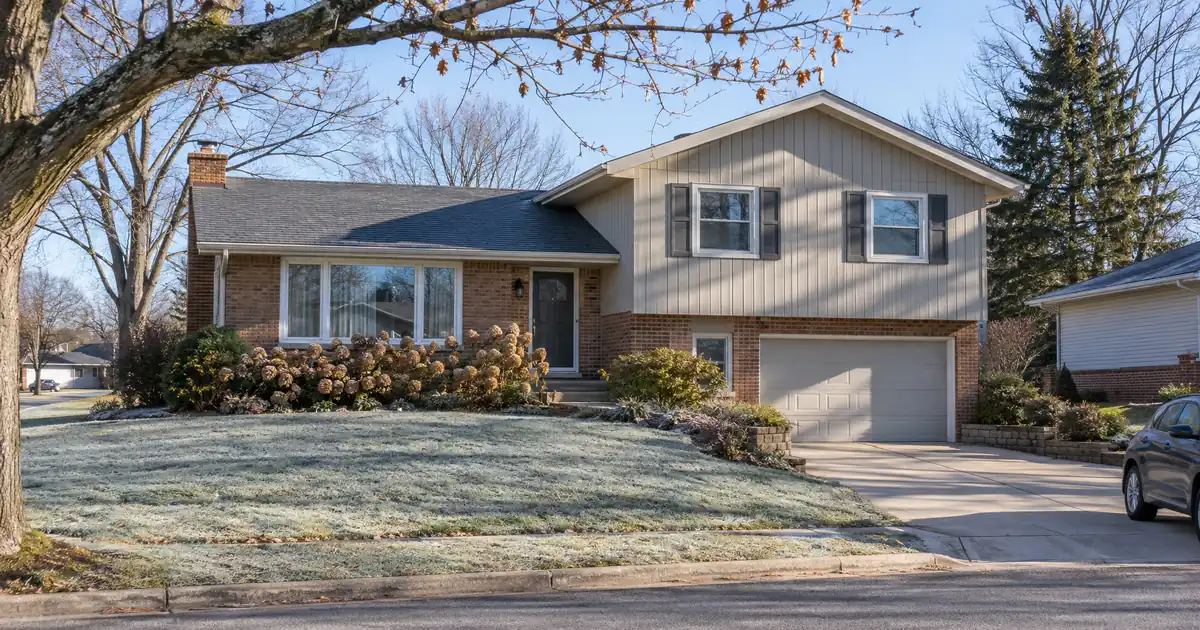
The Quick Read: A landlord choosing between the two should know that the loan is the same DSCR cash-out either way, and what changes is the income the lender counts: a lease or appraiser’s market rent on a standard rental, or a full year of booking history on a short-term rental, with a lower leverage ceiling on the short-term side.
- On a standard long-term rental, a cash-out refinance tops out around 75% LTV across most of the network. On short-term-rental collateral, the cash-out ceiling is 70%.
- A short-term-rental file expects a 640+ credit score and about 12 months of hosting history. Standard rentals typically want around 660, and a 620 floor exists in parts of the network.
- Cash-out files on standard rentals generally want about 6 months of ownership, measured from title recording.
- Clearing 1.00 coverage is not the same as positive cash flow on either path.
The honest answer on who each option fits: a standard rental suits the landlord who wants the simplest file and the highest cash-out ceiling. Short-term-rental income suits the landlord whose house earns far more per month on booking platforms than the appraiser’s long-term rent opinion shows, and who can document it. Neither is better in general. Each wins on a different part of the file.
Side-by-Side
This table compares how select lenders in Lendmire’s wholesale network typically treat each type of collateral. Programs change and every file is underwritten individually.
| Factor | Standard rental (no Airbnb) | Short-term rental |
|---|---|---|
| Income tested | Lease or appraiser market rent | Platform history, reduced by an expense factor |
| Proof of income | Lease, plus 1007 or 1025 rent opinion | Payout statements matched to deposits |
| Hosting history | Not needed | About 12 months expected |
| Cash-out LTV ceiling | 75% | 70% |
| Credit score | ~660 typical; 620 floor in parts | 640+ expected |
| Seasoning | About 6 months from title recording | Varies by lender and program |
| Reserves | Commonly about 6 months PITIA | Varies by lender, leverage, size |
| Local-rule exposure | Low | Permit, HOA and local rules matter |
Property type limits are the same on both sides. DSCR Investor Loans on manufactured homes (single- and double-wide), log homes, and barndominiums is not offered in the network. Loans to LLC-titled borrowers are available subject to lender program eligibility, and the borrower name needs to match across the note, title, and insurance.
Key Terms Defined
- DSCR (debt service coverage ratio): the property’s rent used for lender review divided by its full monthly housing obligation.
- PITIA: principal, interest, taxes, insurance, and any HOA dues, which is the obligation the rent is measured against.
- LTV (loan-to-value): the loan balance as a percentage of the appraised value.
- Cash-out refinance: a new loan that pays off the old one and returns some equity to you as cash.
- Seasoning: the waiting period a lender wants between buying a property and refinancing it.
- Hosting history: the record of bookings and payouts a short-term rental has actually produced, usually the trailing twelve months.
- Form 1007 and Form 1025: the appraiser’s rent schedule for a one-unit property (1007) and the operating income statement for a two- to four-unit property (1025).
What “Without Airbnbs” Can Actually Mean
The phrase covers three different situations, and each has its own path.
A property that was never a short-term rental. This is the cleanest case. The file qualifies primarily on property-level rental income covering the payment, subject to lender guidelines. A signed lease or the appraiser’s market rent is the evidence.
A property that used to be a short-term rental. Old booking history stops carrying weight once you convert to long-term leasing. The new lease and the appraiser’s rent opinion become the income evidence. If the house earned more as an Airbnb, the counted income often drops, and so does the coverage ratio.
A landlord who chooses to skip the short-term income. Some owners have an Airbnb history but prefer the simpler file. Running the loan on long-term rent avoids the history, permit, and expense-factor questions. It also gives up the higher counted income and takes the higher 75% ceiling instead of 70%.
What about a vacant rental? Many programs prefer a lease in place for a cash-out. Some will lean on the appraiser’s market-rent opinion when the unit is vacant. That treatment varies by lender, so pre-screen the file before you pay for an appraisal.
How Each Path Counts the Income
The long-term path is simple because the appraisal already speaks its language. Fannie Mae’s appraiser guidance describes Form 1007 as built for indicated monthly market rent, drawn from comparables leased on a monthly basis. DSCR loans are not agency products, but the form is the same one most appraisers use. On a standard rental, the rent opinion becomes the income evidence.
Short-term income does not fit that form. McKissock, an appraiser-education publisher, notes that the 1007 documents monthly rent and that appraisers value the real estate, not the Airbnb business. The lender decides how income is treated. Nightly rate times 30 is not a valid conversion.
So a short-term-rental file proves income another way. Lenders in the network typically look at trailing platform payouts matched to bank deposits, then apply an expense factor before running the ratio, because operating costs run higher on short stays. HousingWire argues that forcing short-term income through the 1007 often produces artificially low coverage, and recommends a narrative addendum instead. Experienced brokers see this often. The appraisal’s rent opinion on a short-term file is usually a long-term number that acts as a fallback or downside check.
One more point on the evidence. Short-term rental rules can vary by city, county, HOA, and property type, so investors should confirm local rules before relying on projected rental income. A recorded HOA ban can end the short-term case even when bookings are strong.
When a Standard Rental Cash-Out Is the Better Fit
Pick the standard path when simplicity and leverage matter more than upside.
- You want the higher ceiling. Cash-out reaches about 75% LTV on a standard rental, while the ceiling on short-term-rental collateral is 70%. On a large balance, five points of LTV is real money.
- Your income is steady and documented by a lease. There is no hosting history to build, no payout reconciliation, and no expense factor shaving your counted income.
- Your local rules are uncertain. If a permit, HOA vote, or city rule could change, long-term collateral takes that risk off the file.
- You prefer less operating work. Short stays bring more turnover, more management, and more repairs. None of those costs sits inside the DSCR math, but they sit inside your life.
- You don’t have 12 months of history. A new or converted property can’t meet the hosting-history expectation yet. Terms vary by lender guidelines, property type, leverage, credit profile, and full file review.
Standard files also qualify on the property, not your pay stub. Lendmire’s piece DSCR vs Conventional Cash-Out for a Semi-Retired Landlord Without a W-2 explains why that matters for owners with irregular personal income.
The tradeoff is the counted income. The lease or the appraiser’s opinion caps what the lender will see. If that number lands under 1.00 coverage, a path exists through select lenders in the network, with leverage and terms adjusted. It is a different path from the programs that start at 1.00.
When Short-Term Rental Income Is the Better Fit
Pick the short-term path when the booking income is real, documented, and legal.
- The platform income clearly beats long-term rent. If the house earns well above the appraiser’s rent opinion, the higher counted income can lift coverage past 1.00 where long-term rent could not.
- You have a full year of hosting history. About 12 months of payouts matched to deposits is the usual expectation.
- Your credit sits at 640+. The short-term programs expect it, though a standard rental can sometimes work with less.
- Use is clearly legal. Permit, registration, HOA rules, and insurance written for rental use all line up.
- You can accept the lower ceiling. Cash-out on short-term-rental collateral stops at 70%, versus about 75% on a standard rental.
On short-term refinances, the coverage floor is 1.00. On short-term purchases, it is also 1.00, with purchase leverage reaching up to 75% LTV. Those are separate programs, so check which transaction you are doing. Exact terms depend on the lender’s guidelines, property type, leverage, and a full review of the borrower’s file.
The tradeoff runs the other way from the standard path. You get higher counted income, but you carry more conditions, more documents, and more exposure to local rules. Lender appetite varies, too. Some lenders won’t lend on short-term collateral at all, and others want the property to qualify as a long-term rental or show a full twelve months of history.
Run the Same House Both Ways
Treat the following as a modeled assumption, not market data. Say a single-family rental has an appraiser rent opinion that produces coverage around 0.95x. Under the standard path, that sits below 1.00. A select-lender path exists for sub-1.00 coverage, but leverage and terms adjust.
Now say the same house has twelve months of platform history, and after the expense factor the counted income shows coverage near 1.25x. The short-term path clears 1.00 comfortably, so the file looks stronger on coverage. But the cash-out ceiling drops from 75% LTV on the standard rental to 70% on short-term collateral. If the owner wants the most cash out, the better coverage may not deliver it. Every figure here varies by lender and program — guidelines, property type, leverage, and credit profile all apply.
Both tests matter. Strong rental coverage doesn’t erase a leverage cap, and plenty of equity doesn’t erase a coverage shortfall. A cash-out on this house depends on appraised value, the LTV ceiling, qualifying income, the full PITIA, and reserves. It is not a guaranteed cash figure.
Reserves also differ by lender, leverage, loan size, and transaction type. Many files want around 6 months of PITIA, and loans above $1,500,000 typically step up to about 9 months. Loan sizes run up to $3,000,000 on standard programs.
Entity, Title, and Business Purpose
DSCR loans are designed for non-owner-occupied investment properties. Because they are business-purpose investor loans, they are reviewed differently from a standard owner-occupied mortgage, and the CFPB’s rule on business-purpose credit draws that line. This is the same on both paths. Moving a mortgaged property into an LLC before the refinance can raise seasoning and title questions, so sort the vesting out with the lender first.
The Balanced Verdict
If you want the simplest file, the highest cash-out ceiling, and the least local-rule risk, the standard rental path wins. If your house earns far more as a short-term rental, you can document a full year of it, and the use is legal, the short-term path can win on coverage even with the lower 70% ceiling.
A few rules of thumb help. If your hosting history is thin, start on the standard path. If the permit or HOA question is open, start there too. If the booking income is strong and clean, ask a broker to run both versions of the file side by side before you order an appraisal.
Remember what DSCR actually measures. It compares rent to PITIA and nothing else. Repairs, vacancy, management, utilities, and capex sit outside the calculation, and short-term rentals carry more of them. Clearing 1.00 does not mean the property produces positive cash flow.
Frequently Asked Questions
Can I do a cash-out refinance on a rental that isn’t an Airbnb?
Yes. Standard rentals are the core of cash-out DSCR lending. Cash-out generally tops out around 75% LTV, with about 6 months of seasoning and a credit score typically near 660.
Does a vacant rental qualify for cash-out?
Sometimes. Many programs prefer a lease in place, and some will use the appraiser’s market-rent opinion on a vacant unit. Treatment varies by lender, so a pre-screen before ordering the appraisal saves money.
Do I need booking history if I use short-term income?
Usually, yes. Programs in the network typically expect about 12 months of hosting history on a short-term refinance. Without it, the file generally runs on long-term rent instead.
Does converting from Airbnb to a long-term tenant hurt my cash-out?
It can lower the counted income if the house earned more as a short-term rental. It can also raise the allowed leverage, because standard-rental cash-out reaches about 75% LTV instead of 70%. The better route depends on which number limits your file. Final terms depend on lender guidelines, property type, leverage, and the borrower’s complete credit picture.
What can I do with the cash, and is it taxable?
Many landlords use cash-out proceeds for the next down payment, renovations, or reserves. Tax treatment can depend on how the funds are used and how the property is held; investors should keep clear records and speak with a qualified tax professional before relying on any deduction.
Next Step
If you are buying or refinancing a rental property and want to see how the numbers work, Lendmire can help you compare DSCR loan options based on the property income, credit profile, leverage, and investor goals. As a broker arranging financing through select lenders in its wholesale network across 41 markets, including Washington, D.C., Lendmire can run both versions of your file. Lendmire’s complete DSCR loans guide covers the broader program basics. Qualification is subject to lender guidelines. This is not a commitment to lend.
A rental’s best financing path is the one its paperwork can support, and the owner who can prove the income usually gets to choose.
For the mechanics of pulling equity out of a rental property, see Lendmire’s guide to cash-out refinance on an investment property.
About Lendmire
Lendmire is a DSCR-focused mortgage brokerage, NMLS# 2371349, placing investor loans across 41 markets, including Washington, D.C. DSCR eligibility is generally reviewed by the lender around a property’s rental income rather than personal income documentation, which fits LLC-held rentals, self-employed investors, and portfolios scaling past conventional financed-property limits. Scotsman Guide named Lendmire a Top Mortgage Workplace in both 2025 and 2026.
Get Started
Ready to find the right loan for you?
In about 30 seconds you can review financing options available for your investment property. No commitment required.
Informational only. Not a Loan Estimate, approval, or commitment to lend. Program availability and eligibility are subject to lender guidelines, credit approval, property review, and underwriting.
References
1. Fannie Mae Appraiser Update
2. McKissock: Form 1007 and short-term rental appraisals
3. HousingWire: Short-term rentals and the appraisal playbook
This article is part of Lendmire’s investment property cash-out refinance program — full qualification details, guidelines, and scenarios live on the program page.
Related reading: How to Consolidate Rental Loans Into One DSCR Loan Without Cash Out · Can an LLC Investor With 10+ Doors Use DSCR Cash-Out for Down Payments? · Does an Out-of-State Investor Save With One DSCR Loan in 3 Markets?
Brandon Miller
Founder & CEO, Mortgage Loan Originator, Lendmire LLC
- Mortgage Loan Originator · NMLS# 1129696 · Verify on NMLS Consumer Access
- North Carolina Real Estate Broker · License# 343312 · Verify on NCREC
- North Carolina Insurance Producer · License# 19053198 · Property, Casualty, Life, Health · Verify on NAIC SBS
- Lendmire LLC · Firm NMLS# 2371349 · Verify firm licensure
Important disclosures. Lendmire (NMLS# 2371349) is a licensed mortgage brokerage. Lendmire is not a direct lender, depository institution, or financial advisor. All loan inquiries are subject to lender underwriting; this article does not constitute a commitment to lend. Rates, terms, and program guidelines are subject to change without notice and vary by borrower profile, property type, and state. Information in this article is general in nature and is not financial, legal, or tax advice. Equal Housing Opportunity. NMLS Consumer Access: nmlsconsumeraccess.org.