
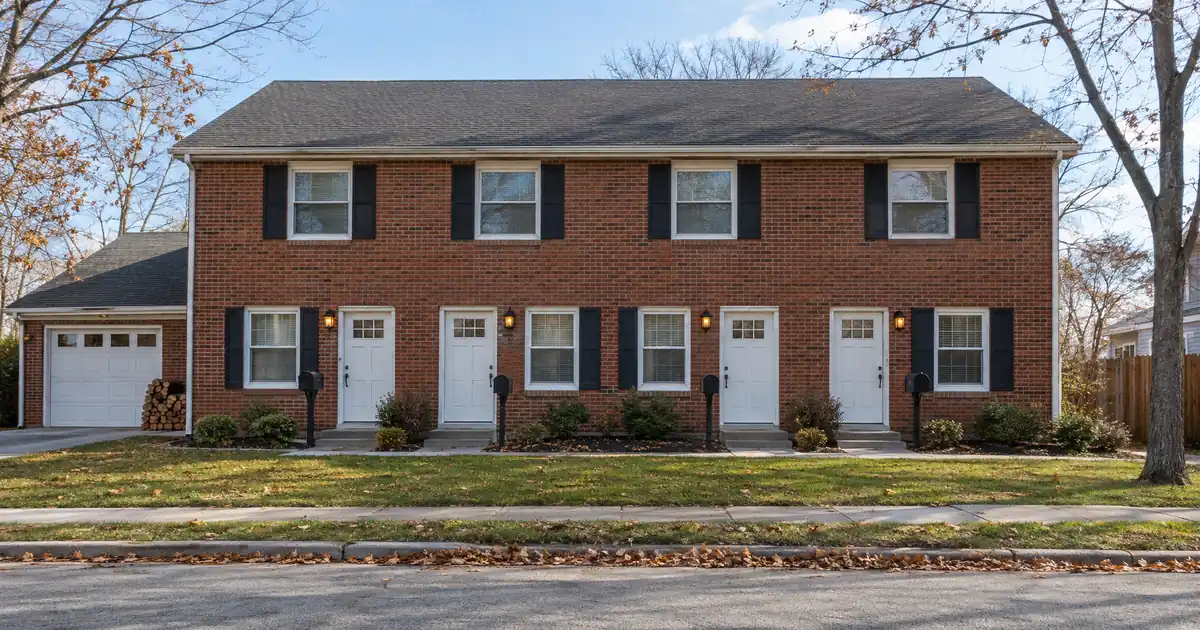
The Quick Read: The cash released is the smaller of two limits, a leverage cap on appraised value and what the rent can support, minus the old payoff, closing costs, reserves, and whatever the roof forces you to spend or hold back. The roof changes the number through eligibility, value, and net cash.
- Cash-out on a standard investment property tops out around 75% LTV across most of the network.
- About 6 months of ownership is the common seasoning expectation, measured from title recording.
- A roof that is merely old can often be sized on as-is value; a leaking or failing roof usually has to be repaired first.
- Payoff, costs, and reserves come out before you see a dollar, so 75% LTV is a ceiling on the loan, not the cash in hand.
- A passing coverage ratio is not positive cash flow. A new roof sits outside the ratio entirely.
A fourplex concentrates risk in one place. Four rent streams sit under one roof, and that one roof is a single large expense. That is the reason this question has no one-line answer. Below is how the number is built, where the roof enters it, and how the decision usually plays out.
DSCR Cash-Out Calculator
Run the cash-out numbers in your market
Rate source: Freddie Mac 30-yr average via FRED® — Federal Reserve Bank of St. Louis · effective Oct 15, 2026
Prefilled with starting assumptions — enter your property’s value, balance, taxes, and insurance for a more accurate picture.
Program parameters update from Lendmire’s centralized guideline source. Taxes and insurance are editable estimates.
As of Oct 15, 2026 · General Freddie Mac market benchmark, not a Lendmire loan offer. Property value, balance, taxes, and insurance are editable estimates. Maximum loan-to-value varies by lender, program, property type, and seasoning. Not a Loan Estimate, approval, or commitment to lend. Program availability and eligibility are subject to lender guidelines, credit approval, property review, and underwriting.
How Is the Cash-Out Number Built?
The cash released is a subtraction problem with several ceilings. Value times the leverage cap gives the maximum new loan, and then everything that has to be paid comes off the top.
The sequence runs like this:
1. The new lender’s appraisal sets value. Your own after-repair estimate does not.
2. That value is multiplied by the cash-out ceiling, about 75% LTV on a standard rental across most of the network.
3. The new loan must also be supported by rent. Coverage compares rent used for lender review to the full monthly obligation (principal, interest, taxes, insurance, and any dues). On 2-4 units, rent comes from the appraiser’s rent schedule.
4. The lower of the value-based loan and the rent-supported loan governs.
5. The old payoff, closing costs, required reserves, and any prepayment charge on the existing loan come out. What remains is your gross cash.
6. The roof cost, if paid from proceeds, comes out again. Terms vary by lender guidelines, property type, leverage, credit profile, and full file review.
| Step | What happens | Who controls it |
|---|---|---|
| Value | Appraisal sets it | Appraiser |
| Ceiling | About 75% LTV on cash-out | Program |
| Rent test | Rent vs. full payment | Program and appraisal |
| Deductions | Payoff, costs, reserves | Your file |
| Roof | Repair spend or holdback | Condition findings |
Coverage of 1.00 is where select programs start. Stronger ratios open better pricing and leverage. Below 1.00, a separate path exists through select lenders in the network, with leverage and terms adjusted. Credit matters too: a 620 floor exists in parts of the network, most programs want around 660, and 700+ unlocks the strongest tiers. For the full framework, see the complete DSCR loans guide. Everything here is subject to lender guidelines, and none of it is a commitment to lend.
Where Does the Roof Enter the Math?
The roof touches the file in three places: whether the loan can fund at all, which value is used, and how much cash is left.
Eligibility. DSCR programs generally want a property that is rent-ready at closing and free of major deferred maintenance. Light cosmetic wear is usually fine. Across the network, the practical cutoff tends to sit at or above a C4 condition rating. Properties approaching C5 or C6 generally can’t fund until repaired.
Value. If the appraisal comes back “as is,” the loan sizes on current value. If it comes back “subject to” repairs, the loan sizes on the repaired value, but only after the work is done and verified. How much a failing roof lowers the as-is figure depends on the comps and the appraiser. No reliable rule of thumb exists, so get the appraisal before assuming anything.
Net cash. Even if the file funds, the roof is real money. If you pay at closing, it reduces proceeds. If the lender requires it first, it reduces the cash you can deploy before the refinance. Roof cost on a fourplex is a contractor-bid question. Get one before you run the numbers.
How Does an Appraiser Read a Roof?
The appraiser rates condition on a C1 to C6 scale. DSCR programs set their own rules, but the vocabulary carries over.
Rates are not quoted here. McKissock, an appraiser-education provider, describes C4 as livable with modest wear and minor deferred maintenance. A roof near the end of its life but not leaking usually reads as C4. An active leak or structural damage pushes toward C5 or C6.
A 2-4 unit property gets the Small Residential Income Property report, the Form 1025 / Form 72. It asks the appraiser to describe needed repairs and deterioration, and whether any deficiency affects livability, soundness, or structural integrity. It also carries the rent schedule that feeds the coverage test.
| Roof condition | Likely appraiser read | Typical path |
|---|---|---|
| Aging, no leaks | C4-type, minor deferred maintenance | Often funds as is |
| Near end of life, unclear | Inspector’s opinion may be requested | Roofer’s certification possible |
| Active leak or interior water | C5-type, “subject to” repairs | Repair first, then refinance |
| Failed or structural damage | C6-type | Generally can’t fund until repaired |
Agency-style appraisal conventions generally treat a deficiency affecting safety or soundness as calling for a “subject to” completion appraisal, and an appraiser unable to judge a repair can condition the report on a qualified professional’s inspection. That is conventional agency practice, shown here only for contrast. DSCR programs vary, and the lender decides what is acceptable.
Worked Example: One Fourplex, Three Roof Paths
Hold three things constant: appraised value, existing payoff, and rents. These are modeled assumptions, not market data. No dollar figures appear here on purpose. The point is the structure.
Path A: Replace the roof first, then refinance. You pay for the roof with your own cash or short-term financing. The appraisal then reflects a sound roof. If the new roof is complete before you apply, the appraisal can capture it. Net cash is the full release minus costs, and your cash outlay happened earlier. Eligibility risk is lowest.
Path B: Fund the roof from proceeds or a holdback. This works only if the file qualifies as is, or if the lender allows a repair structure. The roof cost comes out of gross cash. Eligibility depends on the condition rating. If the appraisal is “subject to,” the loan sizes on repaired value after verified completion, so the cash is not available when you need it for the work.
Path C: Defer the roof. On a C4-type roof, this can be legitimate. The loan funds as is and the roof stays on your capital calendar. On anything worse, it usually isn’t an option. Deferring also leaves the roof exposed to insurance trouble, covered below.
| Item | Path A: Fix first | Path B: Holdback/proceeds | Path C: Defer |
|---|---|---|---|
| Eligibility risk | Lowest | Moderate | Highest |
| Cash needed up front | Highest | Lower | Lowest |
| Net cash after roof | Roof paid earlier | Reduced at closing | Full, roof still owed |
| Fits | C5/C6 roofs | Borderline roofs | C4-type roofs |
Some lenders in the network offer different treatment of repairs, and a few accept a recent prior appraisal while others insist on a fresh one for cash-out. Ask before applying.
What About Seasoning and Bridge Loans?
Investors often fix a roof with a bridge or rehab loan and then refinance into DSCR. That is the standard exit path for properties that can’t fund as is. Here is the catch: seasoning rules still apply. Cash-out generally expects about 6 months of ownership from title recording, and inside that window, sizing can be limited by what you actually paid and invested rather than appraised value. After the seasoning period, cash-out sizes on appraised value. Agency delayed-financing exceptions don’t rescue a bridge-financed deal.
The brokerage’s related piece on how much a DSCR cash-out releases on a fourplex versus a house covers the property-type comparison.
Does Rent Still Cover After the Pull?
The coverage test runs on the new, larger loan. After a full cash-out at the ceiling, coverage can land right at the program floor. One vacant month or one roof repair then puts the property underwater on actual cash flow, and a smaller pull would have kept a cushion.
Three roof-related pressures hit the ratio:
- Rent aggregation. On a fourplex, the four rents combine on the appraiser’s schedule. If one unit is offline during roofing, your real income drops even though the appraisal rent schedule didn’t. Coverage on paper and coverage in your bank account diverge.
- Insurance. Taxes and insurance sit inside the payment the rent must cover. Insurance-agency and roofing pages commonly report that carriers scrutinize roofs somewhere around 15 years and may move to actual cash value around 20, with some declining renewal past 25. Alan Construction describes that pattern and says there is no single cutoff. Bluefield Group adds that condition can matter more than age. Treat these as general contractor and agency observations. If a landlord policy can’t be bound on the roof, the loan can stall regardless of the appraisal.
- Capex sits outside the ratio. DSCR compares rent to PITIA only. Repairs, vacancy, management, utilities, and capital costs are not in it. Clearing 1.00 does not mean the property cash flows.
Fix First, Hold Back, or Bridge?
If you have the cash and the roof is C5 or worse, fix it first. It’s the cleanest path, and the new roof can support the appraisal.
If the roof is aging but sound, running Path C and refinancing as is can preserve cash. That leaves a known liability on the property, so pencil in a replacement reserve. That is one author’s rule of thumb, not a lender requirement. Check it against the roof’s real remaining life.
If you lack the cash and the roof blocks funding, a bridge or rehab loan followed by cash-out is the usual structure. The bridge adds a second set of costs and a seasoning clock, so a smaller eventual pull is often the realistic outcome.
This is a toss-up in the middle cases. A thin coverage ratio argues for a smaller cash-out and a funded reserve, while a strong one with a C4 roof can justify refinancing as is. The flip point is the condition rating, not the loan type.
Order of Operations
1. Get a contractor bid and a written scope for the roof before ordering anything else.
2. Photograph the roof and gather age and any permit history.
3. Price a landlord insurance quote or binder on the existing roof.
4. Confirm seasoning, the existing loan’s prepayment terms, and the payoff.
5. Order the appraisal and prepare access to all four units, with utilities on and tenants notified.
6. If the report comes back “subject to,” complete the repairs and arrange re-inspection or a completion certification.
7. Close the refinance on the verified value.
Documents typically in play: the appraisal with rent schedule, leases, insurance binder, the roofer’s bid or invoice, a completion certification when repairs are required, title, and the payoff statement.
DSCR vs. conventional financing
There are two common ways to finance an investment property, and they qualify you differently — here’s how investors weigh them.
Why investors choose it
- Qualifies on the property’s rental income — no personal tax returns, W-2s, or pay stubs needed to document income.
- No personal debt-to-income ceiling to clear, so existing mortgages and obligations don’t cap your borrowing the same way.
- Can be closed in an LLC, keeping the property inside a business entity.
- Built for scaling — not held to the limit on number of financed properties that conventional financing applies.
- Underwriting centers on the deal: generally qualifies when the rent covers the payment, a 1.00x coverage ratio being a common baseline (confirmed in underwriting).
- Designed specifically for investment property, including long-term and, where the program allows, short-term rentals.
Where it’s strong
- Often the lowest ongoing financing cost for a buyer who fully qualifies on personal income — a fit for a first property or a cost-first purchase.
Trade-offs for investors
- Requires full personal income documentation and must fit within a debt-to-income limit — salary, existing debts, and other mortgages all count.
- Typically held in your personal name rather than a business entity.
- Caps how many financed properties you can carry, which can become a ceiling as a portfolio grows.
- Evaluates you as a borrower as much as the property, which usually means more paperwork.
How investors usually choose: a first or single property often optimizes for the lowest financing cost; portfolio builders often optimize for leverage, vesting in an LLC, and scaling past conventional caps. The right answer depends on your goals, the property, and current guidelines — both paths run through select lenders in Lendmire’s wholesale network, with eligibility and terms confirmed in underwriting.
Mistakes That Shrink the Check
- Assuming the after-repair value sets the loan. The new lender’s appraisal does.
- Reading 75% LTV as 75% in cash.
- Skipping the roof bid until after the appraisal.
- Overlooking prepayment terms on the existing loan.
- Taking a full pull when coverage lands at the floor.
- Expecting insurance to pay for a new roof. Older roofs often sit on actual-cash-value or payment-schedule terms that pay far less than replacement cost, according to roofing-contractor pages such as Midwest Heritage and Southlake.
Property eligibility also has hard edges. Manufactured homes, log homes, and barndominiums are not offered in the network’s DSCR programs, so a fourplex built that way is outside this conversation.
Key Terms Defined
Cash-out refinance: A new loan larger than the existing payoff, with the difference paid to the owner after costs.
LTV (loan-to-value): The new loan amount divided by the appraised value.
DSCR (debt service coverage ratio): Qualifying monthly rent divided by the full monthly payment, including principal, interest, taxes, insurance, and dues.
“As is” appraisal: A value opinion based on the property’s current condition.
“Subject to” appraisal: A value opinion based on a hypothetical repaired condition, usable only after the work is verified.
C1-C6 rating: The appraiser’s condition scale, with C4 for minor deferred maintenance and C5 and C6 for significant or safety-related problems.
Seasoning: The ownership period a lender expects before sizing a cash-out on appraised value.
Frequently Asked Questions
Can I get a DSCR cash-out if the roof is leaking?
Usually not until it’s repaired. An active leak or interior water damage typically triggers a “subject to” appraisal or a repair-first requirement. The common fix is to complete the roof with your own cash or a bridge loan, then refinance. Each file is reviewed individually under lender guidelines.
Can the roof cost be paid out of the cash-out proceeds?
Sometimes, if the property qualifies as is. In that case the roof cost reduces your net cash at closing. If the roof blocks funding, proceeds can’t pay for work that has to be finished first, so another source covers it.
Does a new roof raise my appraised value?
It may support a higher appraised value, depending on comps and underwriter review. It also removes a condition flag that could hold back the loan, which can matter more than the value change itself.
Does the roof change my coverage ratio?
Not directly, since repair cost is outside the ratio. Indirectly it can, because an older roof can raise insurance cost or limit coverage options, and insurance sits in the payment the rent must cover.
Is a fourplex roof treated differently from a house roof?
The underwriting box is the same: 2-4 units are tested on rent over PITIA. The practical difference is scale. One roof covers four rent streams, so the repair is a bigger bite, and unit downtime during the work can hurt real cash flow.
If you are buying or refinancing a rental property and want to see how the numbers work, Lendmire can help you compare DSCR loan options based on the property income, credit profile, leverage, and investor goals. Reach the team at 828-256-2183 or request a quote through Lendmire’s direct quote page.
For how equity extraction works on an investment property, see Lendmire’s guide to cash-out refinance on an investment property.
For current guidelines and terms, see Lendmire’s DSCR loan programs page.
About Lendmire
Lendmire is a non-QM mortgage brokerage (NMLS# 2371349) arranging DSCR investor loans in 41 markets, including Washington, D.C. DSCR eligibility is generally reviewed around property-level rental income rather than personal income, subject to lender and program guidelines, a fit for self-employed investors and LLC-owned portfolios. Lendmire was recognized as a Scotsman Guide Top Mortgage Workplace in 2025 and 2026.
Get Started
Ready to find the right loan for you?
In about 30 seconds you can review financing options available for your investment property. No commitment required.
Informational only. Not a Loan Estimate, approval, or commitment to lend. Program availability and eligibility are subject to lender guidelines, credit approval, property review, and underwriting.
References
1. McKissock: Understanding Appraisal Condition Ratings C1 to C6
3. Alan Construction: Roof Age and Insurance
6. Southlake
This article is part of Lendmire’s investment property cash-out refinance program — full qualification details, guidelines, and scenarios live on the program page.
Related reading: How to Choose a DSCR Cash-Out or HELOCs on Paid-Off Rentals · How Much Rehab Money a DSCR Takeout Returns From Hard Money · How to Size a DSCR Cash-Out Before the Rehab Is Finished
Brandon Miller
Founder & CEO, Mortgage Loan Originator, Lendmire LLC
- Mortgage Loan Originator · NMLS# 1129696 · Verify on NMLS Consumer Access
- North Carolina Real Estate Broker · License# 343312 · Verify on NCREC
- North Carolina Insurance Producer · License# 19053198 · Property, Casualty, Life, Health · Verify on NAIC SBS
- Lendmire LLC · Firm NMLS# 2371349 · Verify firm licensure
Disclosures. The information presented in this article is general market commentary, not financial, legal, or tax advice. Lendmire is a mortgage brokerage (NMLS# 2371349) — not a direct lender or depository institution — and loan placement is subject to lender underwriting. Nothing in this content represents a commitment to lend. Loan terms, pricing, and program availability vary based on borrower qualifications, property characteristics, and state of subject property, and are subject to change at any time. Lendmire complies with Equal Housing Opportunity requirements. Consumer access: nmlsconsumeraccess.org.