
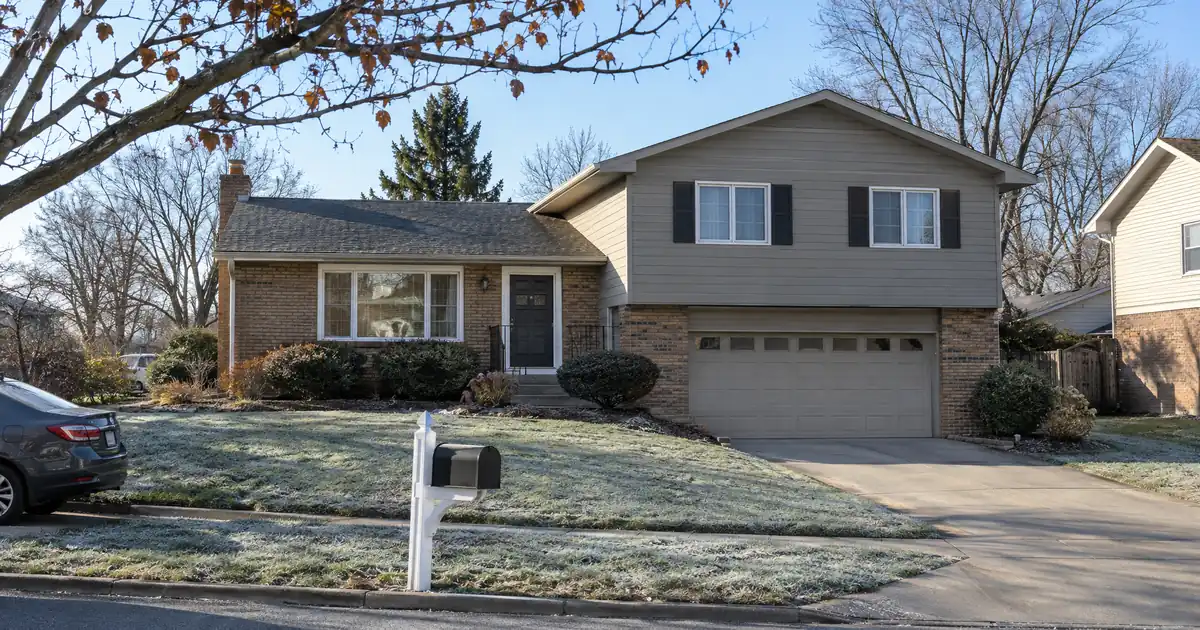
The Quick Read: The ten-property limit is a conventional rule, and DSCR programs do not use it, but a purchase option in the lease can narrow which lenders will take the file. Each lender sets its own limits on loan size, leverage, reserves and lease terms, so the answer depends on the program. Rental coverage on the subject property drives the review, and the lease structure decides how that rent gets proven.
- The ten-property count is a conventional, agency-sold rule, not a DSCR rule.
- Lenders on DSCR files still set their own limits on leverage, reserves and exposure.
- A tenant’s purchase option is the main underwriting friction on this file type.
- Some lenders accept the lease, some want the option split out, and some want market rent from an appraisal.
- Plan the prepayment terms and the tenant’s exit together before choosing a loan.
Investors with a big portfolio hit two separate questions on this file. Can the loan go past ten properties? And does the rent-to-own arrangement change how the lender reads the rent? This piece is for the owner-landlord who holds title. It walks through both.
DSCR Cash-Out Calculator
Run the cash-out numbers in your market
Rate source: Freddie Mac 30-yr average via FRED® — Federal Reserve Bank of St. Louis · effective Oct 15, 2026
Prefilled with starting assumptions — enter your property’s value, balance, taxes, and insurance for a more accurate picture.
Program parameters update from Lendmire’s centralized guideline source. Taxes and insurance are editable estimates.
As of Oct 15, 2026 · General Freddie Mac market benchmark, not a Lendmire loan offer. Property value, balance, taxes, and insurance are editable estimates. Maximum loan-to-value varies by lender, program, property type, and seasoning. Not a Loan Estimate, approval, or commitment to lend. Program availability and eligibility are subject to lender guidelines, credit approval, property review, and underwriting.
Key Terms Defined
DSCR: the debt service coverage ratio, which is monthly rent divided by the monthly principal, interest, taxes, insurance and any association dues.
PITIA: the full monthly obligation on the property, meaning principal, interest, taxes, insurance and association dues.
Rent-to-own: a loose label for a lease paired with a path to a later purchase by the tenant.
Lease-option: a lease that gives the tenant the right, but not the obligation, to buy. NAR describes the lease-option and the lease-purchase as two different contracts.
Lease-purchase: a lease that obligates the tenant to buy at the end.
Seasoning: the minimum time a borrower has owned the property before a cash-out refinance is available.
Prepayment penalty: a fee on the loan if it is paid off early, which matters if a tenant buys the property.
Why Does the Ten-Property Count Not Apply to DSCR?
The ten-property ceiling comes from conventional lending. The Fannie Mae Selling Guide counts financed one-to-four unit properties for the same borrower, and that rule governs agency-sold loans only. DSCR loans are business-purpose investor loans and sit outside that structure. Lendmire’s piece How to Scale Past Ten Financed Properties With a DSCR Loan covers the portfolio side in more depth.
Outside the count, the limits move to the file. Across the wholesale network, the real constraints at ten-plus properties are these:
- Leverage on the subject property. Cash-out tops out around 75% LTV on standard rentals across most of the network.
- Reserves. They commonly run about 6 months of PITIA, and they step up to about 9 months on loans above $1,500,000, subject to lender guidelines.
- Lender appetite. Some lenders cap how much exposure they take to one borrower, so a large portfolio can mean using more than one lender.
- Credit. A 620 floor exists in parts of the network, most programs want around 660, and 700+ opens the strongest leverage tiers.
So “no cap” is the wrong summary. There is no agency count, but every program has its own edges. The complete DSCR loans guide lays out the basic mechanics if the ratio itself is new.
How Does a DSCR Lender Read a Rent-to-Own Property?
The lender reads the lease first. It looks for an embedded purchase option, a rent-credit mechanism, or a purchase obligation. Any of these can mean the rent is not plain market rent, and the tenant may hold an interest in the property. That is why acceptance runs lender by lender and not by one rule.
Here is how the three contract types tend to be read:
| Contract type | What the tenant holds | Typical underwriting question |
|---|---|---|
| Lease-option | Right to buy, no duty | Is the rent at market, ignoring credits? |
| Lease-purchase | Duty to buy | Is this closer to a pending sale? |
| Plain lease, separate option | Lease plus side agreement | Does the option sit outside the lease? |
Treat the lease-purchase as the hardest of the three. A binding purchase duty can look more like a sale contract than a rental, and that reads differently to a lender. How a given program handles it varies, so ask before you assume.
If a lender does not like the lease terms, the fallback is market rent set by the appraiser, using the rent schedule form. Some files do not need a lease at all for that reason. Others require one. Either way, the number that goes into the coverage ratio is market rent the lender can support, not a premium paid for the option.
Which Rent Counts When the Tenant Pays Option Money?
Only rent the lender can treat as ordinary rent counts. Option fees and rent credits are part of the purchase deal, not the rental income. NAR notes that option fees and rent credits are common features, though a lease-option usually does not credit rent toward the price. Whether any credit changes how a lender reads the rent is lender-specific, so do not assume it counts.
The clean approach is to keep the numbers simple:
1. Use the base rent in the lease, ignoring any premium over market.
2. Compare it to the appraiser’s market rent.
3. If the lease rent is higher than market, expect the lender to use the lower figure.
4. If the lender will not accept the lease at all, plan on the appraiser’s schedule as the rent used for lender review.
DSCR compares rent to PITIA only. Clearing the baseline does not mean the property cash flows, because repairs, vacancy, management, utilities and capex sit outside the ratio. On a rent-to-own asset, where the tenant may stay shorter than a normal lease, keep that gap in mind.
Step by Step: The Refinance File
Here is the sequence on a clean file.
1. Confirm who holds title. The investor refinancing must be the owner. A tenant-buyer under someone else’s option holds no title and cannot refinance until their own purchase closes.
2. Classify the contract. Pull the lease and any option agreement. Note whether the option sits inside the lease or in a separate document, and whether it is an option or an obligation.
3. Pick the loan type. Rate-and-term and cash-out are treated differently. Cash-out tops out around 75% LTV on standard rentals, and about 6 months of seasoning is the common expectation, usually counted from the recorded deed. Rate-and-term has a higher ceiling, up to 85% by exception, subject to lender guidelines.
4. Order the appraisal with a rent schedule. The appraiser sets market rent, which backs up or replaces the lease figure.
5. Assemble the documents. The usual set is the lease or rent schedule, the appraisal, the recorded deed, the title report, proof that rent is being collected, and entity records. For rent-to-own, add the option agreement and a record of option fees and credits.
6. Check the exit. If the current loan carries a prepayment penalty, work out whether the refinance still pays. The same goes for the new loan if the tenant may buy.
7. Match the property to the program. DSCR loans run up to $3,000,000 on standard programs, with smaller balances routed through select lenders. Manufactured homes, log homes and barndominiums are not offered.
Proof of collected rent matters more than the lease itself. A lease shows an agreement. A rent ledger or deposits show that the money arrived.
DSCR vs. conventional financing
There are two common ways to finance an investment property, and they qualify you differently — here’s how investors weigh them.
Why investors choose it
- Qualifies on the property’s rental income — no personal tax returns, W-2s, or pay stubs needed to document income.
- No personal debt-to-income ceiling to clear, so existing mortgages and obligations don’t cap your borrowing the same way.
- Can be closed in an LLC, keeping the property inside a business entity.
- Built for scaling — not held to the limit on number of financed properties that conventional financing applies.
- Underwriting centers on the deal: generally qualifies when the rent covers the payment, a 1.00x coverage ratio being a common baseline (confirmed in underwriting).
- Designed specifically for investment property, including long-term and, where the program allows, short-term rentals.
Where it’s strong
- Often the lowest ongoing financing cost for a buyer who fully qualifies on personal income — a fit for a first property or a cost-first purchase.
Trade-offs for investors
- Requires full personal income documentation and must fit within a debt-to-income limit — salary, existing debts, and other mortgages all count.
- Typically held in your personal name rather than a business entity.
- Caps how many financed properties you can carry, which can become a ceiling as a portfolio grows.
- Evaluates you as a borrower as much as the property, which usually means more paperwork.
How investors usually choose: a first or single property often optimizes for the lowest financing cost; portfolio builders often optimize for leverage, vesting in an LLC, and scaling past conventional caps. The right answer depends on your goals, the property, and current guidelines — both paths run through select lenders in Lendmire’s wholesale network, with eligibility and terms confirmed in underwriting.
What Happens If the Tenant Exercises the Option?
The sale pays off the loan. If the loan has a prepayment penalty, it applies at payoff, so the penalty becomes part of the sale math. Many DSCR programs carry prepayment terms, and a tenant who buys early can trigger them.
Line up the option timing against the penalty window. An investor who sets the option date after the prepayment period ends avoids an early payoff fee. One who sets it earlier should price the penalty into the sale price. A Wikipedia summary of the lease-option notes that option fees often run 3% to 5% of the price, which can offset part of that cost, though this is a general market range and not a program term.
A tenant who stays and never buys is a normal rental from that point, and the loan keeps running as written.
Single Loan or Blanket Loan for This Asset?
A standalone loan is usually cleaner for a lease-option property. Some portfolio loans pool several properties under one note, and that makes the sale of one asset harder.
| Factor | Standalone loan | Pooled blanket loan |
|---|---|---|
| Tenant buys | Pay off one loan | Release one property from the pool |
| Coverage test | Property’s own rent | Blended across assets |
| Prepayment | Applies to one loan | May apply to pool terms |
| Complexity | Lower | Higher |
Because the tenant may exercise the option, a lease-option asset adds sale-out friction inside a pool. Keeping it on its own note leaves the rest of the portfolio untouched. The blended coverage of a pool can also hide one weak property behind stronger ones, which some lenders review closely.
Where the General Rule Breaks
A few edge cases change the answer.
- The investor is the tenant-buyer. With no title, there is nothing to refinance. The path runs through the purchase, not a refinance.
- A binding purchase obligation. A lease-purchase may be reviewed like a pending sale. Treat that as a lender-by-lender question.
- A recorded option. If a memorandum of the option sits in the public record, title review may flag it. Clearing title before the file goes in avoids surprises.
- Existing mortgage on the property. A refinance normally pays off the old loan anyway. A lease with a purchase option can raise due-on-sale questions with the old lender, so confirm with counsel.
- State rules. Some states regulate residential lease-options as their own contract type. Rules vary by state, so confirm local requirements before structuring the deal.
- Occupancy. DSCR is non-owner-occupied business-purpose lending. A tenant-buyer who acts like a future occupant is a flag, and the answer varies by program.
- Title changes. Moving the property into an LLC can trigger extra title review. This is subject to lender program eligibility.
Practitioner experience on files like this is consistent. The lease is rarely the deal-breaker alone. The trouble usually comes from an option clause nobody separated from the lease, or from rent that cannot be shown as collected. Splitting the documents and building the rent ledger early cuts most of that friction.
When the Answer Is No
A lender may decline the file because of the option clause. Here are the usual paths from there:
- Restructure so the option sits in a separate agreement from the lease.
- Wait until the option expires or is exercised, then refinance as a plain rental.
- Use market rent from the appraiser as the qualifying figure.
- Try a different lender in the network, since acceptance varies.
- Skip the cash-out and run a rate-and-term refinance if seasoning is the obstacle.
Coverage below 1.00 is a separate path. A baseline of 1.00 is where many select programs start, and a different select-lender path takes coverage below 1.00 with leverage and terms adjusted. Neither is a guarantee on this file type.
What the Decision Looks Like in Practice
Picture an investor with a dozen financed rentals and one property under a lease-option. The tenant has twelve months left on the option. The investor wants to pull equity for the next purchase.
Run it this way. First, check the seasoning and the deed date. Second, confirm whether the option sits in the lease. Third, order the appraisal with a rent schedule so market rent is on file. If the rent covers the full monthly obligation with room to spare, say around 1.2x, and leverage stays under the cash-out ceiling, the file is in range for lender review.
Then look at the exit. If the option date lands inside the prepayment window, the investor either prices the penalty into the sale or delays the refinance until the option resolves. This is the hinge on the whole file. A loan that pays on paper can lose money if the tenant buys in the first year.
Qualification stays subject to lender guidelines, credit approval and property review, and nothing here is a commitment to lend. Investors who want to see how a specific file fits can request a quote through Lendmire at 828-256-2183 or the quote page, where the brokerage arranges DSCR investor loans across 41 markets, including Washington, D.C.
Frequently Asked Questions
Is there a cap on how many DSCR loans I can hold?
No agency count applies, but each program sets limits on loan size, leverage, reserves and exposure to one borrower. The ten-property rule belongs to conventional lending. Large portfolios often use more than one lender.
Will a DSCR lender accept a lease with a purchase option?
It depends on the program. Some lenders decline the clause, some accept it, and some want the option in a separate document. The fallback is market rent set by the appraiser.
Do option fees and rent credits count as rental income?
Treat them as part of the purchase deal, not ordinary rent. Whether a lender gives them any weight is lender-specific. Rent used for lender review usually ends up being the base rent or the appraiser’s market rent.
How does a tenant buying the property affect my loan?
The sale pays off the loan, and any prepayment penalty applies at that point. Match the option timing to the prepayment window, or price the penalty into the sale.
Can I refinance if I am the tenant-buyer?
No. Without title, there is nothing to refinance until the purchase closes. This article covers the owner-landlord.
What leverage and reserves should I expect on a cash-out?
Cash-out tops out around 75% LTV on standard rentals, with about 6 months of seasoning and reserves commonly around 6 months of PITIA, subject to lender guidelines.
For current guidelines and terms, see Lendmire’s DSCR loan programs page.
About Lendmire
Lendmire is a DSCR-focused mortgage brokerage, NMLS# 2371349, placing investor loans across 41 markets, including Washington, D.C. DSCR eligibility is generally reviewed by the lender around a property’s rental income rather than personal income documentation, which fits LLC-held rentals, self-employed investors, and portfolios scaling past conventional financed-property limits. Scotsman Guide named Lendmire a Top Mortgage Workplace in both 2025 and 2026.
Get Started
Ready to find the right loan for you?
In about 30 seconds you can review financing options available for your investment property. No commitment required.
Informational only. Not a Loan Estimate, approval, or commitment to lend. Program availability and eligibility are subject to lender guidelines, credit approval, property review, and underwriting.
References
2. Fannie Mae Selling Guide B2-2-03
This article is part of Lendmire’s DSCR loan program — full qualification details, guidelines, and scenarios live on the program page.
Related reading: Can You Refinance a Rental Awarded in Divorce With a DSCR Loan? · New Lease vs Appraiser Rent on a DSCR Refinance of Your Old Home · Closing in an LLC vs Deeding to an LLC After Closing on a DSCR Rental
Brandon Miller
Founder & CEO, Mortgage Loan Originator, Lendmire LLC
- Mortgage Loan Originator · NMLS# 1129696 · Verify on NMLS Consumer Access
- North Carolina Real Estate Broker · License# 343312 · Verify on NCREC
- North Carolina Insurance Producer · License# 19053198 · Property, Casualty, Life, Health · Verify on NAIC SBS
- Lendmire LLC · Firm NMLS# 2371349 · Verify firm licensure
Disclosure information. Lendmire is a state-licensed mortgage brokerage under NMLS# 2371349. Lendmire is not a depository institution, direct lender, or financial advisor — all loans referenced are placed through wholesale lender partners and are subject to each lender's underwriting standards. This article is provided for general informational purposes and is not a commitment to lend, nor does it constitute financial, legal, or tax advice. Loan programs, terms, rates, and qualification standards change without notice and depend on borrower profile, property type, and the state in which the subject property is located. Equal Housing Opportunity provider. NMLS Consumer Access: nmlsconsumeraccess.org.