
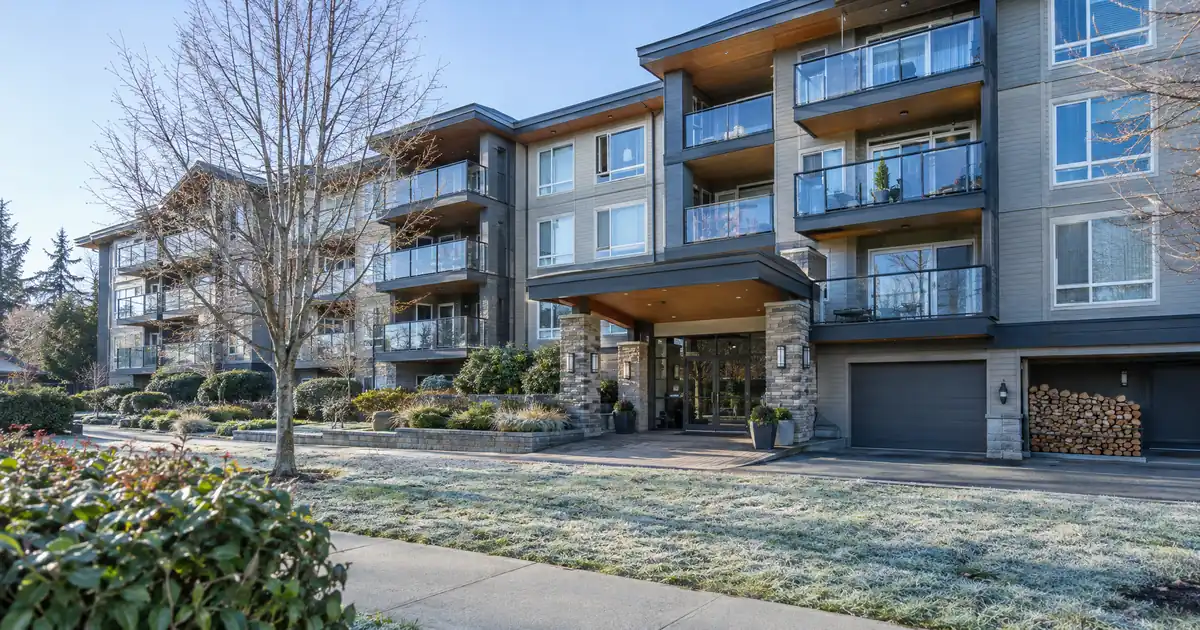
The Quick Read: Converting a fourplex into four condo units is a two-phase project: a legal conversion that creates four separately owned, separately recorded units, followed by four DSCR refinances, each underwritten on that unit’s own rent, leverage, credit and the condo project’s health. The legal phase is state and local law, so an attorney leads it. The financing phase is where lender choice matters most.
- A deed for each unit is not enough. A recorded condo regime, a survey, and an association must exist first.
- DSCR means debt service coverage ratio: the property’s rent compared with its full monthly housing payment. Each unit is tested on its own rent against its own payment, including HOA dues.
- A fourplex owned entirely by one investor is usually treated as a non-warrantable condo project, which means fewer lenders and closer review.
- Cash-out on an investment property tops out around 75% LTV across most of the network, and each unit is sized separately.
- Converting pays off mainly if you plan to sell units to owner-occupants. If you plan to refinance and hold, the original fourplex structure often works better.
Why Convert a Fourplex to Condos in the First Place?
Investors convert to turn one asset into four separately reviewable and separately sellable pieces. That can unlock equity unit by unit and open an exit to owner-occupant buyers. It also adds cost, an association to run, and a more demanding lending review.
DSCR Cash-Out Calculator
Run the cash-out numbers in your market
Rate source: Freddie Mac 30-yr average via FRED® — Federal Reserve Bank of St. Louis · effective Oct 15, 2026
Prefilled with starting assumptions — enter your property’s value, balance, taxes, and insurance for a more accurate picture.
Program parameters update from Lendmire’s centralized guideline source. Taxes and insurance are editable estimates.
As of Oct 15, 2026 · General Freddie Mac market benchmark, not a Lendmire loan offer. Property value, balance, taxes, and insurance are editable estimates. Maximum loan-to-value varies by lender, program, property type, and seasoning. Not a Loan Estimate, approval, or commitment to lend. Program availability and eligibility are subject to lender guidelines, credit approval, property review, and underwriting.
A condo conversion is the legal process of changing a building from one owned property into separately owned units plus shared common areas. Wikipedia notes that the right to convert generally derives from approvals granted by state and local authorities. There is no single national process. Every step below is a pattern, and your attorney confirms the local version.
The value pitch needs a sober look. An investor with conversion experience at Addicted to ROI points out that converted units are priced on retail comparable sales rather than on income. The same author warns that conversion can raise property taxes, rewrite insurance unit by unit, and shrink the pool of investor buyers. That author also says conversion makes sense mainly when you plan to sell units to owner-occupants, and that a refinance-and-hold investor should keep the property as a standard multifamily.
That counterpoint is fair. Treat it as a test your plan has to pass, not a reason to skip the idea.
Key Terms Defined
Condo regime: The legal structure that creates separately owned units and jointly owned common areas, set up through recorded documents.
CC&Rs and bylaws: The covenants, conditions, restrictions and operating rules that govern the association and its owners.
Warrantable condo: A condo project that meets standard project-health tests on owner mix, finances, litigation and insurance. A non-warrantable project fails one or more of them.
Replat or condo map: The survey-based filing that gives each unit its own legal description. The exact instrument varies by state.
PITIA: Principal, interest, taxes, insurance and association dues. It is the monthly obligation that rent is compared against in a DSCR test.
Cash-out refinance: A new loan that replaces the old one and pays out part of the equity, up to the program’s leverage cap.
Does Converting Beat Simply Holding the Fourplex?
It depends on your exit. Converting wins when you will sell units to owner-occupants. Holding the building as one property wins when you plan to keep all four units as rentals. Here is the side-by-side.
| Factor | Keep as fourplex | Convert, then hold | Convert, then sell |
|---|---|---|---|
| Upfront legal work | None | Attorney, survey, HOA | Attorney, survey, HOA |
| Financing | One loan | Up to four loans | Buyers’ loans |
| Buyer pool at sale | Investors | Mixed | Owner-occupants |
| Ongoing burden | One building | HOA you control | Short-term |
| Flexibility | Limited | Sell one unit at a time | Highest |
The middle column is the hard one. You carry conversion costs and association duties, and your lender sees a project where one investor owns every unit. Addicted to ROI puts the all-in cost of converting a fourplex properly at about $15,000. That is one investor’s estimate, and costs vary by jurisdiction, building and unit count.
If your goal is only to pull equity from a building you plan to keep, read Lendmire’s guide Multi Family Investment Property Cash-Out Refinance for a Fourplex before you spend on conversion.
The Conversion Steps, Start to Finish
The legal phase moves in a fixed order: feasibility, existing loan, survey and documents, association, budget and insurance, then recording. Skipping or reordering steps is how investors end up with units no lender or title company will touch.
1. Check feasibility. Confirm zoning and local conversion rules, then pull comparable sales and review market trends and property history. Old Republic Title frames this as the first stage of any conversion.
2. Deal with the existing loan. A mortgage on the whole building does not split itself. It typically has to be partially released or refinanced as units are separated, and the lender must consent because the legal description is changing. Start this conversation early.
3. Survey and legal documents. A surveyor produces the plat or map that gives each unit a unique legal description. Your attorney drafts the declaration, covenants and bylaws. A Texas real estate law firm, Silb Law Firm, explains that a formal condominium regime is required before units can be sold separately.
4. Form the association. This usually means filing articles of incorporation, adopting bylaws, holding an organizational meeting and electing a board. LegalClarity notes that the developer typically controls the board during conversion. State law decides when control passes to owners.
5. Set the budget and master insurance. Four owners need an association budget, reserves and a master policy covering the shared roof, structure and systems. These are the items a lender reads first.
6. Record everything. Until the documents are recorded and the units have their own legal descriptions, a lender has nothing separate to take as collateral.
Silb Law Firm also warns that selling units without a regime in place causes trouble later. Buyers struggle to get financing or title insurance, and cost disputes over shared items such as the roof become messy. Practical groundwork also matters: confirm separate utility meters, and decide how shared systems will be handled in the documents.
How a DSCR Lender Looks at Each Unit
After recording, each unit becomes its own collateral property. It gets its own appraisal, its own rent figure, its own HOA dues, its own taxes and its own insurance. The coverage test is that unit’s rent against that unit’s full monthly payment.
DSCR loans are designed for non-owner-occupied investment properties. Because they are business-purpose investor loans, they are reviewed differently from a standard owner-occupied mortgage. Lender review centers primarily on whether the property’s rental income covers the payment, subject to lender guidelines.
That unit-by-unit math is where conversion changes the picture. Dues now exist that did not exist when the building was one asset, and they sit inside the payment. Here is a modeled example with illustrative ratios, not market data.
| Unit | Modeled coverage | Read |
|---|---|---|
| Unit 1 | 1.28x | Comfortable cushion |
| Unit 2 | 1.15x | Solid |
| Unit 3 | 1.04x | Thin but above 1.00 |
| Unit 4 | 0.93x | Below 1.00 on its own |
Unit 4 shows why the unit-level view matters. The building as a whole might look fine, yet one unit with a lower rent or heavier dues comes in under 1.00. Several paths exist, and a lender reviews each. Coverage of 1.00 is where many select programs start. A separate select-lender path takes coverage below 1.00, with leverage and terms adjusted. Alternatively, a larger down payment or lower leverage lowers the payment and lifts the ratio. Qualification stays subject to lender guidelines, credit approval and property review.
A cleared 1.00 is also not positive cash flow. DSCR compares rent to the payment only. Repairs, vacancy, management, utilities and capital costs sit outside the calculation, so a unit can pass the test and still earn thin returns.
For program ranges, here is what most files look like across the network. These are typical figures, and every file is underwritten individually.
- Cash-out on an investment property: leverage tops out around 75% LTV, with about six months of seasoning as the common expectation. Lenders vary on how they treat a recently recorded conversion, so ask before you plan around a date.
- Purchase by a future buyer using a DSCR loan: most files land at 75%–80% LTV on a purchase.
- Credit: a 620 floor exists in parts of the network, most programs want around 660, and 700+ opens the strongest leverage tiers. Lendmire’s explanation of how much a DSCR cash-out refinance lends at each credit tier covers that ladder.
- Reserves: commonly around six months of PITIA, though they vary by lender, leverage and loan size. Ask how reserves are counted when you are closing several loans on one project.
- Loan size: standard programs run up to $3,000,000, and smaller balances route through select lenders in the network. Four unit-sized loans usually fall in that smaller range.
Lendmire’s complete DSCR loans guide walks through coverage, leverage and credit in full.
DSCR vs. conventional financing
There are two common ways to finance an investment property, and they qualify you differently — here’s how investors weigh them.
Why investors choose it
- Qualifies on the property’s rental income — no personal tax returns, W-2s, or pay stubs needed to document income.
- No personal debt-to-income ceiling to clear, so existing mortgages and obligations don’t cap your borrowing the same way.
- Can be closed in an LLC, keeping the property inside a business entity.
- Built for scaling — not held to the limit on number of financed properties that conventional financing applies.
- Underwriting centers on the deal: generally qualifies when the rent covers the payment, a 1.00x coverage ratio being a common baseline (confirmed in underwriting).
- Designed specifically for investment property, including long-term and, where the program allows, short-term rentals.
Where it’s strong
- Often the lowest ongoing financing cost for a buyer who fully qualifies on personal income — a fit for a first property or a cost-first purchase.
Trade-offs for investors
- Requires full personal income documentation and must fit within a debt-to-income limit — salary, existing debts, and other mortgages all count.
- Typically held in your personal name rather than a business entity.
- Caps how many financed properties you can carry, which can become a ceiling as a portfolio grows.
- Evaluates you as a borrower as much as the property, which usually means more paperwork.
How investors usually choose: a first or single property often optimizes for the lowest financing cost; portfolio builders often optimize for leverage, vesting in an LLC, and scaling past conventional caps. The right answer depends on your goals, the property, and current guidelines — both paths run through select lenders in Lendmire’s wholesale network, with eligibility and terms confirmed in underwriting.
What Decides Whether a Lender Will Take the Project
Four factors decide most outcomes. Is the project warrantable or non-warrantable? How concentrated is ownership? How healthy are the HOA budget, reserves and insurance? Is the legal conversion complete and recorded?
Ownership concentration is the big one for a fourplex. While you still hold most or all of the units, lenders generally treat the project as non-warrantable. That affects down payment, pricing and which lenders will participate. Lenders judge condo projects on association finances, litigation, insurance and investor concentration. DSCR programs run their own project review rather than a standard checklist, so a single-owner four-unit project is judged case by case. Non-warrantable condos are conditional property types that lenders review one by one. A few lenders in the network take them, and others do not.
Plan for fewer options and closer questions. That is manageable, but not if you learn it after the conversion is done. Ask a broker to test the project with lenders before you finalize the HOA budget and insurance.
Where the General Rule Breaks
The steps above assume a clean, fully investor-held, vacant-or-tenanted fourplex with no complications. Real files rarely look like that. These are the edge cases that change the plan.
- You live in one unit. A DSCR loan is a business-purpose loan for non-owner-occupied rentals. An owner-occupied unit needs a different loan type, so a mixed-occupancy project may need two financing paths.
- FHA or other owner-occupant financing is in place. Conversion with that type of loan in place is doubtful, so read the loan terms and check with the servicer before spending money on survey and documents.
- Tenants are in place. Leases need to attach cleanly to the new unit descriptions. Notice requirements for tenants vary by state and city, so have your attorney cover them. Lenders will want the lease for each unit for the rent schedule.
- Very small regimes. A four-unit association has little room for error. One delinquent owner, one missed insurance premium or one lawsuit shows up quickly in a project review, so the budget and reserves need real attention.
- Unit count above four. A fourplex stays in the residential one-to-four unit lane. Five or more units move to commercial lending, which is a different product.
- Ineligible property types. Manufactured homes, log homes and barndominiums are not offered in the network’s DSCR programs, so those structures cannot use this route.
Four Loans or One Blanket Loan?
You have two financing shapes: one loan secured by all four units, or four loans each secured by one unit. The right one follows from whether you will sell or hold. While one entity owns every unit and none are sold, some lenders will finance the project as a single cross-collateralized loan. A DSCR lender’s treatment may differ, so confirm before assuming it.
| Factor | One blanket loan | Four unit loans |
|---|---|---|
| Collateral | All four units together | Each unit alone |
| Selling one unit | Needs a release process | Pay off that unit’s loan |
| Sizing | Based on the whole | Based on each unit’s rent and value |
| Weak-unit risk | Shared across the loan | Isolated, but may fail alone |
| Closing steps | One set | Four sets |
Four loans cost more in closing steps and appraisals. They give you cleaner exits and let each unit stand on its own numbers. The weakest unit, like Unit 4 above, can also be restructured without dragging down the rest.
What the Decision Looks Like in Practice
Work backward from the exit. Decide first whether you will hold all four units, sell some, or sell all. Everything else follows from that answer.
- Plan to sell to owner-occupants: conversion fits. Budget for the legal phase, a clean HOA package, and the buyer’s lending needs.
- Plan to hold all four: compare conversion against a plain cash-out on the fourplex. Conversion has to earn its added cost.
- Plan to hold some and sell some: refinance the units you keep after conversion, and sell the others to fund the rest of the plan.
Then run the order of operations: attorney and survey, existing loan consent, recording, then financing. Ask your broker to test lenders against the project before you commit to the full HOA package. Lenders will ask for the budget, the master insurance policy and any litigation disclosures, so have them ready.
Taxes can change after conversion too, since each unit is assessed on its own. The combined bill for four units often exceeds the bill for one building.
Frequently Asked Questions
Can I refinance each unit separately after the conversion?
Yes, once the conversion is complete and recorded, each unit is its own collateral. Each gets its own appraisal, rent figure and coverage test, and each is sized on its own leverage and credit profile. Qualification remains subject to lender guidelines, credit approval and property review.
Do I need an HOA for a four-unit building?
Generally, yes. A condo regime needs an association to hold the common areas and carry the master insurance. A lender will ask for the bylaws, budget and insurance, so a handshake arrangement between owners will not work.
Can I live in one of the units?
Not on a DSCR loan for that unit. DSCR financing is for non-owner-occupied rentals, so the unit you occupy needs a different loan type. The other three can still be financed on their rent.
Will lenders treat the project as non-warrantable?
Often, yes, because one investor holds most or all of the units. That means fewer participating lenders and closer review of the budget, reserves and insurance. It does not mean no financing, but it does mean your lender list is shorter.
Does conversion automatically raise my property value?
No. Condo units are priced on retail comparable sales, not on income, so the result depends on local comps. Conversion can raise the value of individual units in some markets and lower it in others, and the appraiser makes the call.
Next Step
If you are buying or refinancing a rental property and want to see how the numbers work, Lendmire can help you compare DSCR loan options based on the property income, credit profile, leverage, and investor goals. As a broker with DSCR programs across 41 markets, including Washington, D.C., Lendmire places files with select lenders in its wholesale network, and an early look at your conversion plan can show which lenders will review a single-owner four-unit project.
About Lendmire
Lendmire (NMLS# 2371349) is a DSCR-focused mortgage broker that helps arrange investor financing across 41 markets, including Washington, D.C., through wholesale and investor-lending channels. DSCR eligibility is generally reviewed by the lender around the property’s rental income rather than personal income documentation, subject to lender guidelines — which works for self-employed investors, LLC operators, and portfolios above four financed properties. Scotsman Guide named Lendmire a Top Mortgage Workplace in both 2025 and 2026.
Get Started
Ready to find the right loan for you?
In about 30 seconds you can review financing options available for your investment property. No commitment required.
Informational only. Not a Loan Estimate, approval, or commitment to lend. Program availability and eligibility are subject to lender guidelines, credit approval, property review, and underwriting.
References
1. Wikipedia: Condominium Conversion
2. Addicted to ROI: Condo Conversion
3. Old Republic Title: The Condo Conversion Process
4. Silb Law Firm: How to Sell Your Duplex or Four-Plex as a Condo
5. LegalClarity: How to Legally Convert Apartments to Condos
This article is part of Lendmire’s DSCR loan program — full qualification details, guidelines, and scenarios live on the program page.
Related reading: Current Mortgage vs DSCR Refinance for a New Landlord: What Each Allows · Current Carrier vs Re-Quote for an Airbnb DSCR Refinance · Current Carrier vs Re-Quoted Coverage Before a DSCR Refinance
Brandon Miller
Founder & CEO, Mortgage Loan Originator, Lendmire LLC
- Mortgage Loan Originator · NMLS# 1129696 · Verify on NMLS Consumer Access
- North Carolina Real Estate Broker · License# 343312 · Verify on NCREC
- North Carolina Insurance Producer · License# 19053198 · Property, Casualty, Life, Health · Verify on NAIC SBS
- Lendmire LLC · Firm NMLS# 2371349 · Verify firm licensure
Disclosure information. Lendmire is a state-licensed mortgage brokerage under NMLS# 2371349. Lendmire is not a depository institution, direct lender, or financial advisor — all loans referenced are placed through wholesale lender partners and are subject to each lender's underwriting standards. This article is provided for general informational purposes and is not a commitment to lend, nor does it constitute financial, legal, or tax advice. Loan programs, terms, rates, and qualification standards change without notice and depend on borrower profile, property type, and the state in which the subject property is located. Equal Housing Opportunity provider. NMLS Consumer Access: nmlsconsumeraccess.org.