
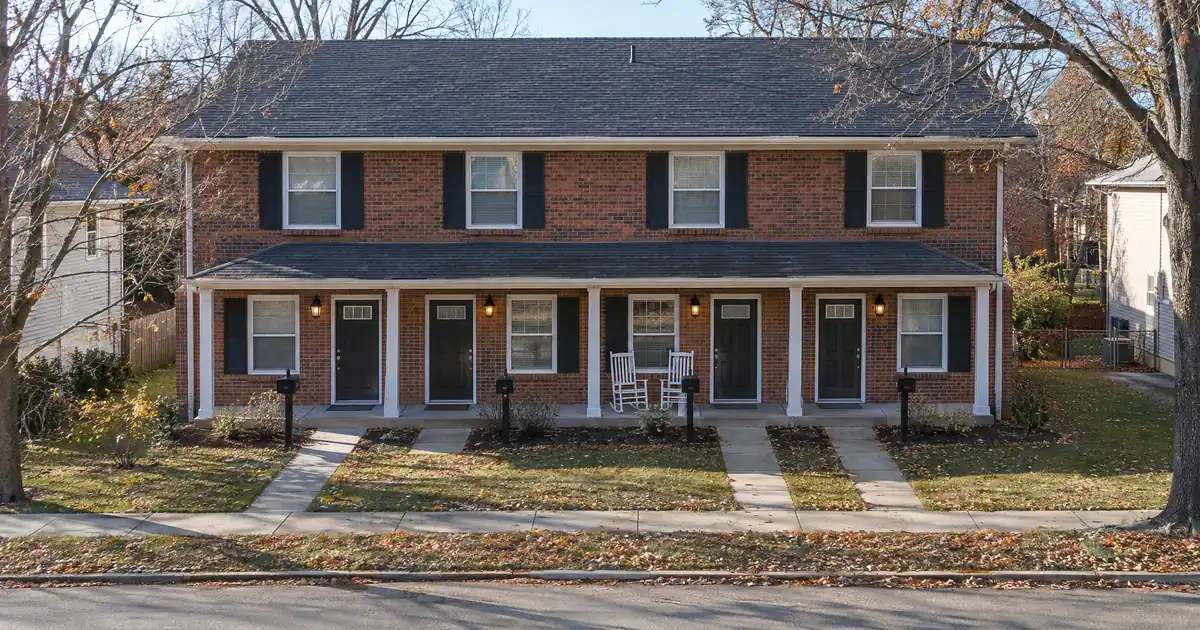
The Quick Read: A low appraisal on a duplex, triplex, or fourplex usually shrinks the deal rather than ending it, and the fix runs in a set order. First work out which number missed, value or rent. Then audit the report for factual errors, send one documented reconsideration request through the lender, and re-size the loan if the value holds. Across Lendmire’s wholesale network, cash-out on a standard rental tops out around 75% LTV, so every dollar of lost value hits your proceeds harder than you would expect.
- Value sets the maximum loan. Rent sets the coverage ratio. A miss on one needs different evidence than a miss on the other.
- Factual errors in the report are the strongest basis for a challenge. Disagreement alone rarely moves a value.
- The request goes through the lender or broker, never straight to the appraiser.
- Payoff and closing costs are fixed, so a small value miss becomes a much larger cash-out miss.
- If the value holds, the options are a smaller draw, bringing cash to close, waiting to reappraise, or a different program.
Key Terms Defined
Appraised value: The appraiser’s opinion of what the property is worth, which the lender uses to cap the loan.
Reconsideration of value (ROV): A request, made through the lender, asking the appraiser to reassess the report based on errors or new information.
Market rent schedule: The appraiser’s unit-by-unit opinion of what each unit should rent for.
LTV: Loan-to-value, the loan amount divided by the appraised value.
DSCR: Debt service coverage ratio, meaning monthly rent divided by the full monthly payment of principal, interest, taxes, insurance, and any HOA dues.
Seasoning: The time you have owned the property, measured from title recording, before a lender will treat the refinance as a cash-out against value.
DSCR Cash-Out Calculator
Run the cash-out numbers in your market
Rate source: Freddie Mac 30-yr average via FRED® — Federal Reserve Bank of St. Louis · effective Oct 15, 2026
Prefilled with starting assumptions — enter your property’s value, balance, taxes, and insurance for a more accurate picture.
Program parameters update from Lendmire’s centralized guideline source. Taxes and insurance are editable estimates.
As of Oct 15, 2026 · General Freddie Mac market benchmark, not a Lendmire loan offer. Property value, balance, taxes, and insurance are editable estimates. Maximum loan-to-value varies by lender, program, property type, and seasoning. Not a Loan Estimate, approval, or commitment to lend. Program availability and eligibility are subject to lender guidelines, credit approval, property review, and underwriting.
Why Does a Small Value Miss Hurt Cash-Out So Much?
Because the payoff and closing costs do not move when the value drops. Only the cash-out slice absorbs the loss, so a modest miss in value can erase a large share of your proceeds.
Here is the mechanic. On a standard rental, cash-out refinance tops out around 75% LTV across most of Lendmire’s network. The loan ceiling is the appraised value times 75%. Subtract the existing payoff and closing costs, and what remains is your cash. Leverage, reserves, and pricing vary by lender and program; the final terms follow the full file review.
Picture a fourplex you expected to appraise at $800,000. At 75%, the ceiling would be set against that figure. Now say it appraises 10% lower, at $720,000. The ceiling falls by the same 10%, but the payoff and costs stay put. The entire drop comes out of your proceeds, so the cash you planned to take can fall by far more than 10%. A 15% miss can take the draw to near zero or leave the refinance unable to cover the payoff at all.
That is why a break-even number is worth knowing before you apply. Work out the lowest appraised value at which the refinance still pays off the old loan, covers costs, and leaves the cash you need. If you are close to that line, a stress test with a value 10% below your expectation tells you whether to rely on the proceeds. Lendmire’s DSCR cash-out refinance page walks through how the equity formula works.
One related point on sizing. Some lenders size against cost basis rather than value when seasoning is short. In that case a low appraisal means something different, so confirm which basis applies before you plan around the number. About 6 months of ownership, measured from title recording, is the common seasoning expectation in the network.
First, Diagnose What Missed: Value, Rent, or Both
Start by finding which output moved. Value and rent are two separate conclusions in the same report, and they drive different parts of the loan.
| What missed | What it changes | First move |
|---|---|---|
| Value only | Maximum loan and cash-out | Audit comps and improvements, then file a reconsideration |
| Rent only | Coverage ratio and pricing tier | Rent comps, lease evidence, or a smaller loan |
| Both | Loan size and coverage | Restructure first, then dispute selectively |
A smaller loan helps a value problem because it brings the loan back inside the leverage cap. It does less for a rent problem. Coverage compares rent to the full monthly obligation, and taxes and insurance do not shrink when the loan does. A smaller balance lifts the ratio, but only by the amount the principal and interest portion falls.
Keep in mind that clearing 1.00 on coverage is not the same as positive cash flow. The ratio looks only at rent against the full payment. Repairs, vacancy, management, utilities, and capital expenses sit outside it. Cuts to the rent opinion hurt coverage, but a loan that clears the ratio can still be a thin deal.
For context, 1.00 is where select programs start, and stronger ratios open better pricing and leverage. Coverage below 1.00 is available through select lenders in the network, with leverage and terms adjusted. Those are different paths, so a rent miss that drops you under a program’s floor is a reason to ask which path fits, not a reason to assume the deal is gone.
Audit the Report Line by Line
Factual errors are the strongest ground for a challenge, and on a 2-4 unit they are more common than on a single-family home. These properties are generally appraised on the small residential income property form, which reports rent unit by unit with rental comps listed before sales comps. More data fields mean more places to be wrong.
| Item | What to look for | Evidence that fixes it |
|---|---|---|
| Unit count and layout | Wrong number of units or bedrooms per unit | Leases, rent roll, floor plans |
| Per-unit rents | A unit entered below its actual lease | Signed leases, payment history |
| Square footage | Measured or recorded incorrectly | Prior appraisal, plans, measurements |
| Condition and quality ratings | Ratings worse than the property’s state | Dated photos, receipts, scope of work |
| Unreflected renovations | Completed work missing from the report | Itemized scope with before and after photos |
| Comp selection | Dissimilar, stale, or distant sales | Closer, more similar closed sales |
Comps deserve special attention. A 2-4 unit often has few true matches, so appraisers sometimes reach for a single-family sale or a larger building. If the comps differ in unit count, location, or condition, say so specifically and offer better ones. Closed sales that fall after the valuation date generally do not help, so focus on sales that closed before it.
An improvement may support a higher appraised value, depending on comps and underwriter review. Receipts prove you spent the money. They do not prove the market pays for it. The comps carry that argument.
How Do You File a Reconsideration That Has a Chance?
You file it through the lender or broker, with specific evidence, and you get one clean attempt. The channel matters more than most investors realize.
Under the interagency guidance on valuation reconsiderations, a reconsideration is a request from the financial institution to the appraiser to reassess the report based on potential deficiencies or other information that may affect the value conclusion. You can see that framing in the final guidance published in the Federal Register, which five agencies issued together, as the OCC’s bulletin confirms. The guidance also contemplates that a consumer can prompt the institution to reexamine a valuation, a point spelled out in the final text from the CFPB.
Be careful about how far that reaches. It is guidance written for regulated institutions, not a borrower entitlement. DSCR loans are business-purpose investor loans, and the reconsideration process on one is set by that lender’s own policy. Treat the guidance as a useful picture of how reviews are meant to work, not as a right you can invoke.
The practical steps:
1. Do not contact the appraiser. Route everything through your loan officer or broker. The lender ordered the report through its own management company, and ordering your own is not useful.
2. Lead with factual errors. List each one with the page it appears on and the document that corrects it.
3. Add three to five closer, more similar closed sales. Explain why each is a better match than the ones used.
4. Attach the improvement record. Include the itemized scope, receipts, and dated before and after photos.
5. Add rent evidence if rent missed. Use signed leases and unit-level rent comps, not listing-site estimates.
6. Keep the tone factual. Argue comparables and data. Do not argue need, and do not argue that the number is unfair.
What rarely helps: an online estimate, your own opinion of value, or the size of the cash-out you wanted. Reviewers look for errors, omissions, or conclusions that are unsupported, and the ABA Banking Journal’s overview of the process describes the standard the same way.
Expect one request per report. A reconsideration also takes time, so check it against your payoff good-through date and any bridge loan maturity before you file.
Experienced brokers see a pattern here. The requests that move numbers are short, factual, and specific. The ones that fail are long letters about what the property is worth to the owner. A reconsideration recovers value only when comps were thin or facts were wrong. If the market supports the lower number, the appraiser will hold it.
If the Value Holds, What Are Your Options?
Re-size the loan around the lender’s value, the payoff, the costs, and the proceeds you actually need. Separate the must-cover items, meaning payoff and costs, from the optional cash-out.
| Option | Effect on cash | Main risk | Best fit |
|---|---|---|---|
| Smaller draw | Less cash, deal survives | May not fund the next purchase | Value miss is modest |
| Cash to close | Fills the gap with your money | Ties up capital | Refinance is still clearly worth it |
| Wait and reappraise | Preserves the option | Carrying cost and market drift | Comps are about to improve |
| Second appraisal | Possible different value | Policies vary; may be averaged or refused | Report had clear, documented flaws |
| Payoff-only refinance | No cash back | You lose the proceeds goal | Bridge loan is maturing |
| Different program | Different leverage or terms | Different eligibility and pricing | Current program no longer fits |
Whether a second appraisal is allowed, and how the two values combine, depends on the lender and program. Ask before you pay for one.
After any change, re-run coverage. The loan drops, but taxes and insurance stay the same, so the payment falls by less than the balance does. If rent was cut as well, the ratio may still sit below where you need it.
The bridge or hard-money payoff case. An investor who renovated with short-term money and planned to refinance out faces a harder problem. If the new loan cannot cover the short-term payoff, the gap needs cash, an extension, or a different structure. Raise this with your broker as soon as the value comes in low, not at the payoff deadline.
Appraisal Waivers and Second Opinions: What Is Realistic Here?
Not much. Appraisal waivers and automated valuations are built around owner-occupied, single-family loans. A cash-out refinance on a 2-4 unit rental generally calls for a full appraisal, so do not plan around a waiver. Valuations are a broader category than appraisals, as the ABA piece notes, but the path for this property type still runs through a full report.
Should You Proceed or Walk Away?
Walk away from the refinance, or at least pause it, when two or more of these are true:
- The new loan no longer covers the payoff plus costs without your own cash.
- The remaining proceeds are not enough to cover the purpose you borrowed for, such as the renovation or the short-term loan payoff.
- Coverage falls below the program’s floor and you do not want the leverage and terms that come with a sub-1.00 path.
- Reserves, which commonly run around 6 months of PITIA, and about 9 months above $1,500,000, would drain your cash after closing.
- The leverage you need sits above what the network allows, which is around 75% on a cash-out.
- Credit sits below the tier that supports the structure. A 620 floor exists in parts of the network, most programs want around 660, and 700 or higher opens the strongest leverage.
Keep the decision cold. The cost of closing a refinance that no longer makes sense is paid for years. Property types like manufactured homes, log homes, and barndominiums are not offered through the network’s DSCR programs, so switching collateral type is not an exit.
Protecting the Next Attempt
If you wait and reapply, use the pause. Build a rent roll with current leases, an improvement log with receipts and dated photos, and your own list of closed comps that match the property. Request a deliberately smaller draw than your best-case number, so a 5% to 10% value miss does not break the deal. Expect lenders to review every file individually, and expect eligibility to depend on lender guidelines, credit, reserves, and the property itself.
Two other Lendmire pieces sit next to this one. For how reserves are counted when the loan sizes down, see Lendmire’s piece How Reserves Are Counted on a 2–4 Unit Rental Cash-Out Refinance. If the property is your own home rather than a rental, Lendmire’s guide to a low appraisal on a 2-4 unit primary home cash-out covers that different case. The full program picture is in Lendmire’s complete DSCR loans guide.
Frequently Asked Questions
Can I contact the appraiser directly to argue the value?
No. The request runs from the lender to the appraiser, so the right move is to hand your evidence to your loan officer or broker. Direct contact can taint the report and hurt your credibility with the lender.
Can a bigger down payment fix a low appraisal on a refinance?
Bringing cash to closing can close the gap between the lender’s loan ceiling and what you need to pay off. It lowers the loan and can lift coverage. It does not change the leverage cap, credit floors, reserve rules, or property eligibility, so the strongest files clear both the equity test and the rent test.
What if both the value and the rent came in low?
Restructure first. Size the loan to the lender’s value, then check whether coverage clears the program’s floor. Dispute only the points where you hold documented errors or better comps.
Is a low appraisal a reason to skip the cash-out and just refinance?
Sometimes. A payoff-only refinance avoids the proceeds problem, which helps if a short-term loan is maturing. It gives up the cash you wanted, so it makes sense only if the refinance still improves your position without it.
Will a second appraisal replace the first one?
Not necessarily. Some lenders refuse a second report, and others may average or weigh the two. Confirm the rule for your specific program before paying for one.
If you are buying or refinancing a rental property and want to see how the numbers work, Lendmire can help you compare DSCR loan options based on the property income, credit profile, leverage, and investor goals. Qualification is subject to lender guidelines, and none of this is a commitment to lend. Tax treatment varies; consult a qualified professional.
About Lendmire
Lendmire, NMLS# 2371349, is a mortgage brokerage focused on investor financing, arranging DSCR loans in 40 states plus Washington, D.C. — 41 markets total. Qualification is based on the property’s income rather than personal income documentation, subject to lender guidelines, making it a fit for LLC-held rentals and scaling portfolios. Scotsman Guide named Lendmire a Top Mortgage Workplace in both 2025 and 2026.
Get Started
Ready to find the right loan for you?
In about 30 seconds you can review financing options available for your investment property. No commitment required.
Informational only. Not a Loan Estimate, approval, or commitment to lend. Program availability and eligibility are subject to lender guidelines, credit approval, property review, and underwriting.
References
1. Federal Register, Final Interagency Guidance on Reconsiderations of Value
3. ABA Banking Journal, Reconsideration of Value
This article is part of Lendmire’s investment property cash-out refinance program — full qualification details, guidelines, and scenarios live on the program page.
Related reading: Selling a Rental vs. a DSCR Cash-Out Refinance for the Next Purchase · How to Weigh Giving Up a Low First Mortgage for DSCR Cash-Out · Should an Investor Close a Cash-Out Refinance That Appraises Low?
Brandon Miller
Founder & CEO, Mortgage Loan Originator, Lendmire LLC
- Mortgage Loan Originator · NMLS# 1129696 · Verify on NMLS Consumer Access
- North Carolina Real Estate Broker · License# 343312 · Verify on NCREC
- North Carolina Insurance Producer · License# 19053198 · Property, Casualty, Life, Health · Verify on NAIC SBS
- Lendmire LLC · Firm NMLS# 2371349 · Verify firm licensure
Legal disclosures. Lendmire (NMLS# 2371349) is a state-licensed mortgage brokerage that arranges financing through wholesale lender relationships. Lendmire is not a direct lender, depository institution, or registered financial advisor. The discussion above is general informational content about real estate financing — it is not financial, legal, or tax advice, and readers should consult licensed professionals for guidance on their individual circumstances. Loan inquiries are subject to lender underwriting; this article does not represent a commitment to lend. Loan terms, rates, and qualification standards vary by borrower, property, and state, and are subject to change at any time. Equal Housing Opportunity. NMLS Consumer Access: nmlsconsumeraccess.org.