
The Quick Read: Structure the request so each rental is tested on its own rent, and keep the delinquent unit from dragging down the clean ones. The delinquent tenant matters mostly because it muddies the rent evidence for that one property, and the usual fixes are to cure the arrears, re-lease at market rent, shrink the request on that property, or file the clean properties first.
- Each rental is typically underwritten on its own rent against its own payment, so one late tenant does not automatically sink the others.
- Across most of our network, cash-out tops out around 75% LTV on standard rentals, with about 6 months of ownership expected.
- Separate loans contain the problem. A blanket loan pools it with your strong properties.
- Document the arrears yourself. A surprise on the rent roll makes an underwriter re-check everything else.
- Clearing 1.00 coverage is not the same as positive cash flow.
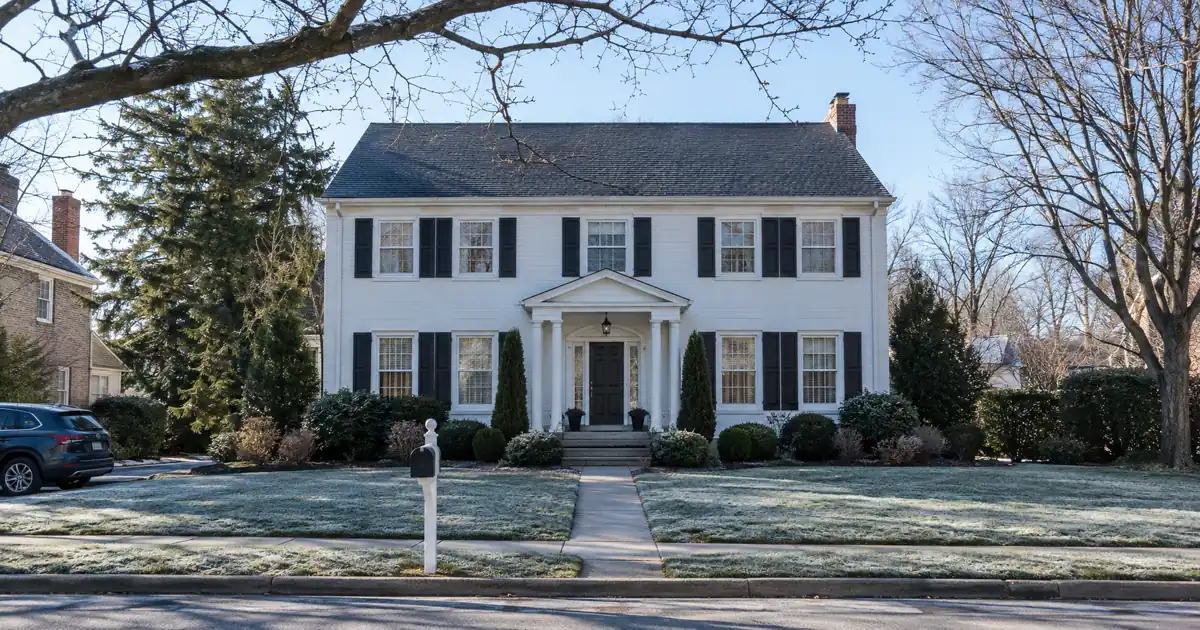
Picture an investor with five rentals. Four have tenants who pay on the first of the month. The fifth is two months behind and promising to catch up. That investor wants cash out of all five, and the question is whether the fifth property poisons the whole request.
DSCR Cash-Out Calculator
Run the cash-out numbers in your market
Rate source: Freddie Mac 30-yr average via FRED® — Federal Reserve Bank of St. Louis · effective Oct 15, 2026
Prefilled with starting assumptions — enter your property’s value, balance, taxes, and insurance for a more accurate picture.
Program parameters update from Lendmire’s centralized guideline source. Taxes and insurance are editable estimates.
As of Oct 15, 2026 · General Freddie Mac market benchmark, not a Lendmire loan offer. Property value, balance, taxes, and insurance are editable estimates. Maximum loan-to-value varies by lender, program, property type, and seasoning. Not a Loan Estimate, approval, or commitment to lend. Program availability and eligibility are subject to lender guidelines, credit approval, property review, and underwriting.
Usually it does not. But it changes how you should build the request, and the order you should file it in. This is how underwriting treats that situation, step by step.
What Is a DSCR Cash-Out Across Several Rentals?
A DSCR cash-out refinance replaces your current loan on a rental with a larger one and hands you the difference in cash. DSCR stands for debt service coverage ratio. It compares the property’s rent to its monthly housing payment. That payment is called PITIA: principal, interest, taxes, insurance, and association dues.
The loan is reviewed primarily on property-level rental income covering the payment, subject to lender guidelines. DSCR loans are designed for non-owner-occupied investment properties. Because they are business-purpose investor loans, they are reviewed differently from a standard owner-occupied mortgage.
“Several rentals” can mean two different things. You can refinance each property on its own loan. Or you can combine them under one blanket (portfolio) note that is secured by all of them. That choice drives almost everything about how a delinquent tenant plays out.
For the broader picture of how these loans work, see Lendmire’s complete DSCR loans guide.
Does Property Count Limit a Multi-Rental Cash-Out?
No. Property count is not the gate. Each property has to meet the program’s requirements on its own merits.
Across the network, these are the typical ranges for a standard long-term rental cash-out, subject to lender guidelines:
- Leverage: cash-out tops out around 75% LTV. LTV means loan-to-value, the loan as a share of the appraised value.
- Seasoning: about 6 months of ownership, measured from title recording. Seasoning is the waiting period between buying a property and refinancing it.
- Coverage: 1.00 is where select programs start. Stronger ratios open better pricing and leverage.
- Credit: a 620 floor exists in parts of the network. Most programs want around 660, and 700+ unlocks the strongest leverage tiers.
- Reserves: commonly around 6 months of PITIA, stepping up to about 9 months above $1,500,000. Reserves are liquid funds you keep after closing.
- Loan size: up to $3,000,000 on standard programs.
Equity is not a guaranteed cash figure. What you can pull depends on rent, payment, reserves, and that 75% ceiling working together. Short-term rentals run on different numbers: cash-out at 70% LTV on short-term-rental collateral, versus 75% on standard rentals. Leverage, reserves, and pricing vary by lender and program; the final terms follow the full file review.
How Does Underwriting Treat a Delinquent Tenant?
Underwriting works from a handful of numbers per property, and a delinquent tenant touches the one tied to rent.
1. The appraisal sets value and market rent. Value drives LTV. Market rent drives coverage. For a single-family rental, the appraiser documents market rent on Fannie Mae’s Form 1007, the Single-Family Comparable Rent Schedule. That form also asks the appraiser to comment on vacancy and rent trends. Small 2-4 unit buildings use a different appraisal form, Form 1025. DSCR programs borrow these forms for format only. Agency rental-income rules do not govern the loan.
2. The lender picks a rent figure. The common treatment is the lower of the in-place lease and the appraiser’s market rent. Rent above market earns nothing.
3. Delinquency creates a conflict. The lease says what rent should be. Bank statements and ledgers show what actually arrived. When the two disagree, an underwriter may lean on the better-evidenced number.
4. The cash-out raises the payment. Every dollar you pull increases PITIA and lowers coverage. A smaller cash-out on the delinquent property lifts its ratio.
Fannie Mae’s guidance describes the 1007 as the appraiser’s tool for documenting estimated monthly market rent on a one-unit investment property, and it is needed when rental income is used to qualify. That is why market rent, not the tenant’s payment history, usually drives the ratio. This is how practitioners generally see it, not a regulatory rule.
Here is the catch. If the file shows a unit as leased while the tenant pays nothing, the underwriter may re-check every other number. The lease alone is no longer persuasive.
Separate Loans or One Blanket Loan?
Separate loans isolate the problem. A blanket loan blends it. Neither is universally better.
| Factor | Separate loans | One blanket loan |
|---|---|---|
| Coverage test | Each property alone | Pooled rent over pooled PITIA |
| Delinquent unit | Affects only its own file | Drags the pool or gets excluded |
| Strong properties | Cannot cover a weak one | Can offset a weak one |
| Default risk | Contained per property | Cross-collateralized |
| Selling one later | Cleaner | Needs release provisions |
On a blanket note, a strong property can carry a weak one. A 1.50 door and a 0.90 door can blend to about 1.20, per one DSCR portfolio analyzer’s illustration. The tradeoff is that every property secures the whole debt. A default or lease violation on one can put the whole note at risk, so read the cross-default and release provisions before signing.
A practical rule of thumb, not a rule: if every property qualifies alone and you may sell one soon, separate loans are cleaner. If one property fails alone and you plan a long hold, a blanket may earn its place. For an adjacent mechanic, Lendmire’s piece Can One Cash-Out Refinance Pay Off Rentals From Several Lenders? covers how existing loans get retired in a multi-property refinance.
Triage Your Portfolio Before You Apply
Sort each rental into a state before any application goes in. Vacant, late-but-current, and months behind are three different problems. Lenders treat them differently.
| Property state | What the lender sees | What to do | When to file |
|---|---|---|---|
| Clean and seasoned | Lease plus deposits match | Package normally | Now |
| Late but current | Occasional late deposits | Show recent deposits and explain | Now, with clean ledger |
| Arrears, payment plan | Lease versus actual payments conflict | Document the plan and payments made | After a few plan payments land |
| Arrears, eviction filed | Transitional, not stable | Resolve or hold out | After cure or re-lease |
| Vacant | No rent to test on a standard refinance | Re-lease first | After a tenant is in place |
A few notes on the table. Most refinances expect the property to be leased or showing rental history, while a purchase may allow a vacant but rent-ready unit. Some programs allow a vacant unit within a multi-unit building, but treatment varies, so ask before the appraisal is ordered. A vacant, rent-ready unit has one clear rent source. A delinquent unit carries the lease-versus-payments conflict.
Also remember that only a court order removes a tenant. Telling a lender you plan to evict is not the same as a resolved property.
Worked Example: Five Rentals, One Behind
Run the numbers on this hypothetical, with every input a modeled assumption rather than market data. An investor owns five rentals, all held well past the 6-month seasoning mark, all targeting a cash-out at or below 75% LTV on standard long-term rental collateral. Four clear coverage comfortably at roughly 1.2x or better. The fifth is two months behind, with a tenant on a written payment plan. Terms vary by lender guidelines, property type, leverage, credit profile, and full file review.
Step 1: File the four clean properties first. Each goes in as its own loan. The late tenant on the fifth property has no bearing on them under a separate-loan structure.
Step 2: Fix the fifth. The investor documents the arrears, collects a few on-time payments under the plan, and builds the paper trail. If the lease rent exceeds market, only market rent counts anyway.
Step 3: Re-test the fifth. With deposits showing consistent payment, the lease and the ledger now agree. If coverage is thin, the investor requests less cash out on that property, because a smaller loan means a smaller payment and a higher ratio.
Step 4: Decide on structure. If the fifth still fails alone, the investor can hold it out, or weigh a blanket. Under a blanket, the weak door would be pooled with the strong ones, and the pool’s coverage must still clear the program’s test.
Coverage below 1.00 is a separate path. It is available through select lenders in the network, with leverage and terms adjusted. It is not the same program with a lower floor, so do not plan around it unless the numbers force you.
Early cash-outs on the four clean properties can also cover the holding costs of the problem unit while it is resolved. That beats forcing a refinance on a file that is not ready.
What Documents Should You Gather?
Gather these per property before submitting:
- Executed lease, plus a rent roll for 2-4 unit buildings
- A rent ledger tied to bank deposits
- A master rent roll that lists every tenant’s arrears
- Proof of any payment plan, and any legal-status documents if an eviction is filed
- A short explanation letter for the delinquent unit
- Insurance quote, tax bill, HOA statement, and current mortgage statement
- Borrower ID and a business-purpose declaration
Bank statements are the strongest check on collections. Undeposited cash cannot be proven. If a tenant pays in cash, start depositing it and keep a trail.
Disclose the delinquency yourself. A problem that surfaces on its own makes the whole file look less reliable.
DSCR vs. conventional financing
There are two common ways to finance an investment property, and they qualify you differently — here’s how investors weigh them.
Why investors choose it
- Qualifies on the property’s rental income — no personal tax returns, W-2s, or pay stubs needed to document income.
- No personal debt-to-income ceiling to clear, so existing mortgages and obligations don’t cap your borrowing the same way.
- Can be closed in an LLC, keeping the property inside a business entity.
- Built for scaling — not held to the limit on number of financed properties that conventional financing applies.
- Underwriting centers on the deal: generally qualifies when the rent covers the payment, a 1.00x coverage ratio being a common baseline (confirmed in underwriting).
- Designed specifically for investment property, including long-term and, where the program allows, short-term rentals.
Where it’s strong
- Often the lowest ongoing financing cost for a buyer who fully qualifies on personal income — a fit for a first property or a cost-first purchase.
Trade-offs for investors
- Requires full personal income documentation and must fit within a debt-to-income limit — salary, existing debts, and other mortgages all count.
- Typically held in your personal name rather than a business entity.
- Caps how many financed properties you can carry, which can become a ceiling as a portfolio grows.
- Evaluates you as a borrower as much as the property, which usually means more paperwork.
How investors usually choose: a first or single property often optimizes for the lowest financing cost; portfolio builders often optimize for leverage, vesting in an LLC, and scaling past conventional caps. The right answer depends on your goals, the property, and current guidelines — both paths run through select lenders in Lendmire’s wholesale network, with eligibility and terms confirmed in underwriting.
What Experienced Brokers See on Files Like This
Across files with a non-paying tenant, the borrowers who do best usually separate the problem property early. They file the clean doors, narrow the ask on the weak one, and show payment evidence rather than promises. The ones who struggle bury the arrears and hope the lease carries the file. It rarely does, because the underwriter finds the gap in the bank statements.
What Else Do Lenders Still Look At?
DSCR does not ignore you. Credit, reserves, and payment history still matter. Expect questions about your own mortgage payment record, because lenders want to see debts paid on time. The loan is reviewed primarily on property rent covering the payment, but the borrower still has to clear credit and reserve tests.
Ownership matters too. Whether you can hold title in an LLC depends on program guidelines, so confirm that before building the structure. Cash-out proceeds are for business purposes, and the cash can fund your next purchase.
When Not to Force It
Sometimes waiting is the smarter move. Skip the application, or pull the delinquent property out, when:
- The unit is in active eviction and no rent is being paid.
- The tenant is far behind with no plan and no deposits to show.
- The request would leave coverage thin after the larger payment.
- You would trigger prepayment charges on an existing loan for little gain.
- You lack the reserves a multi-property file typically needs.
Time the application deliberately. Curing arrears, re-leasing at market, or lowering the cash-out request before the appraisal can raise proceeds more than rushing in.
Key Terms Defined
DSCR: The ratio of a property’s rent used for lender review to its monthly payment. A ratio at or above 1.00 means rent covers the payment on paper.
PITIA: Principal, interest, taxes, insurance, and association dues. It is the monthly obligation the rent is measured against.
Market rent: The appraiser’s estimate of what the property should rent for today, documented on a rent schedule.
Rent roll: A list of each unit, its tenant, its rent, and any arrears.
Arrears: Rent that is owed but unpaid.
Blanket loan: One loan secured by several properties at once.
Seasoning: The waiting period between buying a property and refinancing it.
One more caution. Passing DSCR is not positive cash flow. The ratio counts only PITIA. Repairs, vacancy, management, utilities, and capex sit outside it, and a delinquent tenant is exactly the kind of cost it ignores. Tax treatment varies; consult a qualified professional before relying on any deduction.
Frequently Asked Questions
Can I do a DSCR cash-out on several rentals at once?
Yes, as long as each property meets the program’s requirements. You can use separate loans or one blanket loan, depending on the program. Each structure treats a problem unit differently.
Does one late tenant ruin the refinance on my other rentals?
Usually not. On separate loans, the issue stays with that property’s file. On a blanket loan, the weak property is pooled with the strong ones, so it matters more.
Is a late-but-current tenant the same as one in arrears?
No. A tenant who pays a few days late but pays in full leaves a clean deposit trail. A tenant months behind creates a conflict between the lease and actual payments. Underwriters treat them differently.
Can I refinance a unit that is vacant?
Often not on a standard refinance, since a vacant unit has no rent to test. Purchases are more flexible. Treatment of a vacant unit inside a multi-unit building varies by program, so ask before the appraisal.
Does a higher lease rent help me qualify?
No. The common treatment is the lower of the lease and the appraiser’s market rent, so the excess earns nothing.
If you are buying or refinancing a rental property and want to see how the numbers work, Lendmire can help you compare DSCR loan options based on the property income, credit profile, leverage, and investor goals. Lendmire is a broker arranging financing through select lenders in its wholesale network across 41 markets, including Washington, D.C., and every file is underwritten individually. This is not a commitment to lend.
Most investors with a delinquent unit do better treating it as a sequencing problem than a verdict: file what is ready, repair what is not, and let the paper trail catch up to the rent.
For the mechanics of pulling equity out of a rental property, see Lendmire’s guide to cash-out refinance on an investment property.
About Lendmire
Lendmire is a non-QM mortgage brokerage (NMLS# 2371349) arranging DSCR investor loans in 41 markets, including Washington, D.C. DSCR eligibility is generally reviewed around property-level rental income rather than personal income, subject to lender and program guidelines, a fit for self-employed investors and LLC-owned portfolios. Lendmire was recognized as a Scotsman Guide Top Mortgage Workplace in 2025 and 2026.
Get Started
Ready to find the right loan for you?
In about 30 seconds you can review financing options available for your investment property. No commitment required.
Informational only. Not a Loan Estimate, approval, or commitment to lend. Program availability and eligibility are subject to lender guidelines, credit approval, property review, and underwriting.
References
1. Fannie Mae Form 1007, Single-Family Comparable Rent Schedule
2. Fannie Mae Appraiser Update, June 2024
3. Ridge Street Capital, DSCR portfolio loan overview
This article is part of Lendmire’s investment property cash-out refinance program — full qualification details, guidelines, and scenarios live on the program page.
Related reading: DSCR Cash-Out vs HELOC for an Ohio Rental Roof Replacement · Portfolio DSCR Loan on Several Rentals Leased to Family Members · DSCR Cash-Out vs Business Loan to Buy a Franchise
Brandon Miller
Founder & CEO, Mortgage Loan Originator, Lendmire LLC
- Mortgage Loan Originator · NMLS# 1129696 · Verify on NMLS Consumer Access
- North Carolina Real Estate Broker · License# 343312 · Verify on NCREC
- North Carolina Insurance Producer · License# 19053198 · Property, Casualty, Life, Health · Verify on NAIC SBS
- Lendmire LLC · Firm NMLS# 2371349 · Verify firm licensure
Legal disclosures. Lendmire (NMLS# 2371349) is a state-licensed mortgage brokerage that arranges financing through wholesale lender relationships. Lendmire is not a direct lender, depository institution, or registered financial advisor. The discussion above is general informational content about real estate financing — it is not financial, legal, or tax advice, and readers should consult licensed professionals for guidance on their individual circumstances. Loan inquiries are subject to lender underwriting; this article does not represent a commitment to lend. Loan terms, rates, and qualification standards vary by borrower, property, and state, and are subject to change at any time. Equal Housing Opportunity. NMLS Consumer Access: nmlsconsumeraccess.org.