
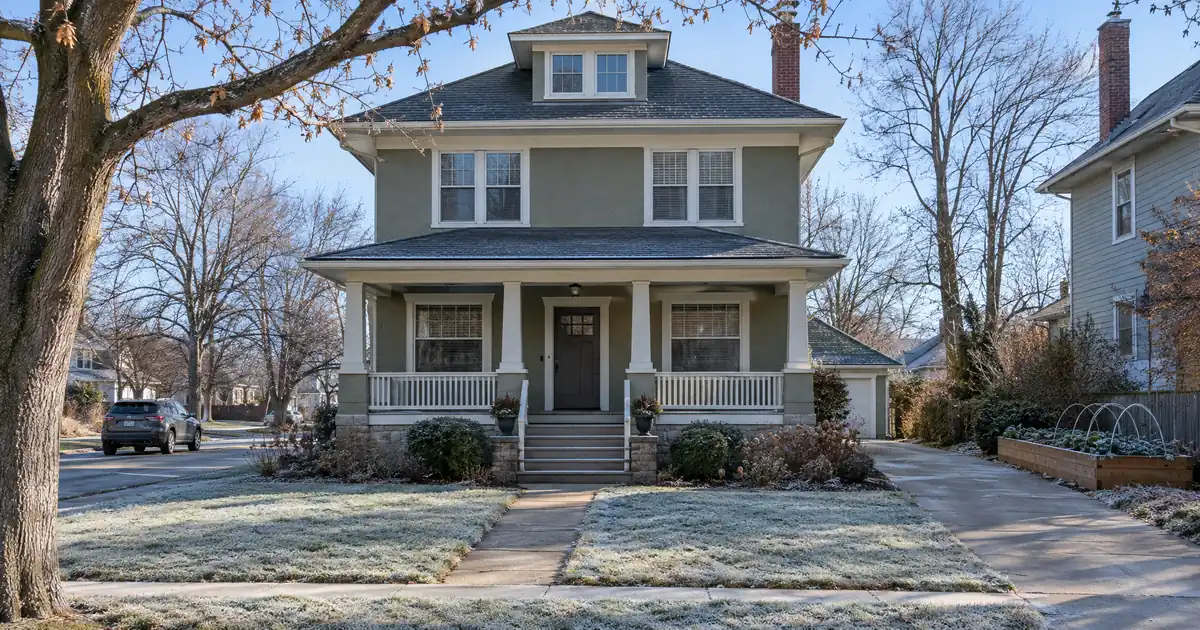
The Quick Read: A rental on a private well and septic system can usually be financed with a DSCR loan, provided both systems are documented as working and the rent covers the payment. A property with no utility electricity or no year-round road access is a different and narrower question, and eligibility there depends on the specific lender program.
- Well and septic alone is just a rural property. Missing grid power is the bigger hurdle.
- Expect a lab water test, a septic inspection, and an appraisal that supports market rent.
- Most files in the network run 75%-80% LTV on a purchase, subject to lender guidelines.
- Manufactured homes, log homes, and barndominiums are not offered.
- Clearing 1.00 coverage does not mean the property cash flows. Repairs and vacancy sit outside the ratio.
Off-Grid Is Three Questions, Not One
Investors say “off-grid” and mean three different things: no utility power, a private well, and a private septic system. Lenders treat each differently. A well and septic home on the electric grid is routine rural collateral. A home with no utility electricity adds a power and heating question on top.
DSCR Calculator
Run the numbers in your market
Rate source: Freddie Mac 30-yr average via FRED® — Federal Reserve Bank of St. Louis · effective Oct 15, 2026
Prefilled with starting assumptions — enter your own rent or nightly figures, taxes, insurance, and HOA for a more accurate picture.
Program parameters update from Lendmire’s centralized guideline source. Taxes and insurance are editable estimates.
As of Oct 15, 2026 · General Freddie Mac market benchmark, not a Lendmire loan offer. Rent, nightly rate, occupancy, taxes, and insurance are editable estimates. Short-term rental figures are estimates only and vary significantly by season, property type, management approach, and local short-term-rental rules — confirm local regulations before relying on them. Qualifying income for short-term rentals varies by program — some use appraisal market rent, others use documented STR history or projections — and is confirmed in underwriting. Not a Loan Estimate, approval, or commitment to lend. Program availability and eligibility are subject to lender guidelines, credit approval, property review, and underwriting.
| Feature | What the lender asks | Typical difficulty |
|---|---|---|
| Private well | Is the water safe and the flow adequate? | Routine with testing |
| Septic system | Is it functioning and permitted? | Routine with inspection |
| No grid power | Is the home safely habitable year-round? | Narrows eligibility |
| Access road | Is year-round vehicle access reliable? | Varies by program |
Keep that split in mind. Most of the confusion in this niche comes from blending the rows together.
What Is a DSCR Loan, in One Paragraph?
A DSCR loan is reviewed primarily on property-level rental income covering the payment, subject to lender guidelines. The ratio is monthly rent divided by principal, interest, taxes, insurance, and any HOA dues (PITIA). DSCR loans are designed for non-owner-occupied investment properties, so they are reviewed differently from an owner-occupied mortgage. Lendmire’s complete DSCR loans guide walks through the full mechanics.
Because no personal-income review drives the file, the property carries the whole credit story. That is why condition matters more here, not less.
Who Sets the Rules for Wells and Septic?
Nobody federal sets a DSCR property standard. These are non-agency investor loans, so each program writes its own collateral rules. Private wells are not federally regulated either. The Maine CDC states that private wells are unregulated and owners must test and treat their own water. State and local health departments are the only layer with real authority.
That leaves the lender’s program as the practical gatekeeper. Across the wholesale network, the pattern is consistent: the system must be shown to work, and the paperwork must prove it.
For contrast only, FHA publishes detailed well and septic standards. The HUD Handbook 4000.1 transmittal shows how an agency defines a reasonable standard, including a well test report that may be up to 180 days old at disbursement. None of that governs DSCR files. Use it as a picture of what careful looks like, not as a rulebook.
How Underwriting Treats the Property, Step by Step
1. Eligibility screen. Property type comes first. A single-family home on well and septic is generally normal collateral. Manufactured homes (single- and double-wide), log homes, and barndominiums are not offered through the network’s DSCR programs, and that holds regardless of utilities.
2. Appraisal and rent schedule. The appraiser values the home and supports market rent, typically on the 1007 (single-family rent schedule) or the 1025 (small residential income property). Thin rural comps make both harder. The appraiser also notes the water source, the sewage type, and visible signs of failure.
3. Well documentation. Programs commonly ask for a water-quality test from a state-certified lab, with the sample drawn by a neutral third party, and a flow or yield test from a licensed contractor. Lenders and local agencies usually require inspections and tests before settlement. Baseline tests cover total coliform, nitrates, dissolved solids, and pH.
4. Septic documentation. A real inspection is more than a pump-out. It reviews the permit, design, and installation records along with pumping and maintenance history. The inspector opens and checks every tank, including the septic tank, pump tank, and distribution box, and looks for leaks, backups, corrosion, and problems with electrical and pump components. Systems with pumps, floats, or mechanical parts generally need an inspection about once a year. Expect the file to ask for the inspection report plus the pumping and maintenance records.
5. Power, heat, and access. The question is whether the home has safe, working, year-round electrical and heating service that a tenant can live with. Solar, batteries, propane, and generators are judged on whether they function, and programs vary on how they treat them. Year-round vehicle access is a recurring issue too, since private or seasonal roads can narrow eligibility.
6. Insurance and title. Rural and off-grid homes can be harder to insure. Insurability can gate the whole file, so get a quote early.
7. The coverage test. Rent against PITIA. Well and septic risk does not change the formula. It changes conditions, reserves, and how much of a haircut you should apply when you stress-test the rent yourself.
Documents That Clear the Conditions
A short checklist saves the most grief:
- A water test from a certified lab, collected by a third party
- A well flow or yield report from a licensed contractor
- A septic inspection by a septic professional, not just a home inspector
- Pumping and maintenance records, tank size, and permit history
- A recorded maintenance agreement if either system is shared
- Proof of year-round access and working power and heat
A standard home inspection does not cover the well or septic. The U.P. Home Inspection guide makes this point, and a basic flow test shows only that the field accepted water at that moment.
Order these early. Lab results take business days, and a failed bacteria test means treatment and a retest. Redfin puts a combined well and septic inspection package at roughly $400 to $650, an indicative cost rather than a program requirement.
Leverage, Credit, and Reserves on These Files
Most purchases in the network land at 75%-80% LTV, which means 20%-25% down. Select high-leverage programs reach 85% LTV on a purchase with roughly a 700+ score. A cash-out refinance on a standard rental tops out around 75% LTV, and about six months of seasoning is the common expectation. Exact terms depend on the lender’s guidelines, property type, leverage, and a full review of the borrower’s file.
On credit, a 620 floor exists in parts of the network, most programs want around 660, and 700+ unlocks the strongest tiers. Loan sizes run roughly up to $3,000,000 on standard programs. Reserves vary by lender, leverage, and loan size, commonly around six months of PITIA, stepping up to about nine months above $1,500,000.
Coverage works the same way. 1.00 is where many select programs start, and stronger ratios open better pricing and leverage. A separate select-lender path takes coverage below 1.00, with leverage and terms adjusted. All of this is subject to lender guidelines and individual file review.
A larger down payment lowers the monthly obligation and can lift the ratio. It never erases property eligibility. The strongest files clear both tests: enough equity and enough rental coverage.
How Private-System Costs Show Up in the Numbers
Picture an investor with a rural three-bedroom whose rent clears roughly 1.15x coverage. On paper, that works. Now add the costs the ratio ignores: septic pumping, annual well testing, road or driveway upkeep, and a bigger vacancy cushion on a thin rural tenant pool. The ratio stays at 1.15x while real cash flow shrinks.
That gap is why DSCR clearance is not the same as positive cash flow. The calculation compares rent to PITIA only. Repairs, vacancy, management, utilities, and capex all sit outside it.
Septic replacement is the big capital risk. A failed drainfield is a major expense, so budget for it as a reserve item rather than a surprise.
In practice, DSCR files on rural private-system homes tend to hinge less on the coverage number than on whether the conditions clear cleanly. The strongest files arrive with inspection reports and maintenance records already in hand, and a stress-tested rent assumption that does not lean on the optimistic end of the appraiser’s range.
Where the General Rule Breaks
Shared wells or septic. A written, recorded access and maintenance agreement matters. Shared systems get scrutinized separately from individual ones.
Alternative or mechanical septic. Aerobic, mound, and pumped systems typically call for annual inspection and a maintenance contract. Expect more questions.
Dug wells, cisterns, holding tanks, hauled water. These are the hardest water sources to place. FHA revised how appraisers report on them, which signals how much caution they draw.
Surface water. An old BiggerPockets thread describes an investor who could not finance a utility-less property with creek water, and an appraiser unwilling to value it. It is dated and anecdotal, so treat it as an illustration, not current policy.
Failed or non-permittable septic. A system that cannot be repaired or permitted can make the property ineligible until it is cured. Repair escrows or holdbacks, where available, are program-specific.
Short-term rentals. Septic is sized by bedroom count, so heavy guest use or a bedroom mismatch is a plausible risk. STR purchases run up to 75% LTV, with refinances around 70% and cash-out at 70%. Expect a 640+ score, about 12 months of hosting history, and a 1.00 coverage floor on purchases and on refinances. Short-term rental rules vary by city, county, HOA, and property type, so confirm local rules before relying on projected income. Every figure here varies by lender and program.
Working farms and ag-dominant use. These generally fall outside residential rental programs.
DSCR vs. conventional financing
There are two common ways to finance an investment property, and they qualify you differently — here’s how investors weigh them.
Why investors choose it
- Qualifies on the property’s rental income — no personal tax returns, W-2s, or pay stubs needed to document income.
- No personal debt-to-income ceiling to clear, so existing mortgages and obligations don’t cap your borrowing the same way.
- Can be closed in an LLC, keeping the property inside a business entity.
- Built for scaling — not held to the limit on number of financed properties that conventional financing applies.
- Underwriting centers on the deal: generally qualifies when the rent covers the payment, a 1.00x coverage ratio being a common baseline (confirmed in underwriting).
- Designed specifically for investment property, including long-term and, where the program allows, short-term rentals.
Where it’s strong
- Often the lowest ongoing financing cost for a buyer who fully qualifies on personal income — a fit for a first property or a cost-first purchase.
Trade-offs for investors
- Requires full personal income documentation and must fit within a debt-to-income limit — salary, existing debts, and other mortgages all count.
- Typically held in your personal name rather than a business entity.
- Caps how many financed properties you can carry, which can become a ceiling as a portfolio grows.
- Evaluates you as a borrower as much as the property, which usually means more paperwork.
How investors usually choose: a first or single property often optimizes for the lowest financing cost; portfolio builders often optimize for leverage, vesting in an LLC, and scaling past conventional caps. The right answer depends on your goals, the property, and current guidelines — both paths run through select lenders in Lendmire’s wholesale network, with eligibility and terms confirmed in underwriting.
If Something Fails
| Problem | Typical path |
|---|---|
| Failed water test | Treat or disinfect, then retest |
| Failed septic inspection | Repair or replace, then reinspect |
| Appraiser repair condition | Cure first; escrow or holdback is program-specific |
| Shared system, no agreement | Record a maintenance and access agreement |
| No year-round access | Document road maintenance or look at other property |
Fixing the problem before the deal works is almost always cleaner than hoping a lender waives it.
Key Terms Defined
PITIA: Principal, interest, taxes, insurance, and HOA dues, the monthly obligation rent is measured against.
DSCR: Debt service coverage ratio, monthly rent divided by PITIA.
Drainfield: The soil area where septic effluent is treated and dispersed.
Rent schedule (1007/1025): The appraisal forms that support market rent for the property.
Hauled water: Water delivered to a cistern or tank rather than drawn from a well or utility.
Frequently Asked Questions
Can a rental with a well and septic get a DSCR loan?
Usually, yes, when both systems are documented as working and the rent covers the payment. These are routine rural property features. Final eligibility depends on the program, the appraisal, and the full file.
Does a home inspection cover the well and septic?
No. They are separate specialist evaluations. Plan on a certified-lab water test, a flow test, and a septic professional’s tank inspection.
Is a home with no grid power reviewable?
It depends on the program. Eligibility narrows when a home has no utility electricity, since the question becomes whether solar, propane, or a generator provides safe, working, year-round service. Some programs decline these properties outright.
Do manufactured homes or log cabins on a well qualify?
No. Manufactured homes, log homes, and barndominiums are not offered through the network’s DSCR programs, with or without a well.
Does a bigger down payment fix a weak well or septic?
No. It lowers the payment and can lift the ratio, but it does not change property eligibility. A failed system has to be cured.
If you are buying or refinancing a rental property and want to see how the numbers work, Lendmire can help you compare DSCR loan options based on the property income, credit profile, leverage, and investor goals. Lendmire’s piece on documenting solar, well, and septic on an off-grid rental covers the paperwork in more depth. Tax treatment varies; consult a qualified professional.
For current guidelines and terms, see Lendmire’s DSCR loan programs page.
About Lendmire
Lendmire (NMLS# 2371349) is a mortgage brokerage focused on DSCR investor financing, helping arrange programs through wholesale and investor-lending channels in 41 markets, including Washington, D.C. DSCR loans are evaluated by the lender on property cash flow rather than personal income, subject to lender guidelines, supporting LLC closings and accommodating investors with four or more financed properties. Scotsman Guide Top Mortgage Workplace in both 2025 and 2026.
Get Started
Ready to find the right loan for you?
In about 30 seconds you can review financing options available for your investment property. No commitment required.
Informational only. Not a Loan Estimate, approval, or commitment to lend. Program availability and eligibility are subject to lender guidelines, credit approval, property review, and underwriting.
References
1. Maine CDC – Private Well Water
2. HUD Handbook 4000.1 transmittal
This article is part of Lendmire’s DSCR loan program — full qualification details, guidelines, and scenarios live on the program page.
Related reading: Can You Get a Super Jumbo DSCR Loan on an Estate on Acreage? · DSCR Loan Rent Requirements for a Newly Signed Lease · Changing Title Before vs After Closing a Super Jumbo DSCR Loan
Brandon Miller
Founder & CEO, Mortgage Loan Originator, Lendmire LLC
- Mortgage Loan Originator · NMLS# 1129696 · Verify on NMLS Consumer Access
- North Carolina Real Estate Broker · License# 343312 · Verify on NCREC
- North Carolina Insurance Producer · License# 19053198 · Property, Casualty, Life, Health · Verify on NAIC SBS
- Lendmire LLC · Firm NMLS# 2371349 · Verify firm licensure
Disclosure information. Lendmire is a state-licensed mortgage brokerage under NMLS# 2371349. Lendmire is not a depository institution, direct lender, or financial advisor — all loans referenced are placed through wholesale lender partners and are subject to each lender's underwriting standards. This article is provided for general informational purposes and is not a commitment to lend, nor does it constitute financial, legal, or tax advice. Loan programs, terms, rates, and qualification standards change without notice and depend on borrower profile, property type, and the state in which the subject property is located. Equal Housing Opportunity provider. NMLS Consumer Access: nmlsconsumeraccess.org.